 en
en
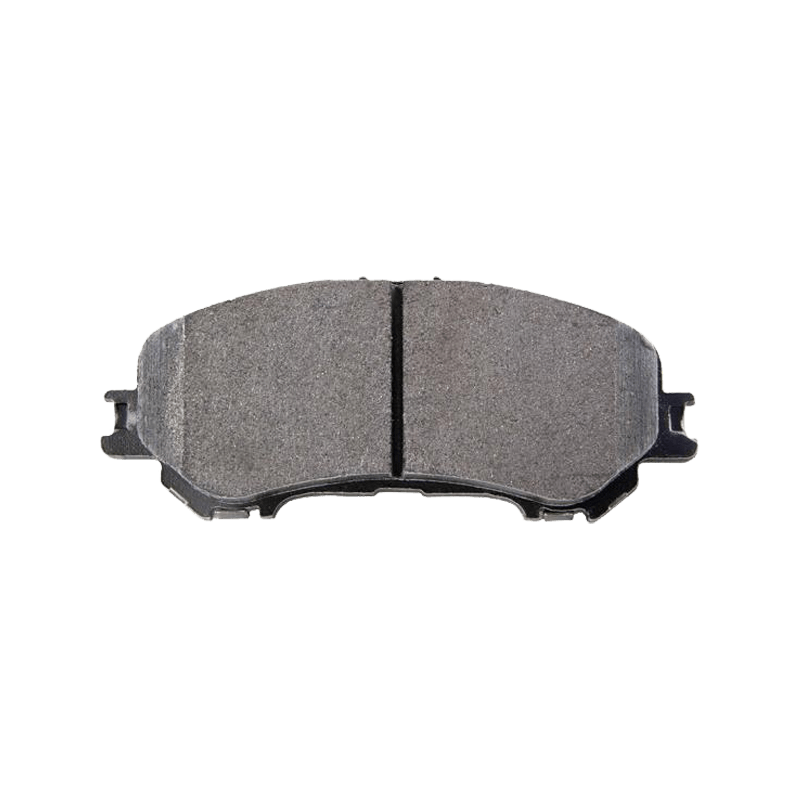
-
D1737-8449 D1060-4BA0A 41060-4EA0A Ceramic Brake Pads
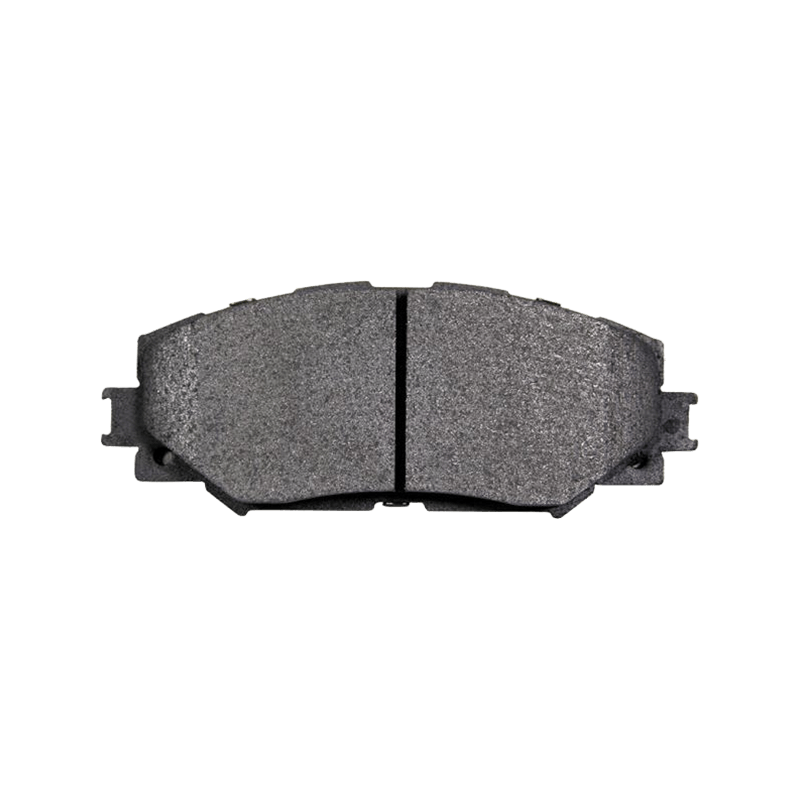
-
D1210-8330 04465-42160 04465-02240 Semi-Metallic Brake Pads
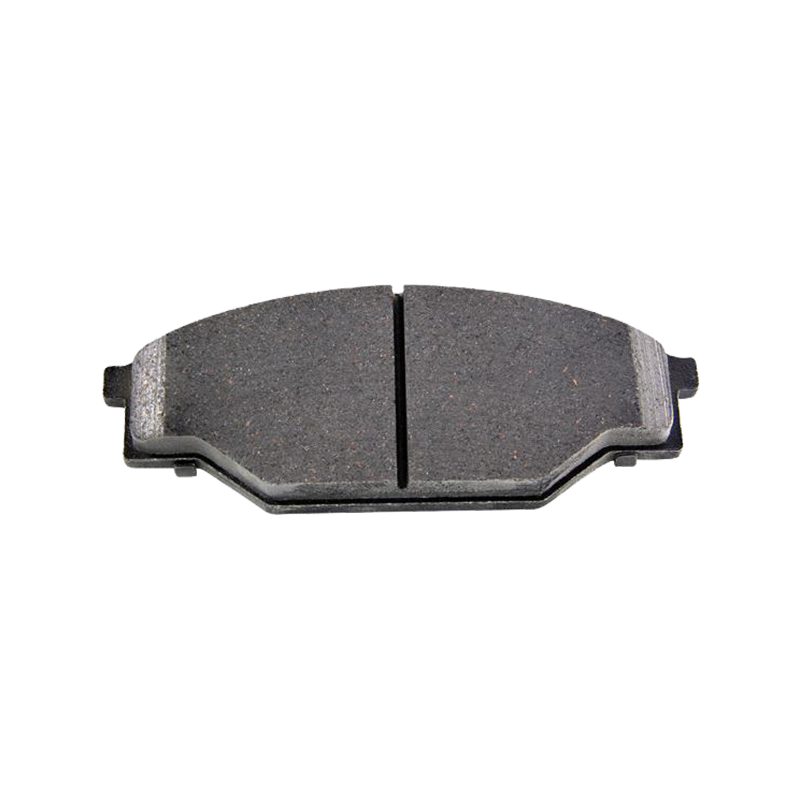
-
D303-7205 04465-20150 04465-25060 Semi-Metallic Brake Pads
-
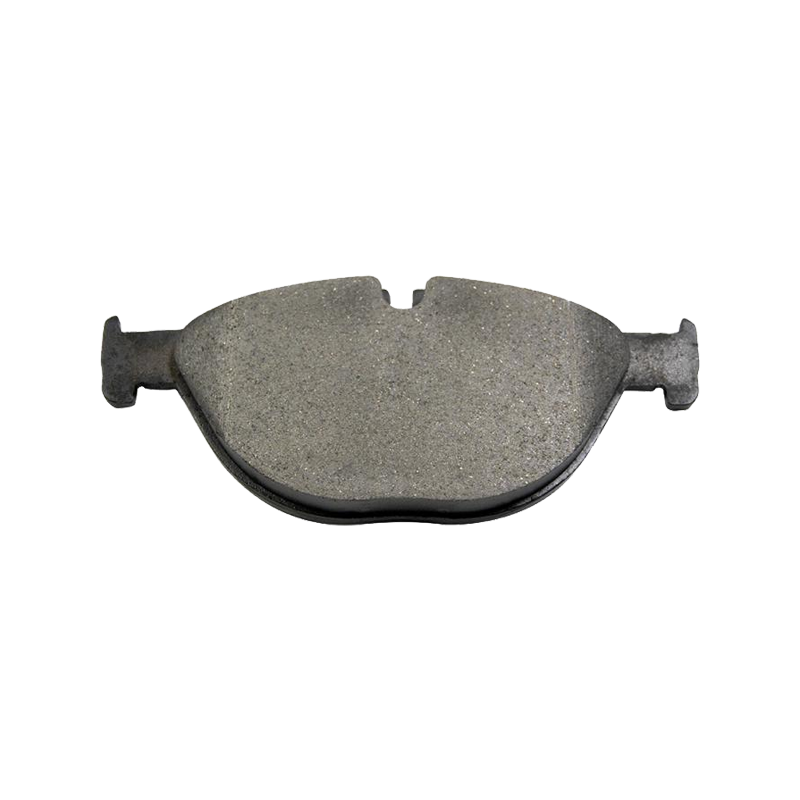
34116851269 34116775318 34116775322 Ceramic Brake Pads
-
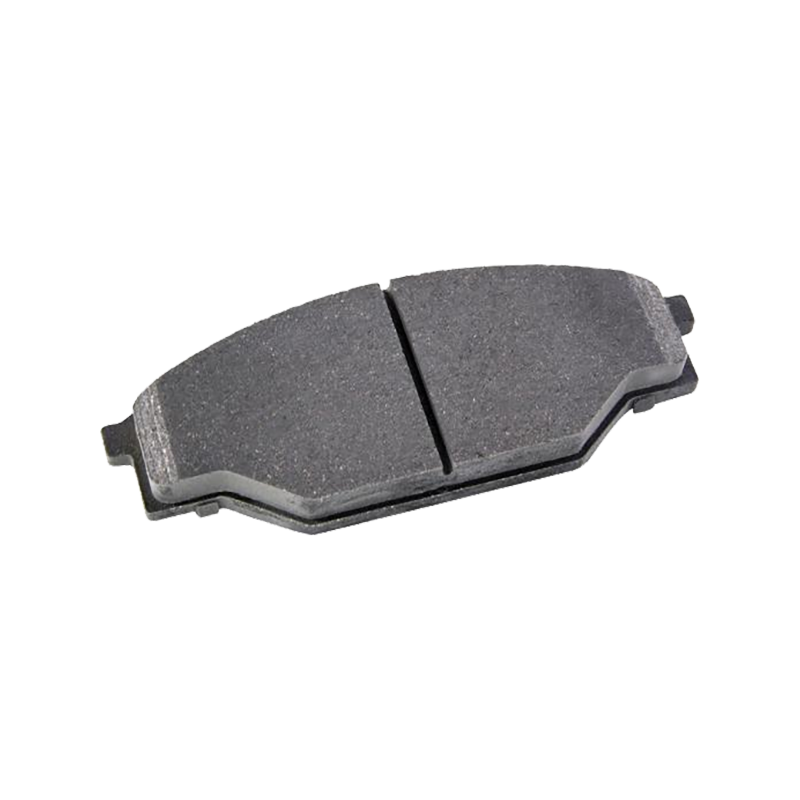
D303-7205 04465-20150 04465-25060 Ceramic Brake Pads
-
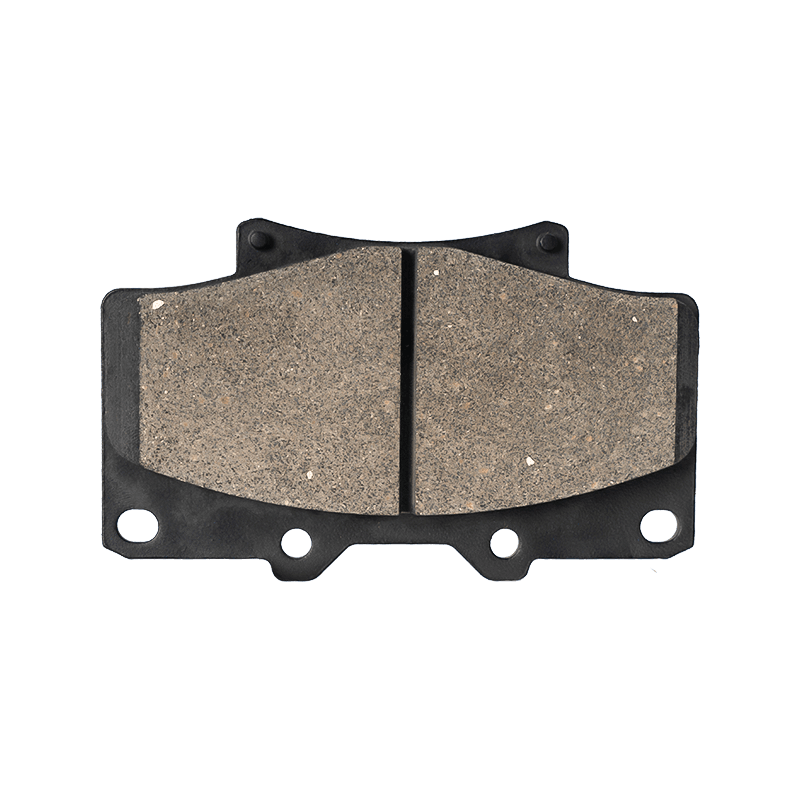
0449135160 Disc Brake Pad for Foton Toyota Volkswagen
-
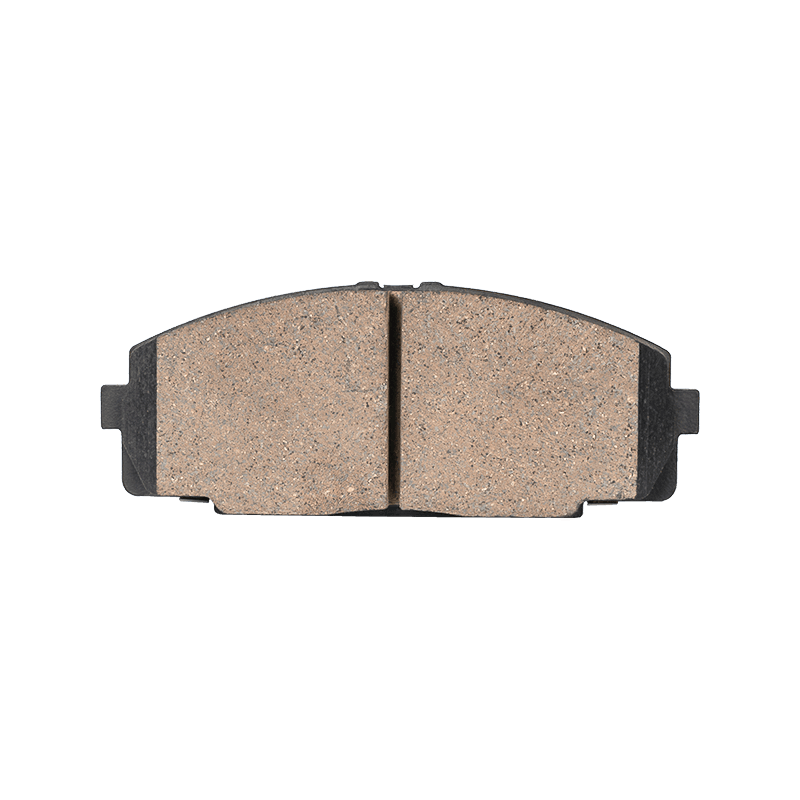
0446526320 Ultra High Performance Disc Brake Pad for Toyota
-
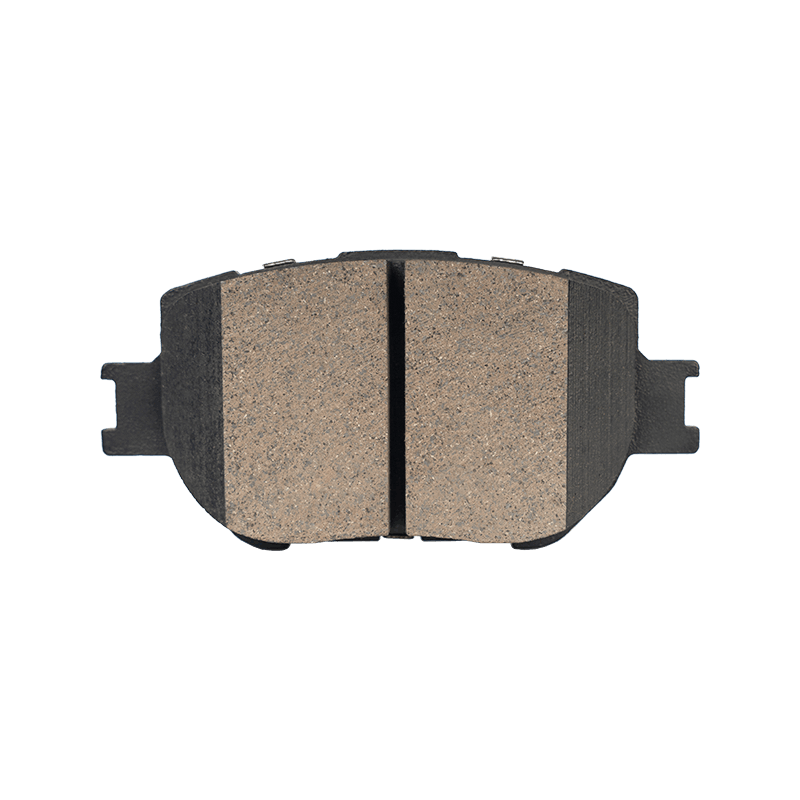
0446530280 High Endurance Brake Pad for Toyota Lexus
-
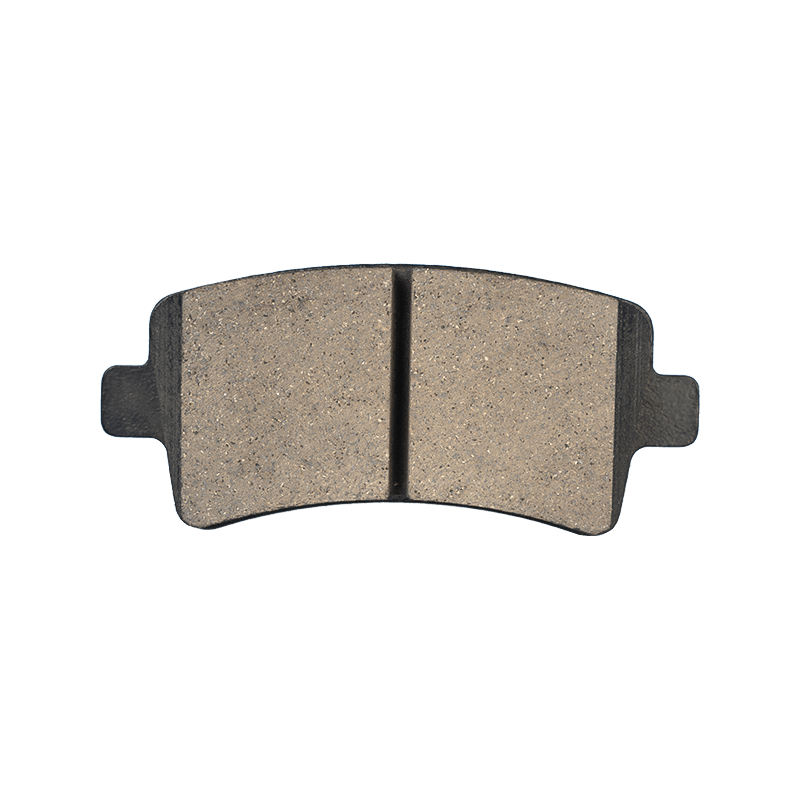
16586609 High Carbon Heat Resistant Brake Pads for BUICK CADILLAC
-
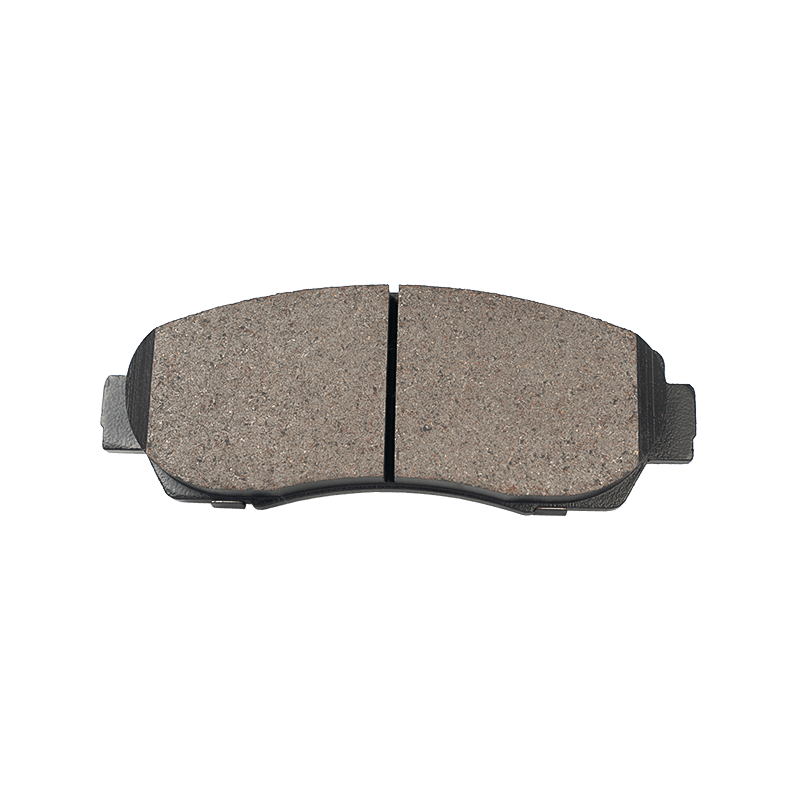
45022SHJA50 High Carbon Heat Resistant Brake Pads for Haval Honda
-
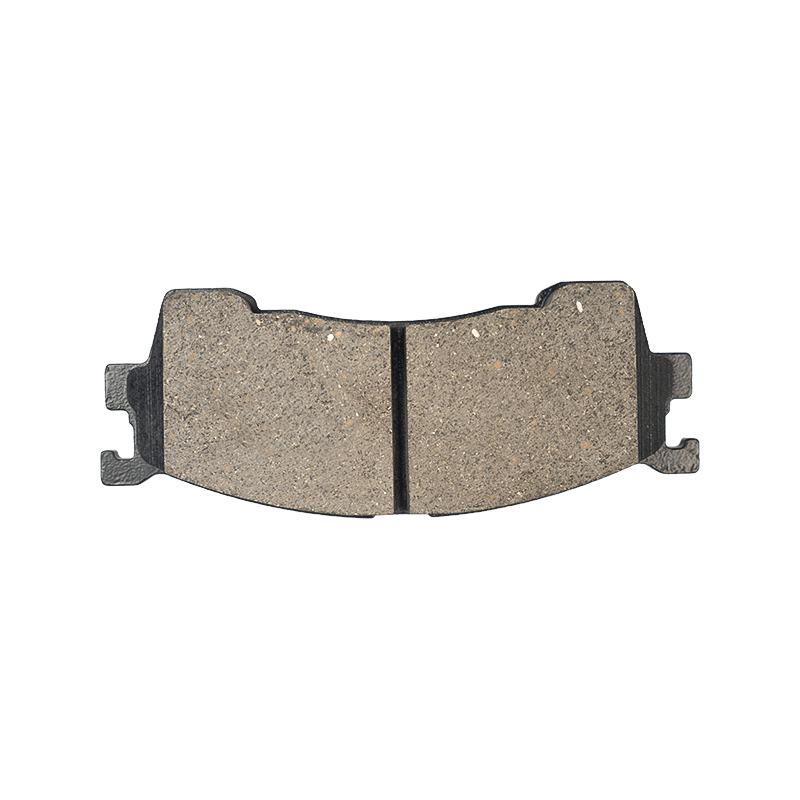
1U0J-33-28Z Car Disc Brake Pad for Mazda
-
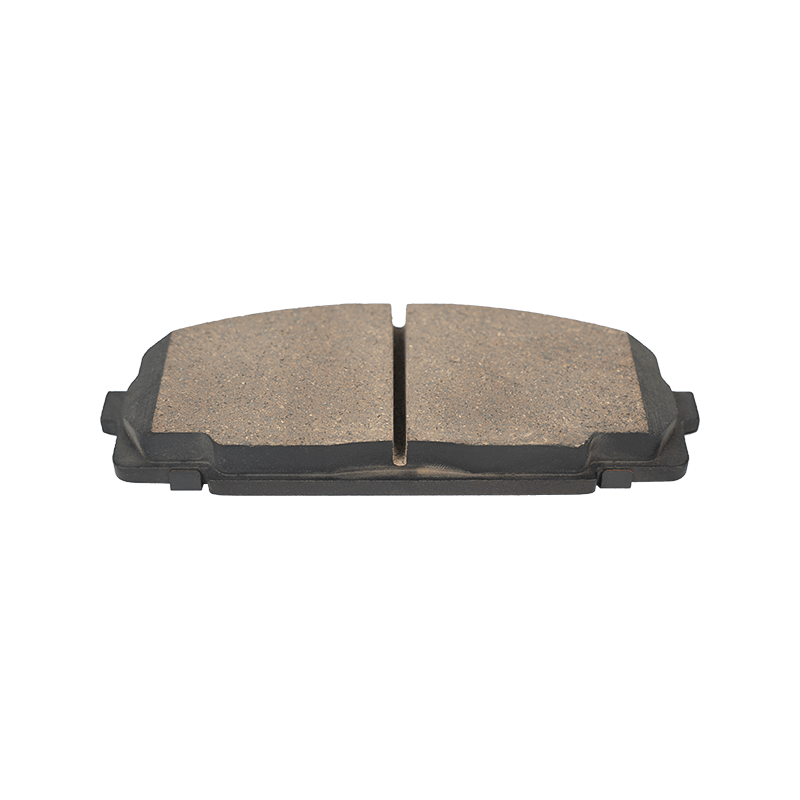
0446526320 Car brake pads for Toyota
-
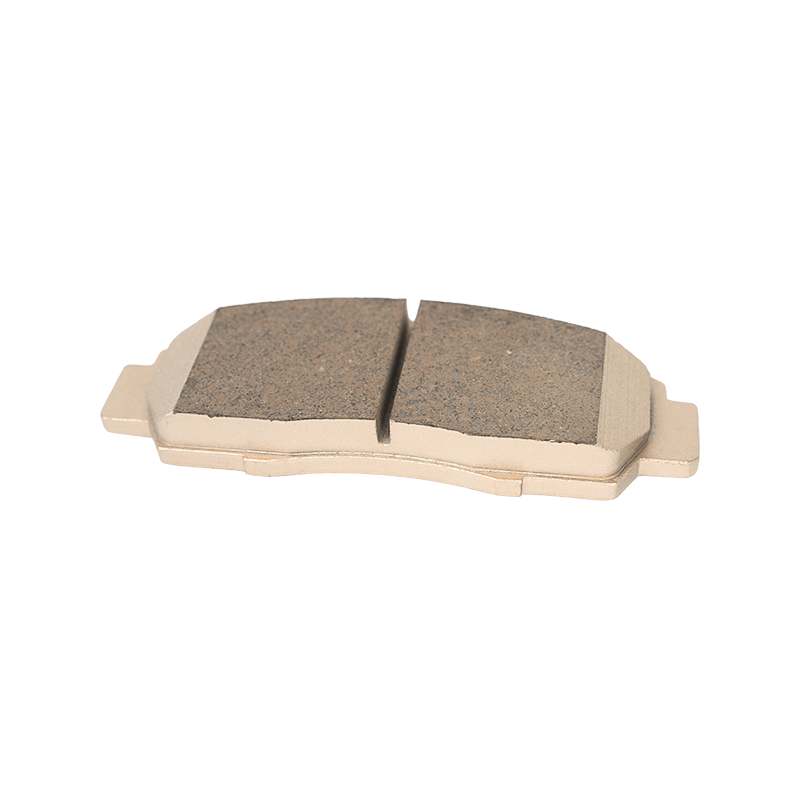
45022-57A-N00 High Quality Car Disc Brake Pads for Honda
Automotive Brake Pads Manufacturer
Brake pads are the core friction components of vehicle braking. They rely on friction with the brake disc to generate resistance and achieve deceleration and stopping. They are matched with various hydraulic brake, calipers and are directly related to driving safety.
Classification:
Semi-metallic brake pads, ceramic brake pads, low-metallic brake pads
Advantages:
1. Performance: Stable coefficient of friction, no degradation at high temperatures;
2. Ride and Comfort: Quiet operation, low dust, and does not damage brake discs;
3. Durability: Long wear-resistant lifespan, suitable for high and low temperature road conditions;
4. Compatibility: Covers all vehicle models, easy to replace and install.
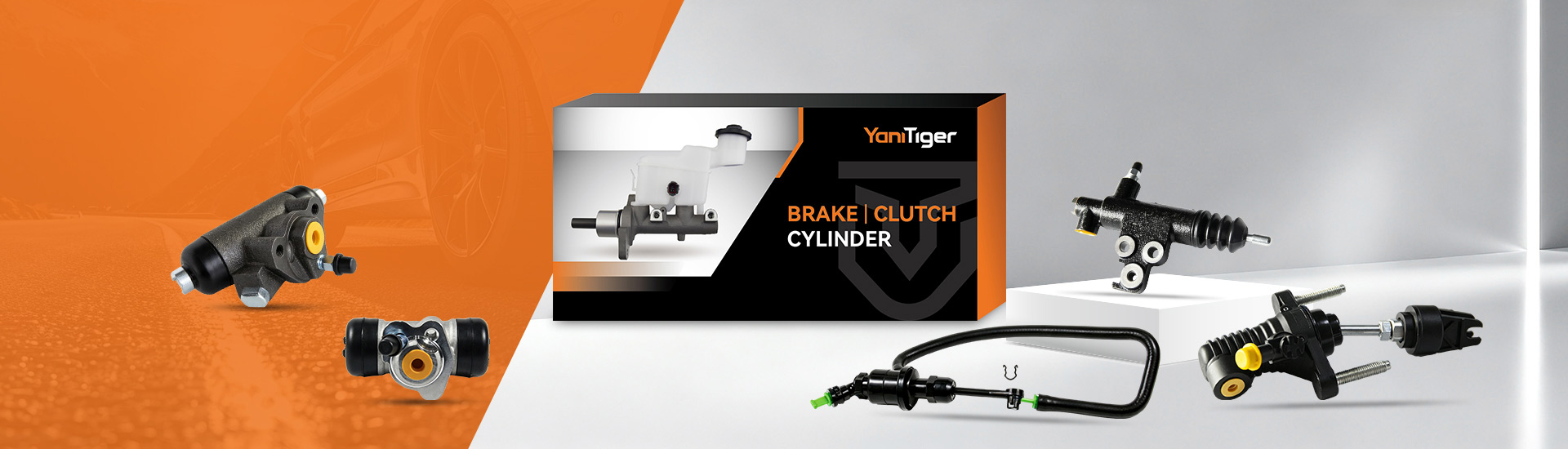
Yancheng Yanitiger Auto Parts Co., Limited is a professional manufacturer specialized in the research, development, production and supply of automotive brake system and clutch system components. Our core product portfolio includes brake master cylinders, brake wheel cylinders, brake calipers, brake pads, clutch master cylinders, clutch slave cylinders and a full range of supporting auto parts.
Supported by standardized operation management and rich industrial experience, we have developed more than 7,000 models of hydraulic products to offer our customers more competitive prices and efficient and satisfying services. We also have more than 1,000 brake shoes and brake pads for European, American, Russian, Japanese and Korean cars, fully meeting diversified and customized demands of the global automotive aftermarket.
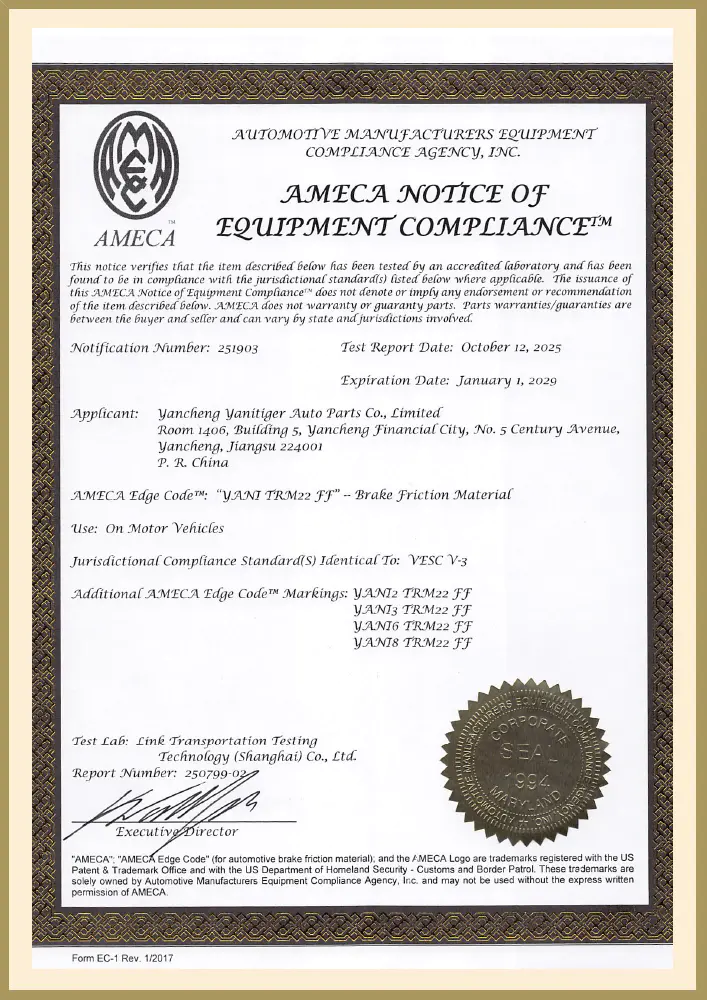
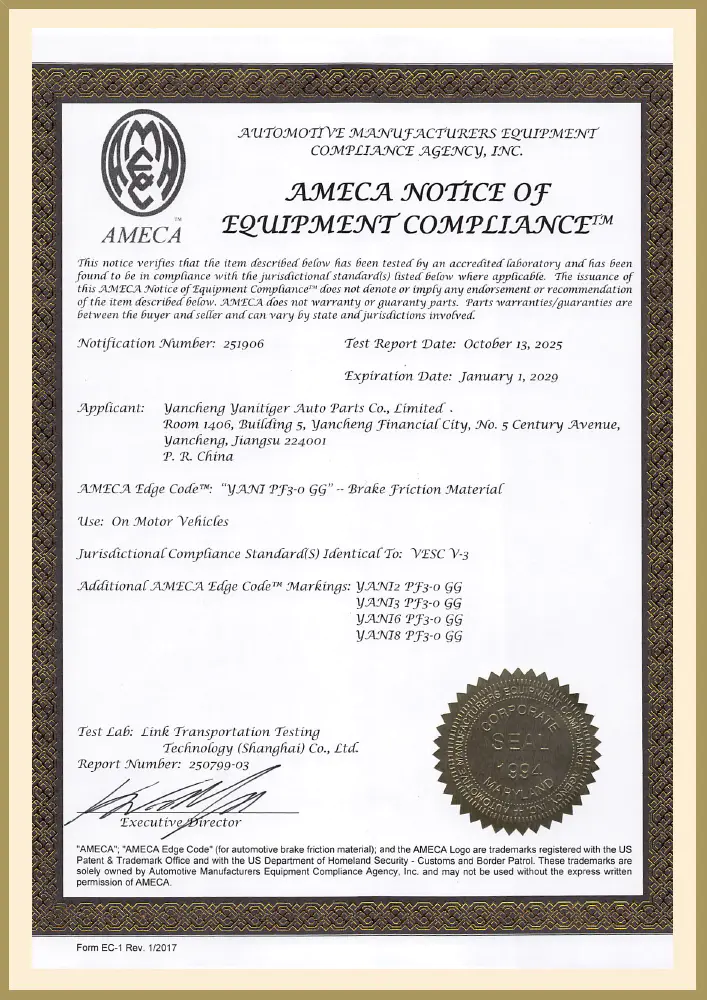
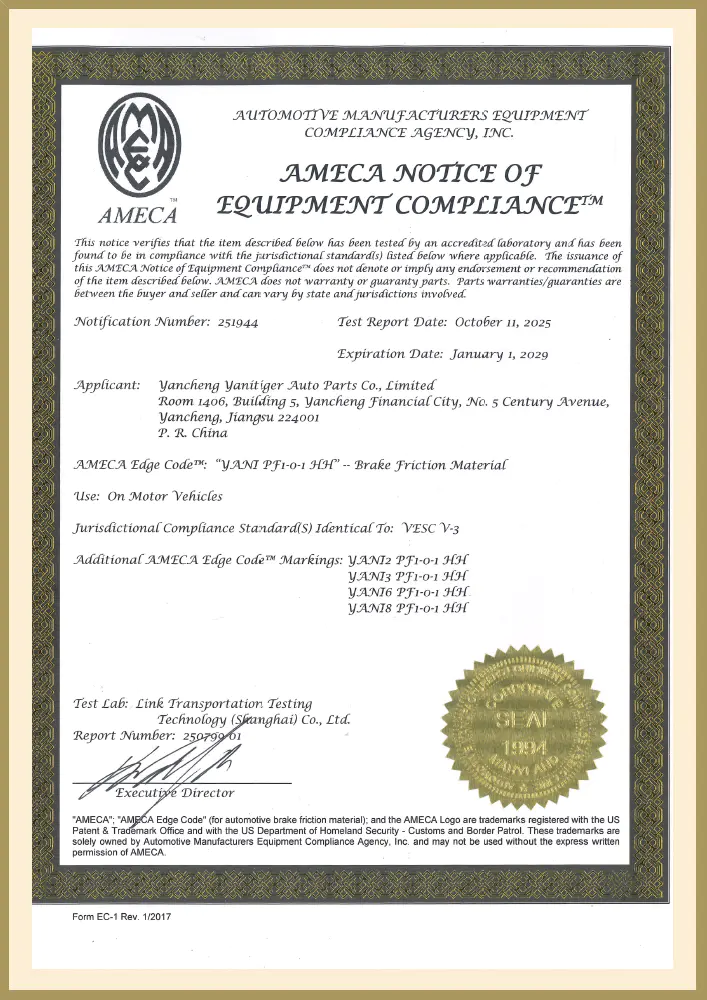
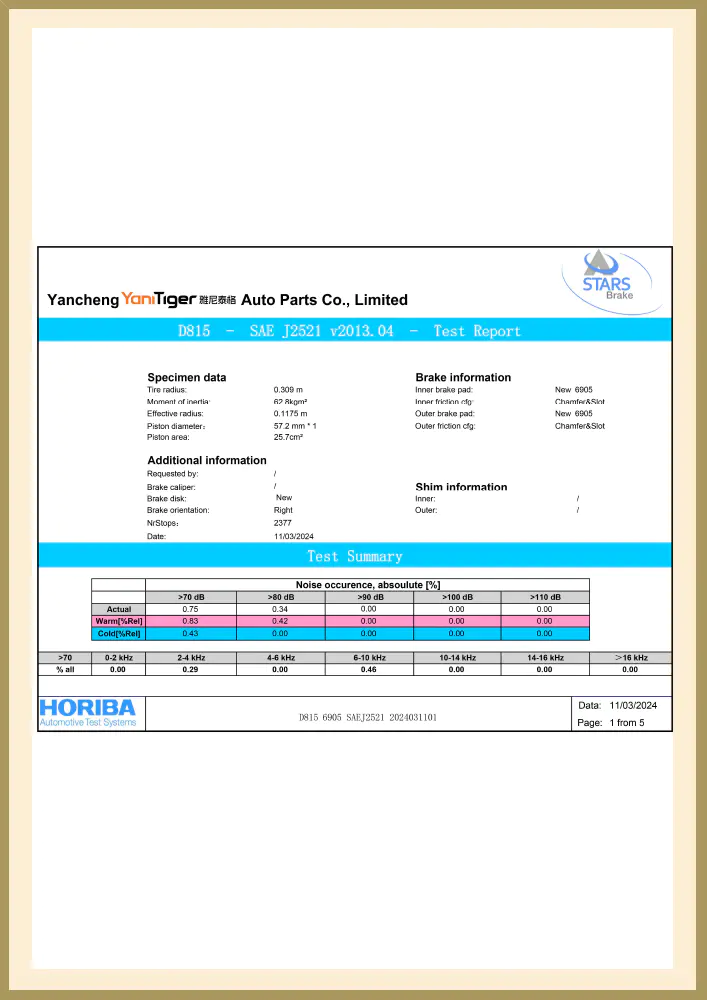
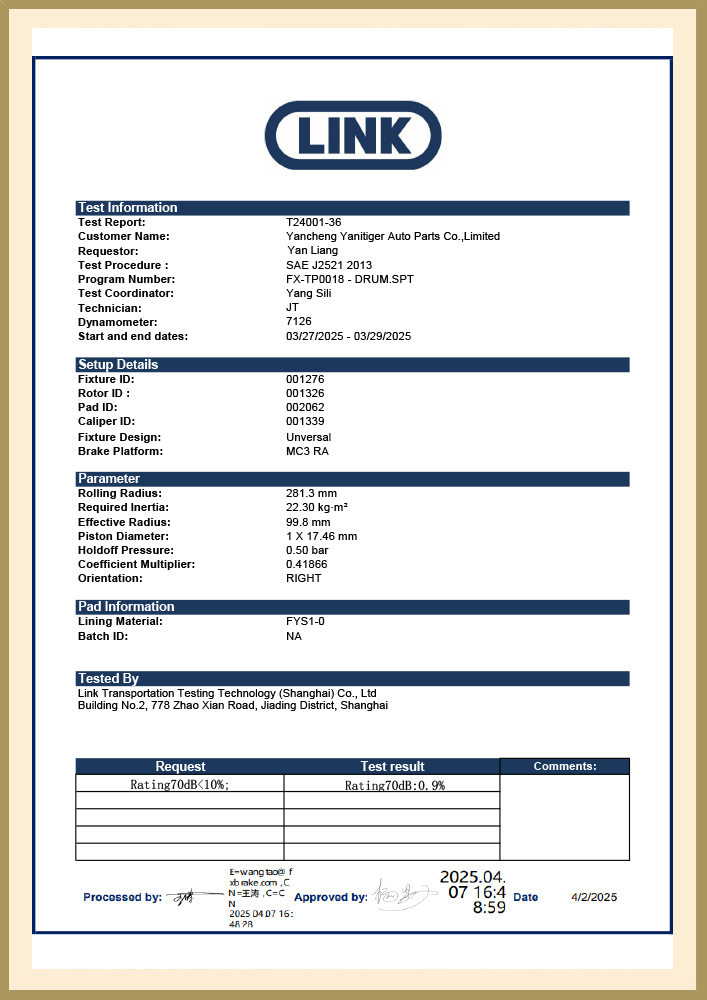
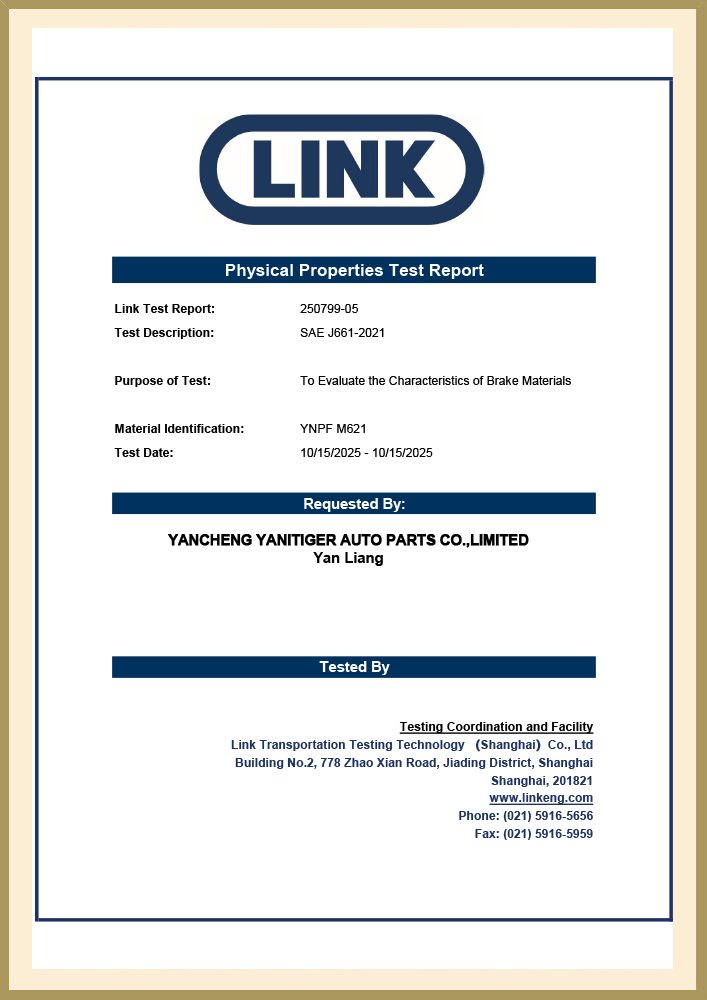
The company strictly complies with the ISO 9001 quality management system and IATF 16949 automotive quality system standards. All core products have obtained authoritative international certifications, including E-MARK R90 and AMECA. We consistently deliver high-quality, cost-effective and standard-compliant automotive component solutions for global customers.
-
What Is a Brake Assist System? How It Works and Why It Matters in Your CarRead More
Picture a driver in a 2018 sedan who sees a stopped delivery truck about 30 metres ahead and stabs the brake pedal — fast, but not especially hard. The car still stops as if the ...
-
How a Brake Servo Works: Vacuum Power Booster Principle, Parts & FunctionRead More
Next time you park, try this: switch off the engine, then press the brake pedal several times. The first press may feel normal; by the third press, the pedal is noticeably harder....
-
What are the Parts of a Car Brake System?Read More
A car brake system is built from two main sub systems, disc brakes and drum brakes, plus a set of shared hydraulic hardware that links the brake pedal to every wheel. The disc bra...
-
Hydraulic Braking Explained: Master Cylinders, Wheel Cylinders and CalipersRead More
A brake pedal that sinks halfway to the floor before the vehicle slows down is normally a hydraulic fault, not a friction fault. Pads and rotors can still measure within specifica...
-
Understanding Your Parking Brake System: Types, How It Works, and Failure CausRead More
You have just parked on a steep driveway. You put the gearbox in Park and lift your foot off the brake. The car does not move. That stillness is the work of the parking brake syst...
Take step and get in touch with us today.


Yancheng Yanitiger Auto Parts Co., Limited focuses on the R&D and supply of automotive braking and clutch system components, which are widely used in European, American, Japanese, Korean and Russian car models.
-

+86-152 5110 1941
+86-139 6199 0100 -

Info@yanitiger.com
-

Building 5, Yancheng Financial City, No. 5 Century Avenue, Yancheng City, Jiangsu Province, China
Copyright © 2026 Yancheng Yanitiger Auto Parts Co., Limited All rights reserved. Privacy
Wholesale Car Brake Pads Factory Automotive Brake Pads Manufacturer