
 en
en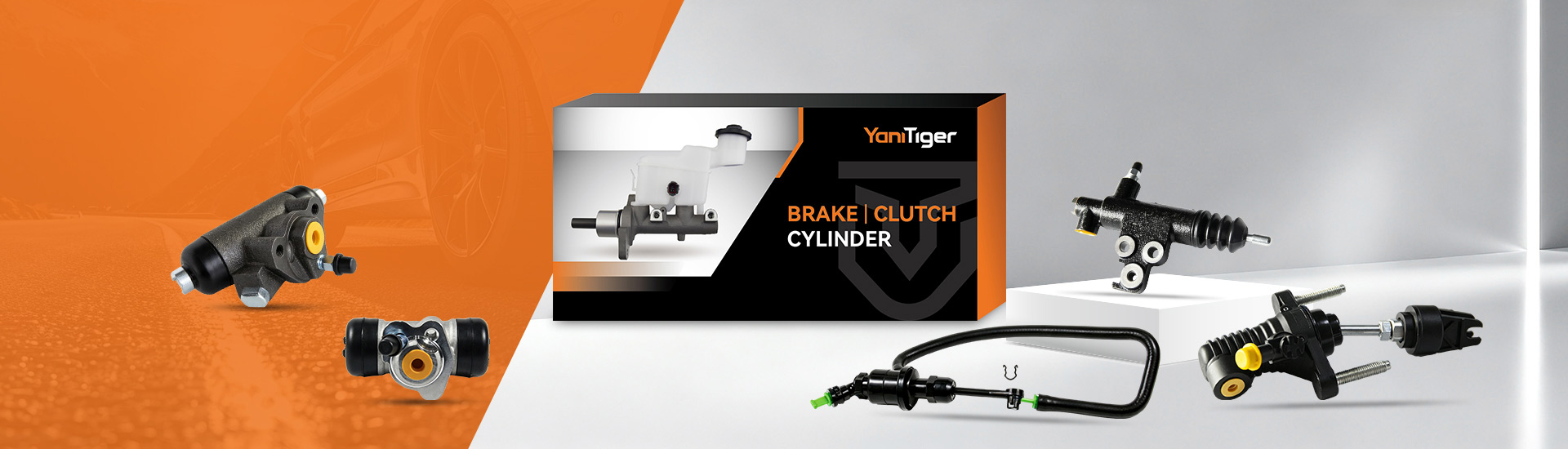
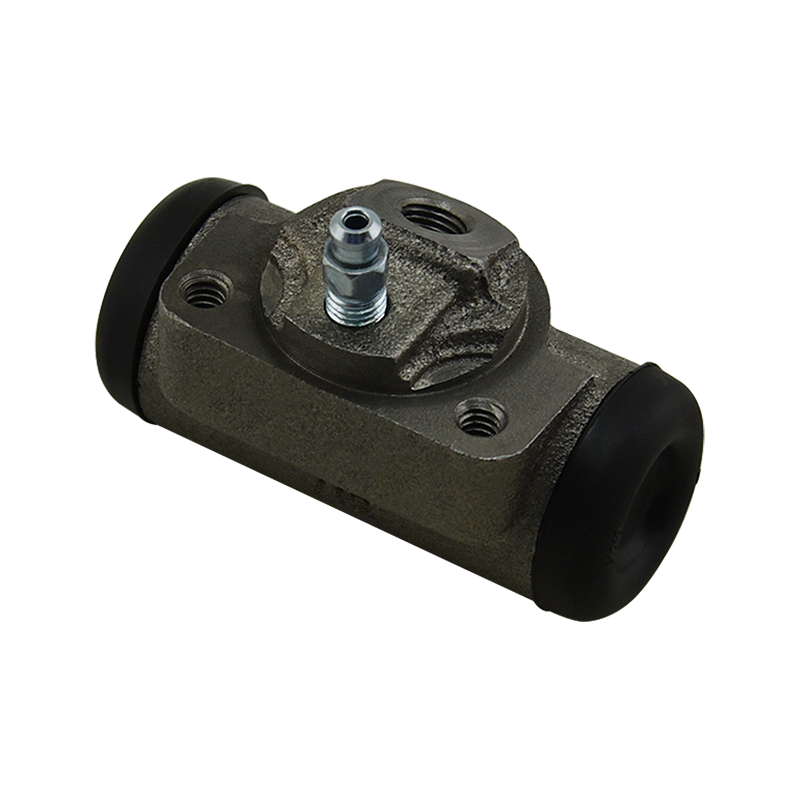
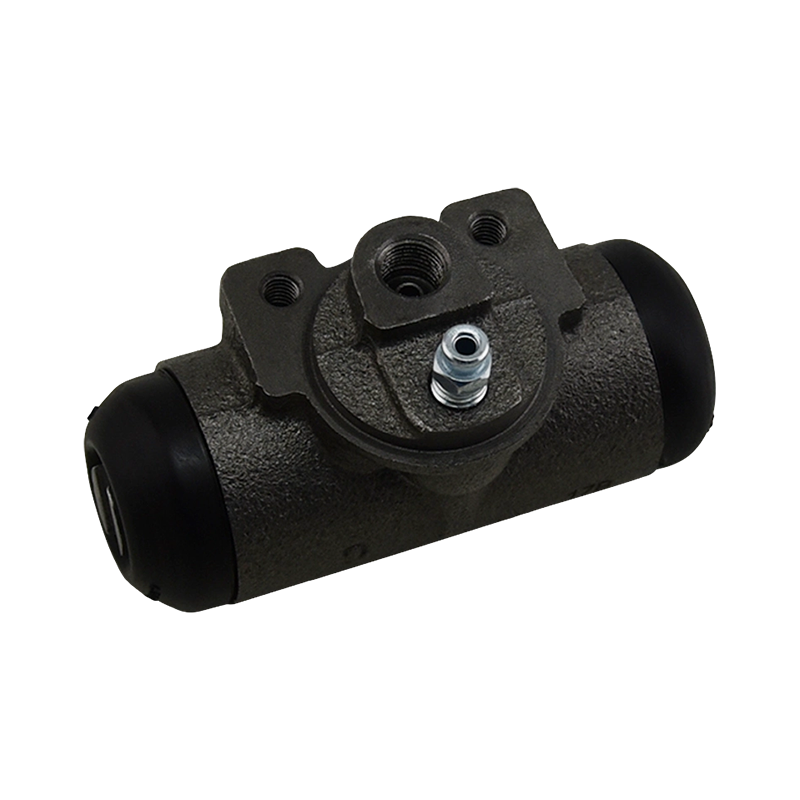
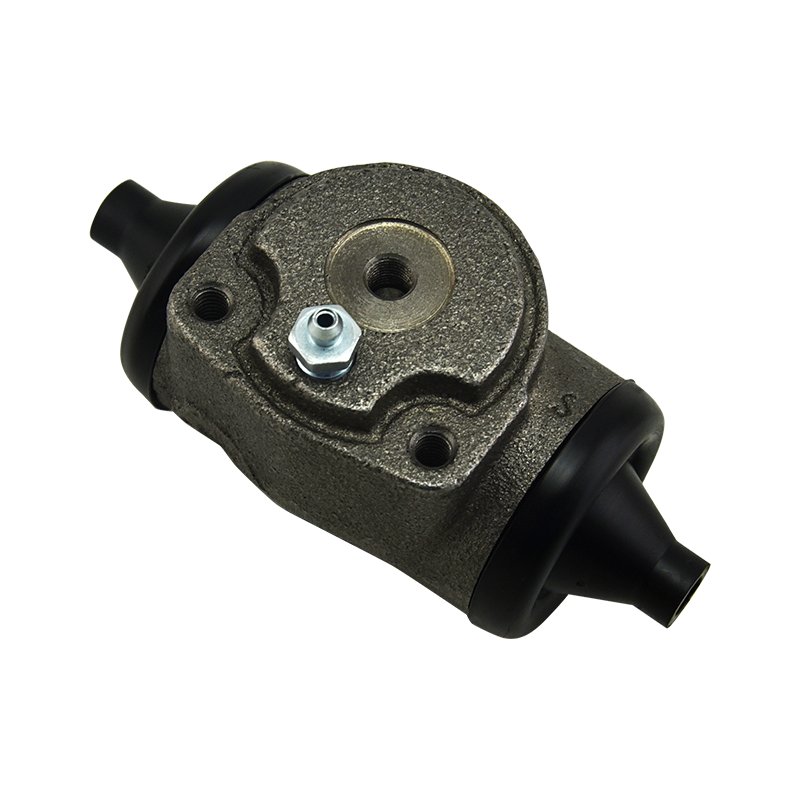
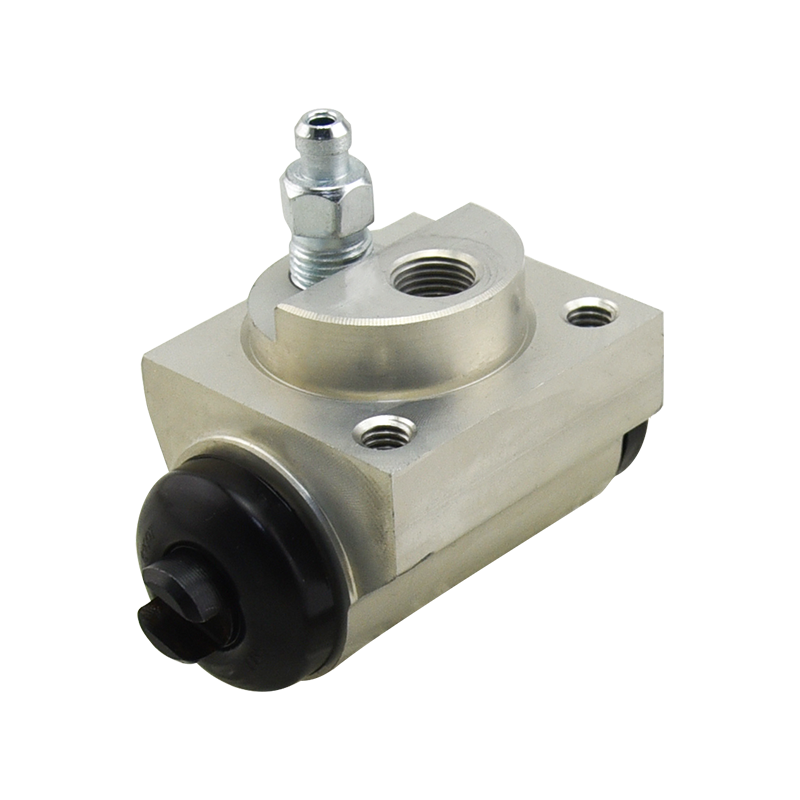
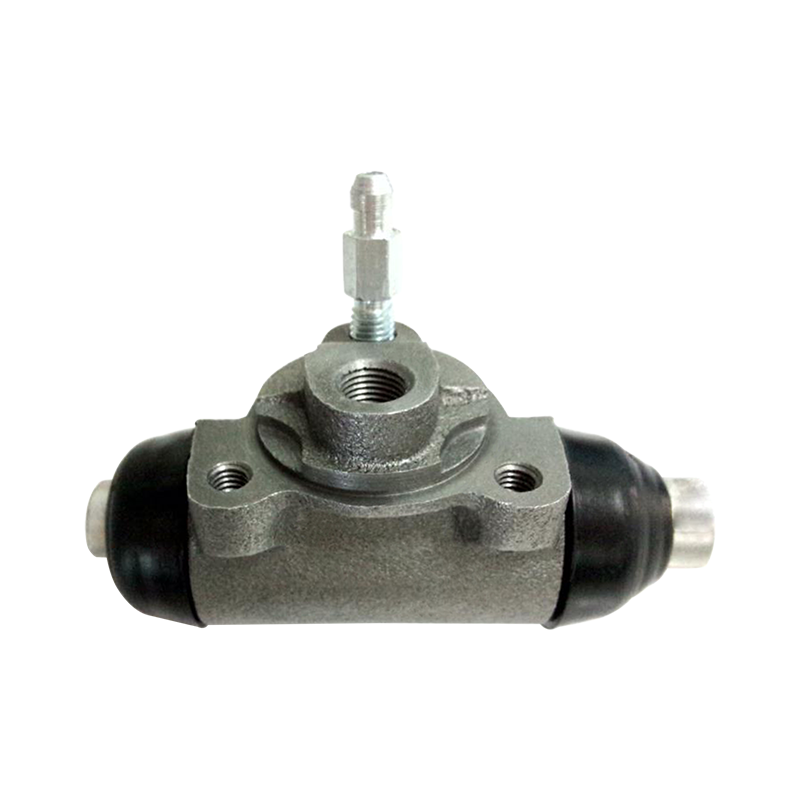
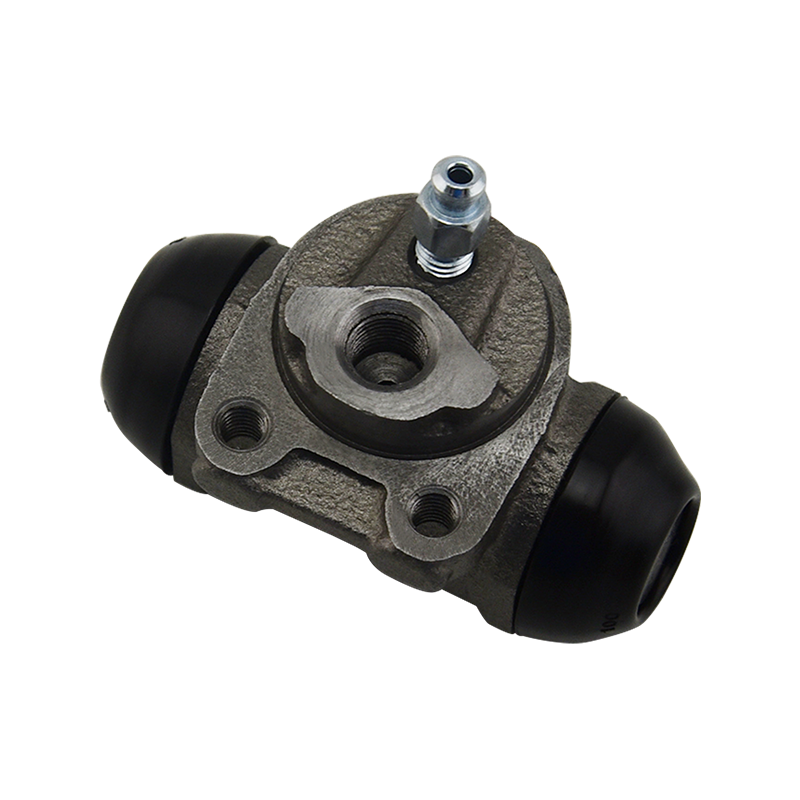
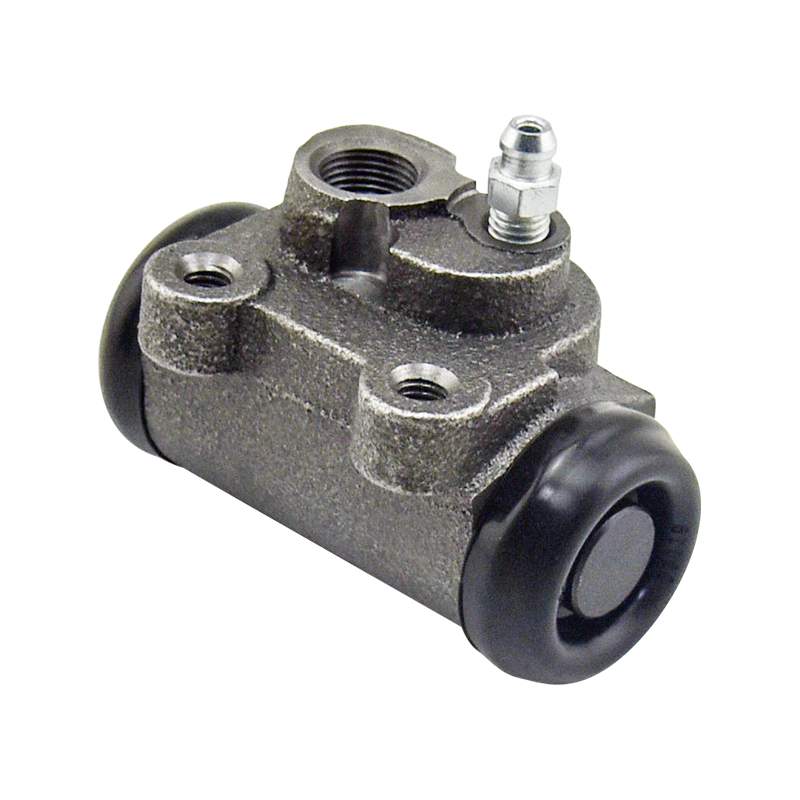
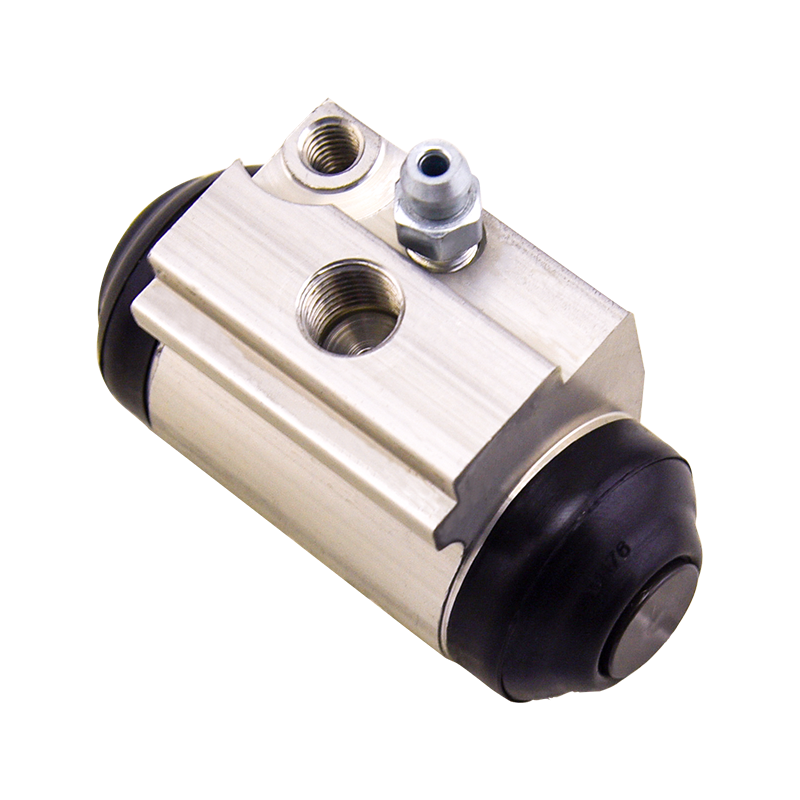
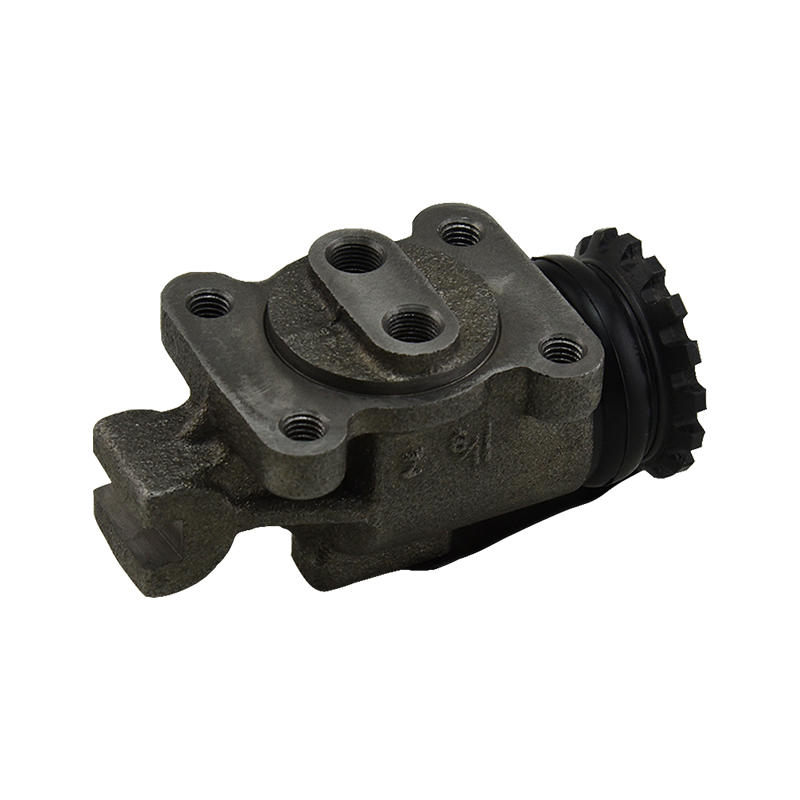
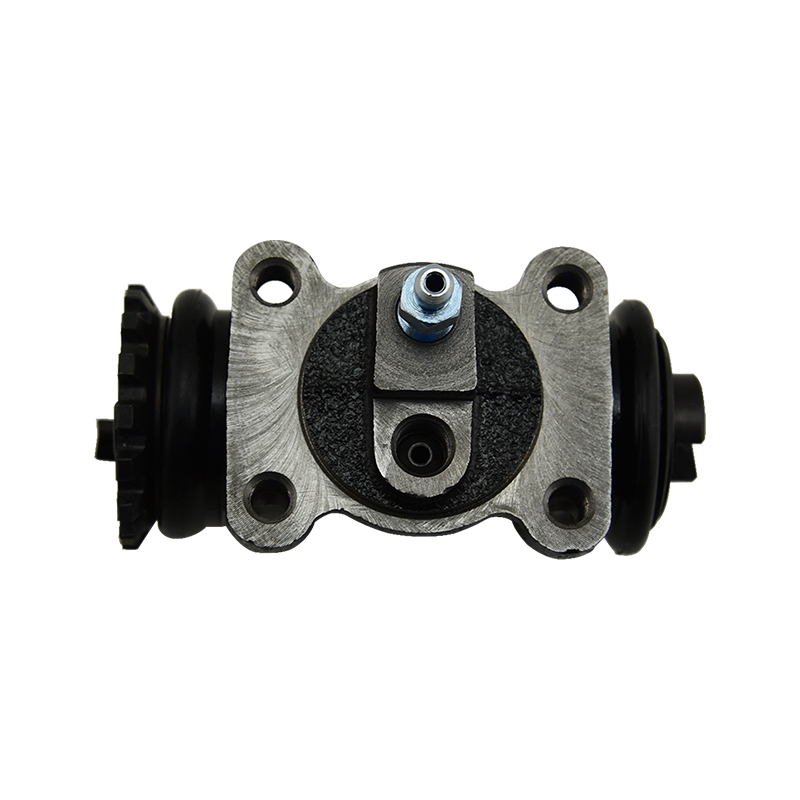
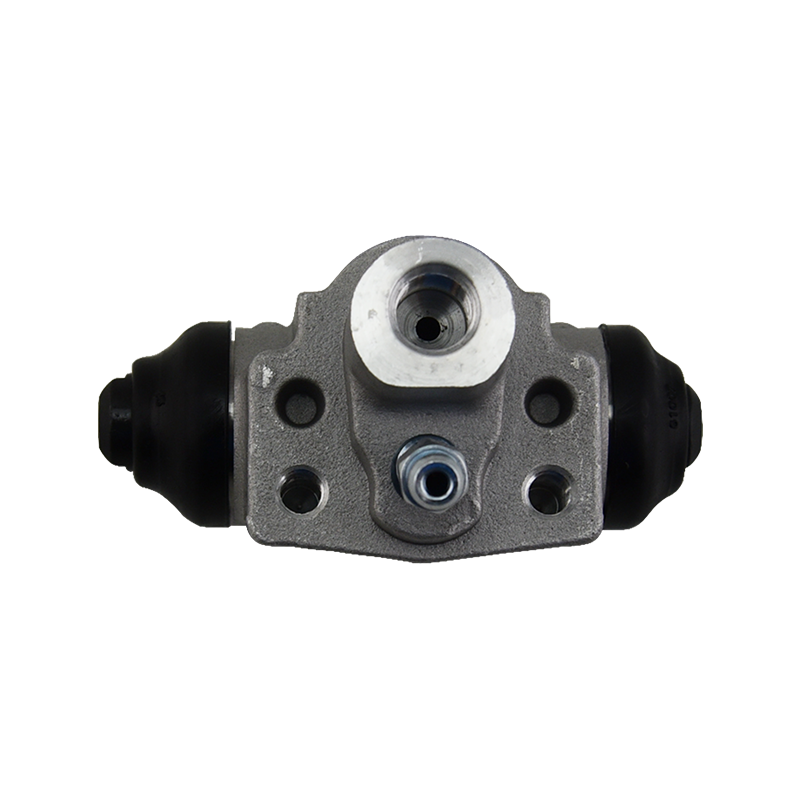
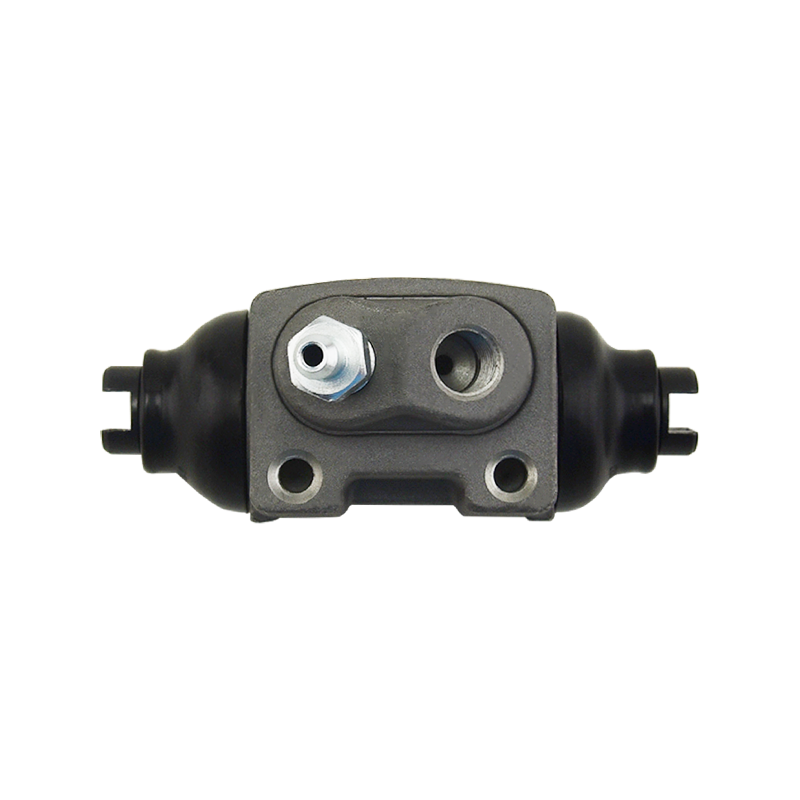
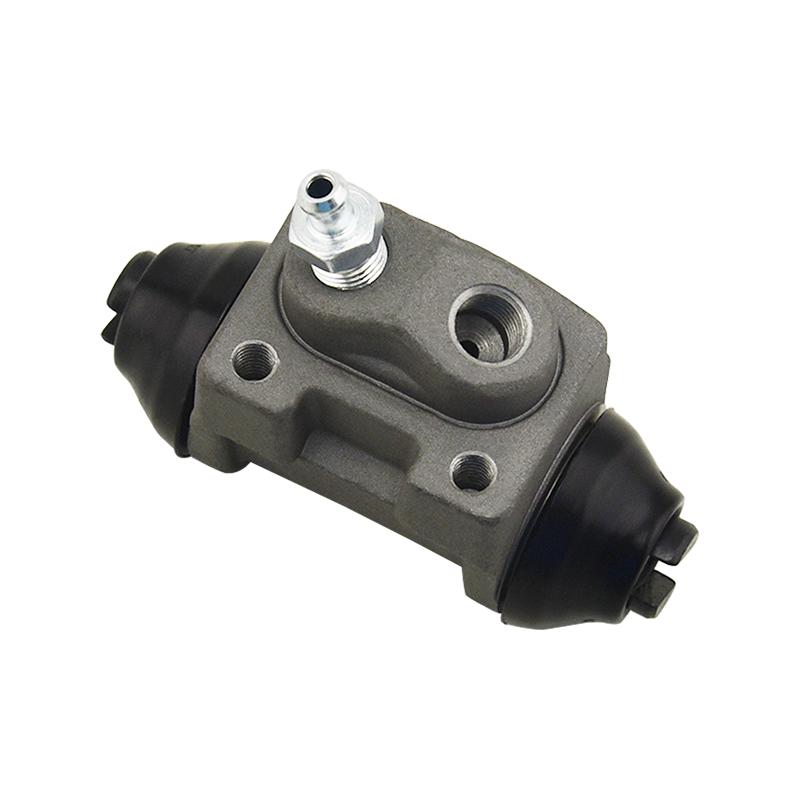
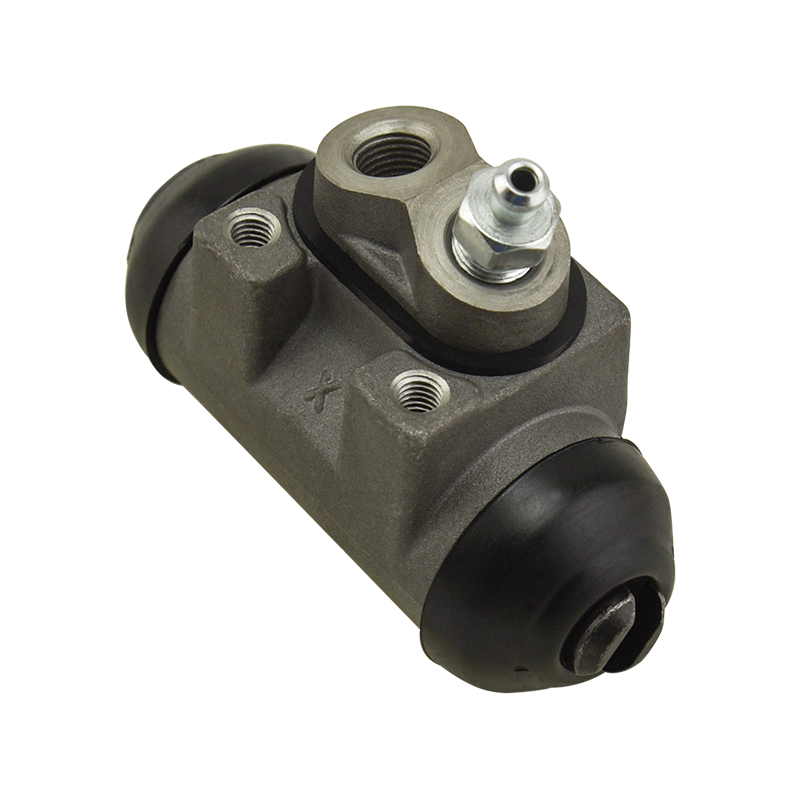
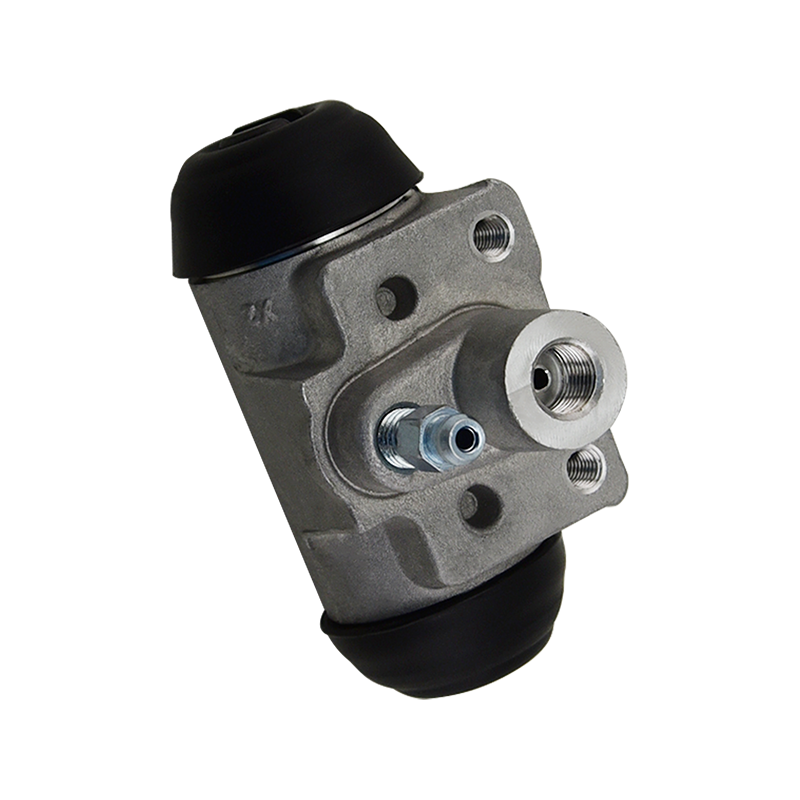

Yancheng Yanitiger Auto Parts Co., Limited is an Automotive Brake Wheel Cylinder Manufacturer based in Yancheng, Jiangsu, China. We supply brake wheel cylinders, clutch slave cylinders, and related hydraulic components for the global automotive aftermarket and OEM/ODM programs. Our brake wheel cylinder and clutch slave cylinder catalog contains more than 2,500 reference numbers, covering more than 70% of overseas vehicle models across European, American, Japanese, Korean, and Russian platforms.
The same production system that makes wheel cylinders also produces clutch slave cylinders, brake master cylinders, calipers, and brake pads. That shared manufacturing base allows us to combine low MOQs with high-mix orders, so distributors can fill catalog gaps without committing to large volumes of a single reference.
Brake Wheel Cylinder Function and Application Fit
A brake wheel cylinder receives hydraulic pressure from the brake master cylinder and converts it into linear force that pushes the brake shoes outward against the drum. It is the hydraulic actuation component on drum brake axles, commonly used on rear axles of passenger cars, light vans, and SUV platforms.
Correct bore diameter, piston stroke, mounting center distance, port thread, and bleed screw orientation are what determine whether the cylinder fits the backing plate and produces balanced braking. Our range is organized around OE reference numbers and dimensional verification rather than generic size classes.
Our Brake Wheel Cylinder Range and Positioning
We supply wheel cylinders as standard replacement references and as custom-developed parts for branded aftermarket programs. The range is intended for customers who need reliable daily-driver replacement coverage, as well as for distributors building a complete brake system program.
Aftermarket Replacement
OE-reference-matched wheel cylinders for passenger cars and light trucks, with batch sizes that support regional distributor stock and catalog fill.
OEM/ODM Development
Development from drawings, samples, or technical parameters, with custom logo marking, laser marking, and customer-specific packaging.
Flexible Batch Supply
Typical wheel cylinder MOQs start at 10, 20, or 30 pieces depending on model, while high-volume production and high-mix low-volume orders are both supported.
Our group has developed more than 7,000 hydraulic product models and more than 1,000 brake shoe and brake pad references. That breadth gives procurement teams a single factory source for wheel cylinders, master cylinders, slave cylinders, calipers, and pads.
Specification Review and Configuration Approach
When you send an OE part number or a sample, our engineers confirm the hydraulic working point before we quote. We do not rely only on a picture or a model name; the proposal is built around the specific cylinder configuration required for the vehicle and brake layout.
- Bore diameter and piston travel, matched to the master cylinder output and drum brake geometry.
- Mounting center distance, bolt pattern, and locating features for the backing plate.
- Hydraulic port thread type, shape, and orientation for the brake line and bleed screw.
- Body configuration, including single or twin bleeder positions for the axle layout.
- Surface finish, logo marking, and packaging language for the destination market.
Manufacturing Strength and Quality Control
Our production system includes casting, machining, and surface treatment lines, plus a fully automatic shell-making line and four heat-treatment lines. Annual precision casting capacity is above 20,000 tons. That vertical integration gives us direct control over material quality and dimensional consistency from raw casting to finished wheel cylinder.
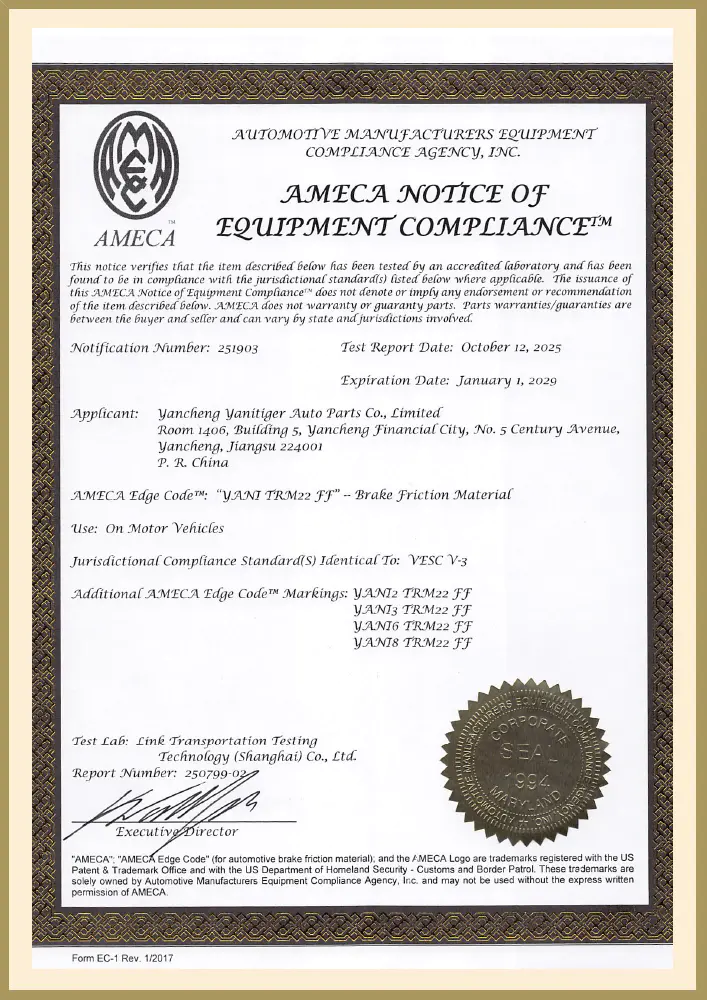
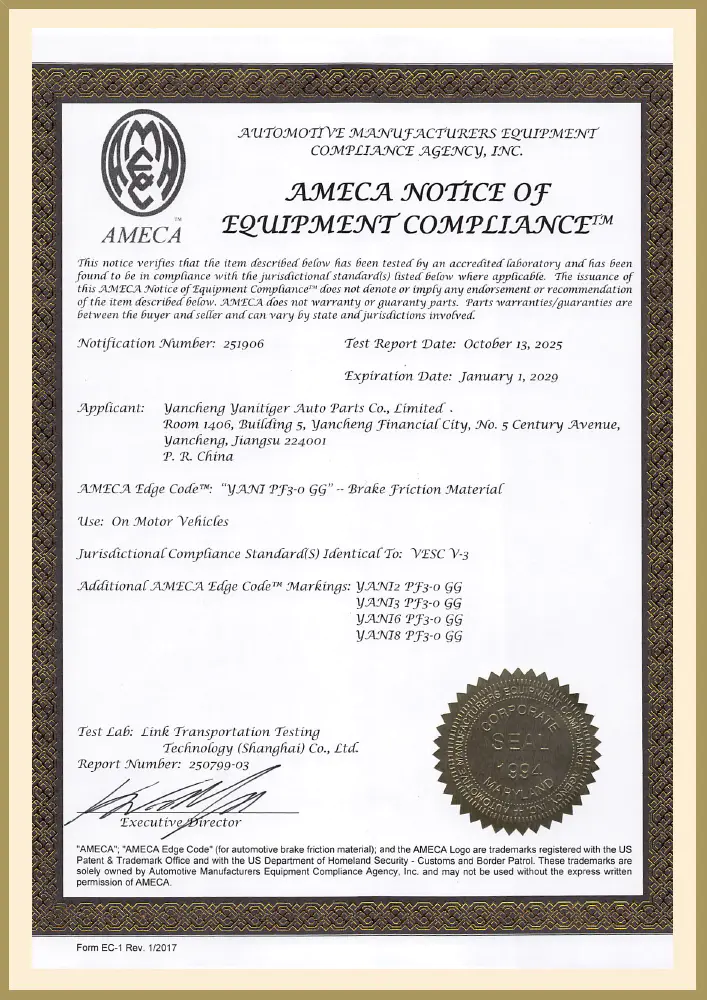
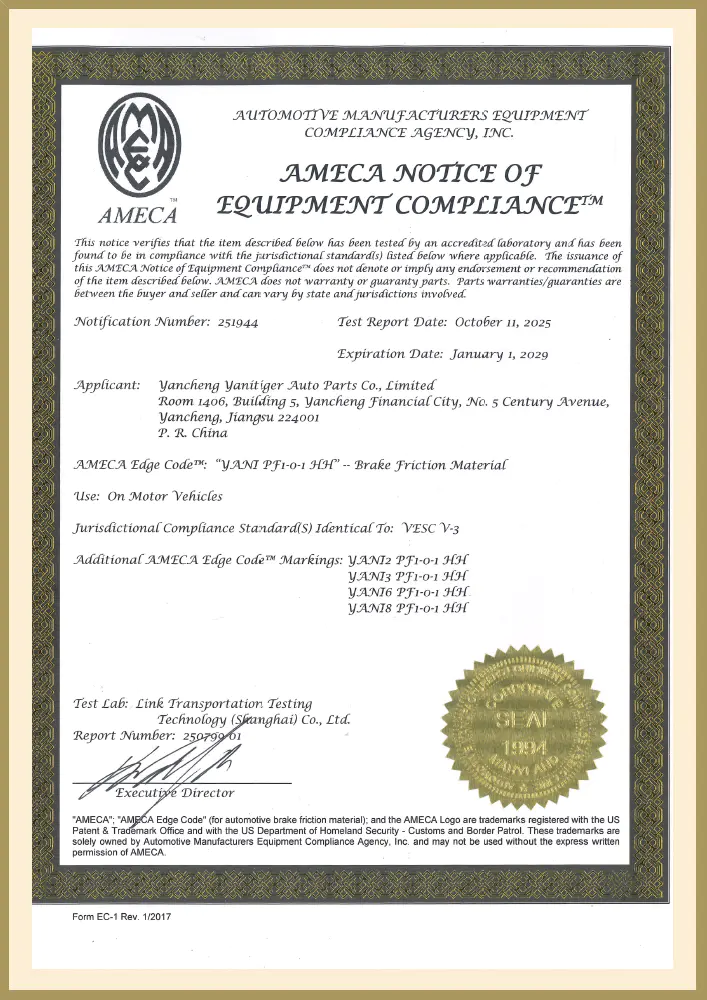
The factory operates under ISO 9001 and IATF 16949 automotive quality management systems. Core brake wheel cylinder products carry E-MARK R90 and AMECA compliance evidence for European and North American market access. In-process inspection is performed after each manufacturing stage, and finished products receive 100% final inspection according to customer requirements and international standards.
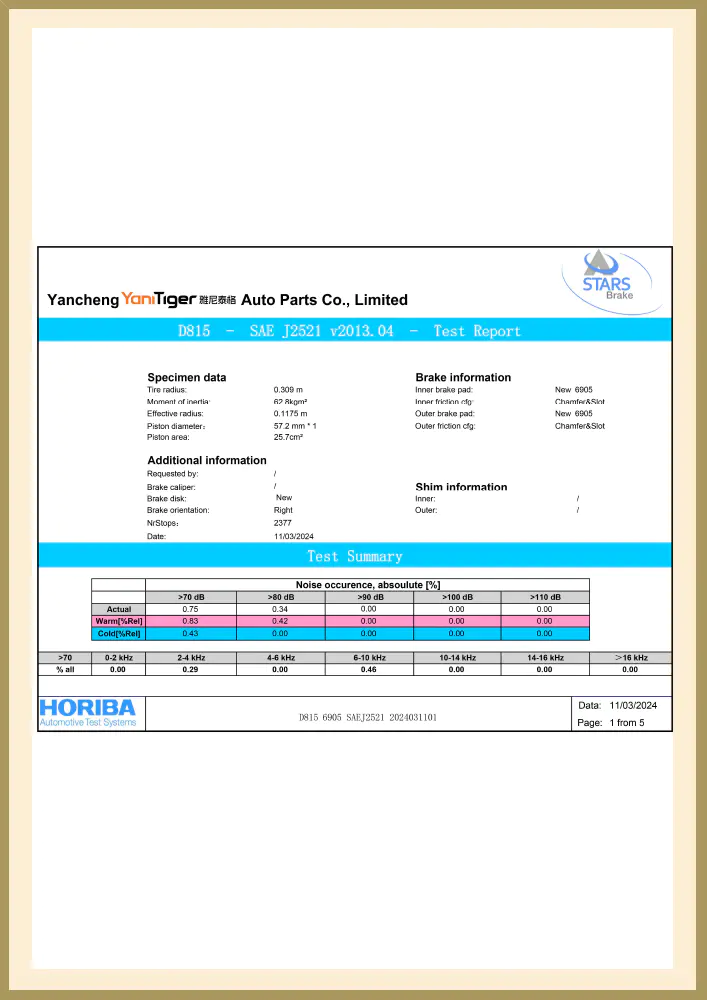
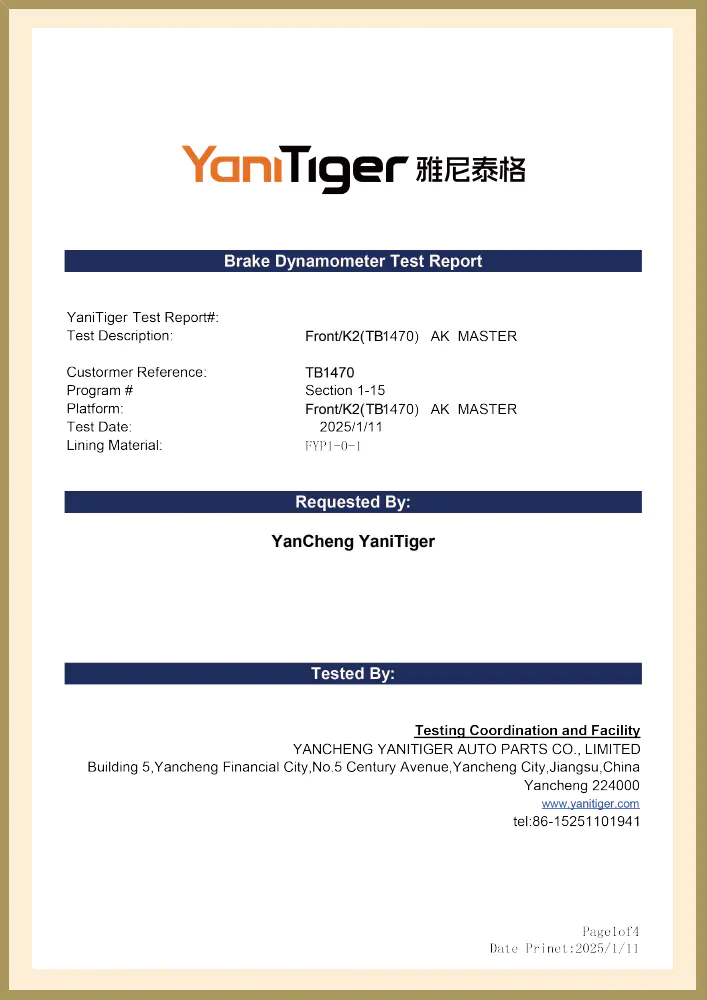
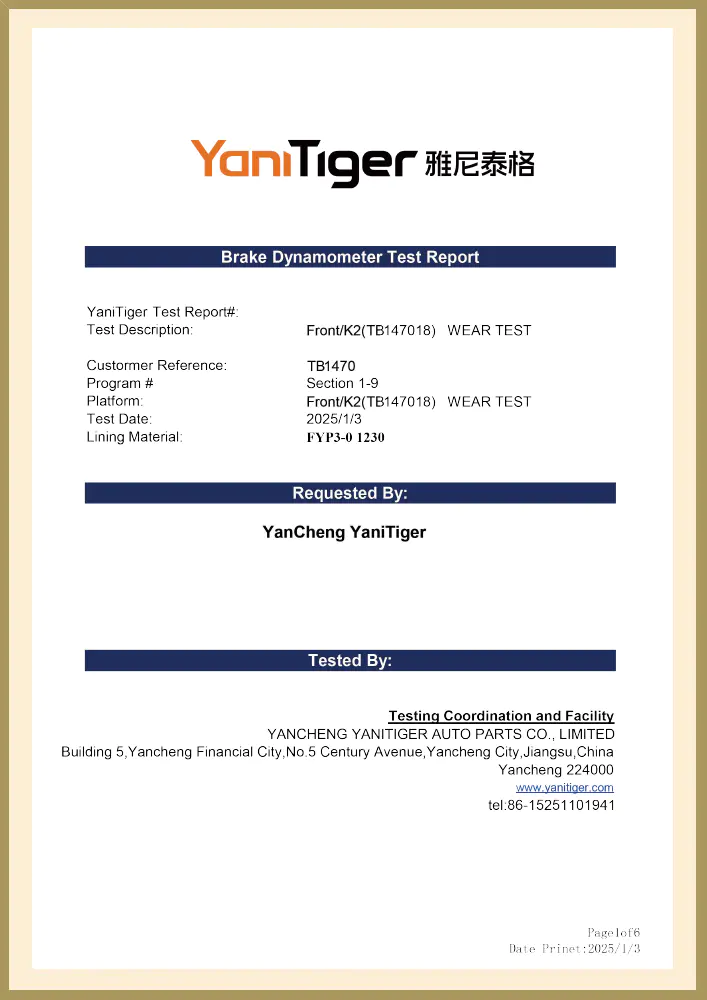
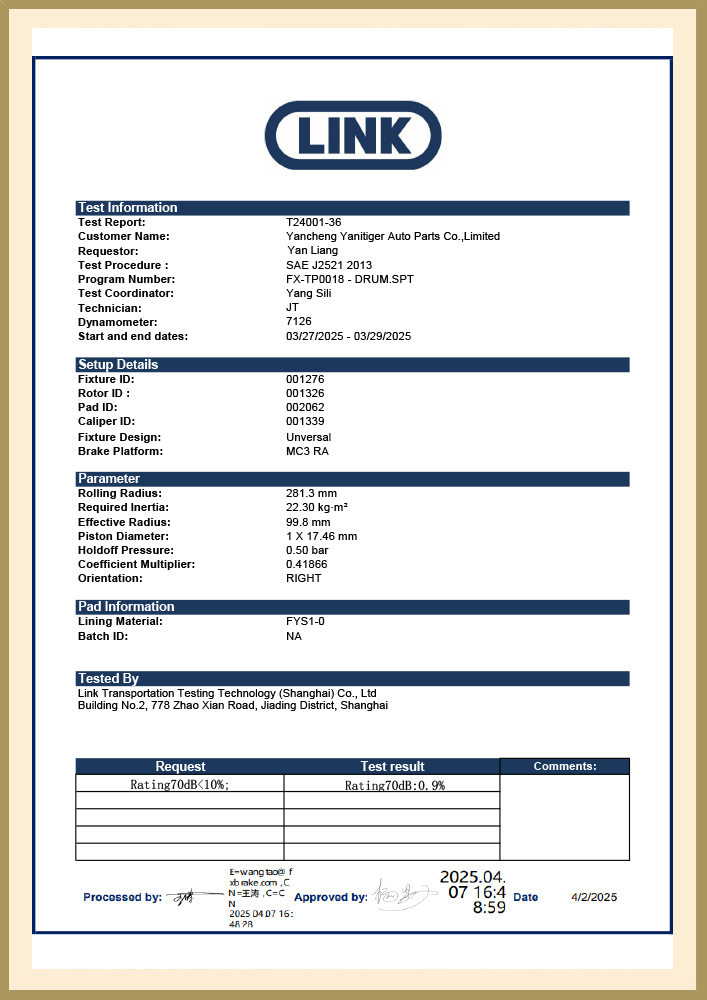
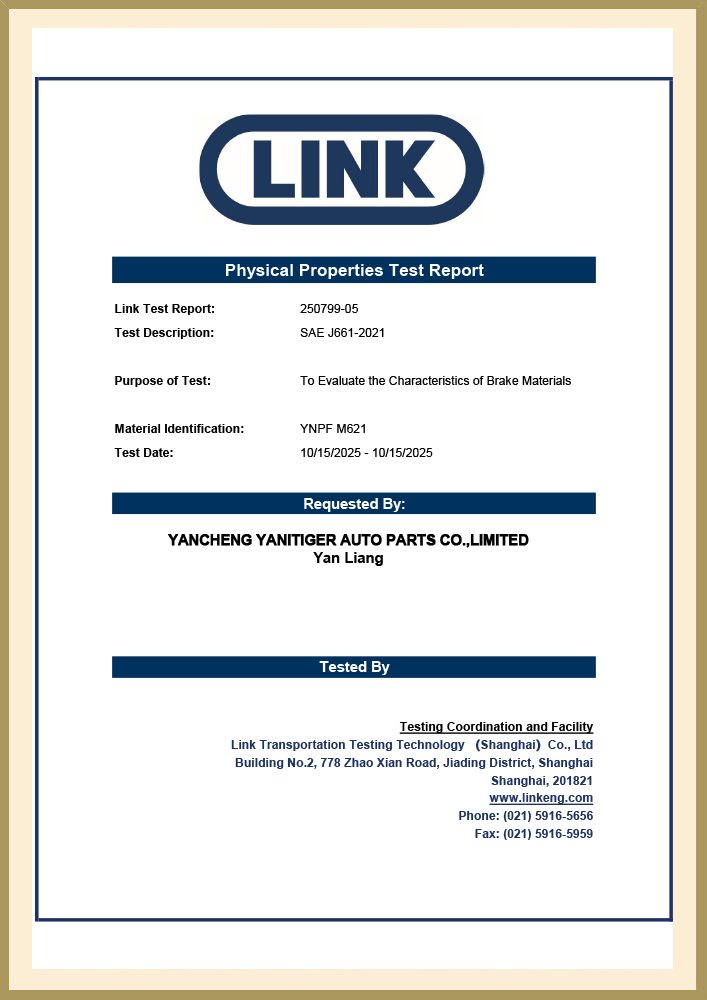
Our laboratories use spectrometers, coordinate measuring machines, and X-ray flaw detectors to monitor chemical composition, mechanical properties, non-destructive testing, and geometric dimensions. Test reports and certificate documentation can be supplied with the relevant order reference.
Samples, Ordering, and Delivery Scope
Standard brake wheel cylinder samples are free, with domestic shipping included. International sample delivery is usually arranged by DHL or UPS, and sample preparation normally takes 15–30 days. For custom products, a sample fee may apply and is generally refundable after the formal order is confirmed.
Batch lead time is normally within 90 days after order confirmation, depending on product and quantity. We accept T/T and L/C, and support common trade terms including FOB, CIF, and EXW. Shipments can be arranged by sea, air, or international courier based on the urgency and destination.
Information We Use to Configure Your Solution
To avoid fitment errors and speed up quotation, our engineers use the project data below. Supplying this information with the initial inquiry lets us confirm the correct reference and production route in the first response.
| Project data | Why it matters |
|---|---|
| Vehicle make, model, year, and axle position | Confirms the correct reference family and mounting dimensions. |
| OE part number or physical sample | Allows direct cross-reference and dimensional verification. |
| Drum brake details: shoe width, drum internal diameter, backing plate | Confirms bore size and piston travel for braking balance. |
| Hydraulic connection and bleed screw orientation | Ensures the brake line fits without rerouting. |
| Required quantity, packaging, and branding | Defines MOQ, carton design, and OEM/ODM scope. |
For the full hydraulic component range, see Automotive Hydraulic System Manufacturer. Related actuation products include Custom Auto Hydraulic Brake Master Cylinder Manufacturer.
Installation, Maintenance, and Project Support
Our technical support covers product selection, installation guidance, performance evaluation, and after-sales troubleshooting. For drum brake service, we recommend replacing wheel cylinders in axle pairs and thoroughly bleeding the hydraulic circuit after installation.
- Inspect drum inner diameter and shoe lining before fitting new cylinders.
- Use the specified brake fluid and torque the hydraulic fitting according to the vehicle repair procedure.
- Keep rubber dust boots clean and confirm the bleeder screw is closed before pressure testing.
- Report leakage or bore scoring with photos for failure analysis; our after-sales process coordinates replacement or compensation when a quality issue is confirmed.
Distributor programs can include product selection assistance, technical documentation support, order tracking, rapid quality issue response, and after-sales technical support. Custom packaging, logo marking, and container-level mixed reference orders are part of our normal supply scope.
Frequently Asked Questions
Are you a brake wheel cylinder manufacturer in China? Yes. Yancheng Yanitiger Auto Parts Co., Limited is a manufacturer with in-house casting, machining, and surface treatment lines. We supply brake wheel cylinders and clutch slave cylinders in more than 2,500 catalog references covering more than 70% of overseas vehicle models.
Do you support OEM branding and custom development? Yes. We operate as a Brake Wheel Cylinder OEM supplier and aftermarket manufacturer. We can develop products from drawings, samples, or technical parameters, provide laser-marked logos, and design custom packaging. Custom product samples may carry a fee that is usually refundable after a formal order.
What is the MOQ for brake wheel cylinders? Typical wheel cylinder MOQs start at 10, 20, or 30 pieces depending on the model and program. We also accommodate high-volume production and high-mix low-volume orders for distributors and assemblers.
What quality certifications apply to your wheel cylinders? Our production system follows ISO 9001 and IATF 16949. Core products carry E-MARK R90 and AMECA evidence, and final inspection is performed on 100% of finished products.
What delivery terms and lead times do you offer? We support FOB, CIF, and EXW, with shipment by sea, air, or international courier. Payment is normally by T/T or L/C, and standard lead time is within 90 days after order confirmation depending on product and quantity.
Related Products and Categories
Our portfolio also includes Custom Auto Brake Pads Supplier for applications with different operating ranges, interfaces or integration requirements.