
 en
en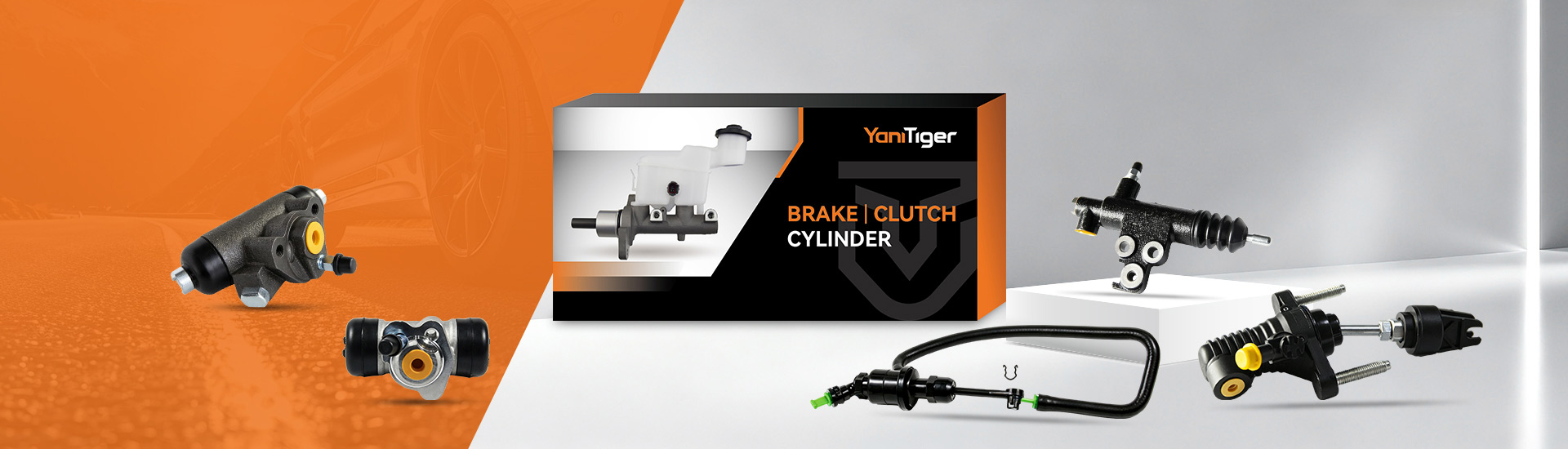

Brake System Accessories and Repair Kits from the Same Factory Floor
Yancheng Yanitiger Auto Parts Co., Limited is a global auto brake parts supplier in China and an experienced Automotive Brake Components Manufacturer. The Other Accessory line covers the repair kits and hydraulic component accessories that support brake and clutch actuation systems throughout their service life.
Our product programme currently includes more than 7,000 hydraulic product models and over 1,000 brake shoe and brake pad references for European, American, Japanese, Korean and Russian vehicles. For distributors, workshops and aftermarket brands, the advantage is simple: master cylinders, wheel cylinders, calipers, clutch cylinders, friction materials and the repair kits needed to rebuild them can come from the same factory.
Product Scope and Application Fit
The Other Accessory category sits under our Hydraulic System product family. While the main product pages describe complete cylinder assemblies, this range carries the service-sensitive parts that make in-field rebuilds reliable.
Application fit is defined by the hydraulic assembly type and vehicle platform. A repair kit for a brake master cylinder does not interchange with a clutch master cylinder kit, even when the bores look similar. We therefore match kits by cylinder family, bore size and port configuration, not by model name alone.
| Accessory product group | Where it fits | Typical service scope |
|---|---|---|
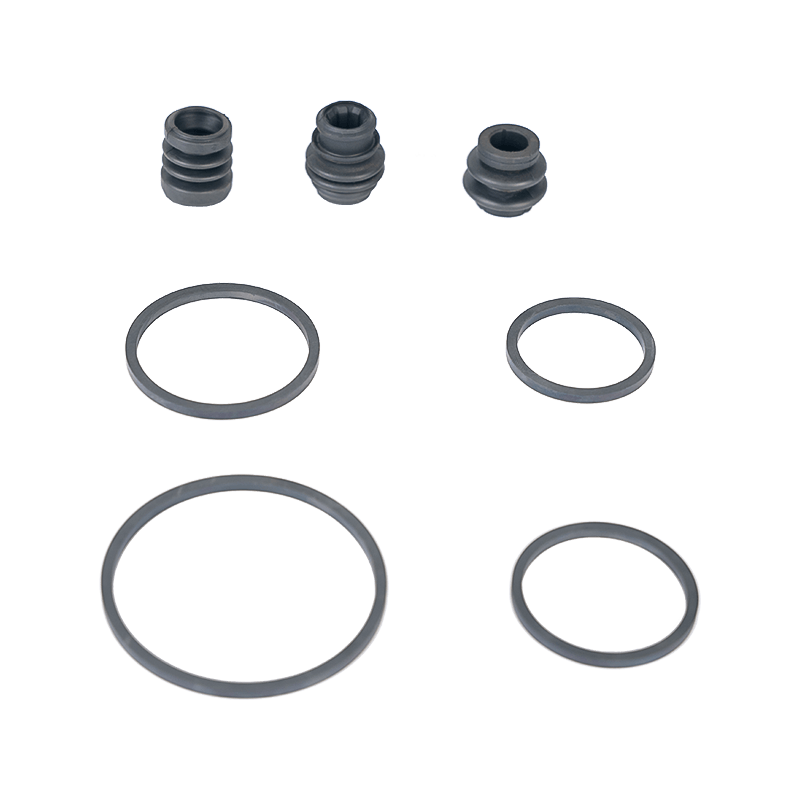
| Brake master cylinder repair kits | Single-circuit and tandem master cylinders | Seals, cups, springs, retaining parts and bleed-related components for a serviceable bore |
| Brake wheel cylinder repair kits | Drum brake wheel cylinders | Wheel cylinder cups, dust seals and bleed screw components |
| Caliper service accessories | Disc brake calipers | Piston seals, dust boots and slide hardware for caliper overhaul |
| Clutch actuation repair kits | Clutch master and slave cylinders | Seals, dust boots and pushrod-related components for clutch hydraulic service |
For modified vehicles and custom braking systems, we can also provide accessory sets that are not in the standard catalogue. Tell us the cylinder type, existing brake line interface and performance target, and we will work from drawings, samples or technical parameters. On the clutch side, we operate as a clutch system components manufacturer, supplying clutch master and slave cylinders and their service kits.
Critical Specifications We Confirm Before Quoting
A repair kit must match the exact hydraulic envelope of the cylinder. Before we prepare a configuration, we confirm:
- Bore diameter: metric or inch, for example 25.4 mm (1″) for certain brake master cylinder references.
- Port style: M10/M12 thread, banjo fitting or hose connection, plus reservoir inlet position for master cylinders.
- Seal material: compatible with the specified brake fluid grade and operating temperature range.
- OEM part number: decisive when a cylinder family uses application-specific internal components.
For a rebuild, the cylinder bore must be within specification. If the bore is pitted, scored or oval, new seals will not create a durable seal; a replacement cylinder is the correct solution. We flag this during product selection so you do not order a kit for a cylinder that should be replaced.
OEM/ODM Configuration, Private Label and Packaging
Our factory supports OEM and ODM programmes. We develop new products from drawings, samples or technical parameters, and we offer logo laser marking plus custom packaging for distributors and aftermarket brands. That is how OEM brake parts private label programmes are handled without a second packaging supplier.
Within the Other Accessory range we can structure a kit around your part number, include an installation leaflet, and box it in your design. When the same service job also needs friction material, our Custom Auto Brake Pads Supplier range covers semi-metallic and ceramic brake pad references.
Ordering terms are set for global distribution:
- Standard samples are free, with free domestic shipping; international courier charges may apply to certain destinations.
- Custom sample preparation typically takes 15–30 days; samples ship by DHL or UPS.
- Low MOQs across hydraulic products: brake master cylinders 4/6/10/20, clutch master cylinders 20, brake wheel cylinders 10/20/30, clutch slave cylinders 20/30, brake pads 50–100 sets.
- Payment by T/T or L/C; delivery by sea, air or courier under FOB, CIF or EXW.
These terms support aftermarket brake parts wholesale programmes that need steady restocking without overcommitting warehouse space.
Quality Control and Compliance Evidence
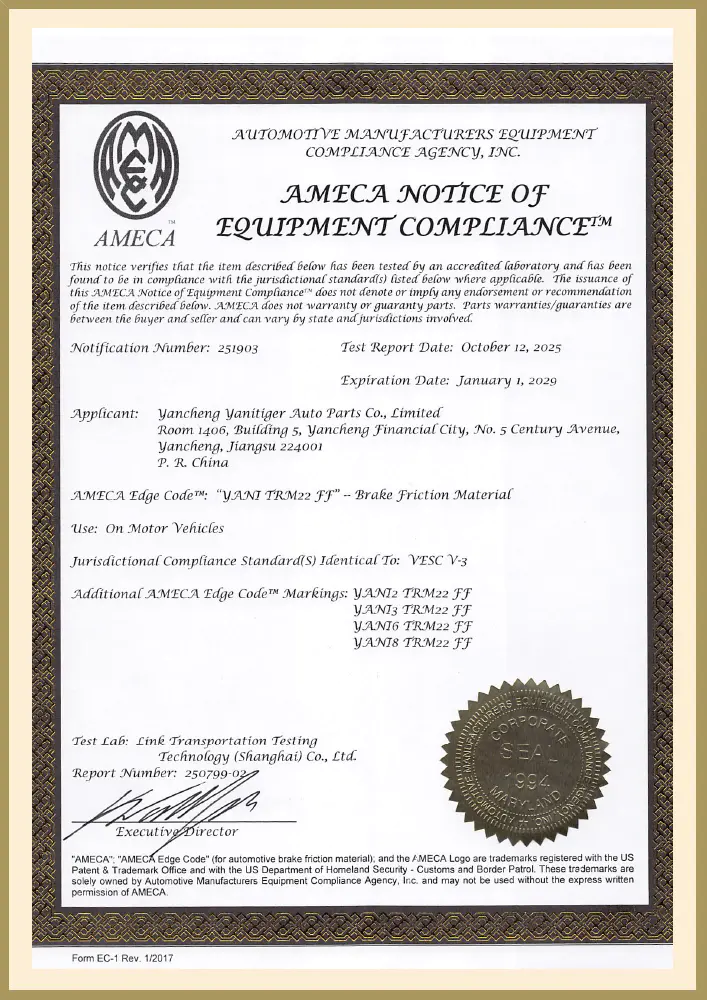
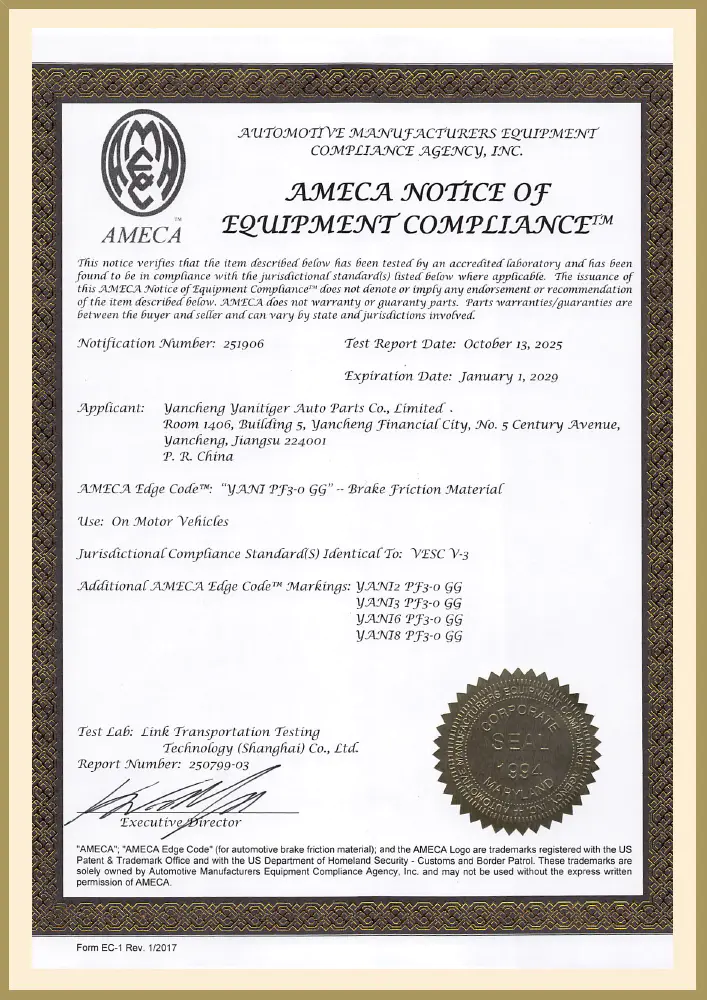
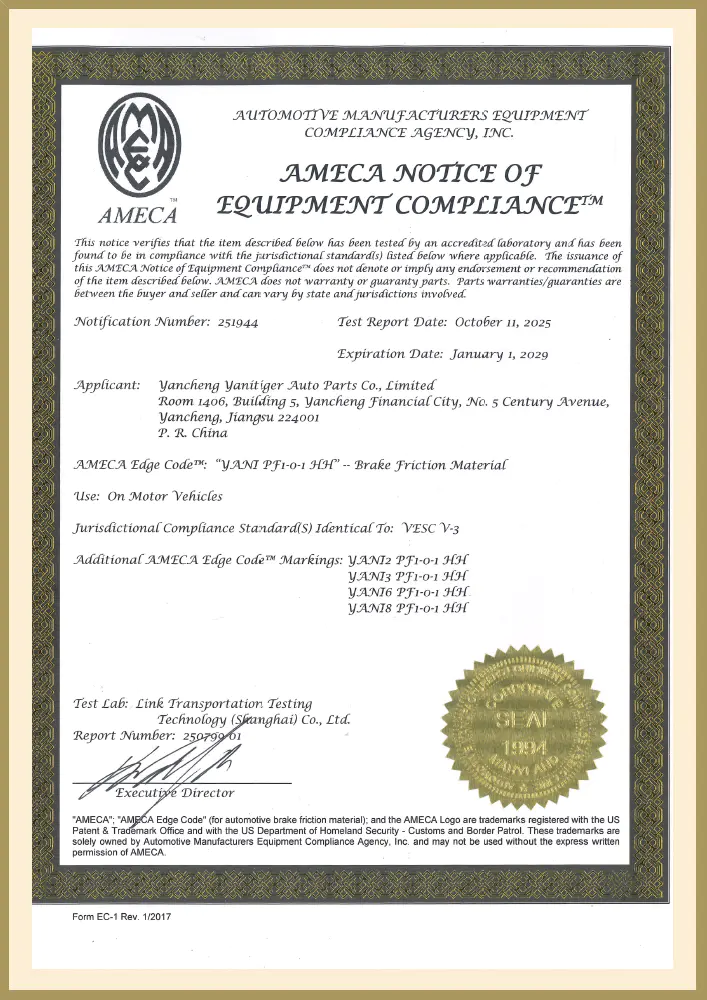
Yanitiger is a brake parts factory operating under ISO 9001 and IATF 16949 quality management systems. Core brake components hold E-MARK R90 and AMECA certification, which are recognised access documents for many overseas brake part markets.
- In-process inspection after each production step.
- 100% final inspection of finished parts.
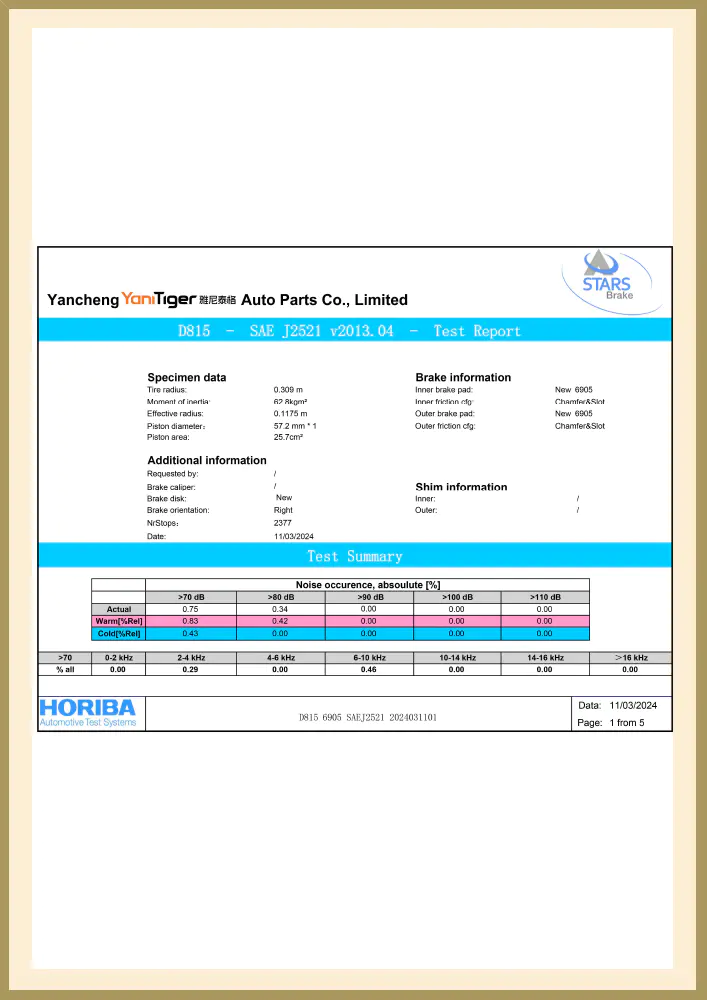
- Laboratory support with spectrometers, coordinate measuring machines and X-ray flaw detectors.
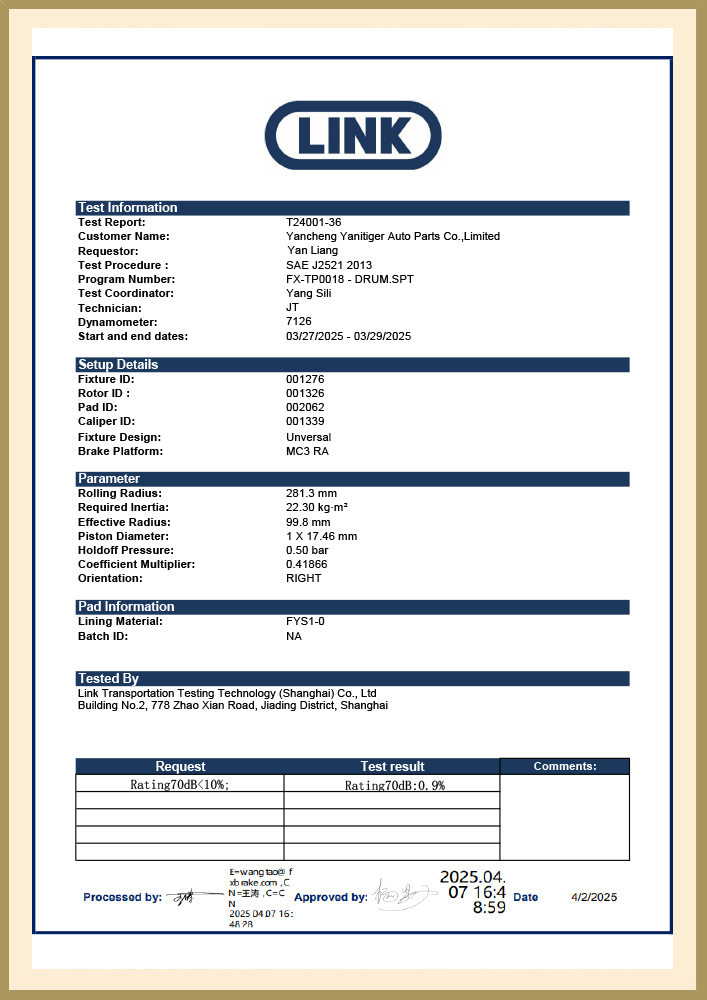
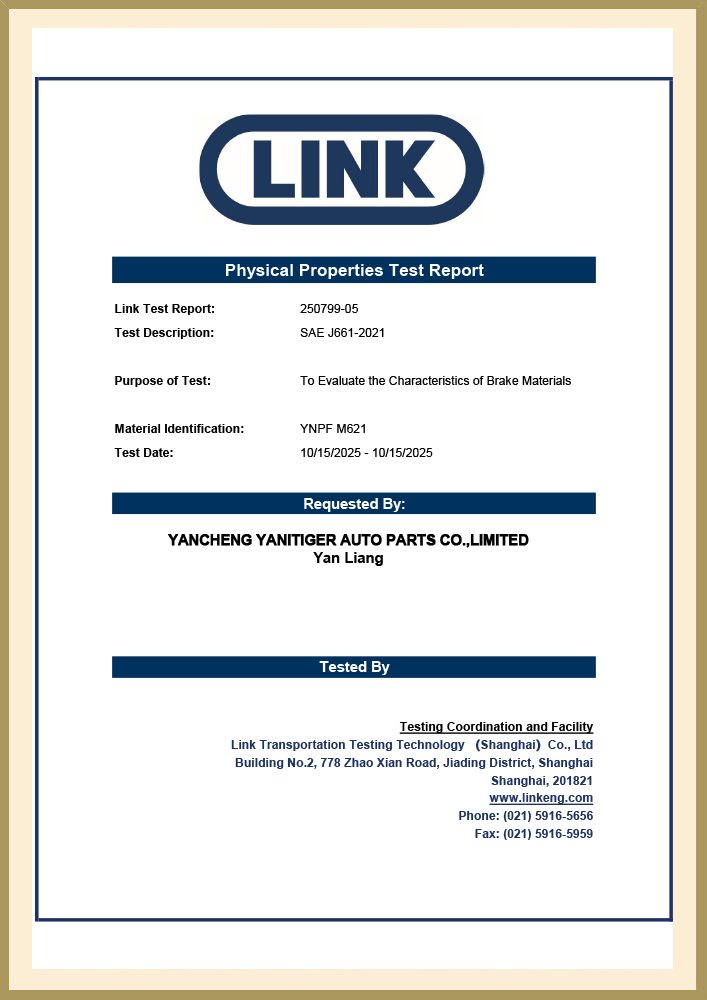
- Batch test reports retained and available with quotation or shipment documentation.
Installation, Maintenance and Technical Support
Technical support starts at product selection and continues after installation. We provide installation guidance, troubleshooting support and after-sales coordination for quality issues, with warranty terms stated in the contract.
From a workshop perspective, a repair kit is only as effective as the parts around it. Before fitting, inspect the cylinder bore, clean all fluid passages and replace the complete set of deformable rubber components. Do not reuse old seals or mix seal families from different cylinder types.
- Use fresh brake fluid of the specified grade and bleed the circuit completely after service.
- Apply the vehicle manufacturer’s torque values to banjo bolts and bleed screws.
- Handle brake fluid carefully; it can damage painted surfaces and must be disposed of correctly.
Information We Use to Configure Your Solution
Our quotation and sample planning are based on the working point. For each Other Accessory requirement, include the following in your RFQ:
- Vehicle make, model, year and platform if available.
- OEM part number, drawing or the original component.
- Cylinder bore size, port thread and inlet position.
- Brake fluid specification (DOT3, DOT4, DOT5.1 or customer standard).
- Annual volume, order frequency and packaging preference.
- Destination market certification or registration requirements.
- Private-label artwork and marking instructions.
With these data we confirm the kit configuration, sample timing, MOQ and mass-production lead time before issuing the formal quotation. For a new reference, the acceptance sequence can be structured as sample approval, pre-production inspection and then mass production.
Related Hydraulic Components
Because our Automotive Hydraulic System Manufacturer line includes brake master cylinders, wheel cylinders, brake calipers, clutch master cylinders and clutch slave cylinders, the Other Accessory range is always ordered against a complete application. This avoids the mismatch that occurs when kits and cylinders come from different sources.
Frequently Asked Questions
What does a typical repair kit in the Other Accessory line include?
We supply the service-critical components for the hydraulic assembly, including seals, cups, springs and related hardware, matched by cylinder family and bore. Send the OEM part number or original part so we can confirm the exact configuration.
How do I identify the correct repair kit?
Vehicle model is a starting point, but the decisive data are the cylinder bore, port configuration and OEM reference. A clear photo or sample helps us avoid the wrong seal family.
Do you support independent aftermarket brands and private labels?
Yes. We support OEM and ODM development with logo laser marking and custom packaging. This is our standard operating model for aftermarket brake parts wholesale programmes.
What quality certifications apply to these components?
Our quality management systems are certified to ISO 9001 and IATF 16949, and core brake components carry E-MARK R90 and AMECA. Batch test reports are available with shipments.
What are your sample terms?
Standard samples are often free. Custom samples may carry a fee that is refundable after a formal order, and custom sample preparation generally takes 15–30 days.
Can I order repair kits together with master cylinders and brake pads?
Yes. Because we manufacture the hydraulic cylinder families as well as the repair kits, a single factory order can include the complete service set. Our OEM/ODM Automotive Clutch Master Cylinder Manufacturer range is a direct counterpart for clutch-side requirements.