
 en
en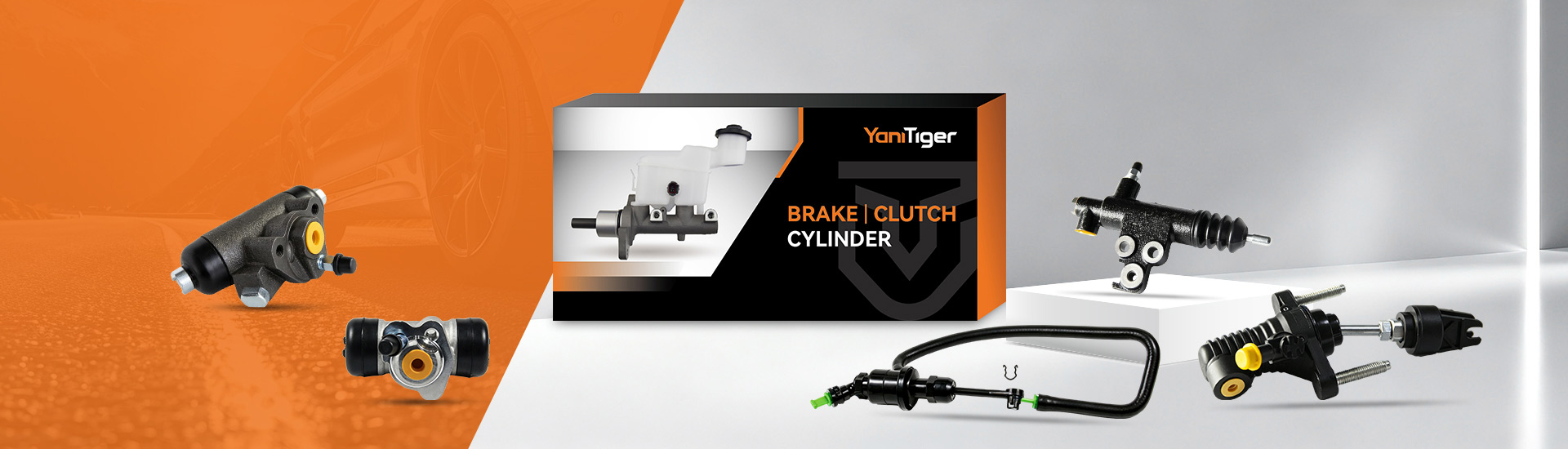
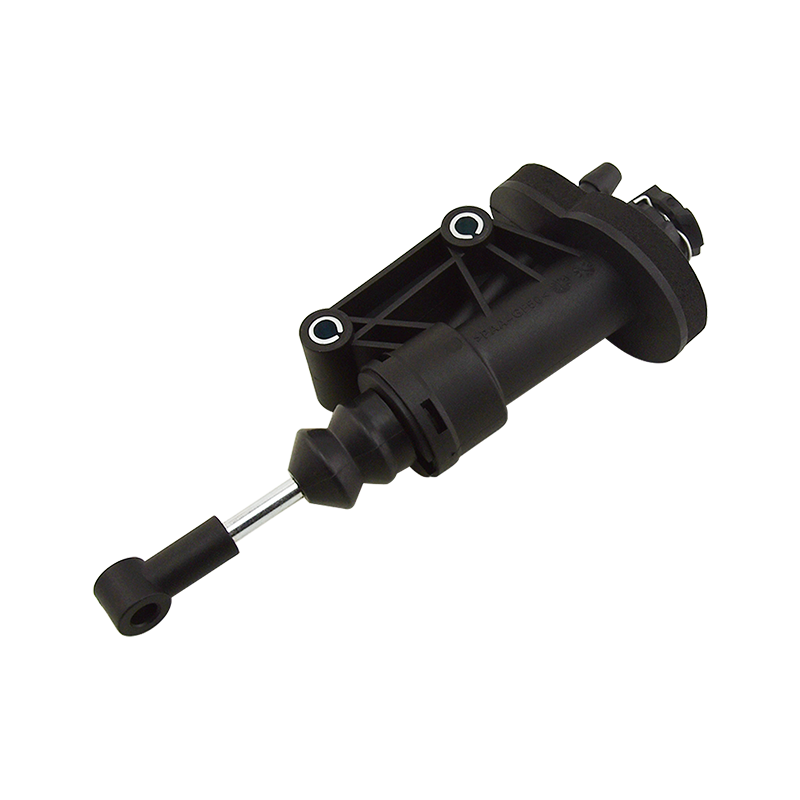
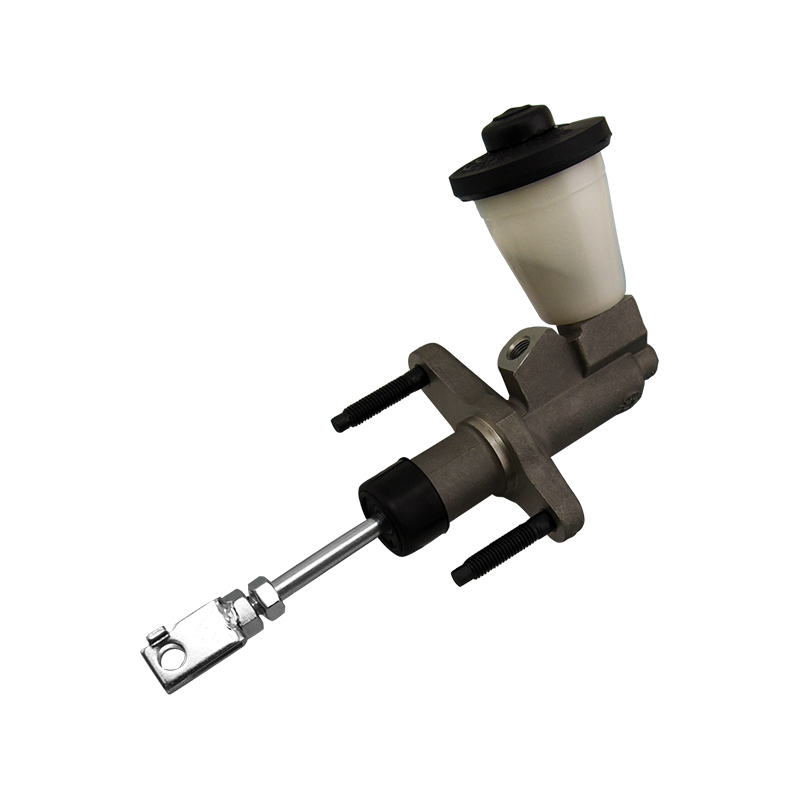
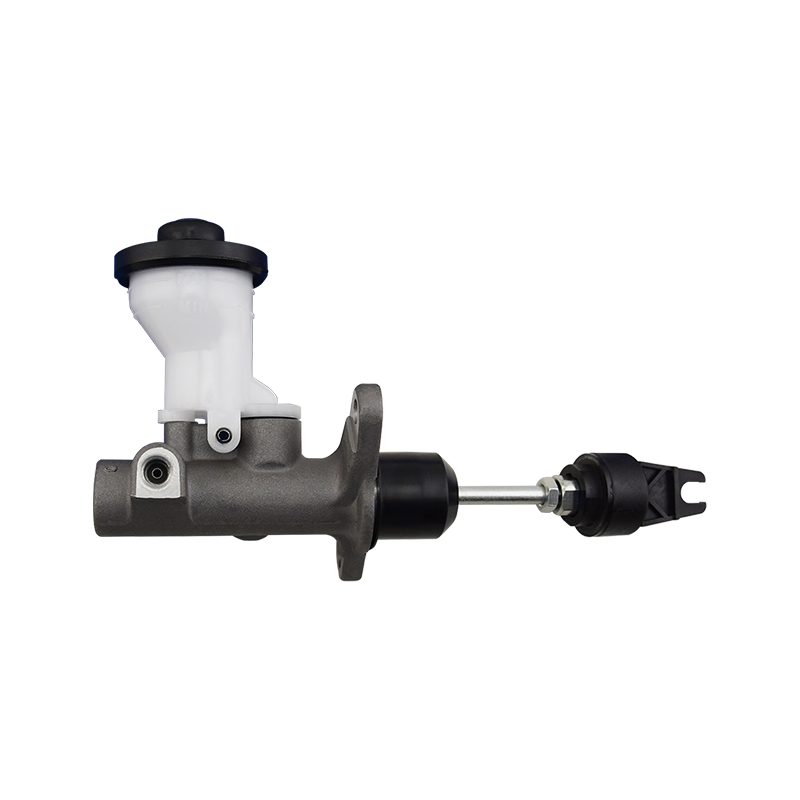
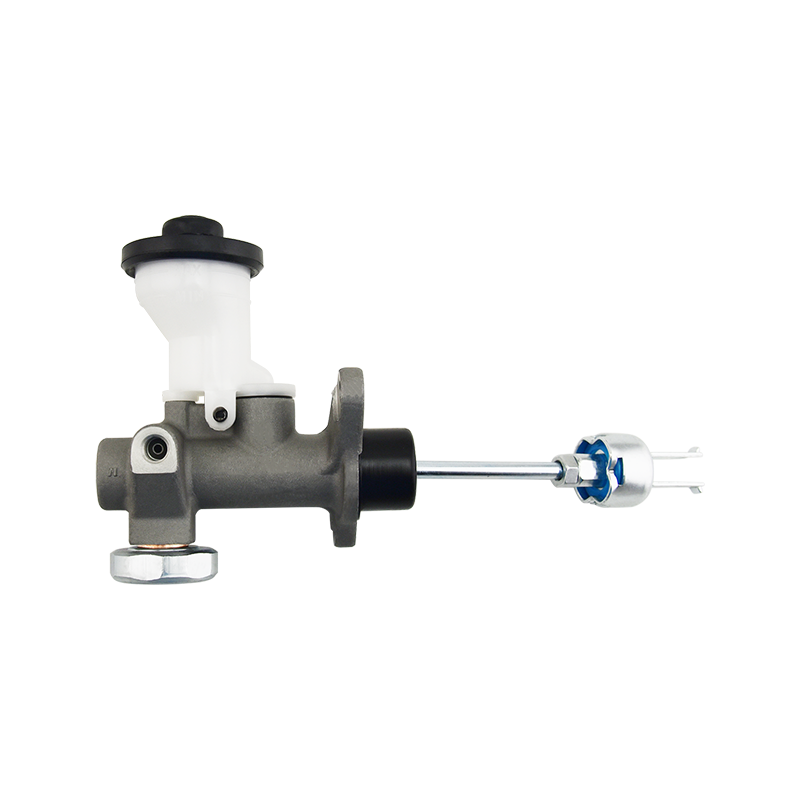
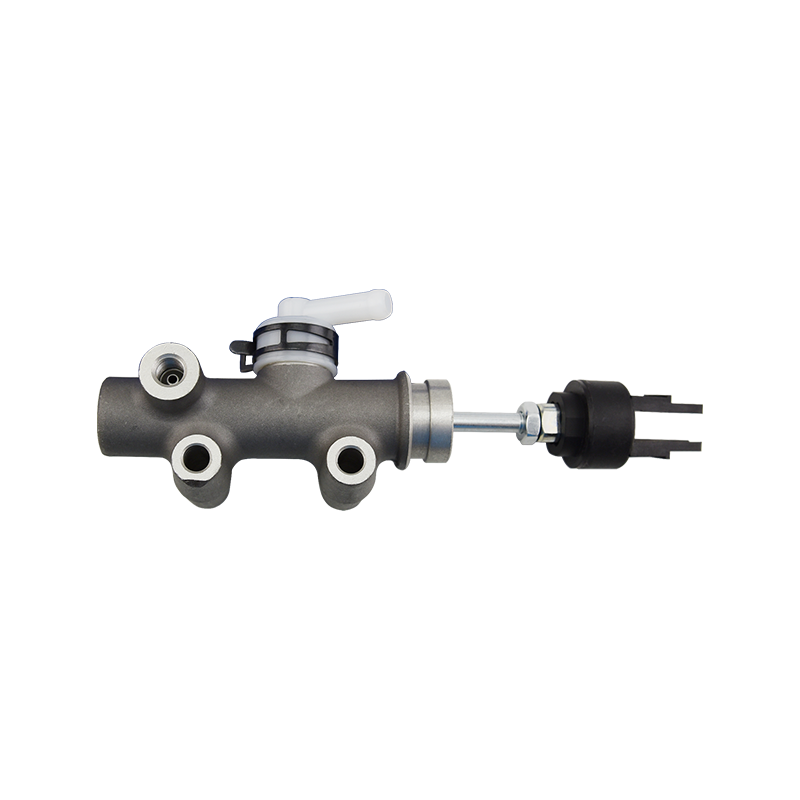
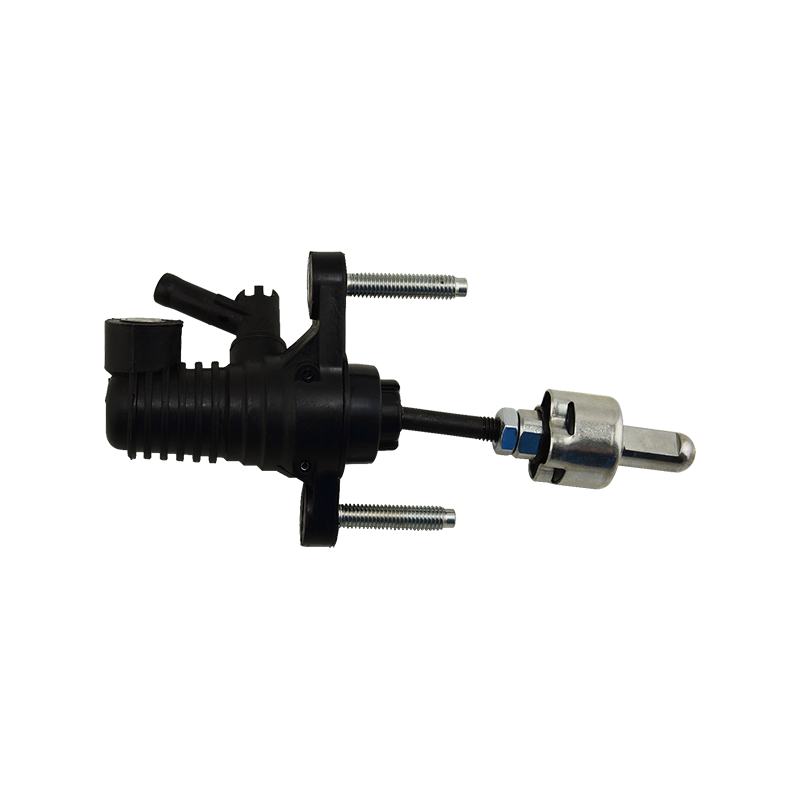
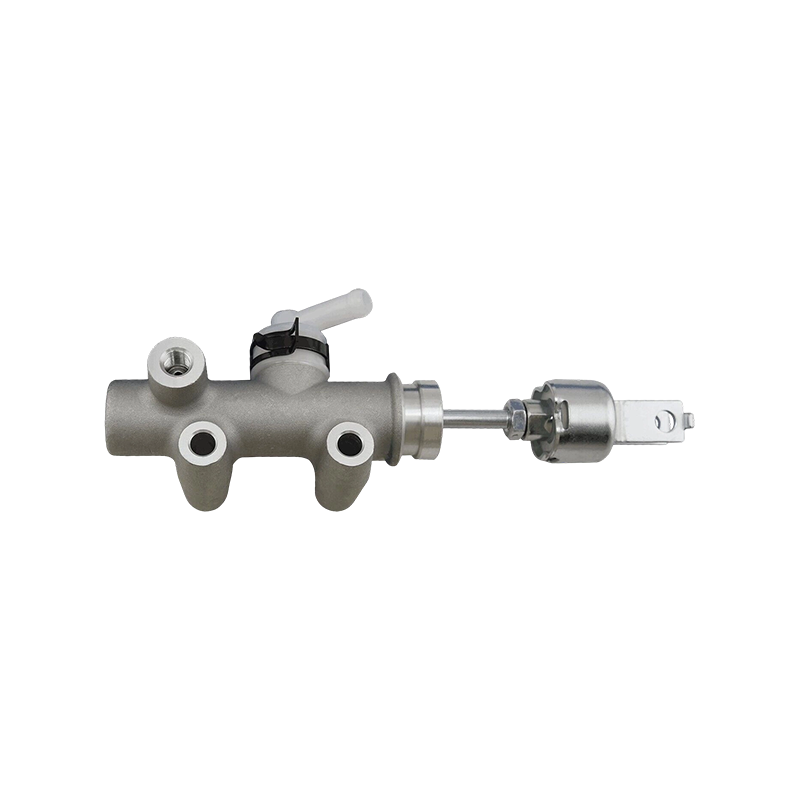
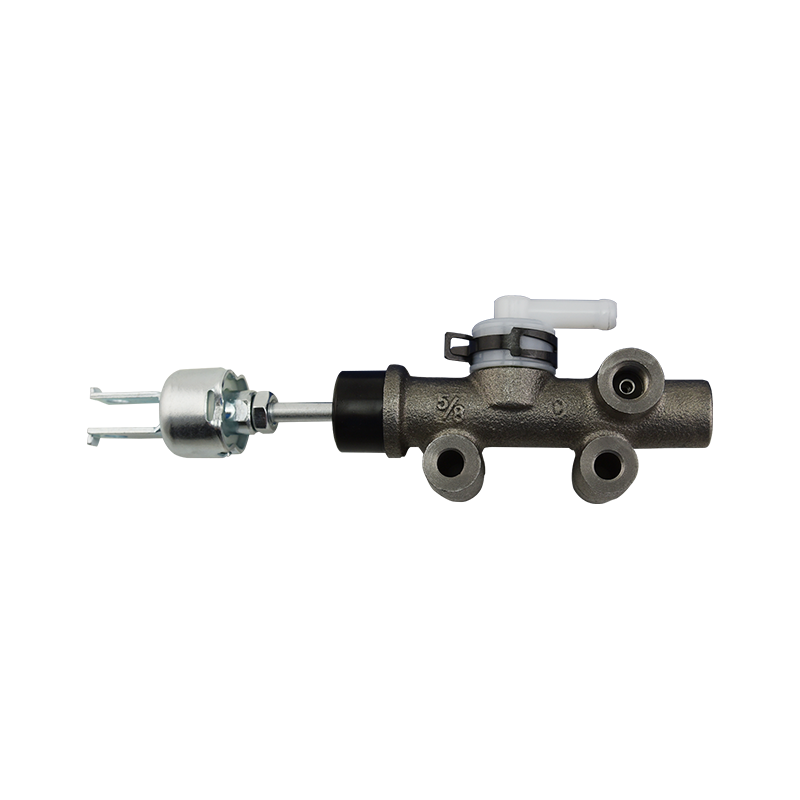
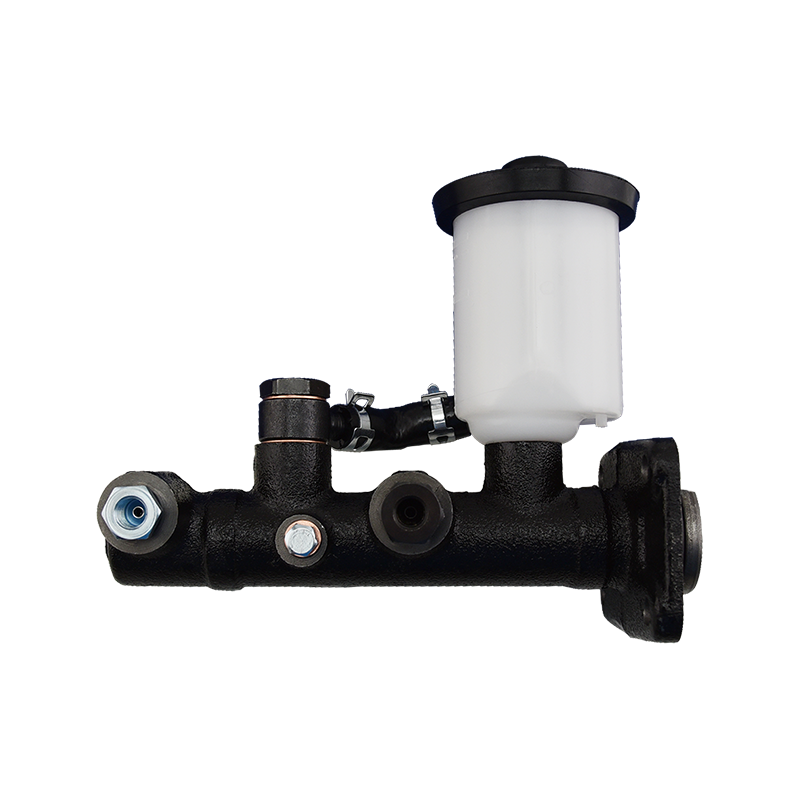
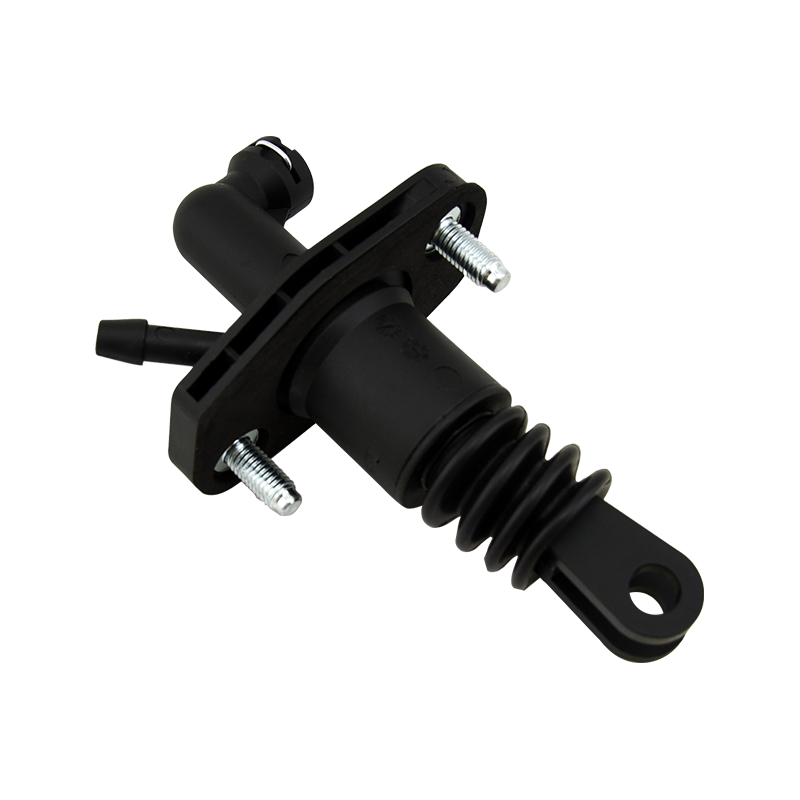
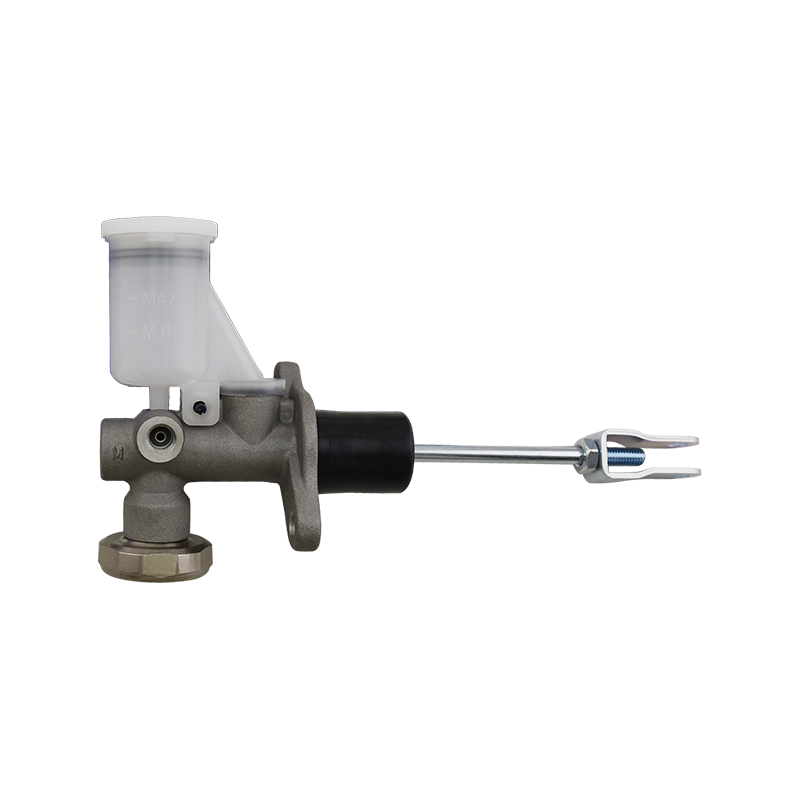
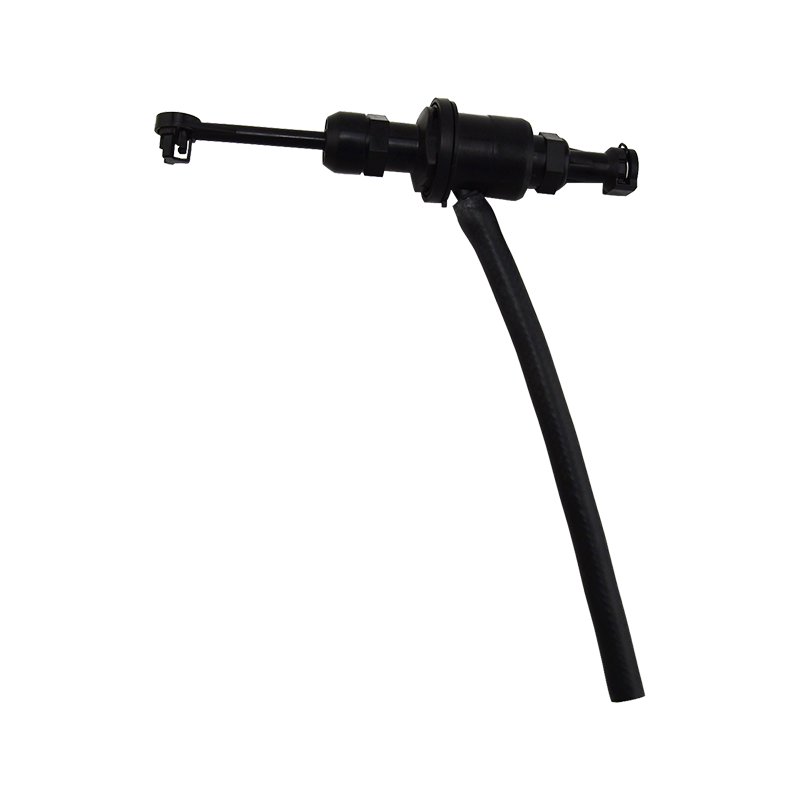
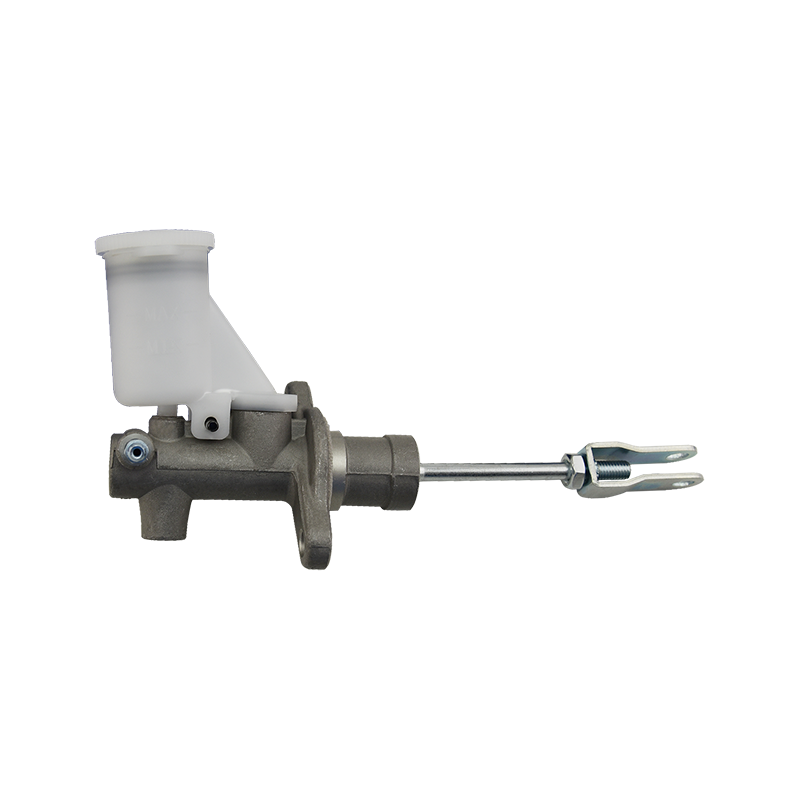
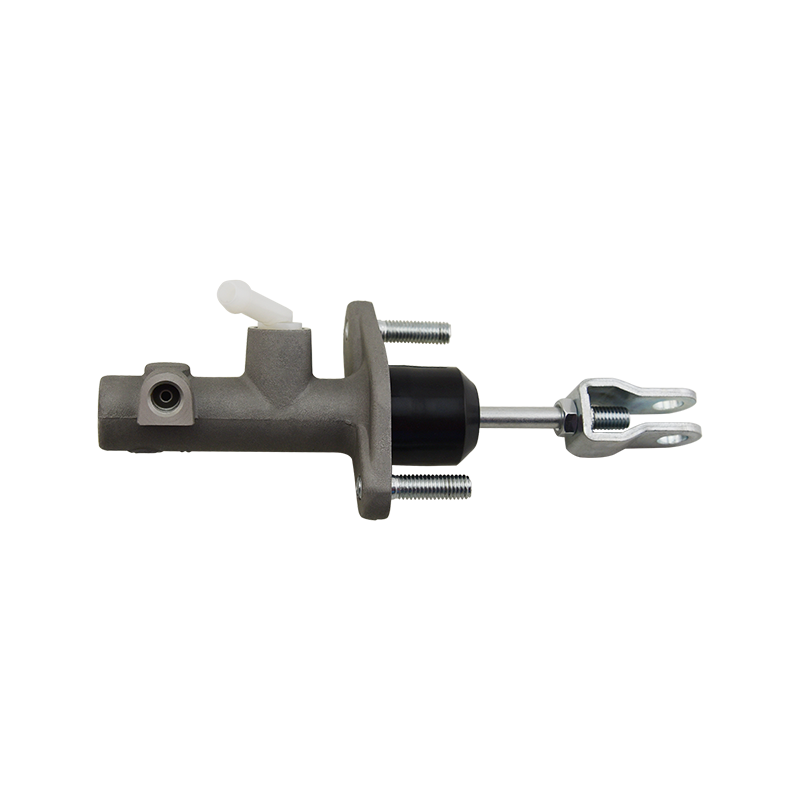
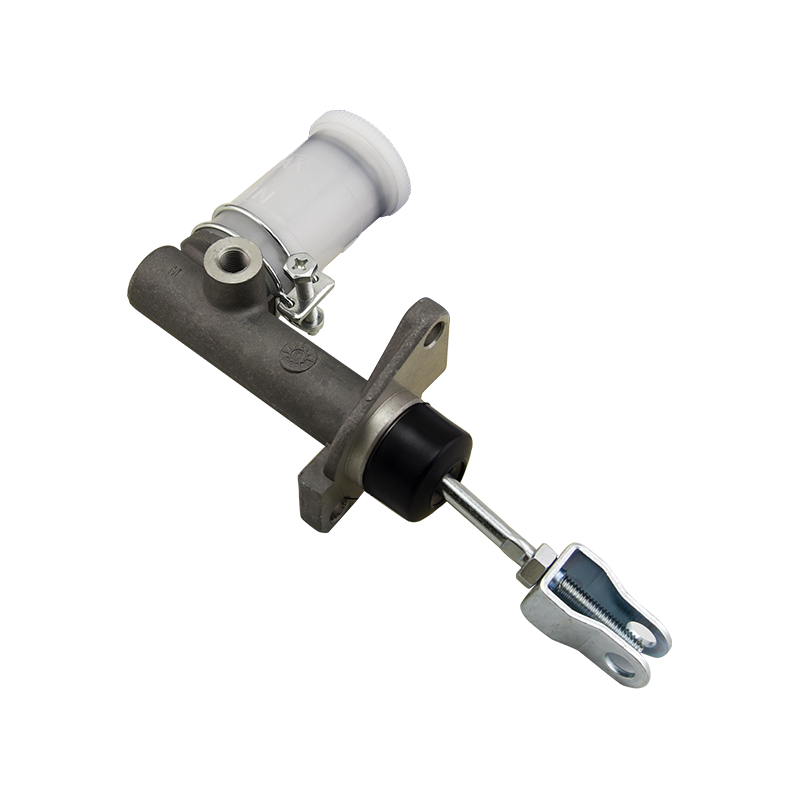
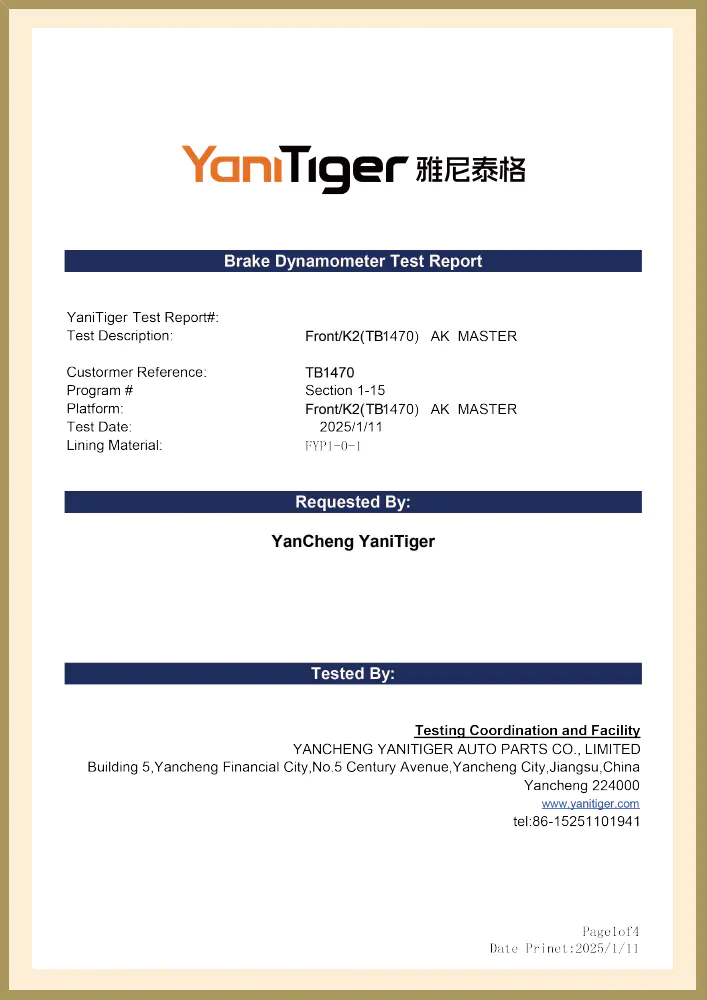
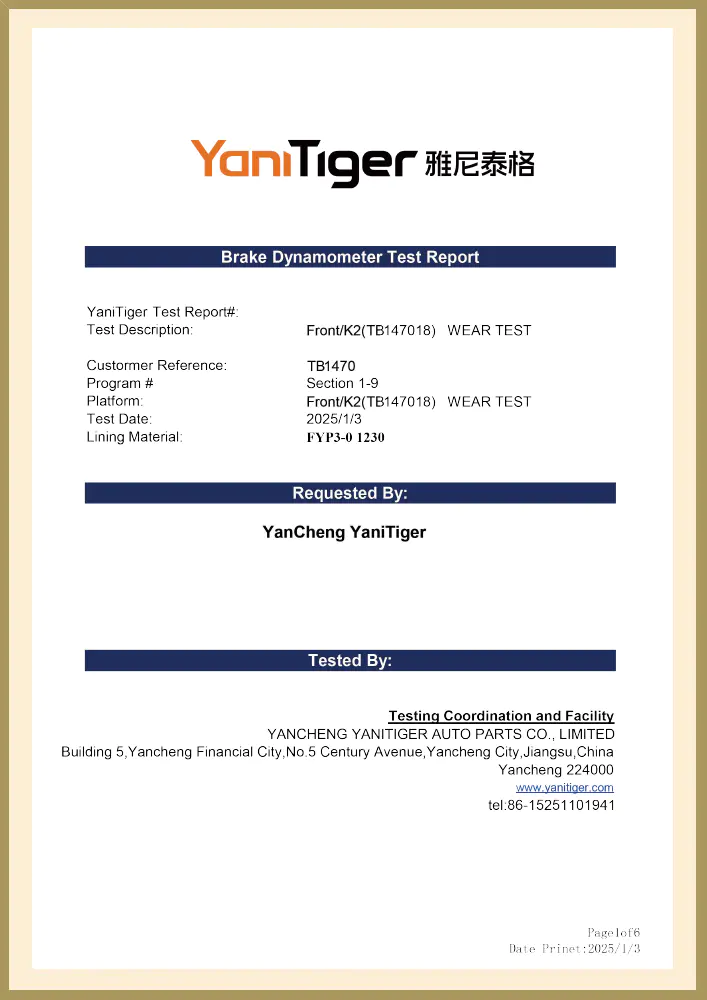
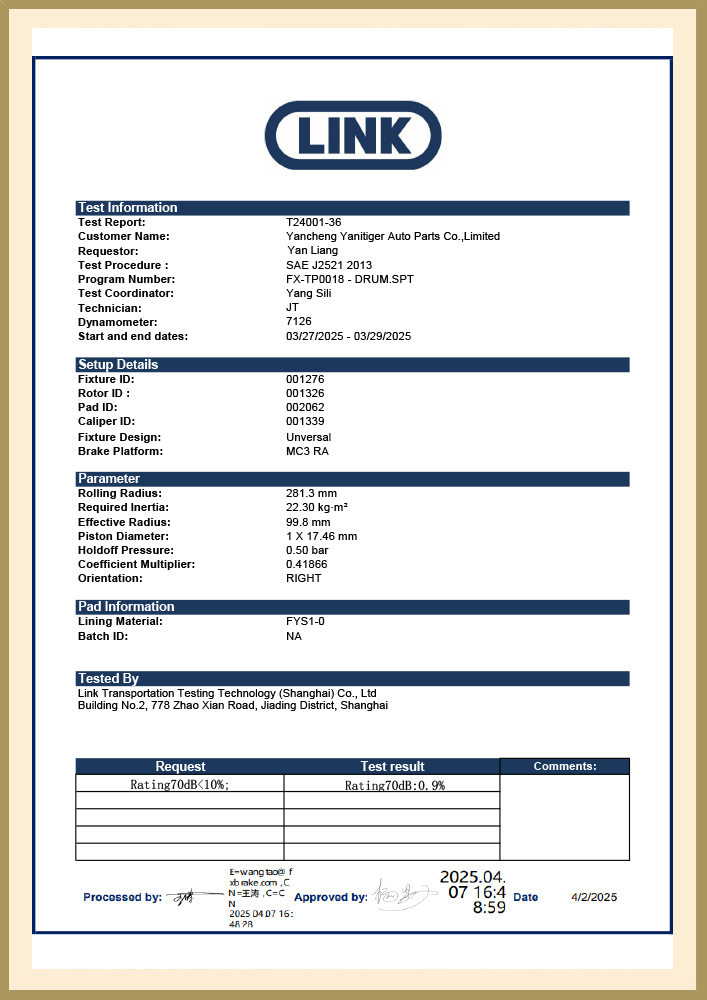
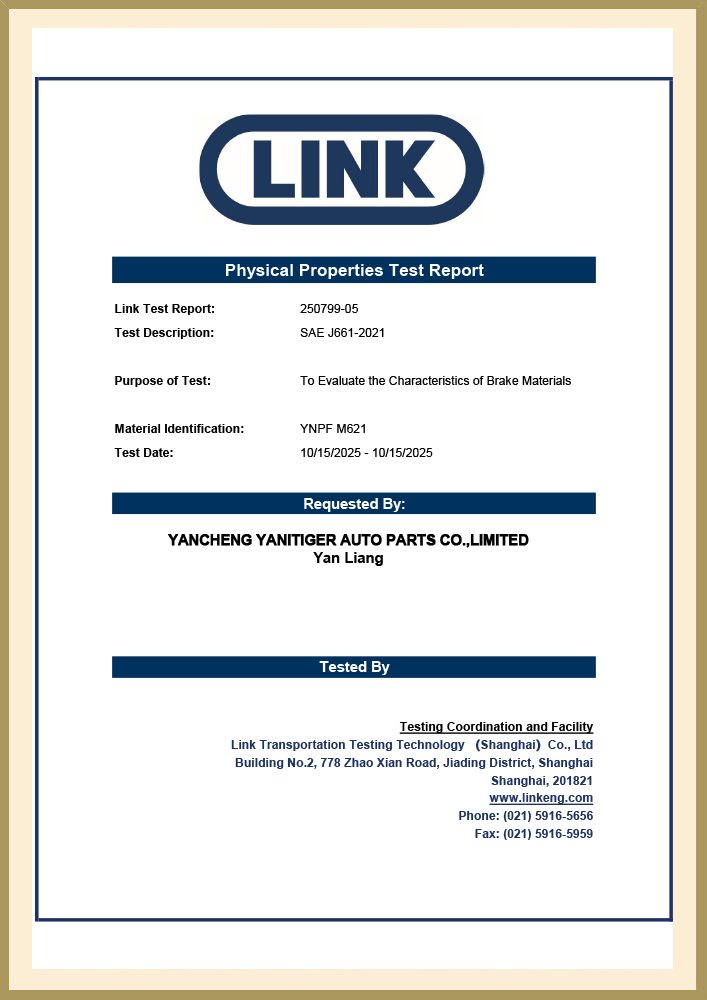

Yancheng Yanitiger Auto Parts Co., Limited is a professional Hydraulic Components Factory and an experienced Automotive Hydraulic System Manufacturer. Since 1998 we have concentrated on brake and clutch hydraulic components for global aftermarket and OEM programs, building a catalog of more than 7,000 hydraulic product models plus more than 1,000 brake shoes and pads for European, American, Japanese, Korean and Russian vehicle applications.
Our position in this category is direct: we design, machine, assemble and supply the cylinders and supporting components that convert driver input into stable braking force and precise clutch disengagement. The range covers both sides of the hydraulic circuit, so a project can be sourced through a single accountable supplier.
Hydraulic system range and application fit
Every hydraulic circuit has a defined pressure source and actuation point. We structure the product line to cover both sides of the circuit, which simplifies vehicle coverage, spare-parts planning and combined sourcing.
| Product family | Function in the hydraulic circuit | Typical application |
|---|---|---|
| Brake master cylinder | Converts pedal force into hydraulic pressure and supplies it to each wheel circuit. | Passenger cars and light commercial vehicles with disc or drum brake systems. |
| Clutch master cylinder | Converts clutch pedal travel into hydraulic pressure for the release mechanism. | Manual transmission vehicles, including plastic reservoir versions. |
| Clutch slave cylinder | Receives pressure from the master cylinder and moves the release bearing. | Hydraulic clutch actuation for passenger cars and light trucks. |
| Brake wheel cylinder | Expands the brake shoes against the drum when hydraulic pressure arrives. | Rear drum brake systems and hydraulic drum brakes on older platforms. |
| Brake caliper | Holds the pads and applies clamping force to the disc. | Front and rear disc brake fitments across European, Asian and American models. |
| Other accessories | Supporting hydraulic fittings, reservoirs and related brake components. | Replacement and OE-service programs requiring matched components. |
Our brake master cylinder and clutch master cylinder families include more than 2,000 product categories, covering more than 70% of overseas vehicle models. Brake wheel cylinders and clutch slave cylinders extend to more than 2,500 categories, including plastic-bodied versions.
To review a specific family, see our OEM/ODM Automotive Clutch Master Cylinder Manufacturer page or the Custom Auto Hydraulic Brake Master Cylinder Manufacturer page. Wheel cylinder, caliper and accessory lines are available through the same catalog structure.
Engineering and development
We develop components from drawings, samples or technical parameters. Our engineers work with customers on braking-system parameter planning and matching, including 3D modeling and CAE analysis before tooling is committed. This lets us confirm bore sizing, port configuration, stroke characteristics and pedal-feel targets early in the project.
- Drawing-based and sample-based product development for OE-service and aftermarket fitments.
- Collaborative development of braking and clutch system parameters with 3D modeling and CAE.
- Custom labels, laser-marked logos and packaging according to branding requirements.
- More than 400 new product introductions annually across brake and clutch lines.
Core production is in-house: casting blanks, rubber seals, injection-molded reservoirs, machining, assembly and brake pad manufacturing. This vertical scope shortens feedback loops when a bore finish, seal compound or reservoir interface has to be adjusted for a specific vehicle program.
Quality control and compliance
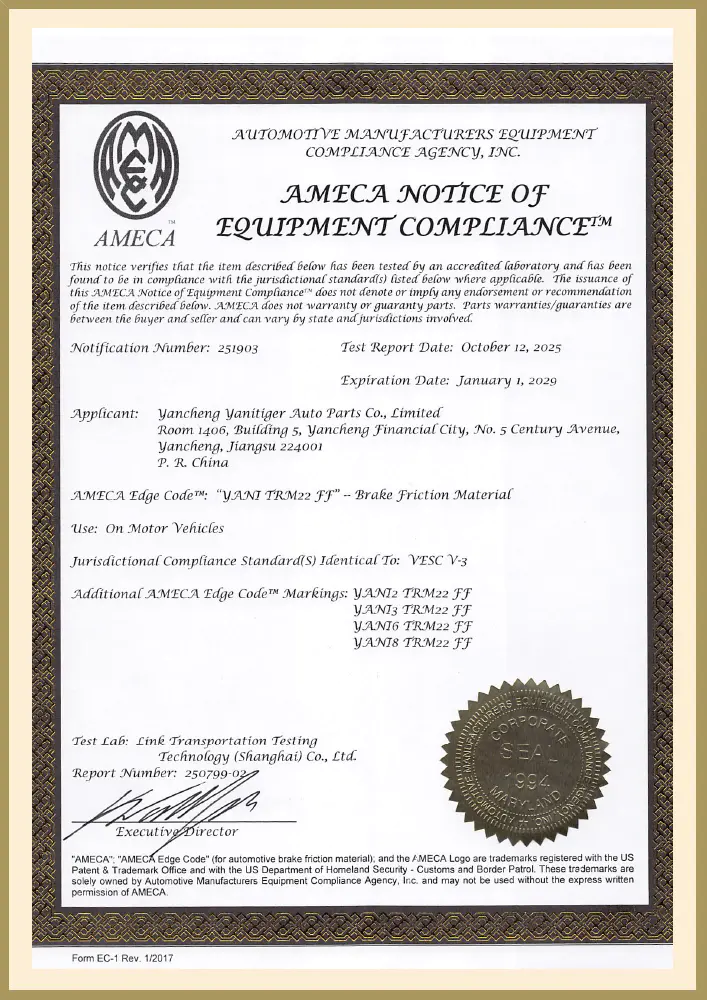
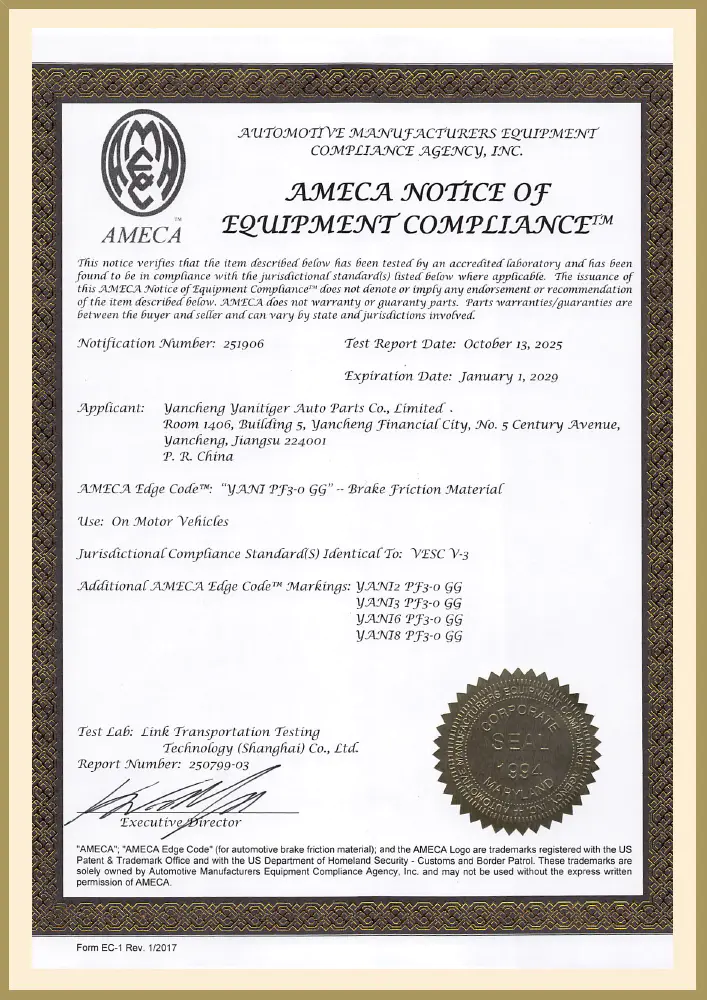
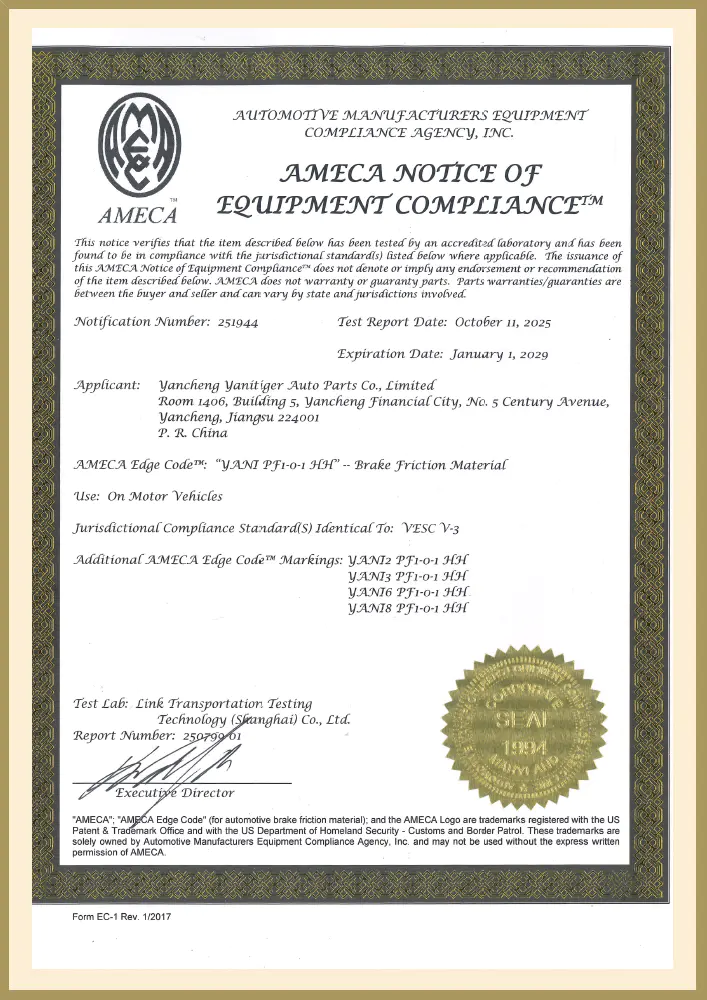
As a brake system components manufacturer, we operate under ISO 9001 and IATF 16949 quality management systems. Core hydraulic products carry E-MARK R90 and AMECA compliance evidence for the markets that require it.
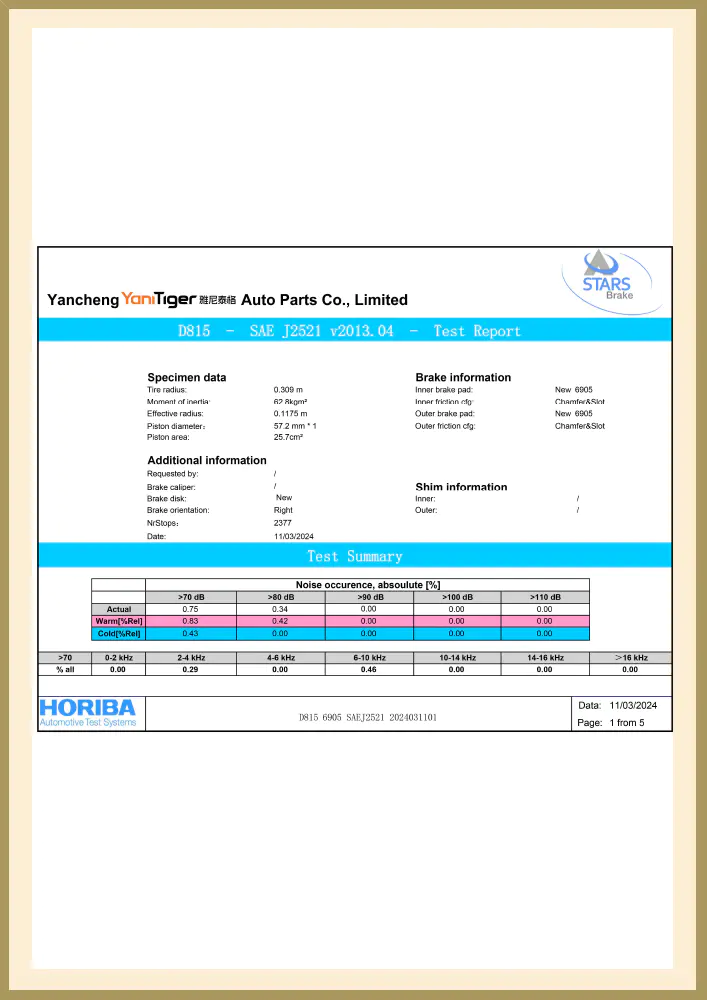
Full-process inspection covers incoming material, machining, assembly and final function. Our laboratory equipment includes spectrometers, coordinate measuring machines and X-ray flaw detectors for chemical composition, geometry and internal soundness, with 100% final inspection of finished products.
Ordering, customization and delivery
Projects are quoted with the flexibility that aftermarket distributors and OEM programs need. Standard sample lead time is 15 to 30 days; samples are normally shipped by DHL or UPS. Production lead time is normally within 90 days after order confirmation, depending on product and quantity.
- MOQ examples: brake master cylinders 4/6/10/20 pieces, brake wheel cylinders 10/20/30, clutch master cylinders 20, clutch slave cylinders 20/30.
- Payment terms: T/T or L/C, with 30% advance for batch production.
- Trade terms: FOB, CIF or EXW, with sea freight as the standard channel and air freight available for urgent programs.
A combined hydraulic brake cylinder wholesale or hydraulic clutch cylinder wholesale order can be planned across the master-cylinder and wheel or slave cylinder families. Our SAP-based scheduling system supports high-mix, low-volume delivery modes, so distributors can top up slow-moving references without committing to large batches.
Installation and vehicle integration
Fitment starts with the mechanical interface: mounting bolt pattern, pushrod travel, port thread and fluid routing. Our quotation includes the bore size, stroke and port specification used by our production drawing, so your installation team can verify compatibility before fitment.
In brake circuits, master cylinder bore sizing must match the caliper or wheel cylinder displacement and pedal ratio. In clutch circuits, master and slave cylinder volumes need to work as a pair. When we supply both ends of the circuit, we confirm that pairing in the proposal and flag any mismatch in stroke or displacement. Installation guidance and best-practice training are part of our product support.
Maintenance, serviceability and spare parts
Hydraulic cylinders are wear-and-service items. We identify each component by OE cross-reference, functional specification and production date code, which simplifies fleet maintenance planning and replacement ordering. For service programs, we can supply matched assemblies or individual hydraulic components that share common seals and bore dimensions across multiple references.
Routine service points include fluid condition, seal integrity, bore surface condition and reservoir level. Our product documentation states the fluid type used in validation so maintenance teams can maintain the same specification.
Information we use to configure your solution
To prepare an accurate configuration and quotation, we need the following project data.
- Vehicle make, model, year range and OE part number or numbers.
- Original component or drawing, or clear photos with mounting dimensions.
- Application: brake circuit, clutch circuit or both.
- Bore size, stroke, port thread and reservoir type if known.
- Required volume, packaging format and branding needs.
- Target market and any certification or documentation requirements.
With those inputs, we confirm the closest catalog reference, propose a custom variant if needed, and return a line-item quotation with lead time.
Frequently asked questions
Are you the manufacturer or a trading company?
We are a comprehensive enterprise with manufacturing facilities and an international sales department. In-house processes include casting, machining, surface treatment, assembly and testing, so we control quality and delivery from raw material to finished part.
What MOQ do you apply to hydraulic cylinders?
MOQs vary by family: brake master cylinders 4/6/10/20 pieces, brake wheel cylinders 10/20/30, clutch master cylinders 20 and clutch slave cylinders 20/30. Brake pads are quoted in sets. Combined wholesale orders are welcome to consolidate shipping.
Can you develop a cylinder from a sample?
Yes. We develop from drawings, samples or technical parameters, and can include custom logo marking and packaging. Standard sample lead time is 15 to 30 days; sample cost for standard references is free, with courier delivery by DHL or UPS.
What compliance evidence do you provide?
Our quality systems are certified to ISO 9001 and IATF 16949. Core hydraulic products have obtained E-MARK R90 and AMECA certification, and we include the applicable certificates with the quotation or shipment documentation.
How do you support combined brake and clutch projects?
Because we manufacture both hydraulic cylinders and brake pads, we can quote a single program covering master cylinders, wheel cylinders, slave cylinders, calipers and pads. The project engineer confirms the hydraulic pairing and provides installation guidance as part of the technical support package.
Related Products and Categories
Our portfolio also includes Custom Auto Brake Pads Supplier for applications with different operating ranges, interfaces or integration requirements.