 en
en
-
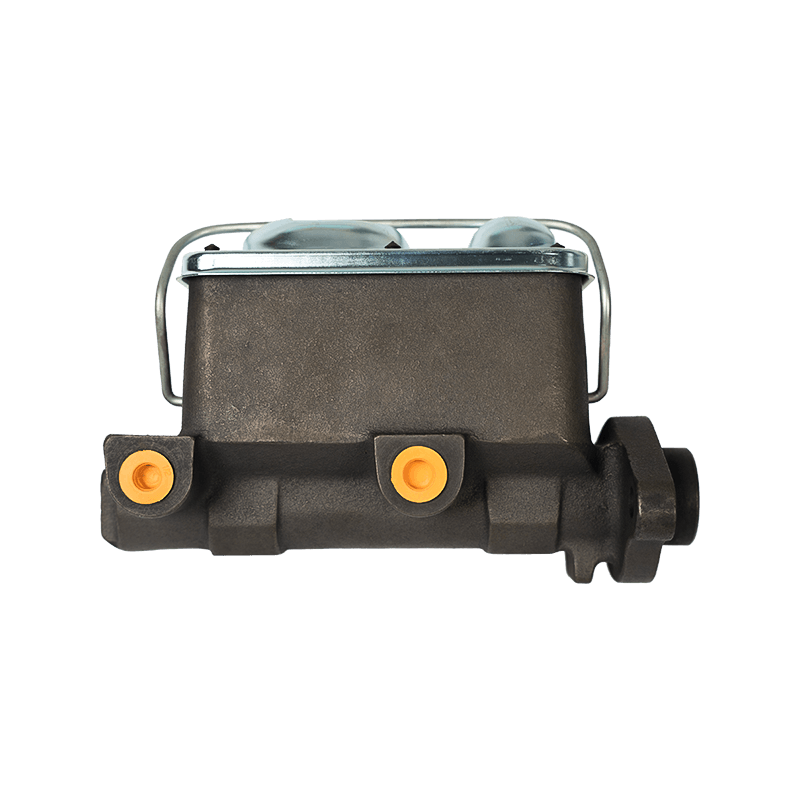
130.62023 Brake Master Cylinder for Chevrolet
-
4625A437 Brake Master Cylinder
-
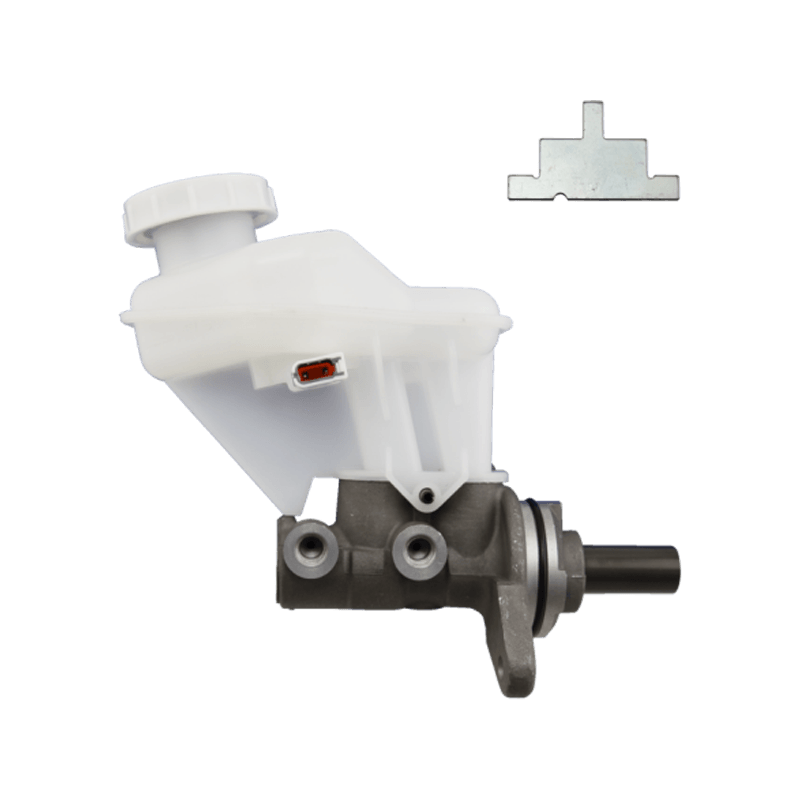
47201-09210 47201-09240 Brake Master Cylinder
-
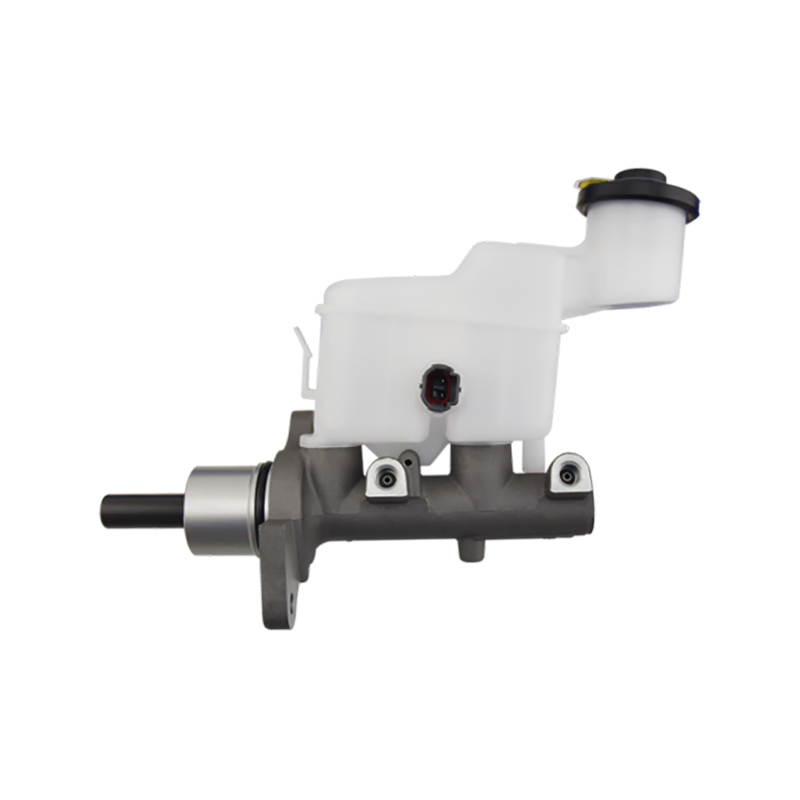
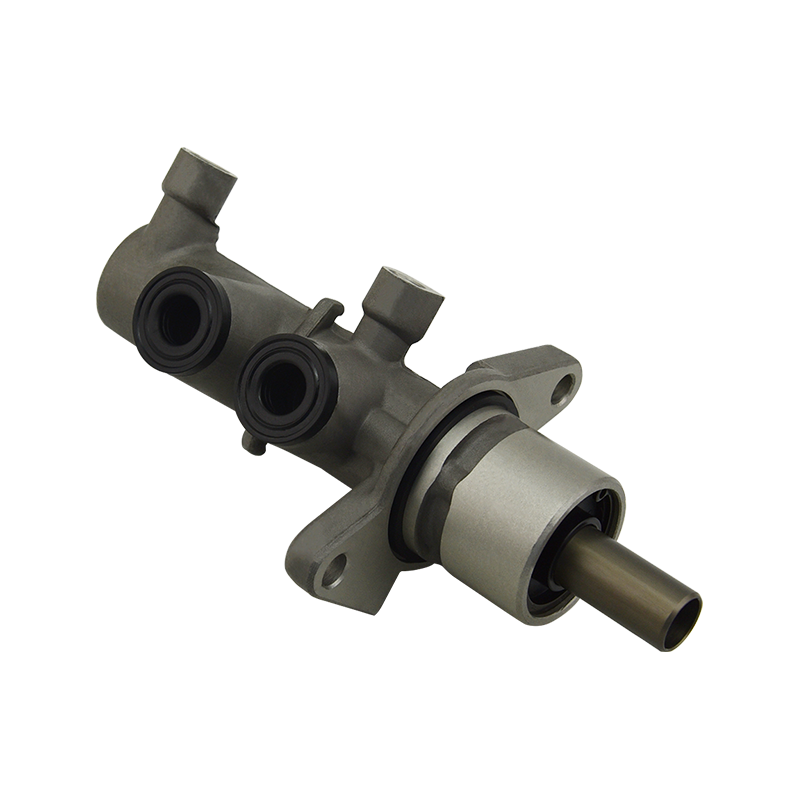
9193225 0558059 558059 558174 Brake Master Cylinder
-
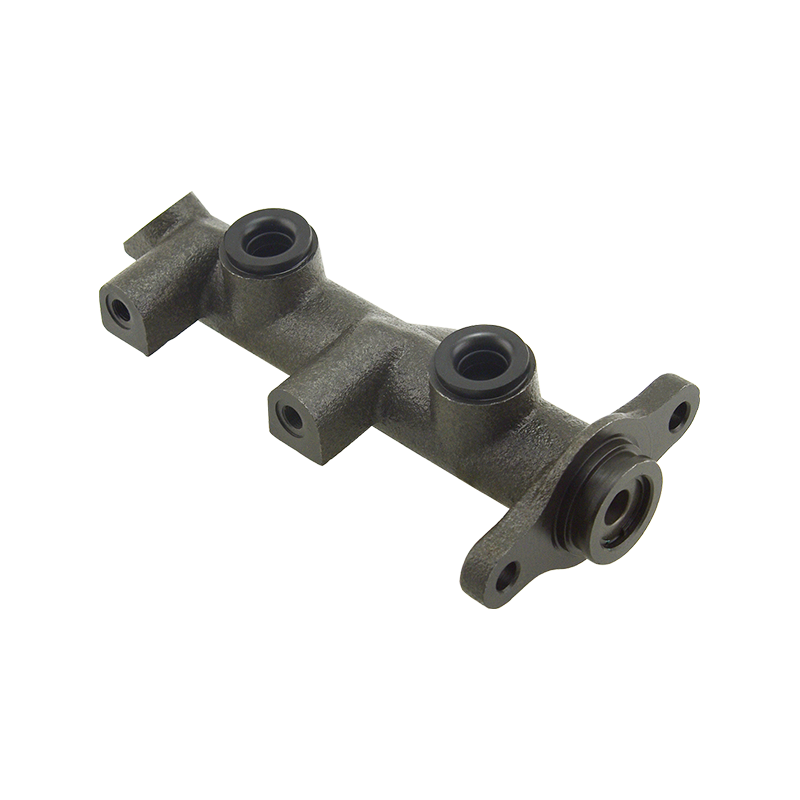
93229039 Brake Master Cylinder
-
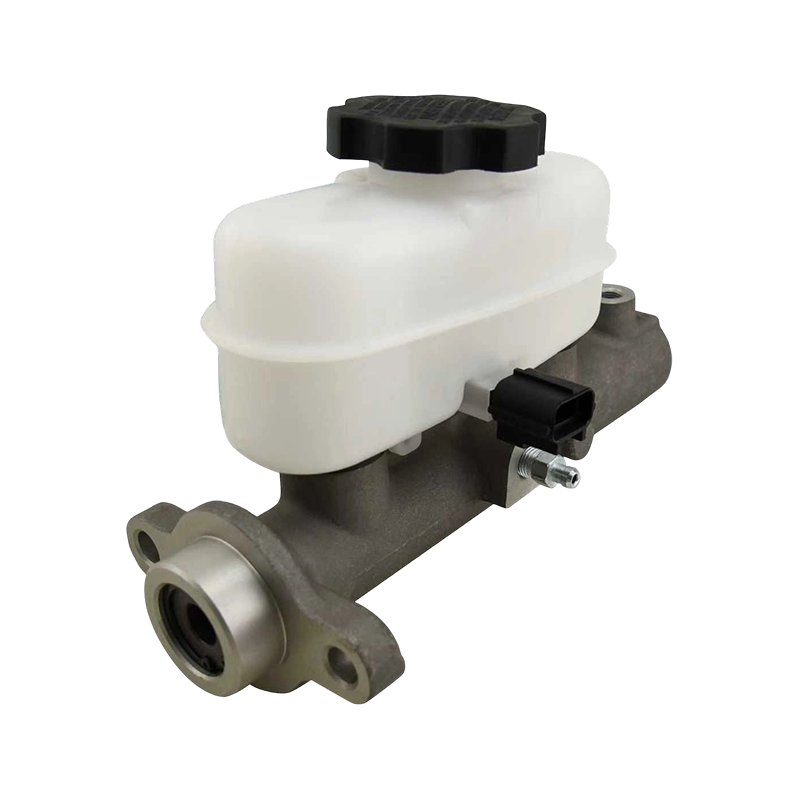
18039285 1F2143990 6L5Z2140BA ZZP143400A Brake Master Cylinder
-
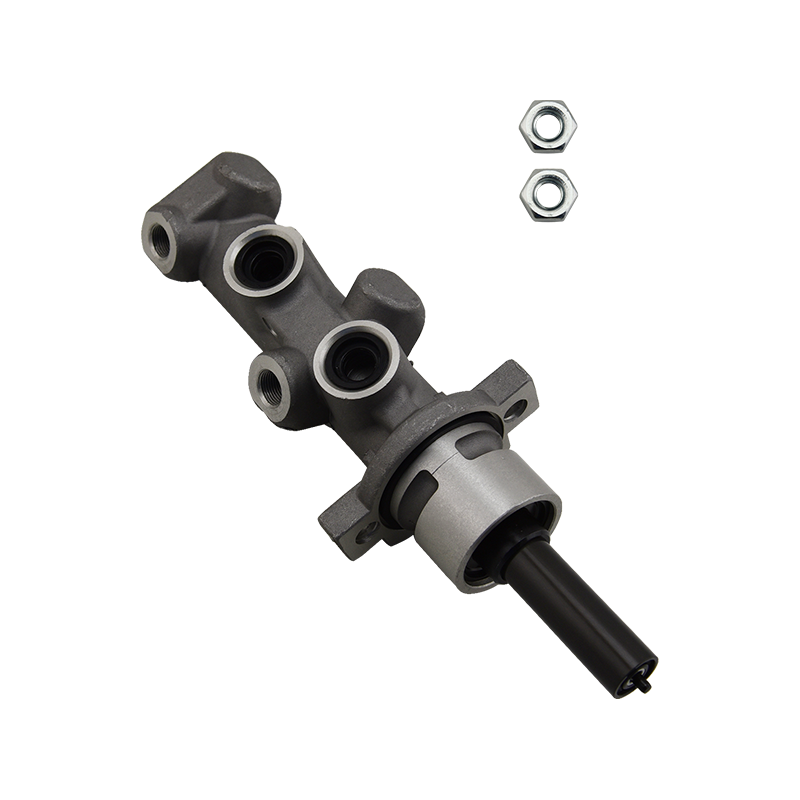
4601L3 Brake Master Cylinder
-
7701207697 Brake Master Cylinder
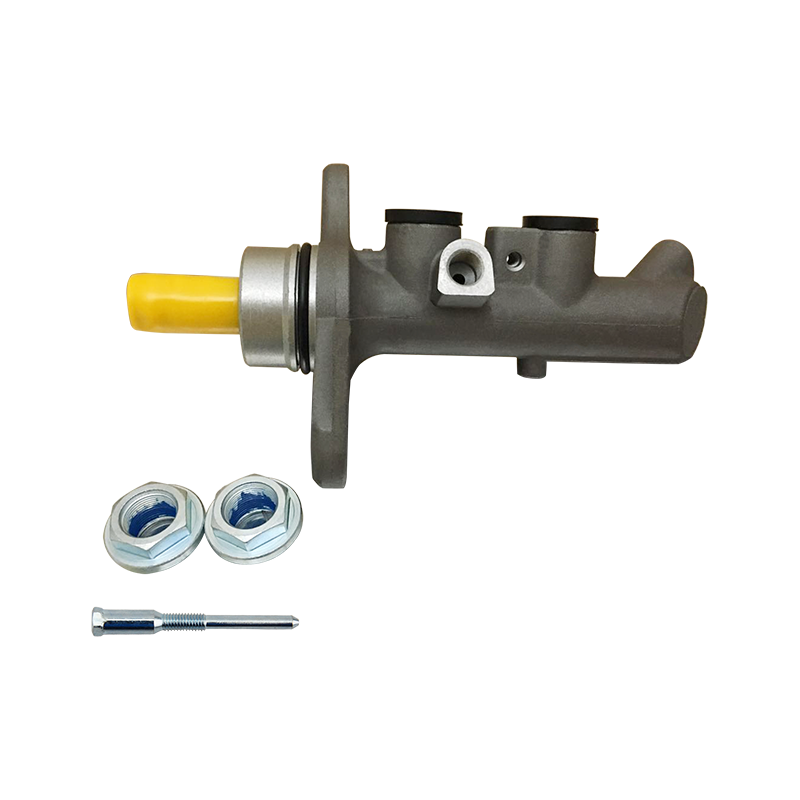
-
460111914R Brake Master Cylinder
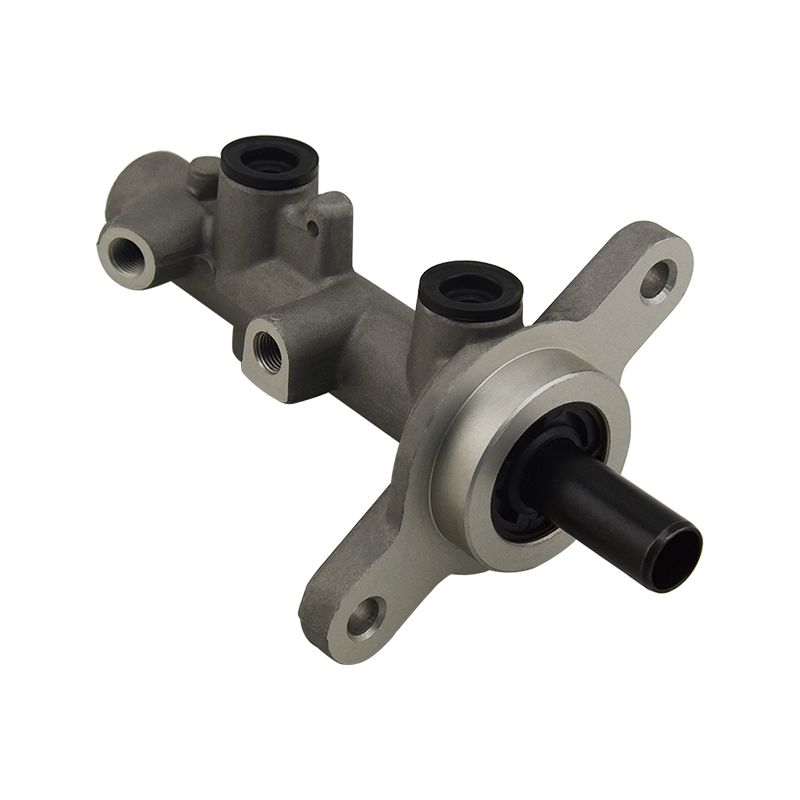
-
46100-S04-013 46100-S04-A03 Brake Master Cylinder
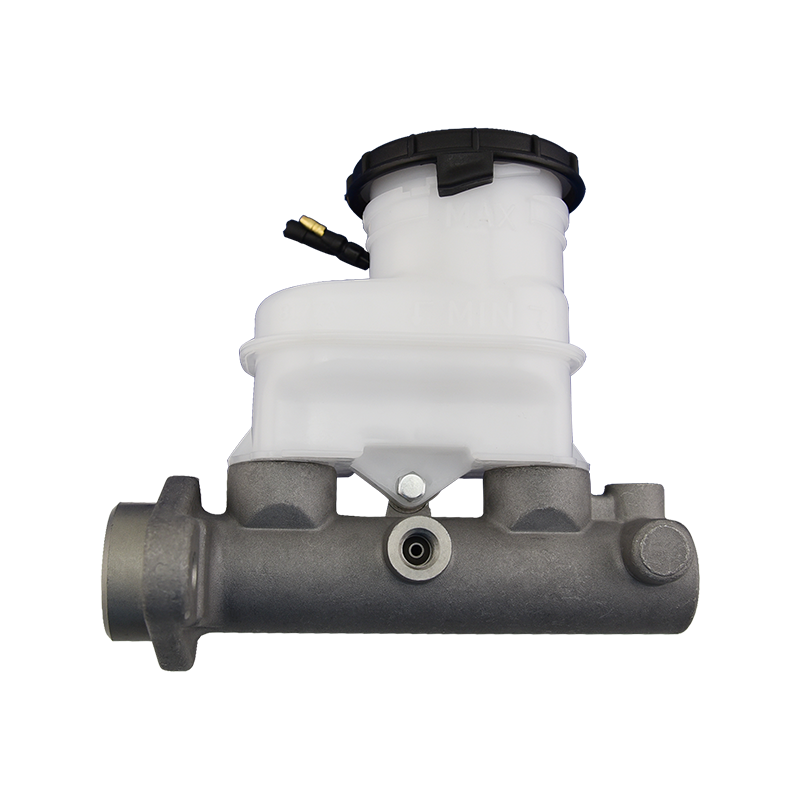
-
58510-25000 Brake Master Cylinder
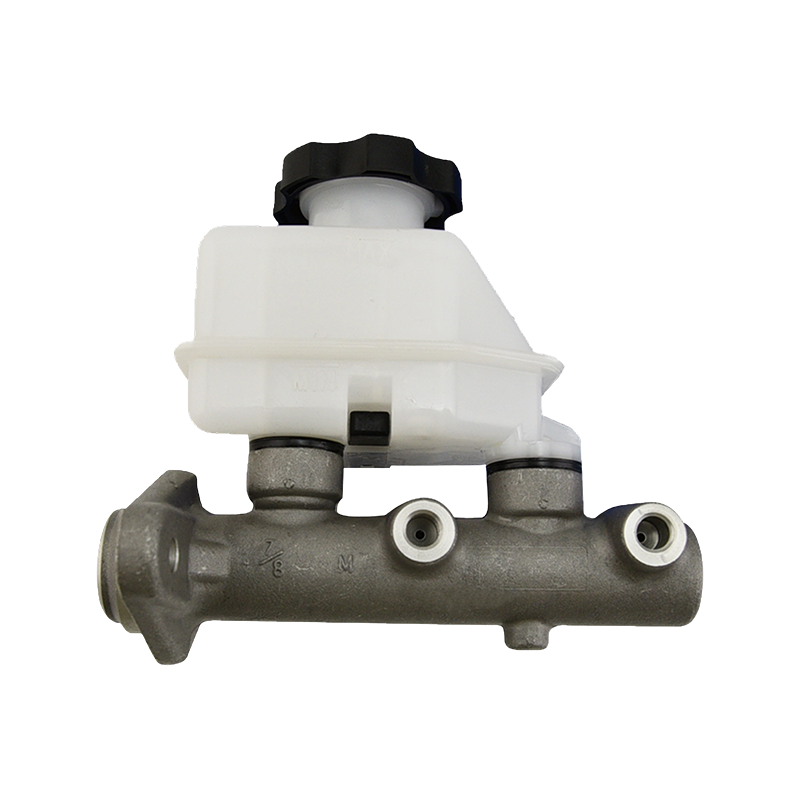
-
58510-2E500 Brake Master Cylinder
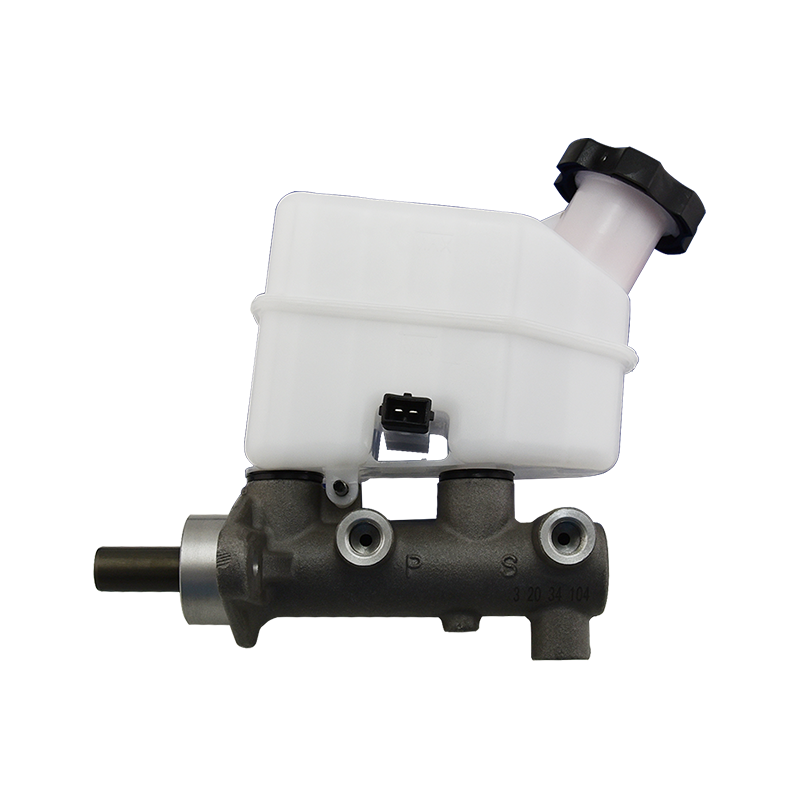
-
58510-3X400 Brake Master Cylinder
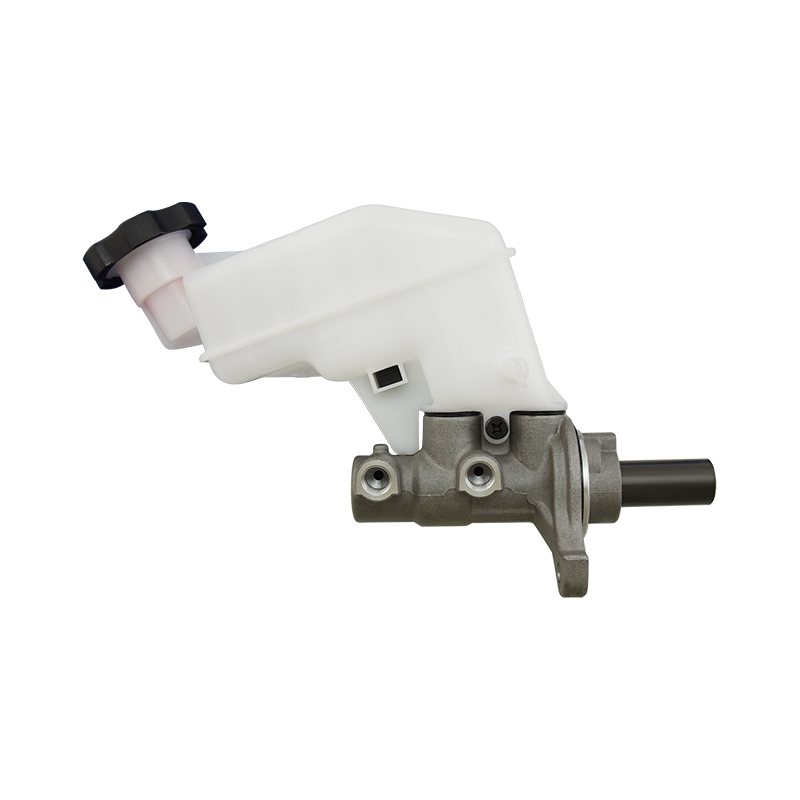
-
58510-2E100 Brake Master Cylinder
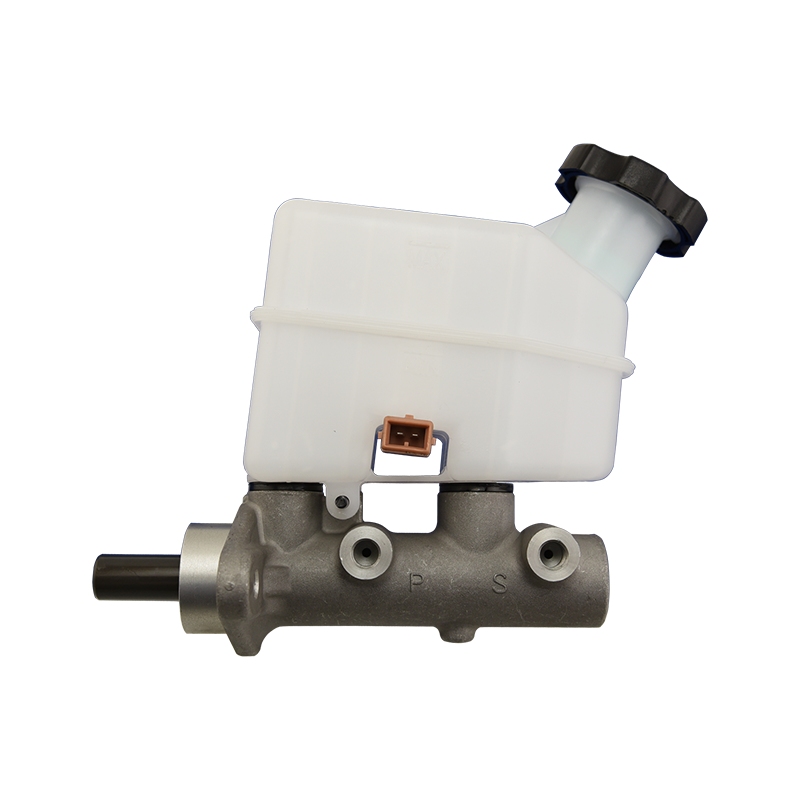
-
58510-F2400 Brake Master Cylinder
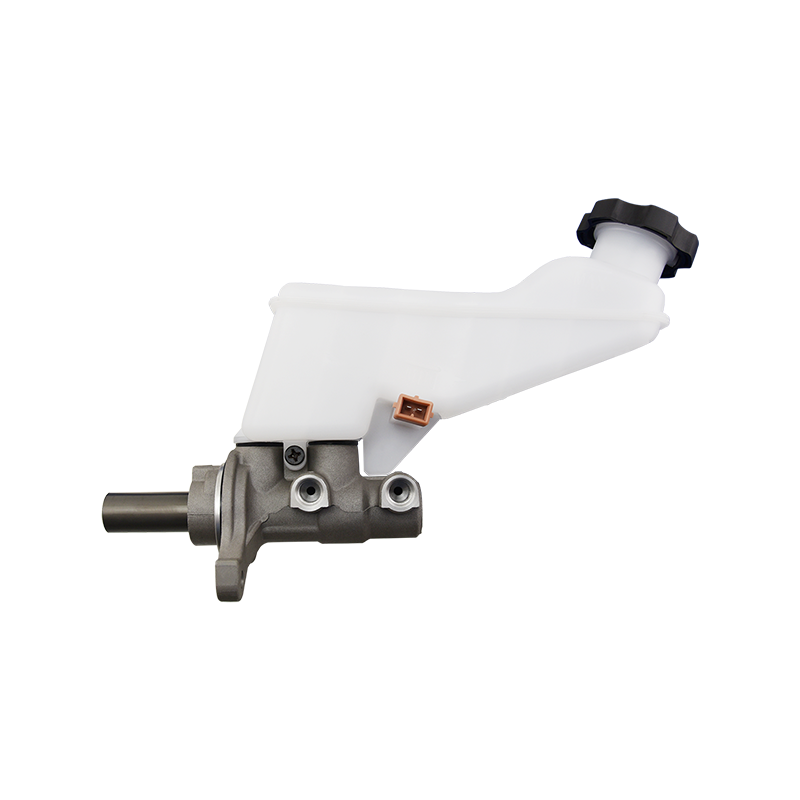
Custom Auto Hydraulic Brake Master Cylinder Manufacturer
Core Functions:
As the "heart," it converts the mechanical force from the driver's feet into hydraulic pressure, which is then transmitted to each wheel via brake fluid.
Advantages:
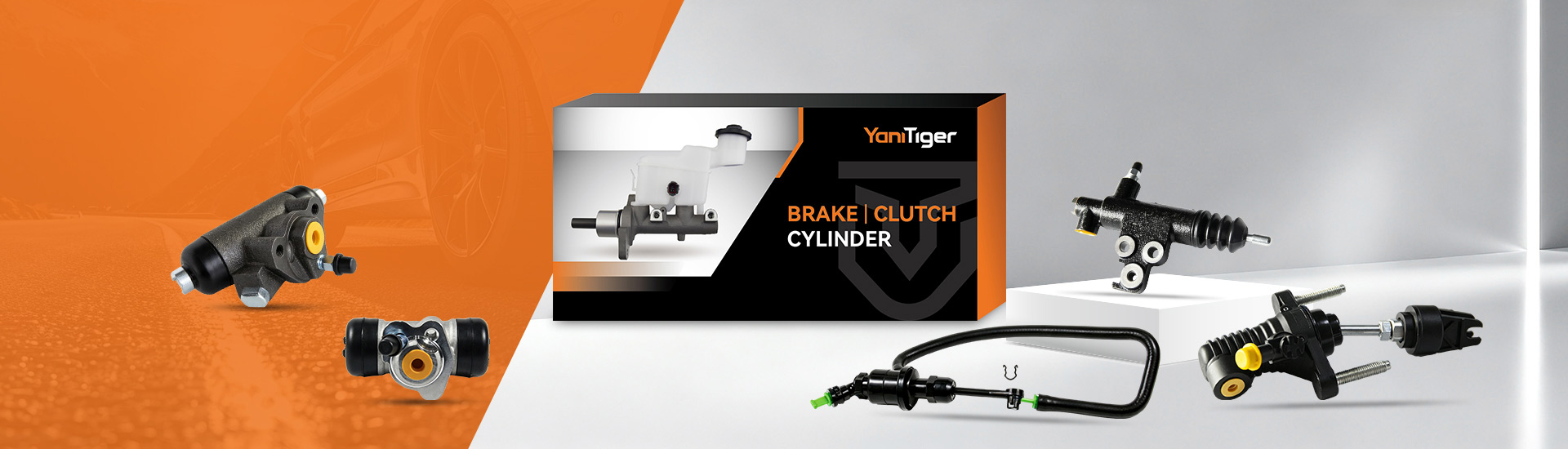
Brake master cylinders, clutch master cylinders (including plastic clutch master cylinders), over 2000 product categories, covering more than 70% of overseas vehicle models.
Customized service capabilities:
Product Development: Capable of developing specialized product models, labels, as well as laser marking for LOGO, based on specific customer requirements
Production Models: Fully supports both OEM and ODM partnership models
Flexible Ordering: Accommodates a wide range of orders—from high-volume production to high-mix, low-volume batches—to meet the needs of clients of all sizes
Solution:
Professional Technical Support: Backed by a professional team providing end-to-end technical support, ranging from model selection and installation guidance to performance evaluation.
Quality Assurance: Adheres to international quality standards such as ISO 9001 and IATF 16949.
Full Supply Chain Integration: Features a complete set of core production lines—covering casting, machining, and surface treatment—to ensure end-to-end control from raw materials to finished products.
Broad Application Coverage: Offers comprehensive solutions, including the provision of custom braking systems for modified vehicles.
Sample Cost: Free, with free domestic shipping included. Shipping fees apply for certain international destinations.
Lead Time: Standard sample preparation typically takes 15–30 days.
Delivery Method: Samples are usually shipped via international courier services such as DHL or UPS to ensure timely delivery.
About the Company and Brand
Q1: Who is YaniTiger? Are you a manufacturer?
A: YaniTiger is a specialized brand focused on automotive braking system components. Our group possesses its own manufacturing facilities and a comprehensive supply chain system, integrating R&D, production, and sales, and is dedicated to providing high-quality braking system products to customers worldwide.
Q2: What are your main products?
A: We specialize in Brake Master Cylinders, Brake Wheel Cylinders, Clutch Master Cylinders, Clutch Slave Cylinders, Brake Calipers, and Brake Pads.
Q3: Which market do you mainly serve?
A: Our primary focus is the global Aftermarket (AM). Our product range covers all major automobile brands worldwide, including Japanese, European, and American series.
About Production and R&D
Q4: What about your R&D and quality control capabilities?
A: Leveraging our group's R&D resources, we have a strong technical team. Our production facilities and quality management system are certified to international standards such as IATF 16949 and ISO 9001. Every product undergoes strict quality control from raw material to finished goods.
Q5: Is your product range market-verified?
A: Absolutely. Our products are exported to North America, Europe, Southeast Asia, and South America. We are a trusted supplier for many well-known aftermarket brands and have a proven track record in the global market.
About Customization and Samples
Q6: Do you support OEM/ODM orders?
A: Yes. We offer comprehensive OEM and ODM services. We can develop products based on your drawings, samples, or specific technical parameters. Custom branding (Logo) and packaging are also available.
Q7: Can I get a sample? Is it free?
A: Yes, sample service is available. Our policy is flexible: standard samples are often free (DHL/UPS shipping costs to be borne by some of customers). For custom products, a sample fee may apply, which is usually refundable upon confirmation of a formal order.
About Orders and Logistics
Q8: What is the Minimum Order Quantity (MOQ)?
A: We have the advantage of low MOQ.
Brake Master Cylinder:4/6/10/20
Clutch Master Cylinder:20
Brake Wheel Cylinder:10/20/30
Clutch Slave Cylinder:20/30
Brake Pad:50-100 sets
Q9: What are your payment terms and lead time?
A: We usually accept T/T (Telegraphic Transfer) and L/C (Letter of Credit). The standard lead time is typically within 90 days after order confirmation, depending on the product and quantity.
Q10: How do you handle international shipping?
A: We support common trade terms like FOB, CIF, and EXW. Shipping can be arranged by sea, air, or international courier based on your needs.
About After-Sales Service
Q11: What if there is a quality problem with the products?
A: We have a complete after-sales service process. If a quality issue is confirmed, we will actively coordinate returns, exchanges, or compensation. Specific warranty terms will be clearly stated in the contract.
Q12: Do you provide technical support?
A: Yes. We offer full technical support, including product selection, fitment guidance, and after-sales troubleshooting.
Yancheng Yanitiger Auto Parts Co., Limited is a professional manufacturer specialized in the research, development, production and supply of automotive brake system and clutch system components. Our core product portfolio includes brake master cylinders, brake wheel cylinders, brake calipers, brake pads, clutch master cylinders, clutch slave cylinders and a full range of supporting auto parts.
Supported by standardized operation management and rich industrial experience, we have developed more than 7,000 models of hydraulic products to offer our customers more competitive prices and efficient and satisfying services. We also have more than 1,000 brake shoes and brake pads for European, American, Russian, Japanese and Korean cars, fully meeting diversified and customized demands of the global automotive aftermarket.
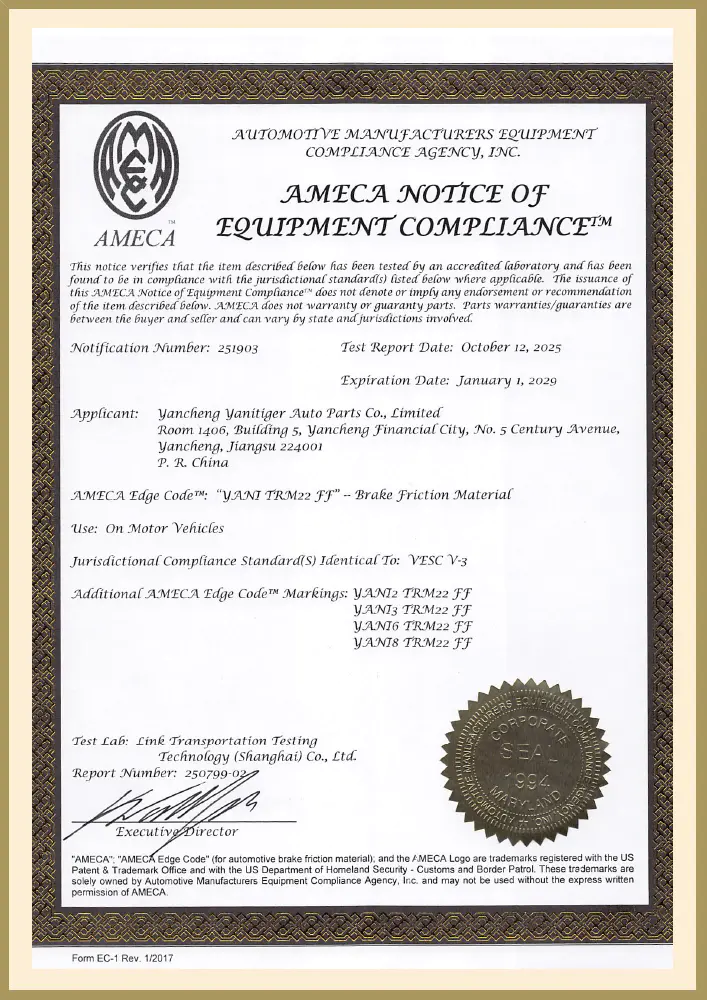
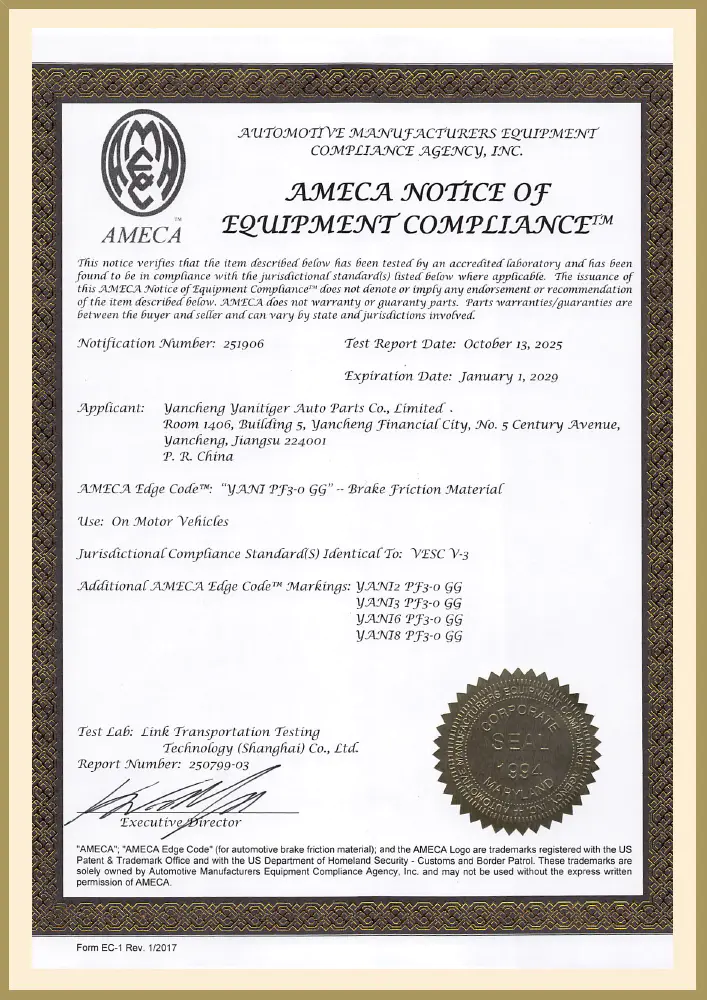
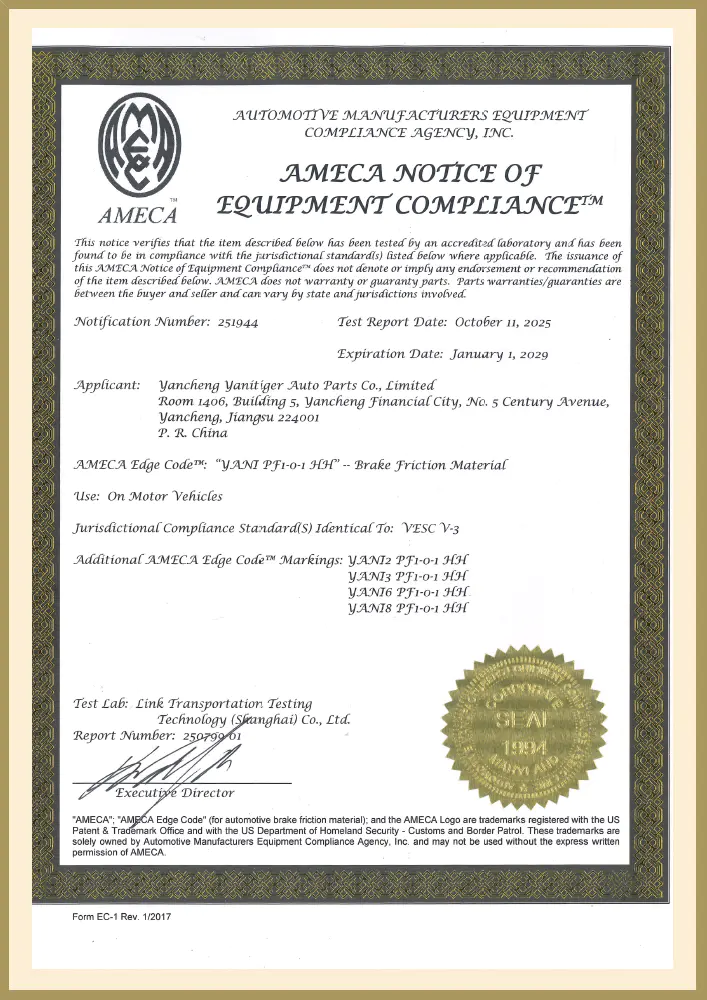
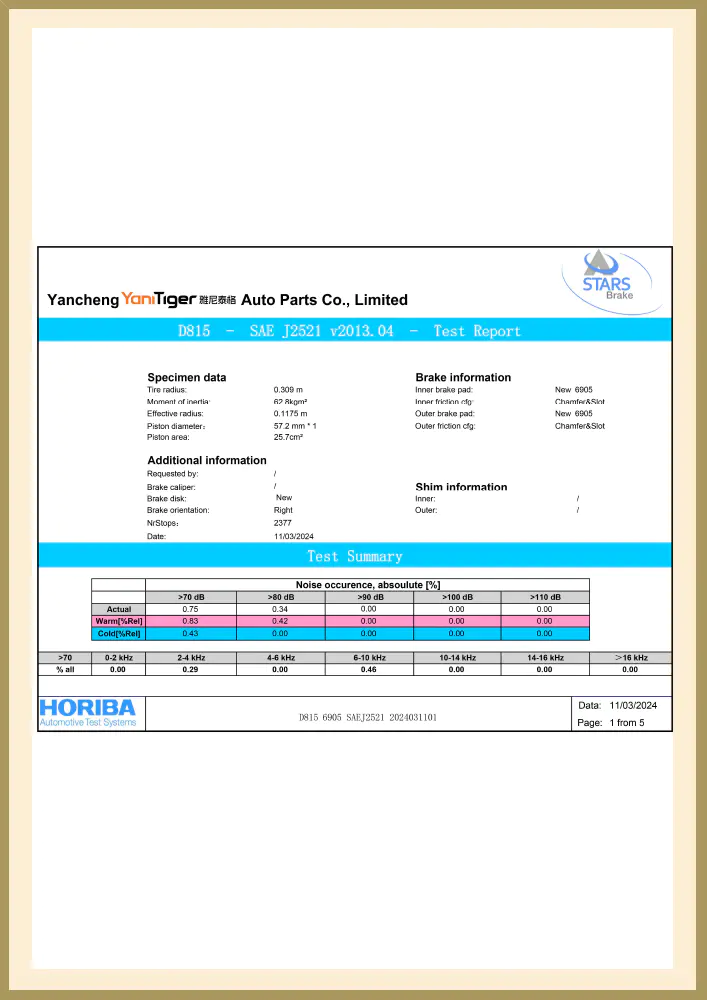
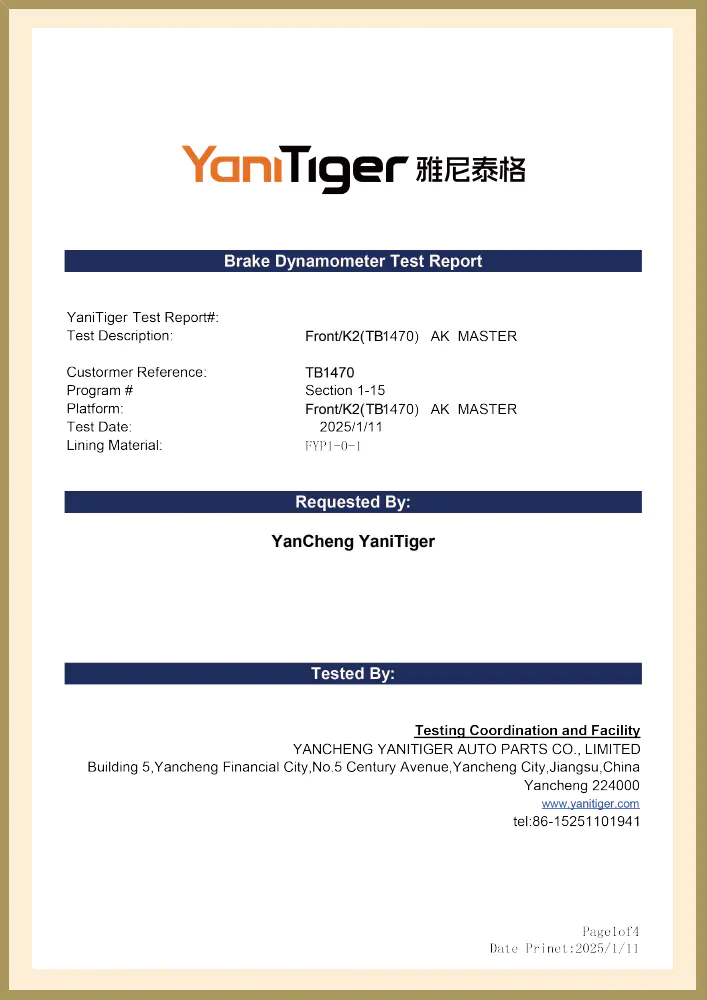
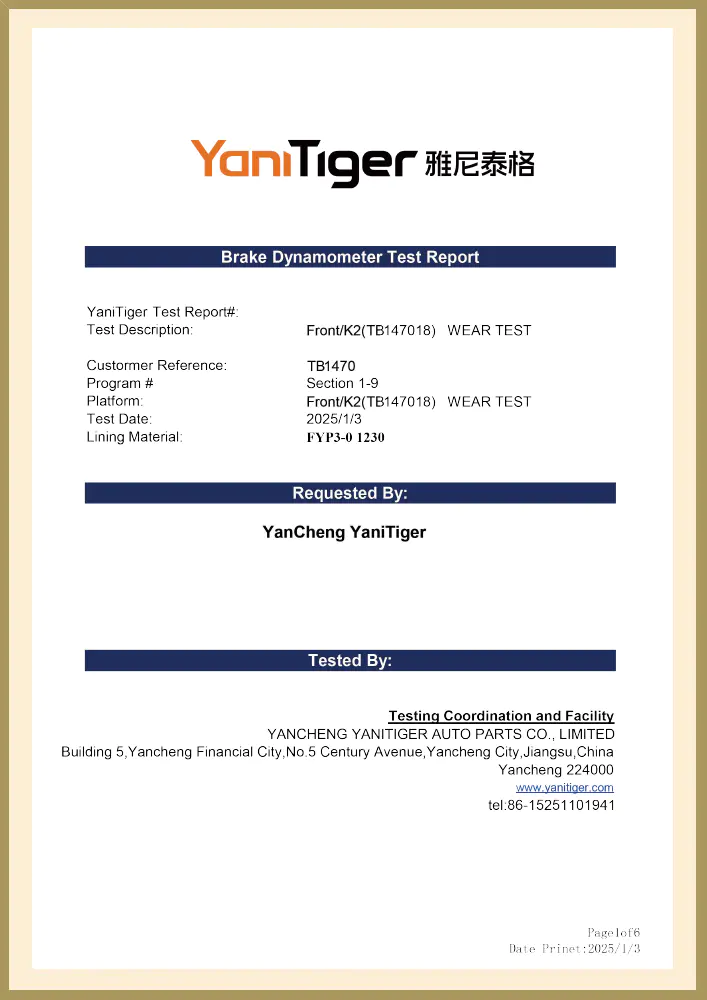
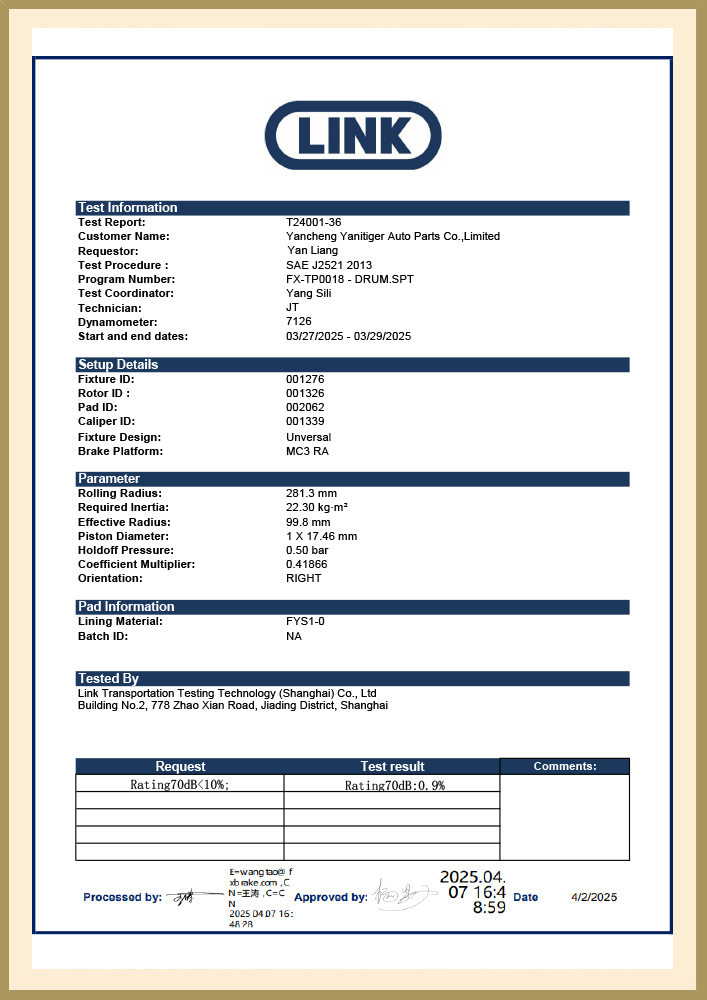
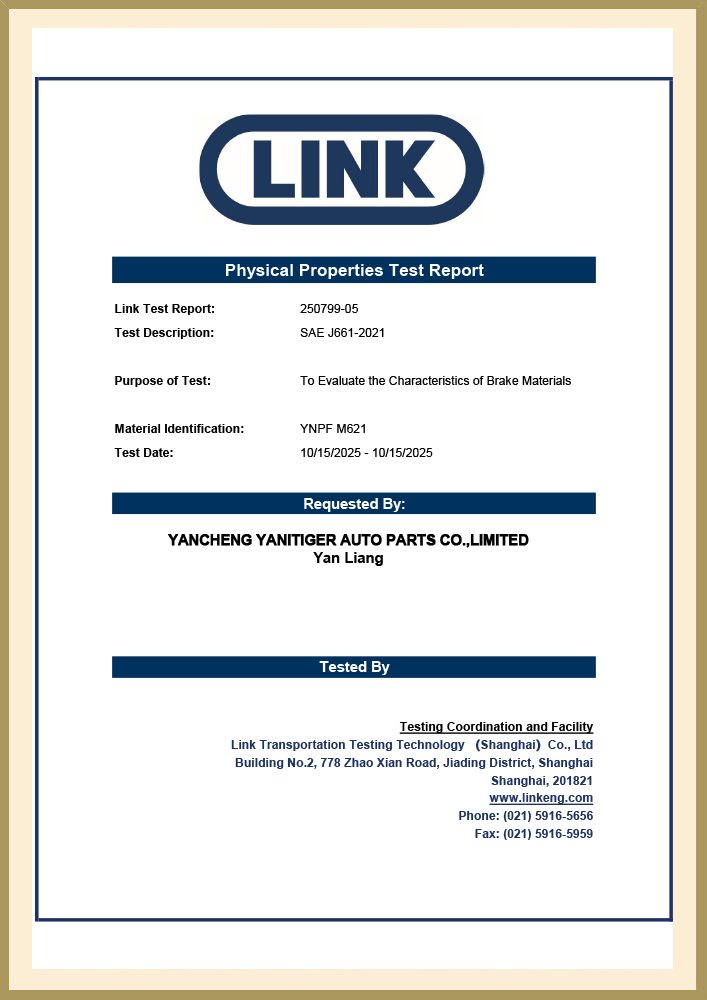
The company strictly complies with the ISO 9001 quality management system and IATF 16949 automotive quality system standards. All core products have obtained authoritative international certifications, including E-MARK R90 and AMECA. We consistently deliver high-quality, cost-effective and standard-compliant automotive component solutions for global customers.
-
What Is a Brake Assist System? How It Works and Why It Matters in Your CarRead More
Picture a driver in a 2018 sedan who sees a stopped delivery truck about 30 metres ahead and stabs the brake pedal — fast, but not especially hard. The car still stops as if the pedal had been pushed through the floor. That extra deceleration is the brake as...
-
How a Brake Servo Works: Vacuum Power Booster Principle, Parts & FunctionRead More
Next time you park, try this: switch off the engine, then press the brake pedal several times. The first press may feel normal; by the third press, the pedal is noticeably harder. Start the engine, and the pedal softens again. The component responsible for th...
-
What are the Parts of a Car Brake System?Read More
A car brake system is built from two main sub systems, disc brakes and drum brakes, plus a set of shared hydraulic hardware that links the brake pedal to every wheel. The disc brake side is made of a brake rotor, brake pad, and brake caliper. The drum brake s...
-
Hydraulic Braking Explained: Master Cylinders, Wheel Cylinders and CalipersRead More
A brake pedal that sinks halfway to the floor before the vehicle slows down is normally a hydraulic fault, not a friction fault. Pads and rotors can still measure within specification while the hydraulic braking circuit quietly loses its ability to turn pedal...
Take step and get in touch with us today.


Yancheng Yanitiger Auto Parts Co., Limited focuses on the R&D and supply of automotive braking and clutch system components, which are widely used in European, American, Japanese, Korean and Russian car models.
-

+86-152 5110 1941
+86-139 6199 0100 -

Info@yanitiger.com
-

Building 5, Yancheng Financial City, No. 5 Century Avenue, Yancheng City, Jiangsu Province, China
Copyright © 2026 Yancheng Yanitiger Auto Parts Co., Limited All rights reserved. Privacy
Car Brake Master Cylinders Supplier Custom Auto Hydraulic Brake Master Cylinder Manufacturer