Search
 Eng
Eng 
 English
 Español
 Português


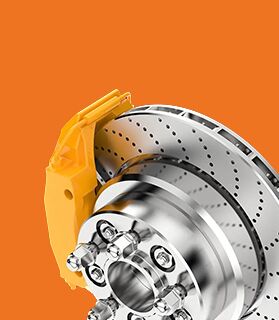
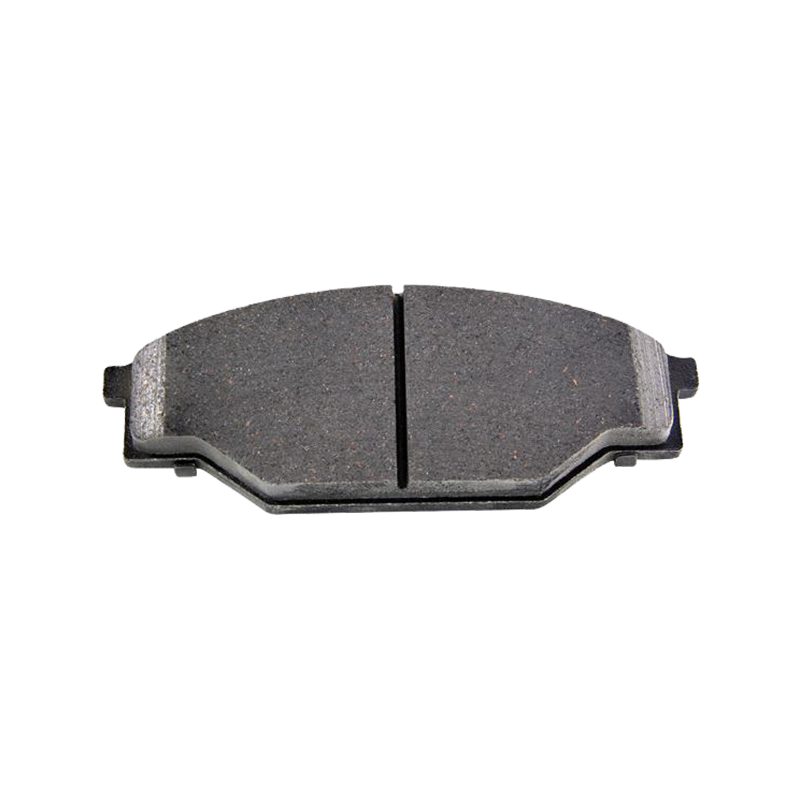
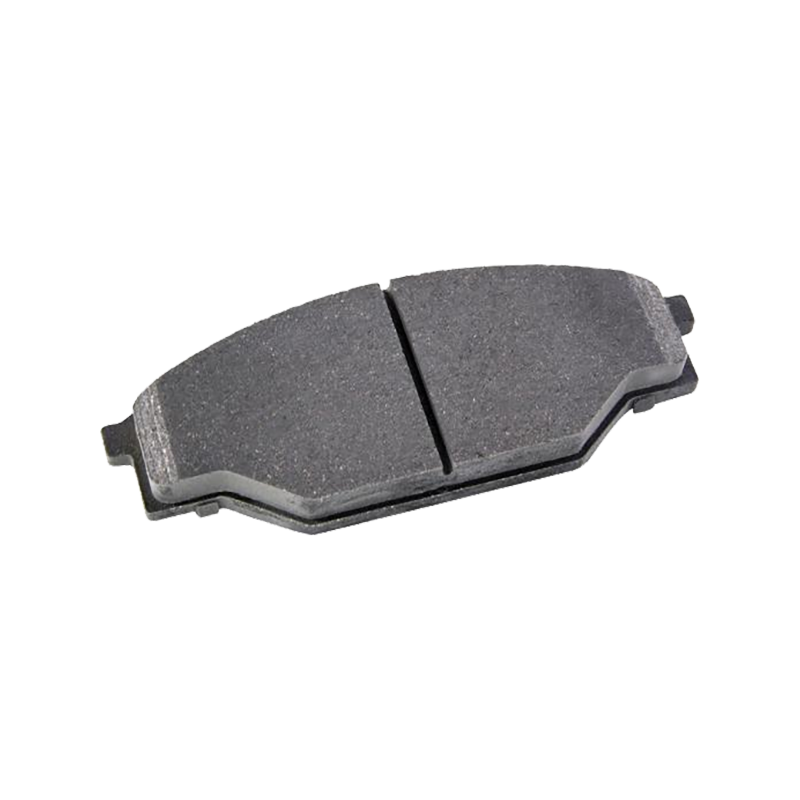
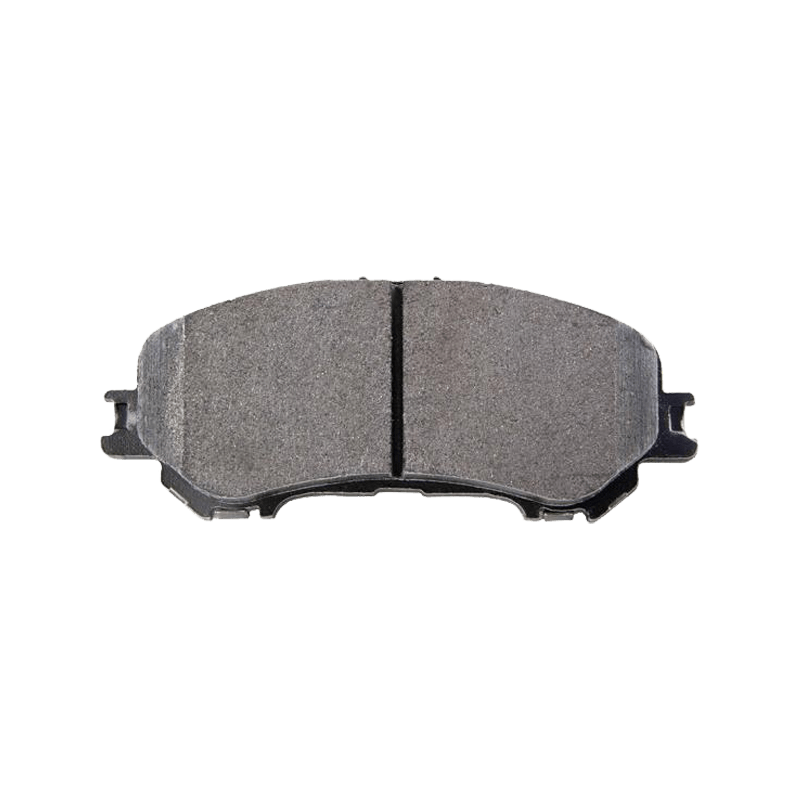
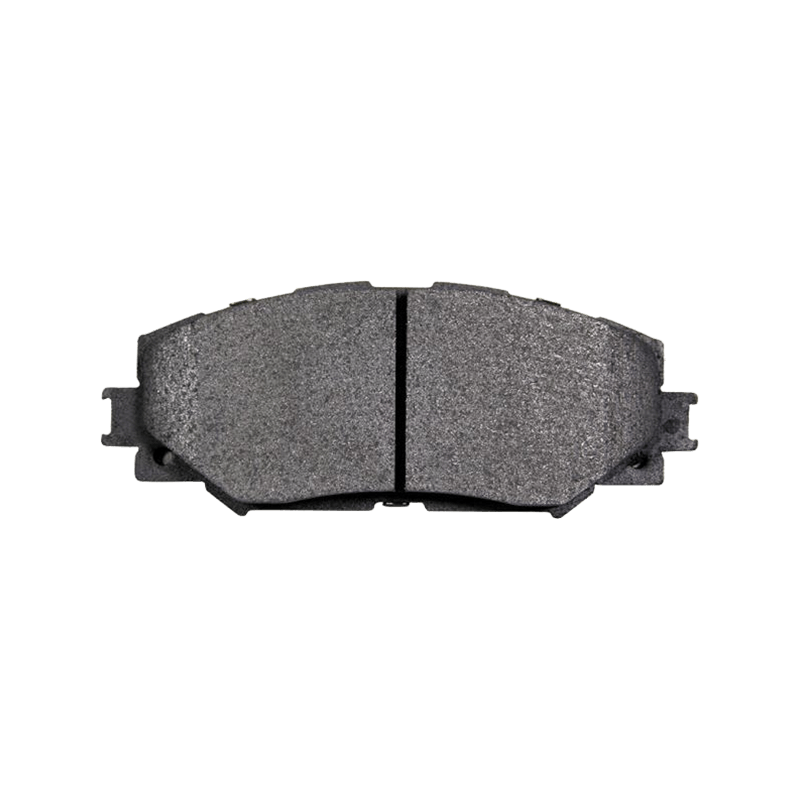
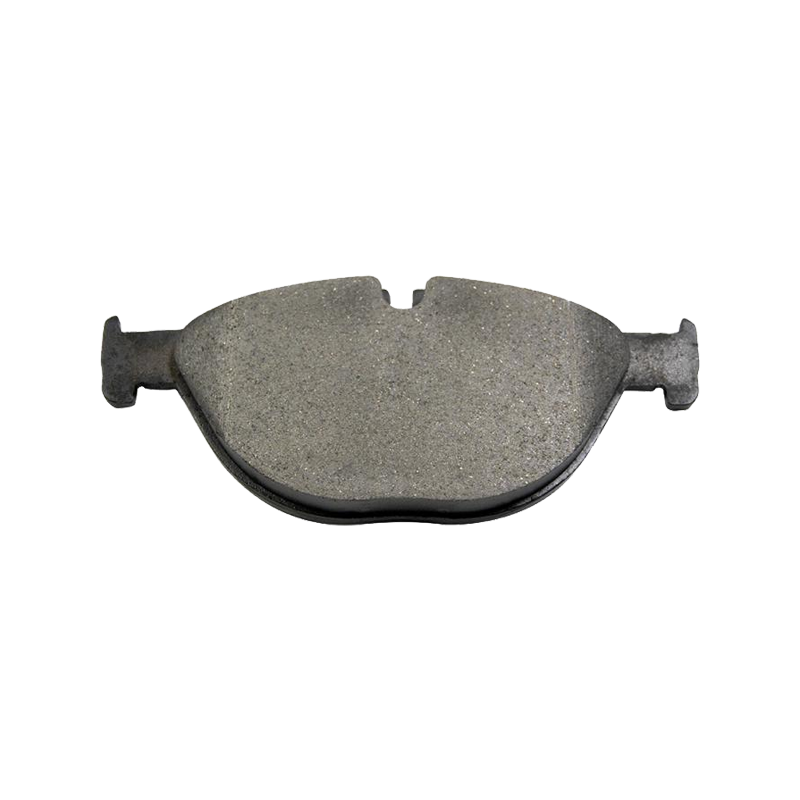
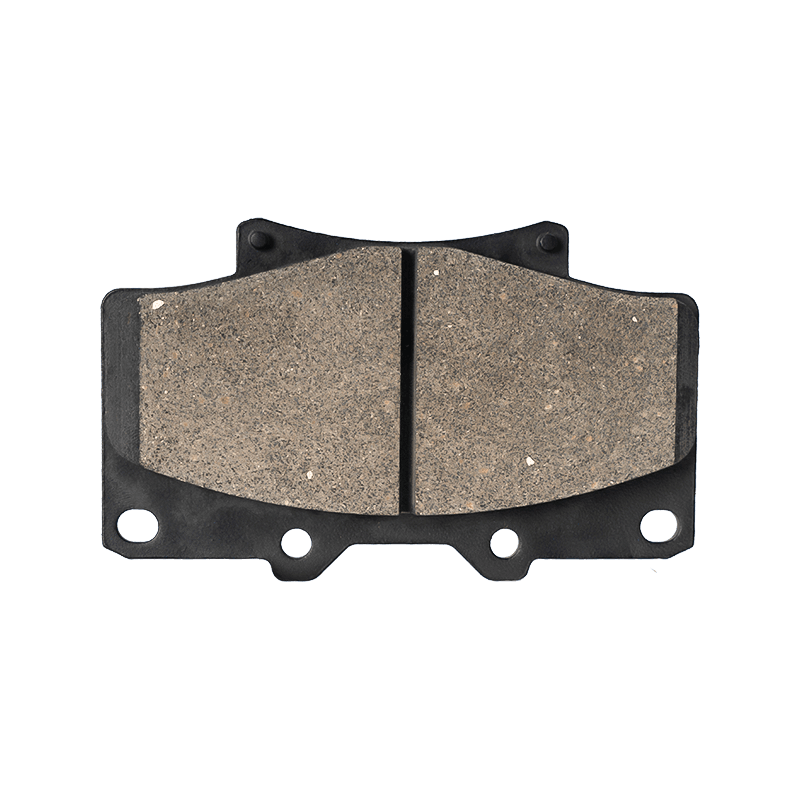
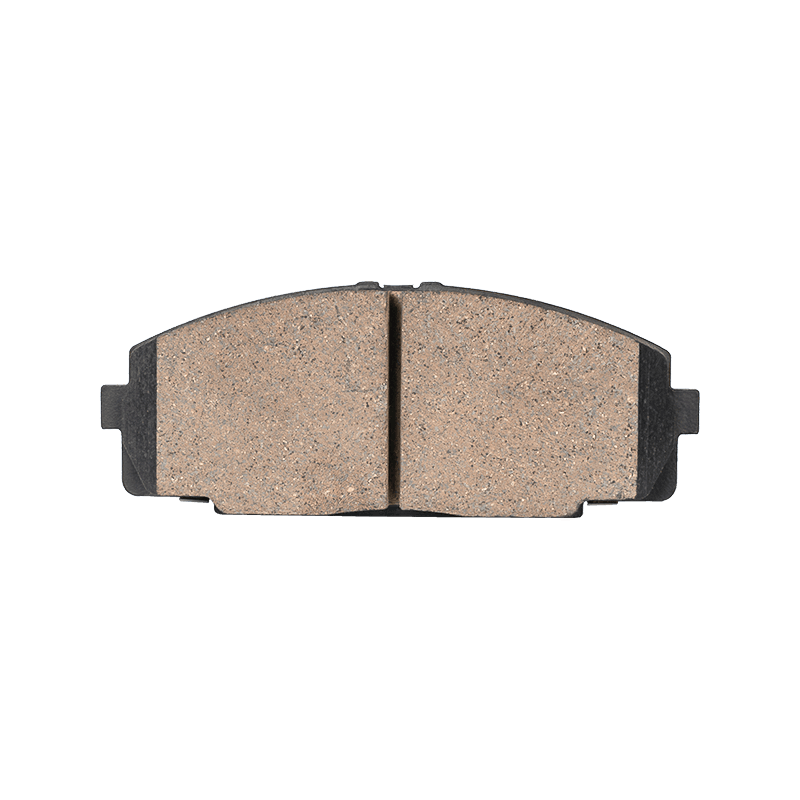
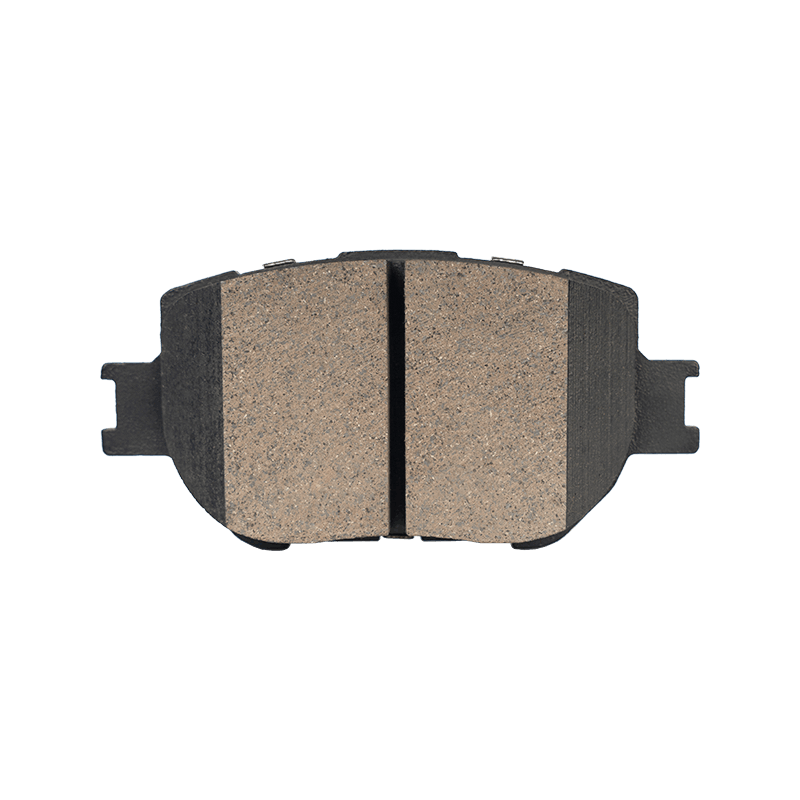
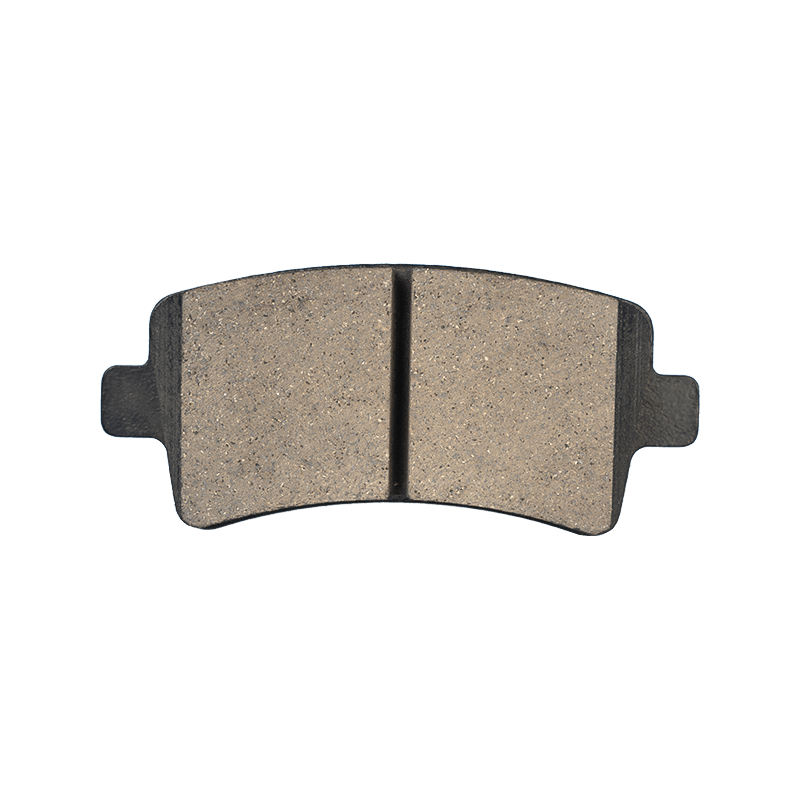
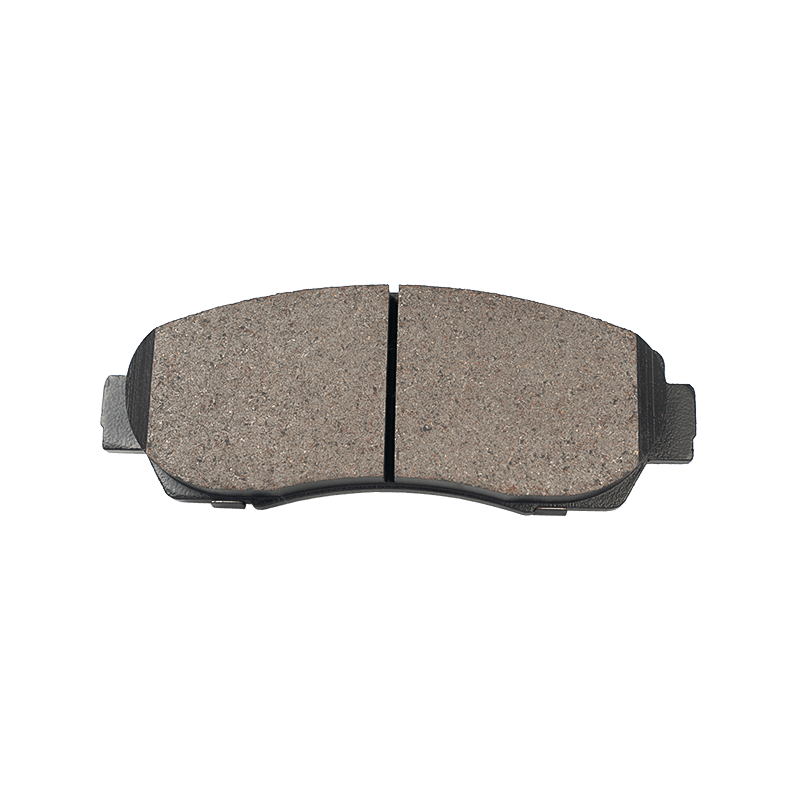
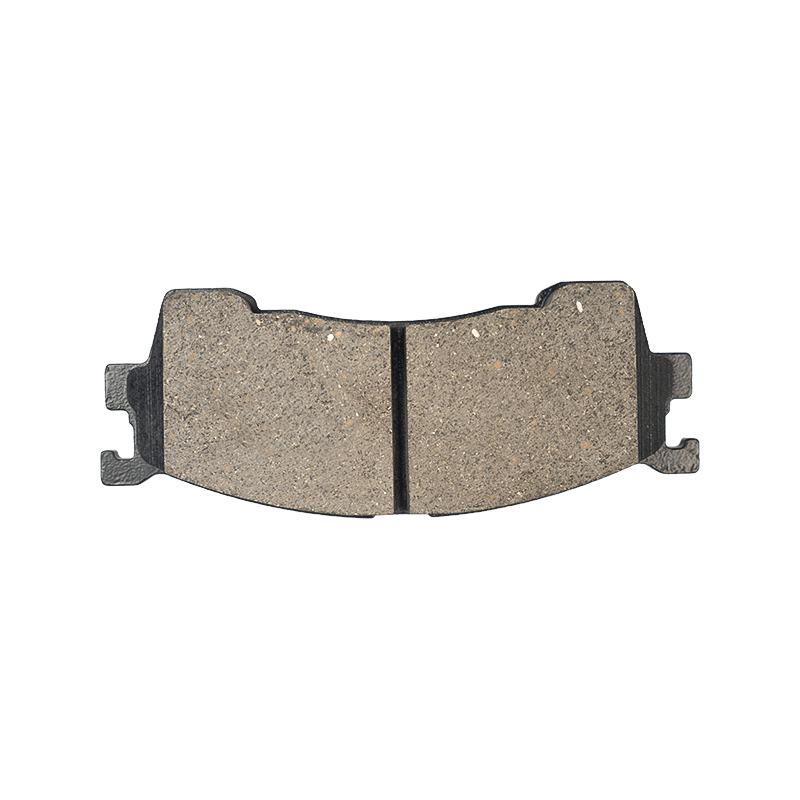
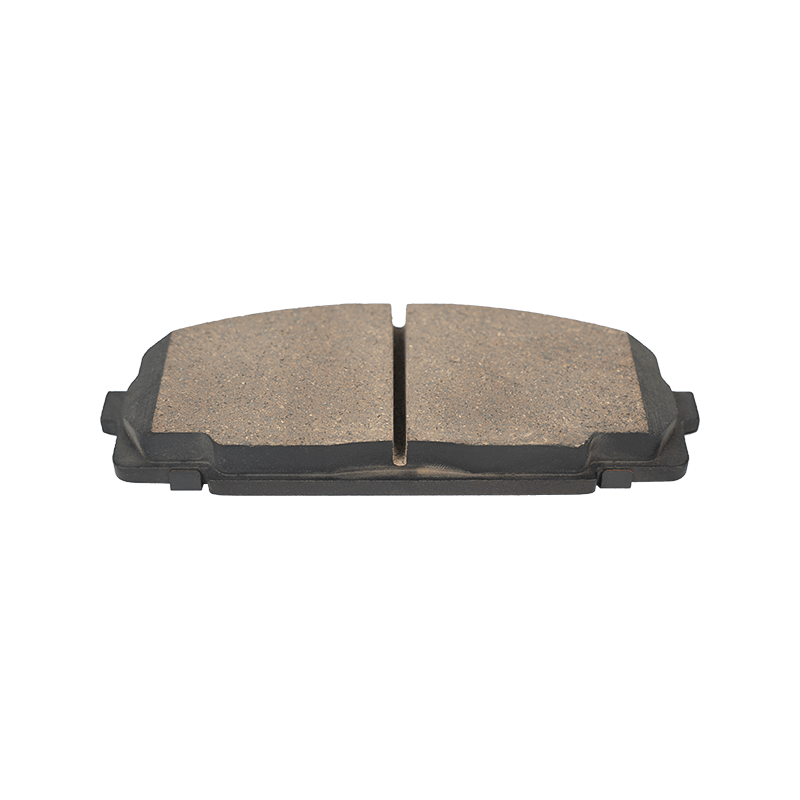
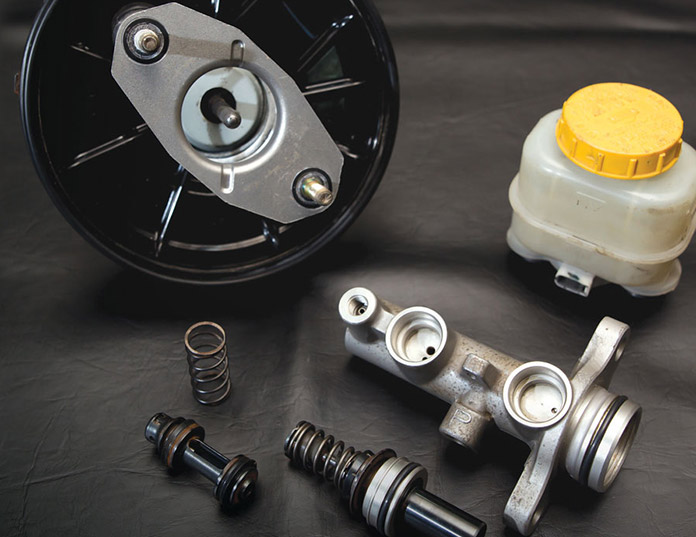
Yancheng Yanitiger Auto Parts Co., Limited is a China OE Quality Brake Pads Manufacturers and Custom High-Friction OE Quality Brake Pads Factory, Specializing in brake products manufacturer and our main products including brake master cylinder, brake slave cylinder, clutch master cylinder, clutch slave cylinder, calipers, brake pads and so on. With professional and normative operation, we have developed more than 3,000 models of products to offer our customers more competitive prices and the most efficient and satisfying services.
We have more than 1,000 brake shoes and brake pads for European, American, Russian, Japanese and Korean cars. The associated factories have created a highly experienced manufacturing team that exports thousands of auto part products worldwide. High quality and competitive prices are our targets. Our products have gained the certifications of ISO9001 and TS16949. We have built up a solid reputation with our customers in more than 30 countries.
We are looking forward to having a brighter and more successful business in the near future together with all of our clients all over the world.
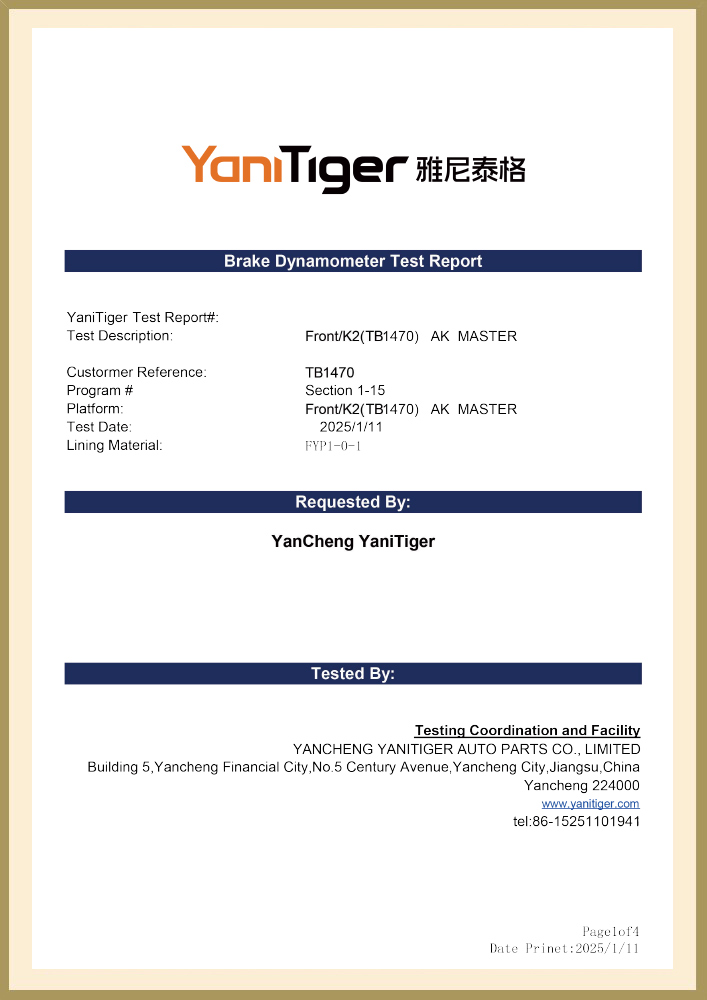
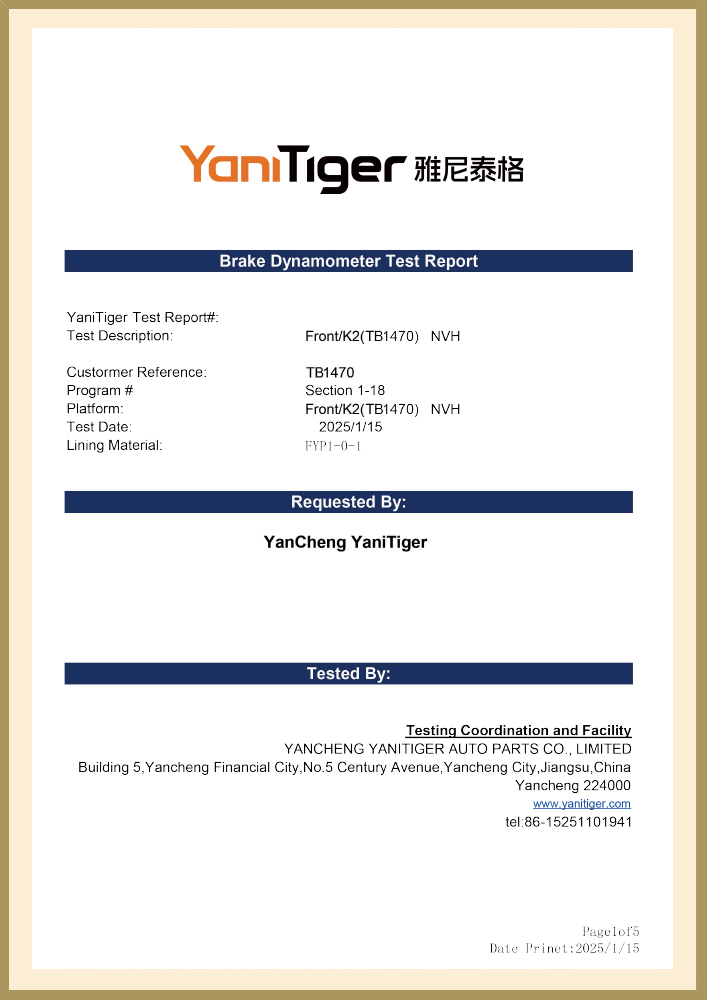
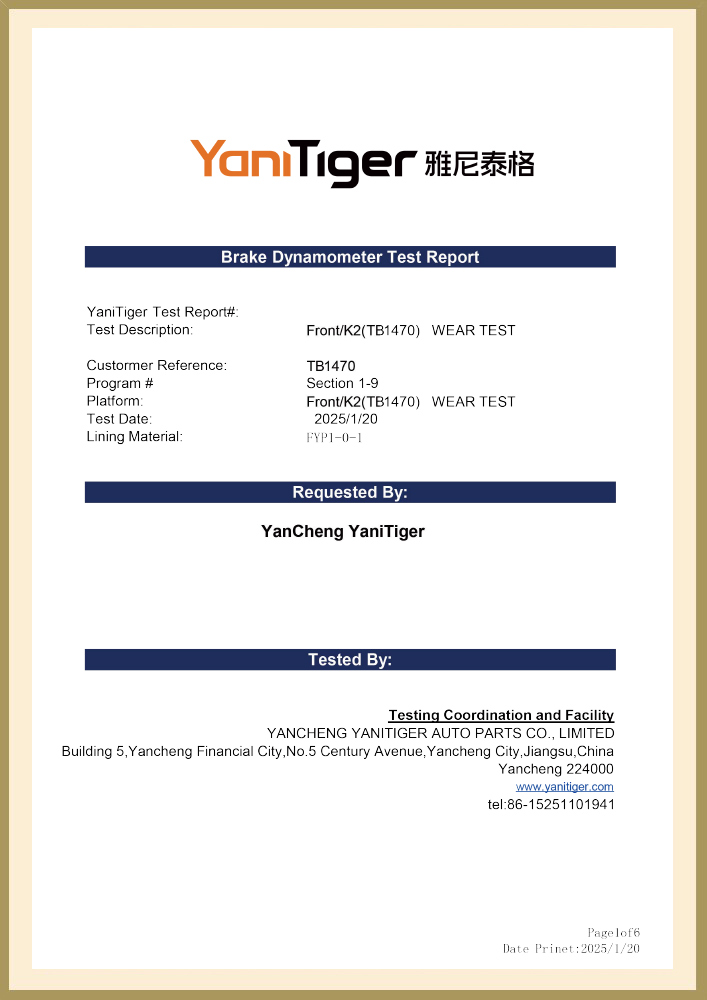
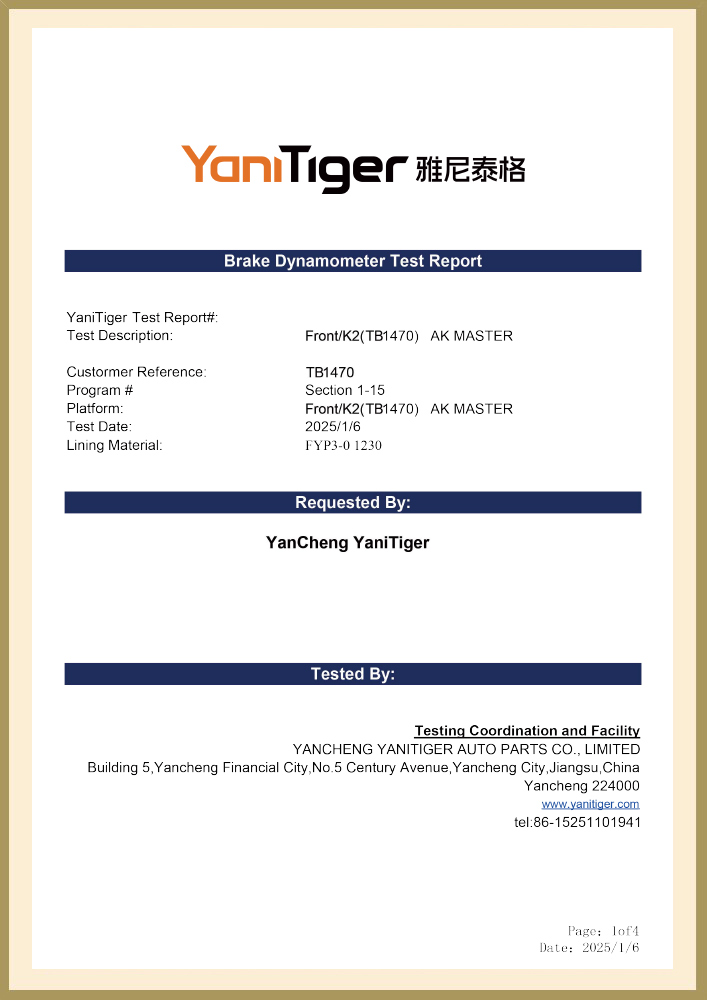
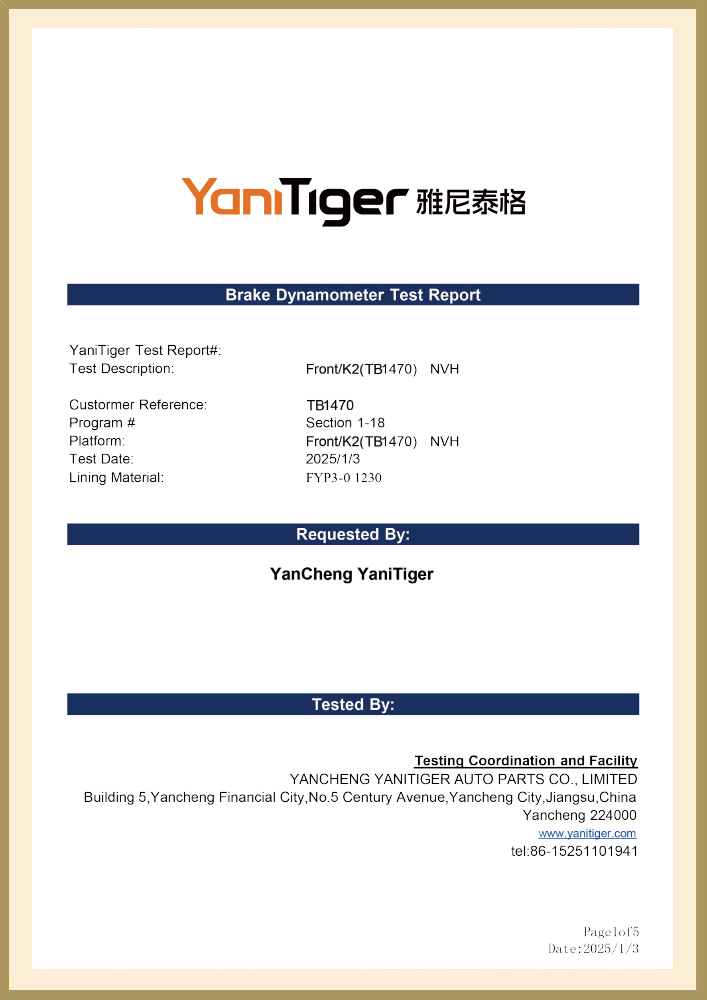
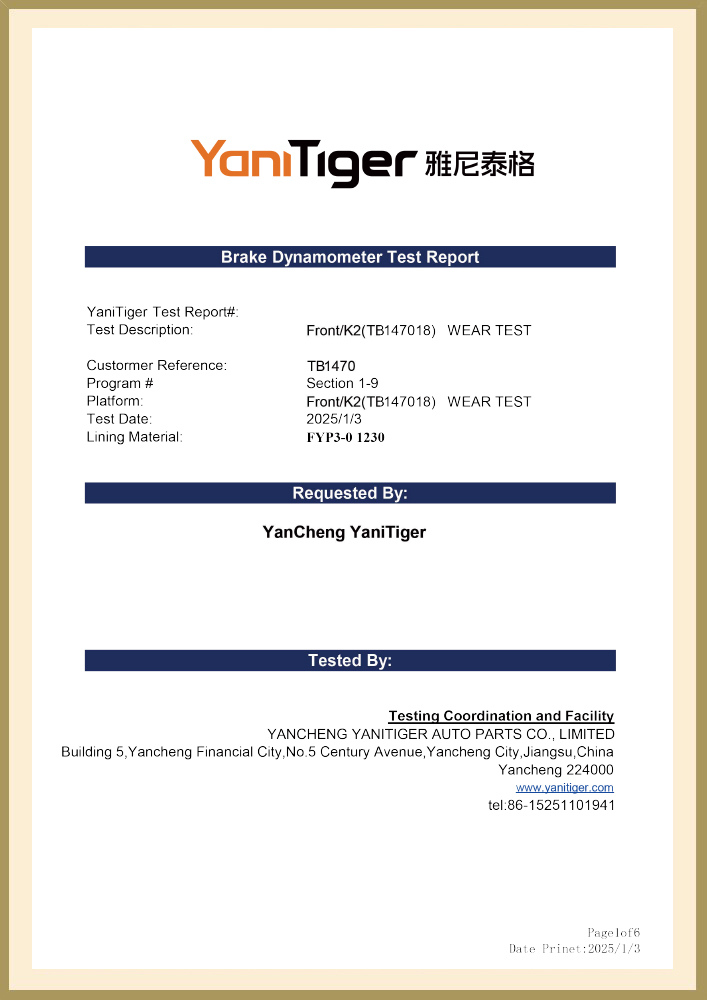
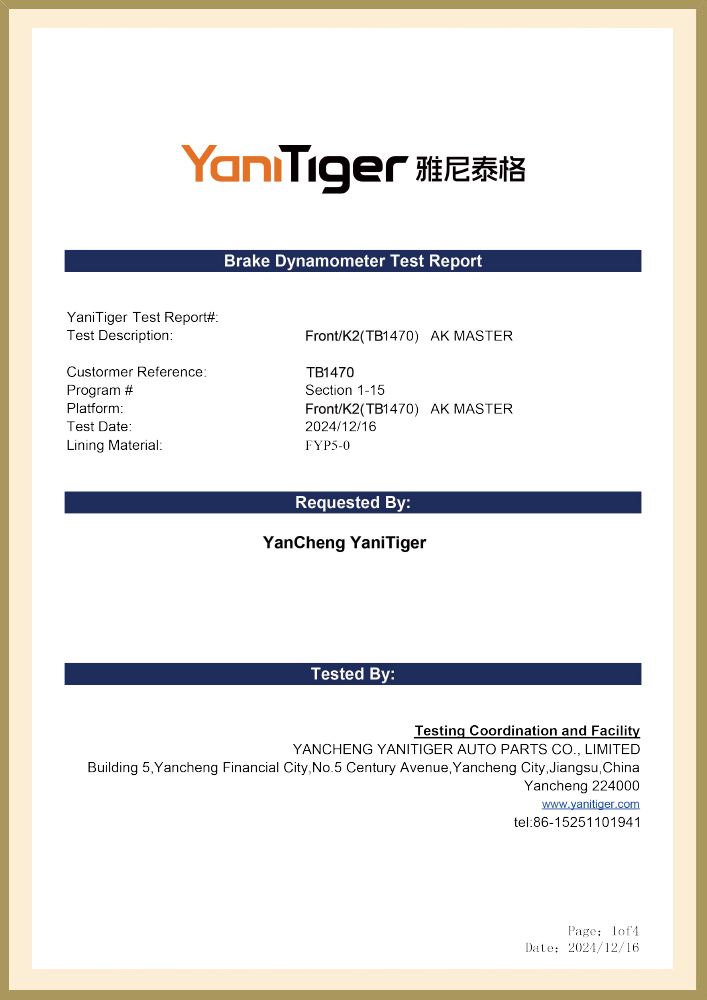
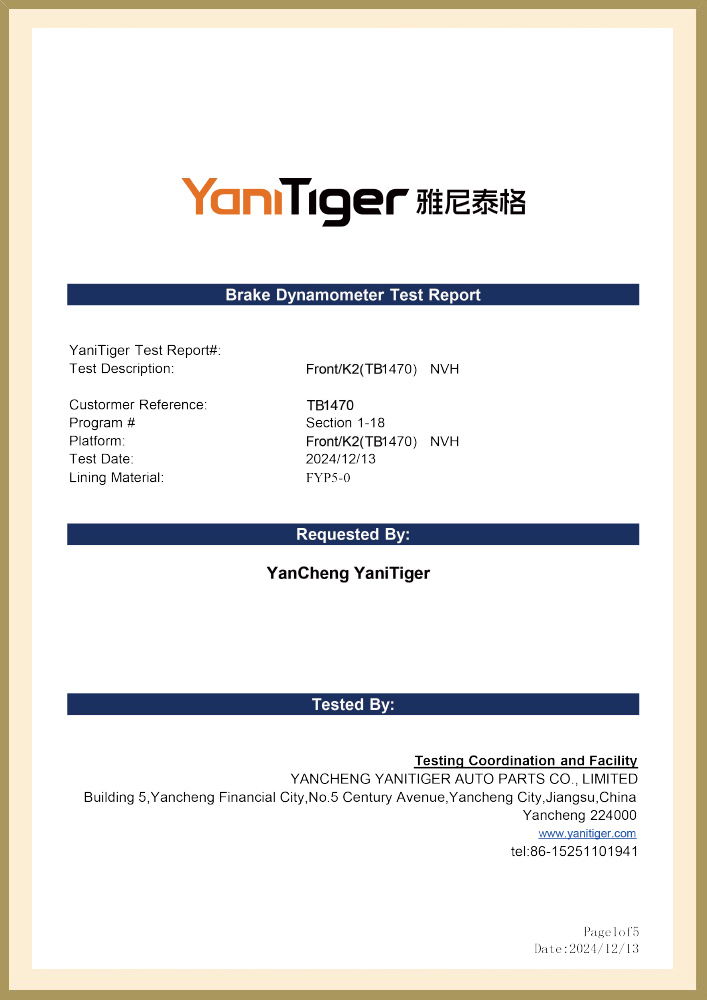
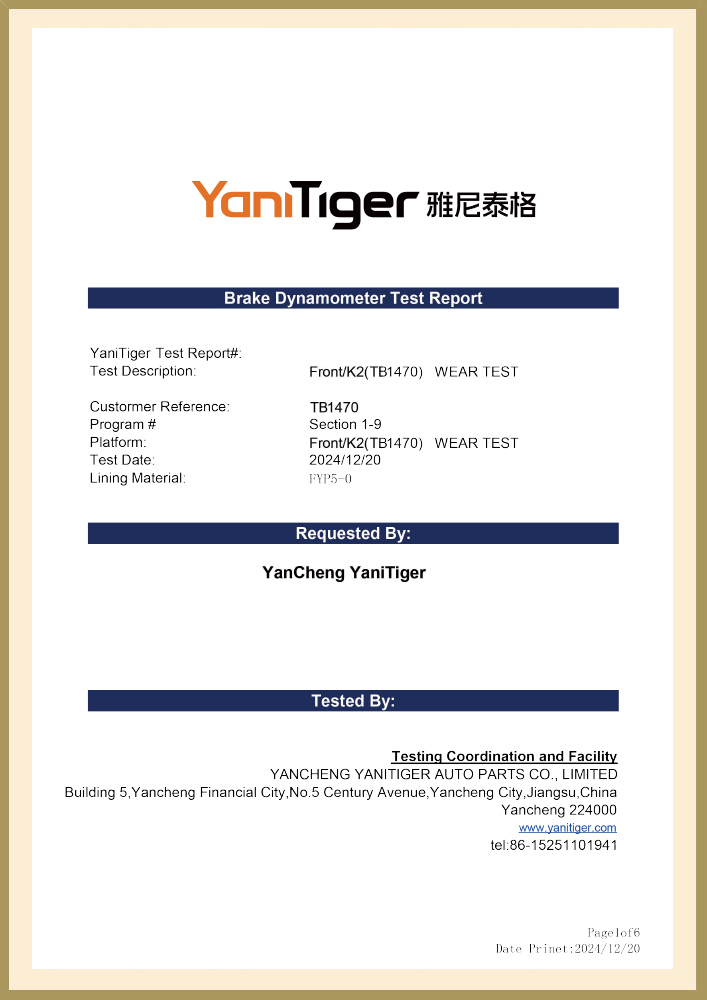
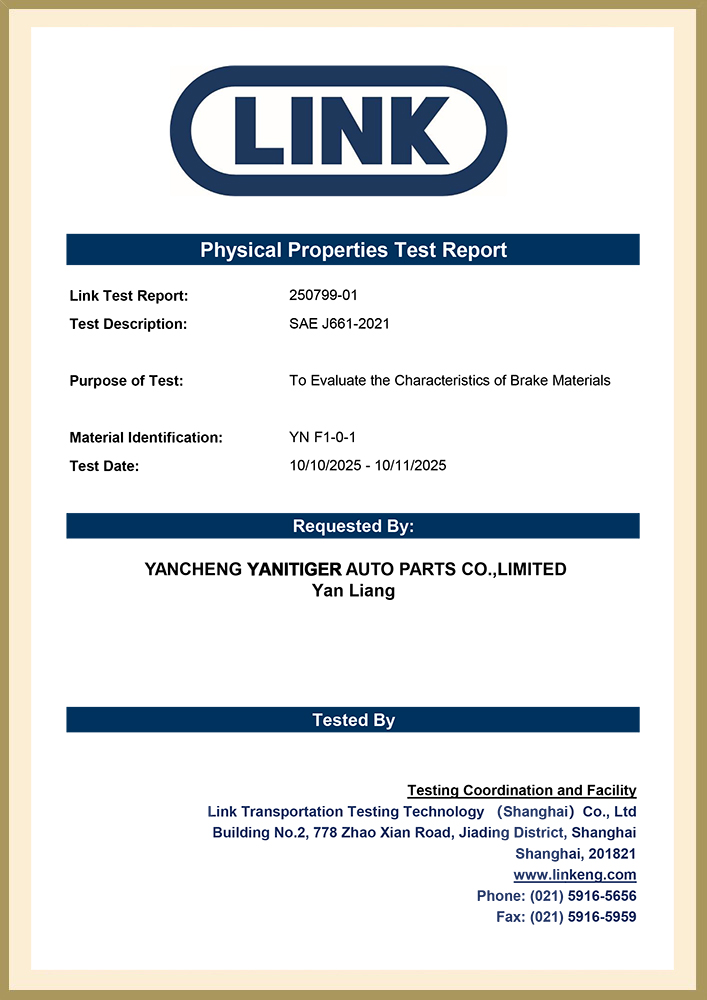
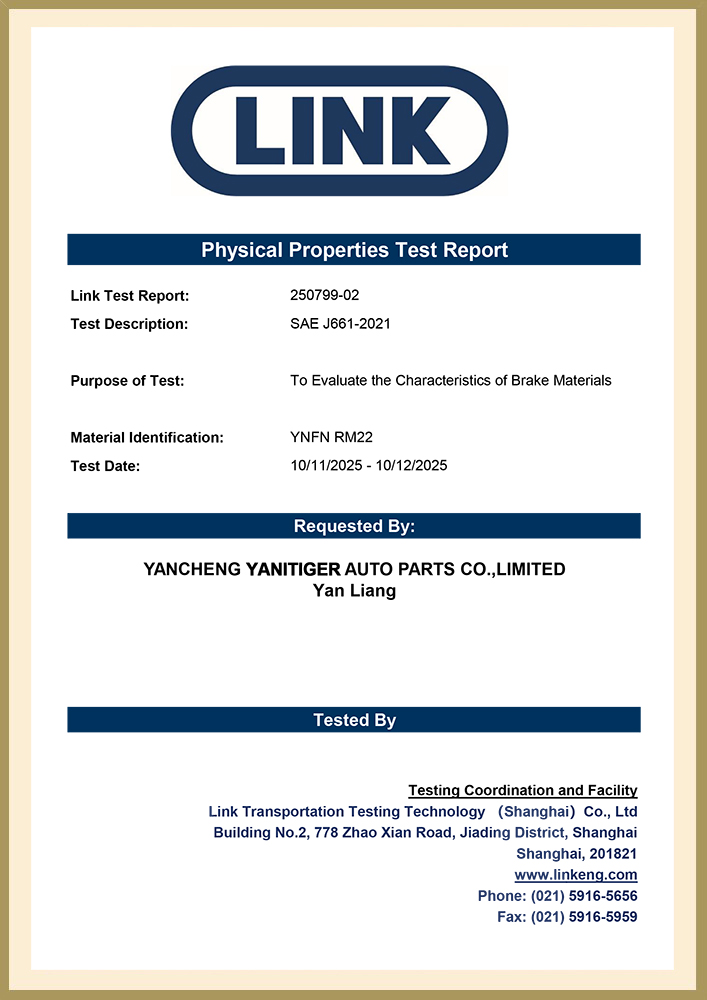
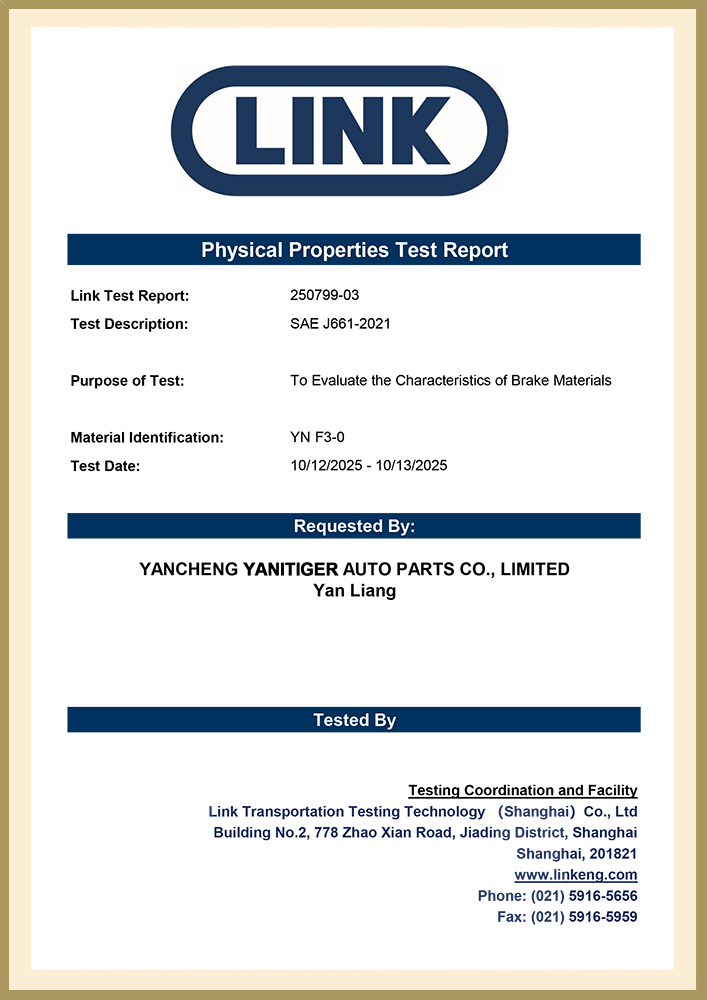
Why Choose OE Quality Brake Pads? When selecting brake pads, OE QUALITY BRAKE PADS ensure precise fit, optimal braking performance, and long-term durability. Unlike generic pads, OE pads are engineered to meet the origi...
READ MORE