
 en
en
A soft brake pedal does not appear suddenly. It develops over weeks of neglected fluid checks and worn brake pads. By the time the pedal sinks close to the floor, the repair bill usually includes a new master cylinder, not just fresh friction material. Brake system maintenance is safety maintenance. It catches small problems while they are still cheap and simple, and it keeps stopping distances predictable, regardless of the vehicle's age or driving conditions.
Why Brake System Maintenance Deserves Priority
Brakes convert the kinetic energy of a moving vehicle into heat. A single hard stop from highway speed can push component temperatures into the hundreds of degrees, wearing pads, thinning fluid, hardening seals, and stressing rotors. None of this is a defect; it is normal operation. Brake system maintenance simply resets those conditions before they reach a dangerous limit.
The economic argument is even more direct. Replacing worn pads and refreshing fluid at the correct interval is a low-cost scheduled job. Postponing that job lets the rotor contact steel backing plates and lets a neglected caliper bind, turning a two-hour service into a brake overhaul. Industry aftermarket data consistently ranks brake components among the most frequently replaced safety parts on passenger vehicles, precisely because wear is inevitable and inspection is cheap.
The conclusion comes first so the rest of this guide is easier to use: follow a service interval, inspect the friction surface, replace brake fluid on schedule, and never ignore a continuous noise. That routine alone eliminates the majority of roadside brake failures.
Brake System Components: What You Are Actually Maintaining
Brake system maintenance is simpler when every part has a defined job. The mechanical chain runs from the pedal to the road surface: the pedal pushes the master cylinder, the master cylinder pressurises brake fluid, the fluid moves the calipers or wheel cylinders, and the friction material clamps the rotor or drum. The isometric view below shows how the hydraulic circuit is laid out.
- Brake master cylinder converts pedal effort into hydraulic pressure. An internal leak here makes the pedal sink gradually.
- Brake lines and hoses carry fluid to each wheel. Flexible hoses crack and balloon; steel lines corrode from road salt.
- Brake calipers hold the pads and squeeze the rotor. Seized sliding pins cause one-sided pad wear and a pulling car.
- Brake rotors dissipate heat and provide the friction surface. They go out of true when heavily worn or overheated.
- Brake pads are the sacrificial friction layer. They wear down by design and need measuring, not guessing.
On the hydraulic side, replacement master cylinders, wheel cylinders, and calipers must match the original bore size and mounting geometry. This is why the brake system product catalogue lists every part by its OEM reference number.
Seven Warning Signs That Brake System Maintenance Is Due
Modern brakes rarely fail without giving clues. These seven symptoms cover the situations a driver or fleet inspector is most likely to meet:
| Symptom | What it usually means | Urgency |
|---|---|---|
| High-pitched squeal while braking | Wear indicator contacting the rotor or glazed pads | Schedule soon |
| Grinding or metal-on-metal noise | Pad backing plate rubbing the rotor | Very high |
| Soft or sinking pedal | Low fluid, air in the lines, or a master cylinder leak | Very high |
| Pulsing through the pedal | Rotor thickness variation or excessive runout | High |
| Car pulls to one side on braking | Seized caliper slide or uneven pad wear | High |
| Brake warning light on dash | Low fluid level, pad wear sensor, or ABS fault | Inspect promptly |
| Burning smell after descending a hill | Overheated brake fluid or dragging pads | Moderate |
For a detailed method of measuring pad thickness and reading wear patterns, see our guide explaining how to tell if your brake pads are worn.
The Core Brake System Maintenance Routine
A complete brake system maintenance session takes about an hour per axle when nothing needs replacement. This is the order a careful technician follows:
- Visual pad check. Measure remaining friction thickness through the caliper openings. Replace pads before they reach 3 mm, not after they reach the 2 mm steel backing plate.
- Rotor inspection. Measure thickness with a micrometer and compare it with the minimum value cast into the rotor hat. Also check runout; more than 0.05 mm will pulse through the pedal.
- Caliper service. Confirm the sliding pins move freely and cleanly, the rubber boots are intact, and the piston seal shows no fluid weeping.
- Fluid check. Fluid should be clear to pale amber. Dark brown fluid or a burnt smell means the fluid has degraded, so flush it.
- Line check. Look for cracked rubber hoses, corroded steel lines, and wet spots around every fitting. Park on a clean surface and check for drips after a drive.
- Test drive. At low speed, apply steady firm pressure and note pedal travel, noise, and any pull. Repeat after a flush to confirm proper bleeding.
Drivers who only brake in light traffic can stretch these intervals; drivers who tow, drive on hills, or use a vehicle commercially should shorten them.
How Often Should Brake Components Be Serviced?
Service life is usually quoted as a distance for friction parts and as a time for fluids. The ranges below are typical for a passenger sedan in mixed urban driving, based on vehicle manufacturer guidance and parts supplier recommendations:
Read these ranges as planning data, not exact predictions. A front pad set that lasts 60,000 km in highway commuting can be finished in 20,000 km of heavy stop-and-go traffic or frequent towing. What matters is the measured thickness at each inspection, not the calendar alone.
Brake Fluid: The Small Component That Boils Under Pressure
Brake fluid is the only liquid in the braking system, and it must never compress. The problem is that DOT 3 and DOT 4 fluids are hygroscopic: they absorb water from the air through the reservoir vent and rubber hoses. Water lowers the fluid's boiling point. New DOT 4 fluid has a dry boiling point around 230°C; with about 3.5% water content, it drops to roughly 155°C.
When the fluid boils, vapour bubbles form inside the hydraulic circuit. Unlike a liquid, a vapour bubble compresses, so the pedal goes soft exactly when the brakes are working hardest. Flushing the fluid every two years is the most cost-effective maintenance item on a car, and it costs far less than a caliper rebuild caused by moisture damage.
Preventive Maintenance vs. Deferred Repairs
A common question is whether waiting a bit longer saves money. It does not. Pad replacement and a fluid flush keep the original rotors and calipers in service. Once pads wear down to metal, the rotor needs machining or replacement, the caliper often needs new slides, and severe cases end with master cylinder failure as well.
The chart shows typical workshop cost ranges for a mid-size sedan. Deferred maintenance turns one low-cost ticket into multiple high-cost ones while exposing the vehicle to failure in normal traffic.
Choosing Replacement Parts That Last
Brake system maintenance ends at the parts counter, and the choice made there decides whether the next service comes in 20,000 km or 60,000 km. Brake pads are the most frequent purchase, so the friction compound matters as much as the brand. Ceramic pads suit daily commuting, while semi-metallic pads offer a harder initial bite for heavier vehicles. The radar chart below compares the two on the six characteristics buyers ask about most.
When you shop, check the friction material specification and the backing plate finish. A replacement disc brake pad set with documented friction material is the right foundation for a pad service.
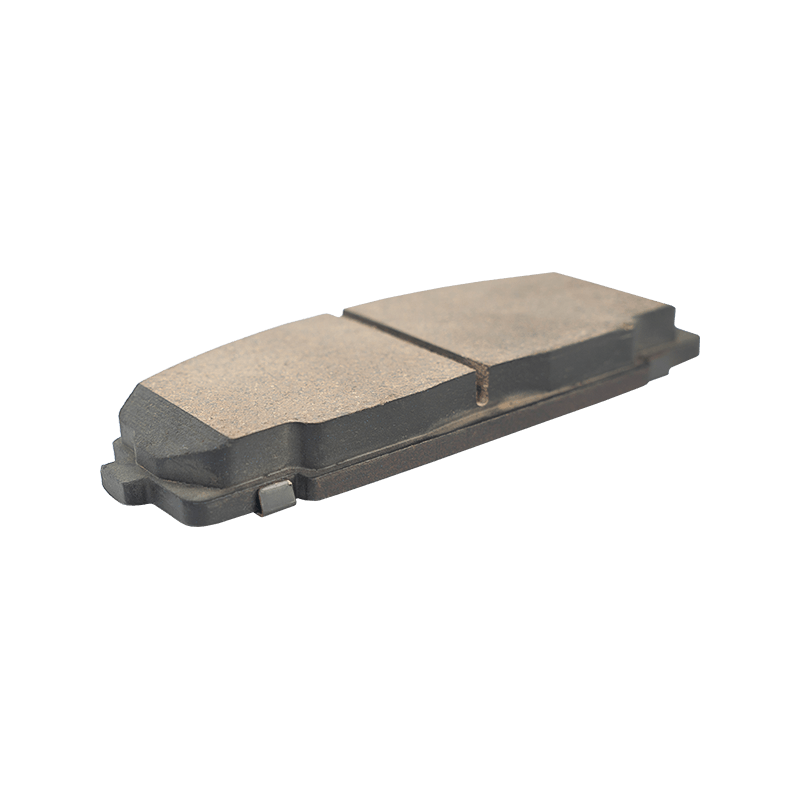 Wholesale OE NO 0446526320 Car brake pads for Toyota Suppliers,OEM Company - YanYancheng Yanitiger Auto Parts Co., Ltd is China OEM 0446526320 Car brake pads for Toyota suppliers and wholesale OE NO 0446526320 Car bra...View Product →
Hydraulic components follow a different rule: the bore size and mounting geometry must match the original. A brake master cylinder for Toyota models with the correct bore keeps pedal travel and brake balance predictable, which is why OEM reference numbers matter at the point of purchase.
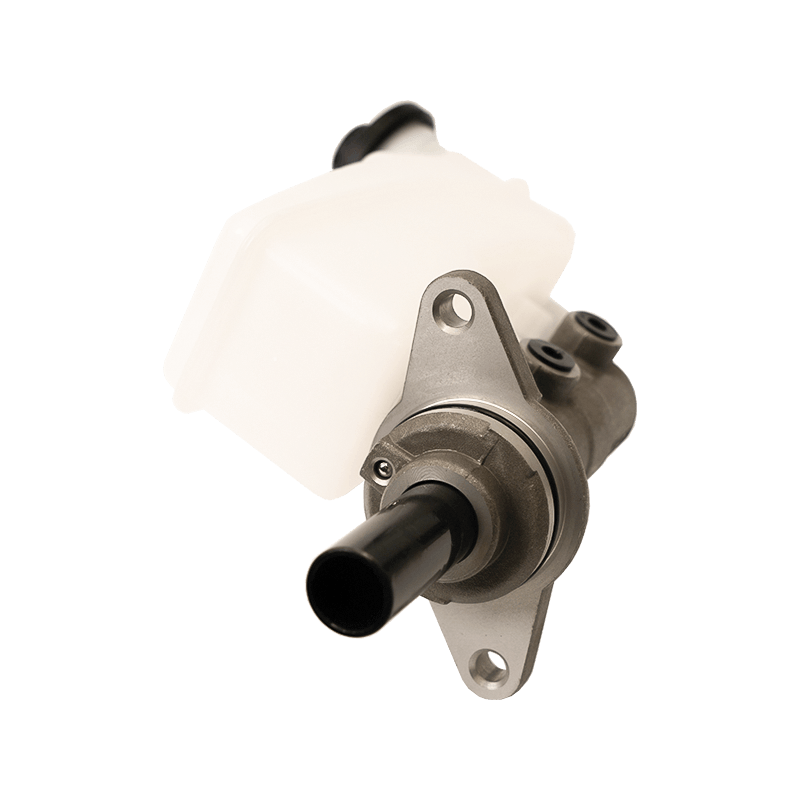 Wholesale OE NO 47201-0K010 Brake Master Cylinder for Toyota Suppliers,OEM CompaYancheng Yanitiger Auto Parts Co., Ltd is China OEM 47201-0K010 Brake Master Cylinder for Toyota suppliers and wholesale OE NO 47201-0K01...View Product →
The caliper deserves equal attention. A caliper for Honda applications with clean sliding surfaces and an intact piston boot prevents the uneven pad wear that appears shortly after a sloppy rebuild. Long-lasting brake system maintenance is mostly a matter of avoiding the same part failing twice.
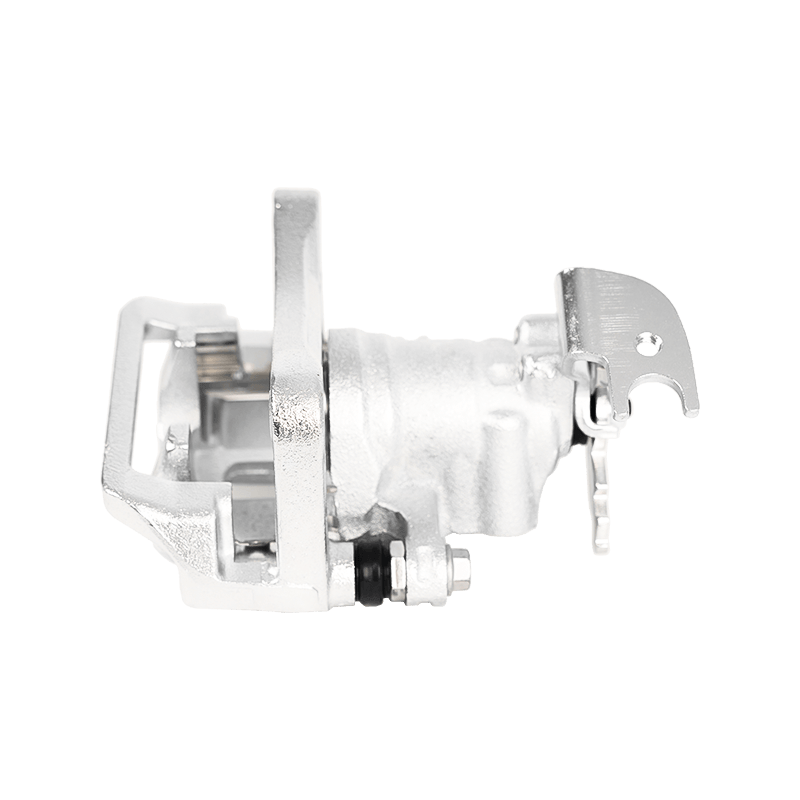 Wholesale OE NO 43018-TA0-A01 Brake Caliper for HONDA Suppliers,OEM Company - YaYancheng Yanitiger Auto Parts Co., Ltd is China OEM 43018-TA0-A01 Brake Caliper for HONDA suppliers and wholesale OE NO 43018-TA0-A01 Bra...View Product →
Frequently Asked Questions About Brake System Maintenance
Q1. How often should brake system maintenance be performed?
Most manufacturers recommend a complete brake inspection once a year or every 10,000–12,000 km. Brake fluid should be flushed every two years, and pads should be measured at the same scheduled interval.
Q2. What are the signs of worn brake pads?
High-pitched squealing, longer stopping distance, a pulsing pedal, and visible thickness below 3 mm are the clearest signs. Continuous metal grinding means the pads are completely worn through.
Q3. How much does brake maintenance cost?
A pad replacement plus inspection usually ranges from $150 to $350 per axle. A neglected system with rotor and caliper work can exceed $1,000. Preventive maintenance is always less expensive than repairs.
Q4. What does low brake fluid mean?
Low fluid points to worn pads, where the caliper piston moves further out, or to a leak in the hydraulic circuit. Top up only as a temporary measure and find the root cause.
Q5. Can I drive with the brake warning light on?
No. The brake warning light signals low fluid, a pad wear sensor, or an ABS fault. Even if the pedal feels normal, the underlying issue will not repair itself, so schedule an inspection immediately.
Q6. How long do brake pads last?
Typical pad life is 30,000–70,000 km. Stop-and-go city driving, towing, and mountain roads shorten it; highway driving extends it. Always confirm with a physical measurement.