 Search
 Eng
Eng 
 English
 Español
 Português

 Home / Newsroom / Industry News / How to Tell If Your Brake Pads Are Worn: 6 Signs You Shouldn’t Ignore
 How to Tell If Your Brake Pads Are Worn: 6 Signs You Shouldn’t Ignore
 2026.04.30
 Industry News
If your brake pads are worn, you'll usually notice it before a mechanic does. The most common warning signs include squealing or grinding noises, a vibrating brake pedal, longer stopping distances, and visible thinning of the pad material. Catching these signs early is the difference between a simple pad replacement and a costly rotor or caliper repair. This guide walks you through exactly what to look and listen for — and what to do about it.
Content
- 1 Why Brake Pad Condition Matters More Than You Think
- 2 6 Signs Your Brake Pads Are Worn
- 3 Brake Pad Wear: At a Glance
- 4 How Long Do Brake Pads Last?
- 5 Choosing the Best Brake Pads for Daily Driving
- 6 Brake Pad Dust Comparison by Type
- 7 Tips to Extend Brake Pad Life
- 8 About Yancheng Yanitiger Auto Parts Co., Limited
- 9 Frequently Asked Questions
Why Brake Pad Condition Matters More Than You Think
Brake pads are the first line of contact in your vehicle's stopping system. When they wear down, the metal backing plate begins to press directly against the rotor — causing damage that multiplies repair costs fast. According to industry data, replacing brake pads alone costs an average of $150–$300 per axle. Wait too long and add rotor resurfacing or replacement, and that figure can jump to $400–$700 or more.
For daily drivers, choosing the best brake pads for daily driving — ones that are low-dust, quiet, and durable — is just as important as replacing them on time. The right pad protects your rotors, keeps your wheels clean, and reduces brake noise significantly.
6 Signs Your Brake Pads Are Worn
1. Squealing or High-Pitched Squeaking
Most brake pads include a small metal wear indicator tab. When pads wear down to approximately 2–3mm of remaining material, this tab contacts the rotor and emits a high-pitched squeal — by design. This is your first audible warning. If you're looking for quiet brake pads, high-quality ceramic or semi-metallic options tend to reduce this noise significantly during normal use, but the wear indicator will still do its job when needed.
2. Grinding or Metal-on-Metal Sound
A deep grinding noise when braking means the pad material is fully gone. The metal backing plate is now in direct contact with the rotor. At this stage, you are damaging your rotors with every stop. This is a safety issue — do not delay service.
3. Increased Stopping Distance
If your car takes noticeably longer to come to a full stop than it used to, brake pad wear is a likely culprit. Worn pads reduce clamping friction. At highway speeds, even a 10% reduction in braking efficiency adds several feet to your stopping distance — enough to make the difference in an emergency.
4. Brake Pedal Vibration or Pulsing
A pulsing or vibrating pedal often indicates warped rotors caused by uneven pad material transfer. This typically happens when heavily worn pads overheat repeatedly. While the rotor is the immediate cause, the underlying issue is usually neglected brake pads.
5. Visually Thin Pad Material
On most vehicles, you can see the brake pad through the wheel spokes without removing the wheel. The pad should be pressed against a metal rotor. If the pad appears less than 6mm thick (roughly the width of a pencil eraser), it's time for replacement. At 3mm or below, it's urgent.
6. Brake Warning Light on Dashboard
Many modern vehicles are equipped with electronic wear sensors in the brake pads. When the pad wears below a threshold — usually around 3mm — the sensor triggers the brake warning light on your dashboard. Don't confuse this with the parking brake light. If the brake warning light appears while driving with the parking brake disengaged, get your pads inspected immediately.
Brake Pad Wear: At a Glance
| Pad Thickness | Condition | Recommended Action |
|---|---|---|
| 10–12mm | New / Like New | No action needed |
| 6–9mm | Moderate Wear | Monitor closely, plan replacement |
| 3–5mm | Low — Replace Soon | Schedule replacement immediately |
| Below 3mm | Critical / Dangerous | Do not drive — replace now |
How Long Do Brake Pads Last?
Brake pad lifespan varies widely based on driving habits, vehicle type, and pad material. On average:
- City driving: 25,000–40,000 miles (frequent stops accelerate wear)
- Highway driving: 40,000–70,000 miles (fewer hard stops, slower wear)
- Mixed driving: 30,000–50,000 miles
Aggressive braking, heavy loads, and mountainous terrain all shorten pad life. Low dust brake pads made from ceramic compounds tend to outlast organic pads and produce significantly less brake dust — an especially important factor if you drive a dark-colored vehicle or care about wheel cleanliness.
Choosing the Best Brake Pads for Daily Driving
Not all brake pads are created equal. The three main types suit different needs:
- Organic (NAO) pads: Softer, quieter, and easier on rotors — but wear faster and may not perform well under heavy heat. Good for light city use.
- Semi-metallic pads: Excellent heat dissipation and stopping power. Slightly noisier and produce more dust. Well-suited for heavier vehicles or mixed driving conditions.
- Ceramic pads: The preferred choice for most daily drivers. They are among the best quiet brake pads available, generate minimal dust, last longer, and are gentle on rotors. They cost more upfront but save money over time.
If you commute daily and want to keep your wheels clean, reduce brake noise, and extend rotor life, low dust brake pads in a ceramic formulation are your best bet. They reduce brake dust deposits by up to 50–70% compared to organic or semi-metallic options.
Brake Pad Dust Comparison by Type
Tips to Extend Brake Pad Life
- Brake earlier and more gradually — Hard stops generate intense heat, which accelerates pad wear. Anticipate stops and ease into them.
- Avoid riding the brakes downhill — Use engine braking (shift to a lower gear) to reduce load on your pads when descending long grades.
- Reduce unnecessary weight — Extra load means more stopping force needed, which increases wear.
- Inspect pads every 12,000 miles — Many manufacturers recommend visual checks at every tire rotation.
- Choose quality pads from the start — OE-quality brake pads designed to match your vehicle's specifications last longer and protect rotors better than budget alternatives.
About Yancheng Yanitiger Auto Parts Co., Limited
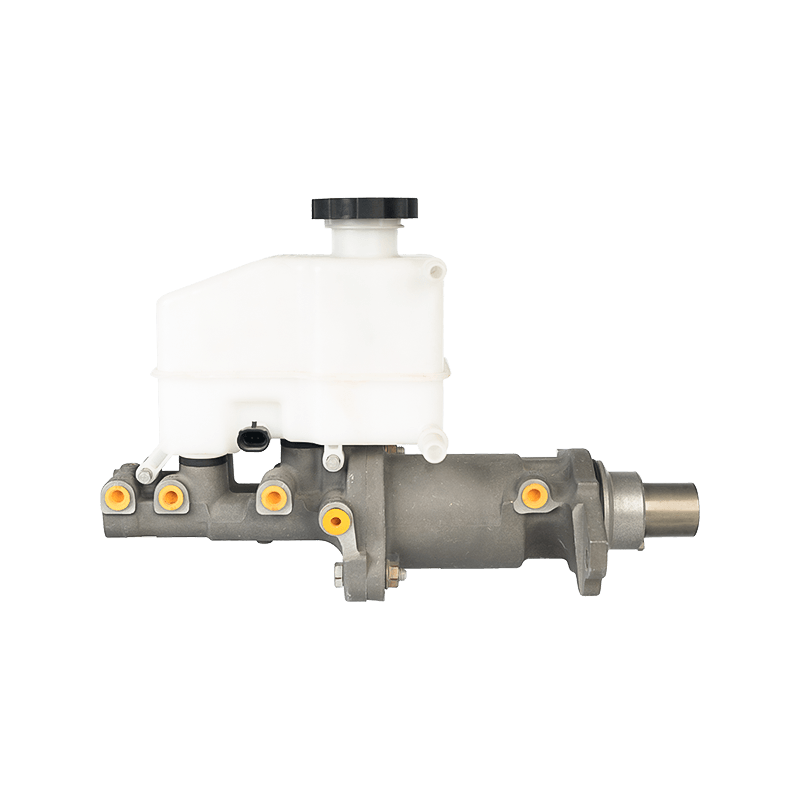
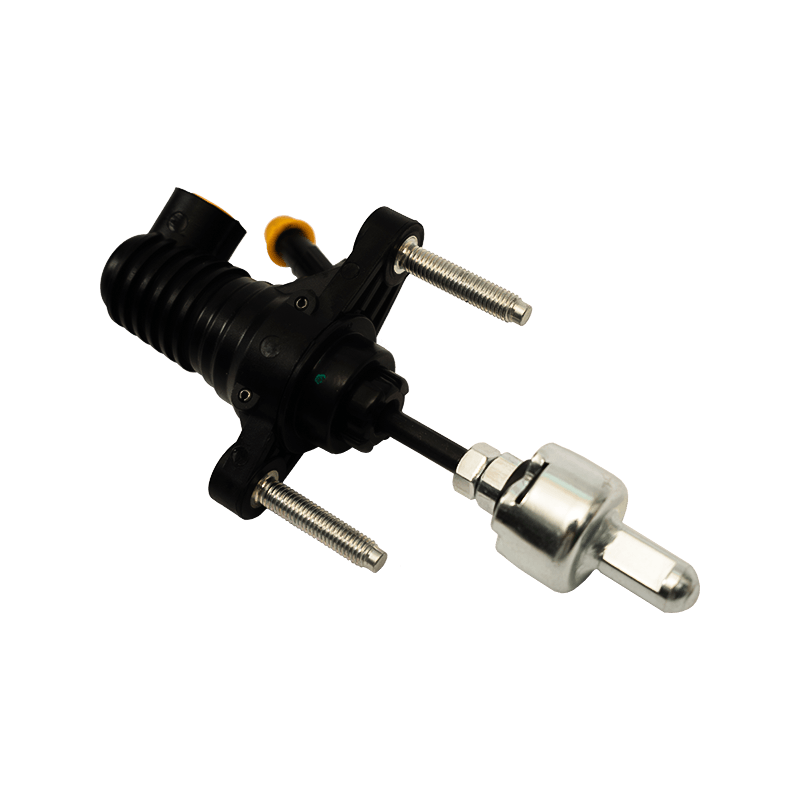
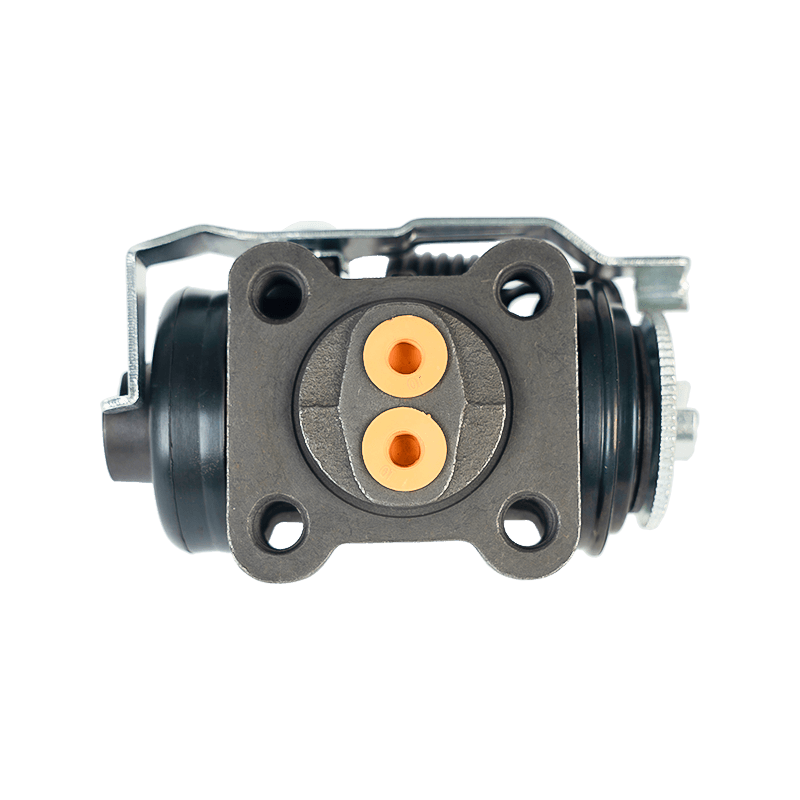
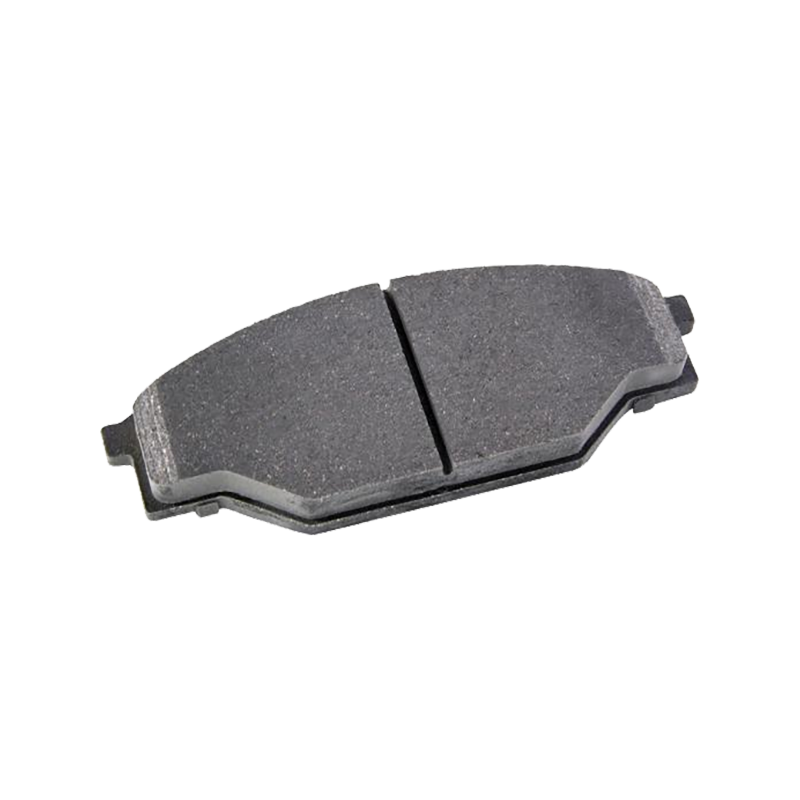
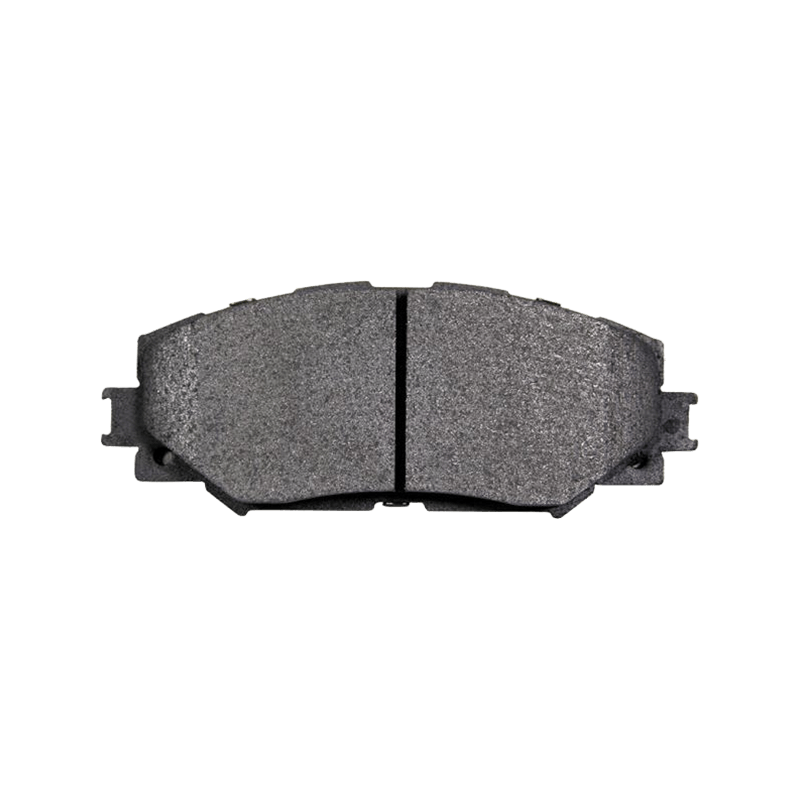
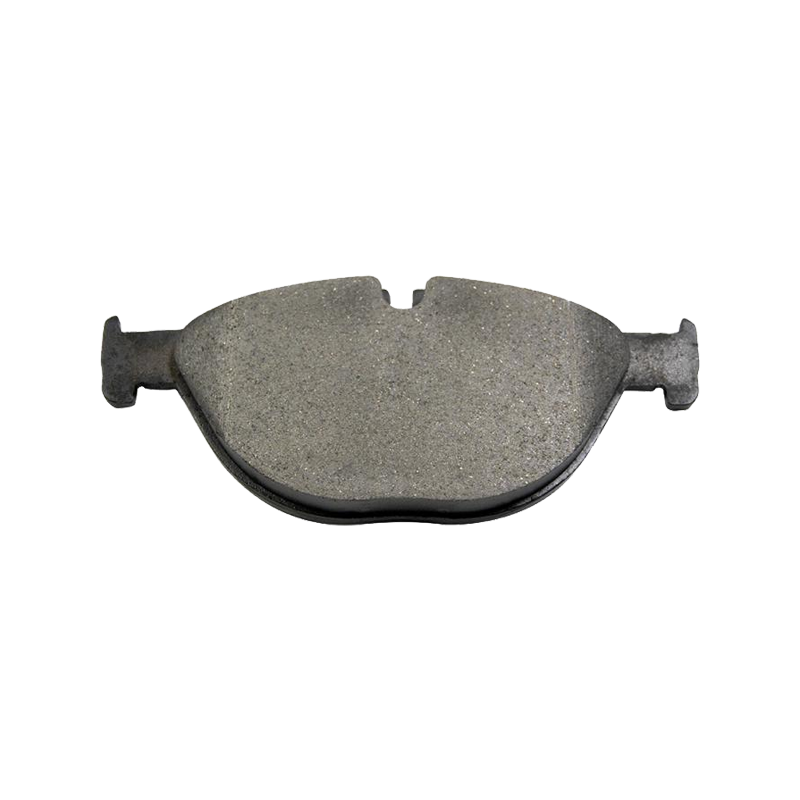
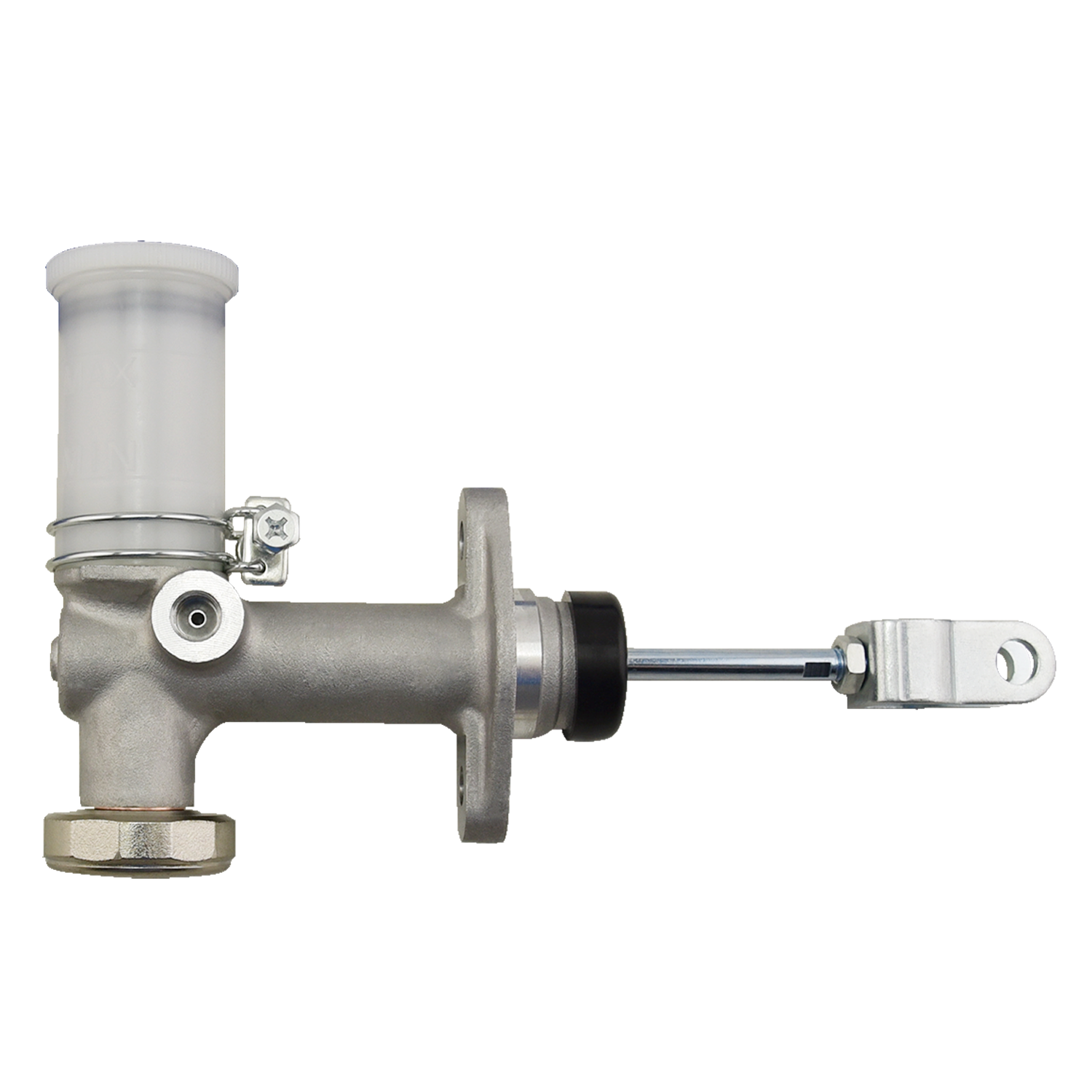
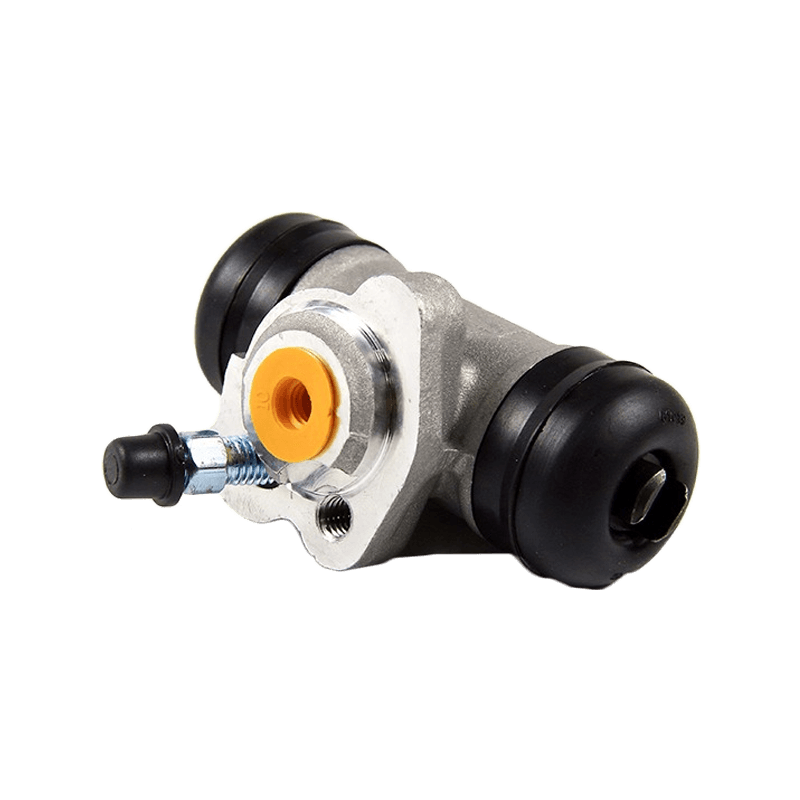
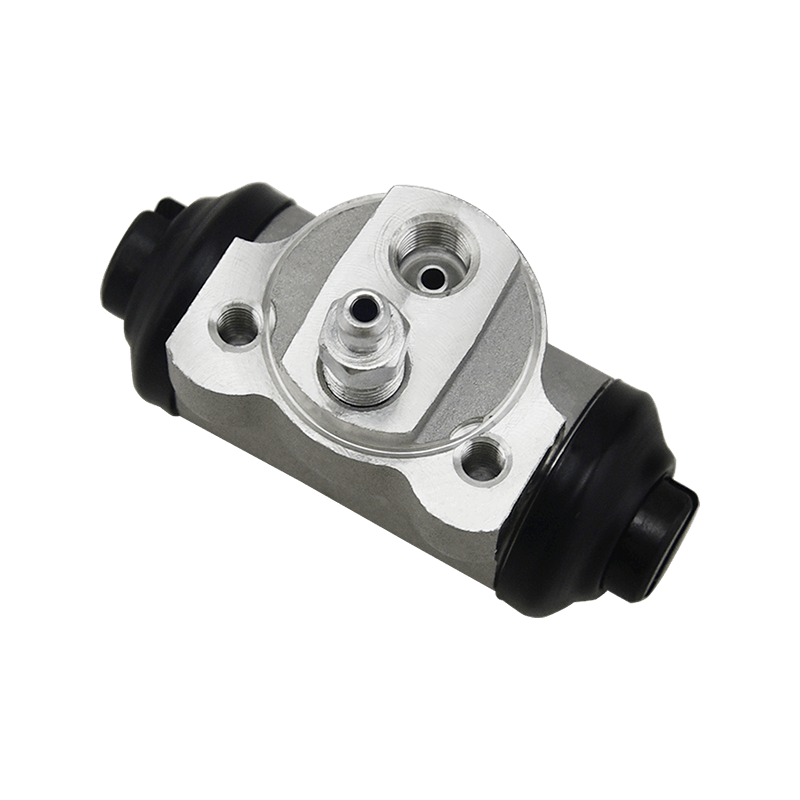
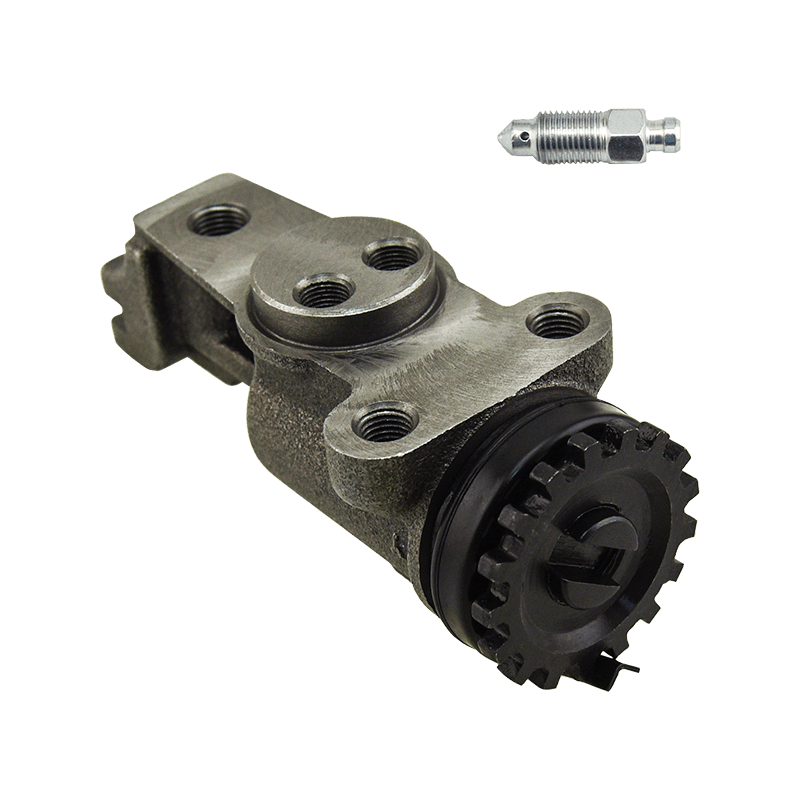
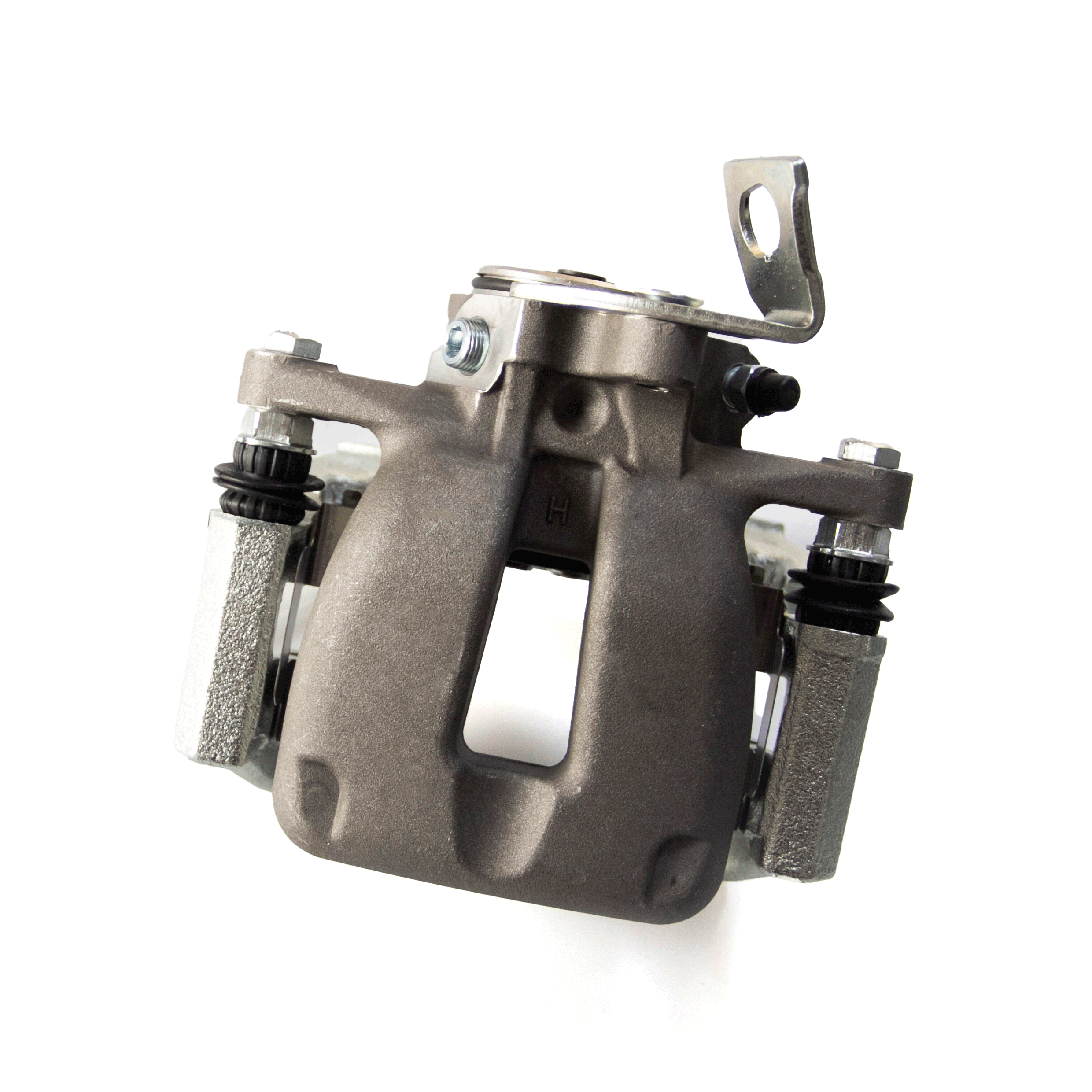
Yancheng Yanitiger Auto Parts Co., Limited is a China OE Quality Brake Pads manufacturer and Custom High-Friction OE Quality Brake Pads factory, specializing in brake products. Our main products include brake master cylinders, brake slave cylinders, clutch master cylinders, clutch slave cylinders, calipers, and brake pads.
With professional and standardized operations, we have developed more than 3,000 product models to offer our customers competitive prices and the most efficient, satisfying service. We stock more than 1,000 brake shoes and brake pads for European, American, Russian, Japanese, and Korean vehicles.
ISO 9001 Certified
TS16949 Certified
30+ Countries Served
3,000+ Product Models
Our highly experienced manufacturing team exports thousands of auto part products worldwide. High quality and competitive prices are our targets. We look forward to building a brighter and more successful business together with our clients all over the world.
Frequently Asked Questions

CONTACT INFOR.
-
 +86-152 5110 1941
-
 Info@yanitiger.com
-
 +86-152 5110 1941
-
 Building 5, Yancheng Financial City, No. 5 Century Avenue, Yancheng City, Jiangsu Province, China
Copyright © Yancheng Yanitiger Auto Parts Co., Limited All Rights Reserved. Custom Automobile Brake Products Factory OEM Automobile Brake Products Manufacturers
