
 en
en
Why Understanding Brake System Components Matters
A brake pedal that sinks slowly toward the floor, a squeal that appears only at low speed, or a front end that pulls to one side during braking. On their own, these symptoms are easy to dismiss. Together, they usually point to one or more worn car brake system components — and the faster you identify which one, the cheaper and safer the repair.
The practical conclusion is simple: most brake failures trace back to a handful of replaceable parts — brake pads, discs, calipers, master cylinders, and wheel cylinders — not to the whole system. A methodical inspection of these components, in order of wear rate, is what professional workshops actually do.
At YaniTiger, where brake and clutch components have been manufactured and exported since 1998, the same three causes keep showing up in aftermarket cases: the wrong part number fitted for the application, neglected brake fluid, and pads replaced far too late. Understanding each component's job is the best way to avoid all three.
The Core Car Brake System Components
The brakes on a modern passenger car divide into a few structural groups. The friction group generates stopping power, the hydraulic group transmits the driver's foot effort, and the control group interprets pedal input. Here is what each component does and how it lets you down when it fails.
Brake Pads and Discs — The Friction Pair
Brake pads are the replaceable friction blocks that squeeze against the disc, or rotor, to convert kinetic energy into heat. The pad material wears by design, which is why a typical set lasts 30,000–70,000 km depending on driving style and compound. The disc wears more slowly, but scoring, heat cracking, and thickness loss below the manufacturer's minimum all justify replacement as well. When a set is "down to the sensor", the friction layer is usually close to 2–3 mm — the point where replacement is no longer optional. YaniTiger's brake pad product range covers ceramic, semi-metallic, and high-carbon compounds for the main US, European, and Asian models.
Brake Calipers — The Clamping Mechanism
The caliper is the clamp. Its cast housing holds one, two, or four pistons that push the pads into the disc when hydraulic pressure arrives. Fixed calipers mount pistons on both sides of the rotor; floating calipers slide on guide pins so a single piston can press both pads. The most common faults are a stuck piston, a torn dust boot that lets in moisture and road salt, and a slow fluid weep past the seal. A seized caliper also produces uneven pad wear and a pull to one side. Our guide to how a brake caliper works and when it needs attention explains the symptoms in more depth. Because caliper design is application-specific, a model-matched part such as a brake caliper for Tesla keeps piston diameter and pad area identical on both sides of the axle.
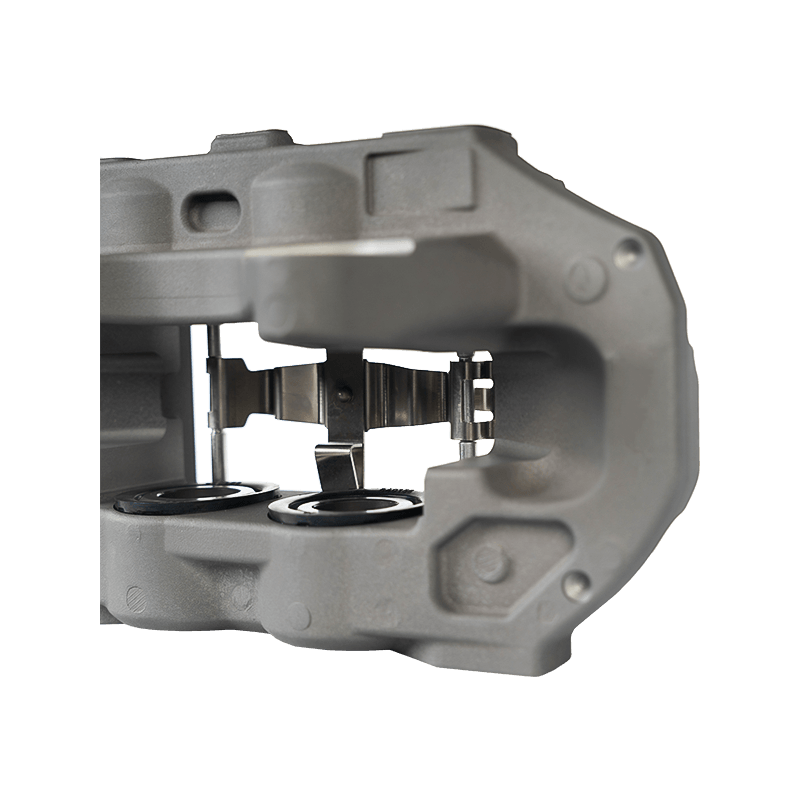 Wholesale OE NO 104462100 Brake Caliper for TESLA Suppliers,OEM Company - YancheYancheng Yanitiger Auto Parts Co., Ltd is China OEM 104462100 Brake Caliper for TESLA suppliers and wholesale OE NO 104462100 Brake Calip...View Product →
Brake Master Cylinder and Wheel Cylinders — The Hydraulic Heart
The master cylinder sits directly behind the brake pedal and converts mechanical pedal travel into hydraulic pressure. When its internal seals age, you get the classic complaints of a low pedal or a pedal that slowly sinks to the floor. The wheel cylinder plays the equivalent role at the opposite end of a drum-brake axle, pushing the brake shoes outward against the drum. Both parts are seal-dependent, so the condition of the bore surface and the rubber seals matters more than almost anything else. A frequently requested aftermarket unit is the brake master cylinder for Chevrolet and Cadillac, which covers a large family of sedans and SUVs as a direct bolt-on replacement.
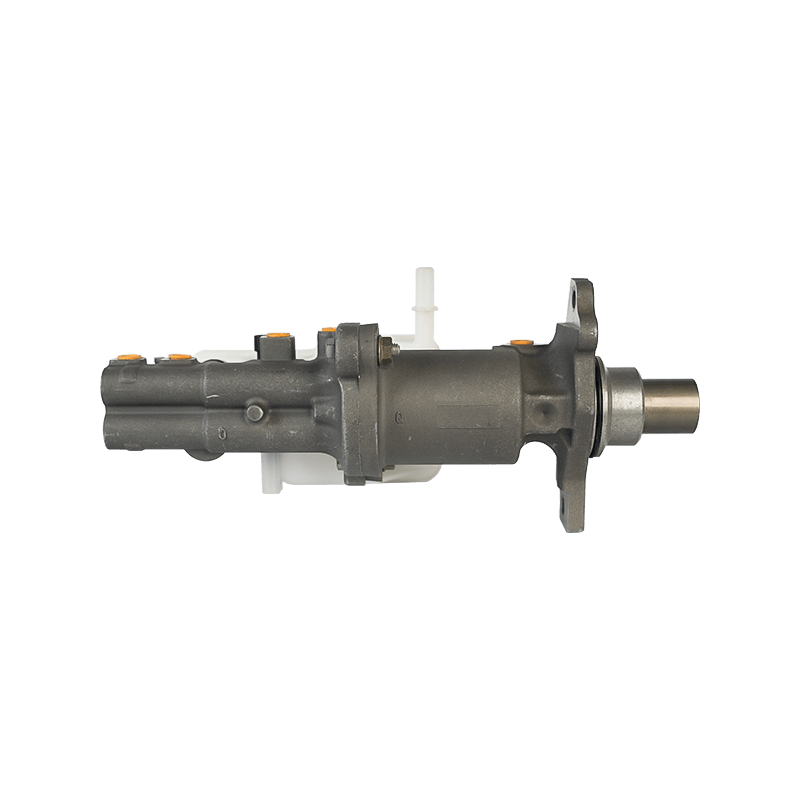 Wholesale OE NO 20759706 Brake Master Cylinder for Chevrolet Cadillac Suppliers,Yancheng Yanitiger Auto Parts Co., Ltd is China OEM 20759706 Brake Master Cylinder for Chevrolet Cadillac suppliers and wholesale OE NO 2...View Product →
Brake Fluid and Hydraulic Lines — The Pressure Path
Brake fluid transmits pressure and must remain nearly incompressible. Over time it absorbs moisture, which lowers its boiling point and produces a spongy pedal. Most OEM service schedules call for a fluid flush every two years or 40,000 km, whichever comes first. Flexible hoses and hard lines should be checked for cracks, swelling, and corrosion at the same time.
How the Components Work Together
From a standing start, pressing the pedal moves fluid from the master cylinder through the lines to each corner of the car. In a disc brake, hydraulic pressure drives the caliper pistons, which press the pads against the spinning disc. In a drum brake, the same pressure pushes the wheel cylinder's pistons outward, forcing the shoes against the drum. The result is a balanced clamp that slows the vehicle smoothly — provided every component in the chain is within specification.
The isometric drawing below shows the disc-brake layout in exploded form: caliper body, piston, friction pads, and rotor. Even this simplified view makes one point clear — braking depends on contact, sealing, and clean fluid.
Figure 1. Exploded isometric view of a disc brake assembly.
Typical Service Life and What to Inspect
Replacement intervals vary with vehicle weight, driving style, and climate, but the table below gives a practical planning baseline used across the aftermarket. Treat it as a reminder rather than a guarantee: the condition of the parts on the car always wins.
| Component | Primary function | Common failure mode | Inspection / replacement trigger |
|---|---|---|---|
| Brake pads | Create friction against the disc | Worn friction material, glazing, noise | Replace when friction material is below about 3 mm |
| Brake discs (rotors) | Provide a wear surface and dissipate heat | Scoring, warping, below-minimum thickness | Check with pads; measure thickness and runout |
| Brake calipers | Press the pads onto the disc | Sticking piston, torn boot, fluid leak | Inspect at every pad change; replace if seized |
| Brake master cylinder | Convert pedal force into hydraulic pressure | Internal seal wear, external leak | Replace if pedal sinks or leaks appear |
| Wheel cylinders | Expand brake shoes in drum brakes | Seized pistons, fluid leakage | Check with the brake shoe service interval |
| Brake fluid | Transmit hydraulic pressure | Moisture absorption, contamination | Flush every 2 years or 40,000 km |
The bar chart below shows the same information in a different way. Brake pads are deliberately the fastest-wearing component because they are the replaceable friction layer; hydraulic parts such as master and wheel cylinders fail less often but are far more disruptive when they do.
Figure 2. Typical service-life planning figures based on common aftermarket maintenance guidelines; actual intervals vary with driving conditions.
Brake Pad Compounds: Match the Material to the Driving
Pad compound does more than change the price. It changes braking response, heat tolerance, noise, dust, and rotor wear. The radar chart below compares three common families across six criteria that buyers actually care about. The scores are relative ratings based on typical aftermarket experience, not laboratory measurements.
Figure 3. Illustrative comparison of brake pad compound characteristics.
Ceramic Pads
Ceramic compounds use ceramic fibres in a resin binder. They are quiet, generate little dark dust, and treat the disc gently, which makes them the default choice for daily commuting and stop-start city traffic. The trade-off is a slightly softer initial bite when the brakes are cold.
Semi-Metallic Pads
Semi-metallic compounds are packed with steel and copper fibres. They dissipate heat quickly and bite hard under heavy braking, which suits heavy vehicles, towing, and fast driving. The costs appear as more noise, more dust, and faster disc wear.
How to Choose
Match the compound to the use case rather than to fashion. For a quiet family car, a set of ceramic brake pads for low dust and quiet braking is usually the right call. If the car is used for towing or heavy loads, semi-metallic is the safer engineering trade-off.
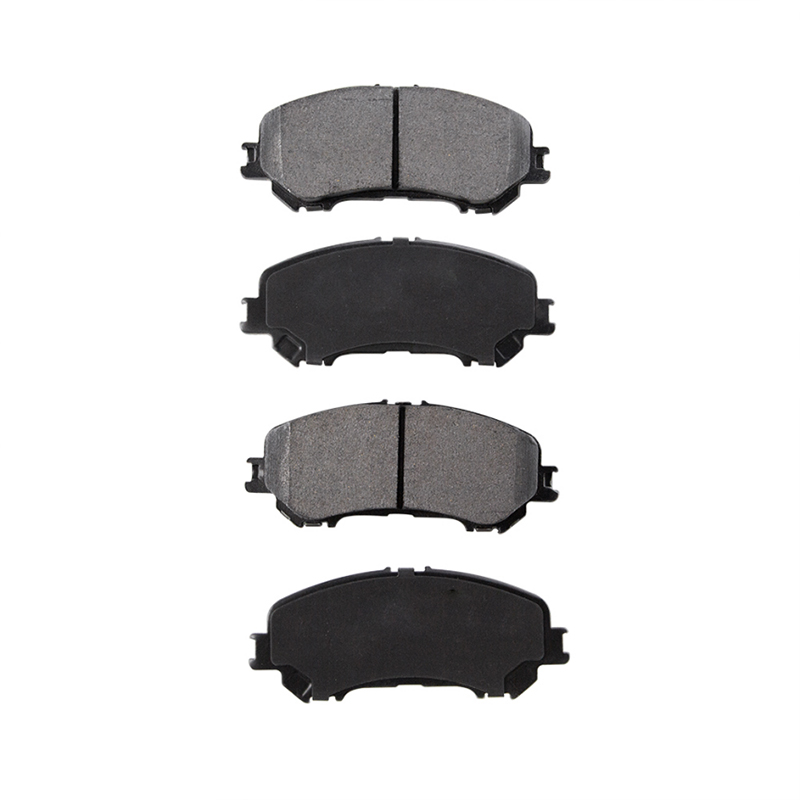 Wholesale OE NO D1737-8449 D1060-4BA0A 41060-4EA0A Ceramic Brake Pads Suppliers,Yancheng Yanitiger Auto Parts Co., Ltd is China OEM D1737-8449 D1060-4BA0A 41060-4EA0A Ceramic Brake Pads suppliers and wholesale OE NO D...View Product →
How to Choose Reliable Brake System Components
Whatever brand you are looking at, the same checklist separates a good aftermarket purchase from a questionable one.
- Match the exact OEM part number, not just the model name — bore diameters, bolt spacing, and inlet threads must be identical.
- Check the construction: cast-iron versus aluminium housings, surface treatment, and the quality of the seal kit.
- Look for documented quality systems. ISO 9001 and IATF 16949 certification describe process control at the factory, not just final inspection.
- Ask for test reports when sourcing in volume; a legitimate manufacturer can provide pressure, torque, and endurance documentation.
- Confirm application coverage for your market — European, US, Japanese, and Korean vehicles often have different fitment standards.
YaniTiger's complete brake system product range covers master cylinders, calipers, wheel cylinders, and pads for more than 30 export markets, with parts listed by their original OEM numbers so cross-referencing is straightforward.
Early Warning Signs and When to Act
Several symptoms are common across brake system components. Any single one deserves a check; two or more at the same time usually mean the problem has spread to neighbouring parts.
- Squeal, squeak, or grinding during braking — the friction material is worn or contaminated.
- A pedal that feels soft, sinks, or pulses — air in the system, fluid loss, or rotor thickness variation.
- The car pulls to one side under braking — a seized caliper or a contaminated pad on one wheel.
- A brake warning light that stays on — worn pads, low fluid level, or a hydraulic fault.
- Visible leaks or a reservoir that keeps dropping — a failing master or wheel cylinder seal.
Maintenance Habits That Keep the System Balanced
Three habits prevent most caliper seizures and master-cylinder failures: flush the brake fluid on schedule, lubricate the caliper slide pins whenever the pads are replaced, and replace pads before the backing plate can touch the disc. These simple steps keep the whole hydraulic system working as a unit — which is exactly how it was designed.
Frequently Asked Questions About Brake System Components
Q1. How often should brake pads be replaced?
Typically every 30,000–70,000 km. When the friction material is thinner than about 3 mm, replace them; heavy city braking shortens the interval.
Q2. What are the signs of a failing brake master cylinder?
A soft or sinking pedal, fluid leaking near the reservoir or firewall, and reduced braking force. Internal seal wear is the usual cause.
Q3. Which is better: ceramic or semi-metallic brake pads?
Neither is universally better. Ceramic pads are quiet and clean but need more heat for hard use; semi-metallic pads bite harder and shed heat better but are noisier and dustier.
Q4. How long do brake calipers last?
Many calipers last 100,000 km or more, but sliding pins and pistons can stick earlier on salted roads. Replace a caliper if the piston sticks, the boot is torn, or fluid leaks.
Q5. What causes a soft or spongy brake pedal?
Most often air in the hydraulic system after a repair, a leaking master or wheel cylinder, or moisture-contaminated fluid. Bleed the system and check each component for leaks.
Q6. Can I install brake system components myself?
If you have hydraulic experience, yes, but you need correct torque specs, new crush washers, and a proper bleed. For calipers and master cylinders, a professional shop is often safer.