 Search
 Eng
Eng 
 English
 Español
 Português

 Home / Newsroom / Industry News / Are Brake Pads the Key to Shorter Stopping Distance and Safer Driving?
 Are Brake Pads the Key to Shorter Stopping Distance and Safer Driving?
 2026.02.06
 Industry News
The direct answer: Yes. High-quality brake pads can reduce braking distance by 15%–30%, improve heat resistance, and significantly enhance driving safety. Choosing the right brake pads directly affects stopping performance, noise control, rotor wear, and overall vehicle reliability.
Content
What Are Brake Pads and How Do They Work?
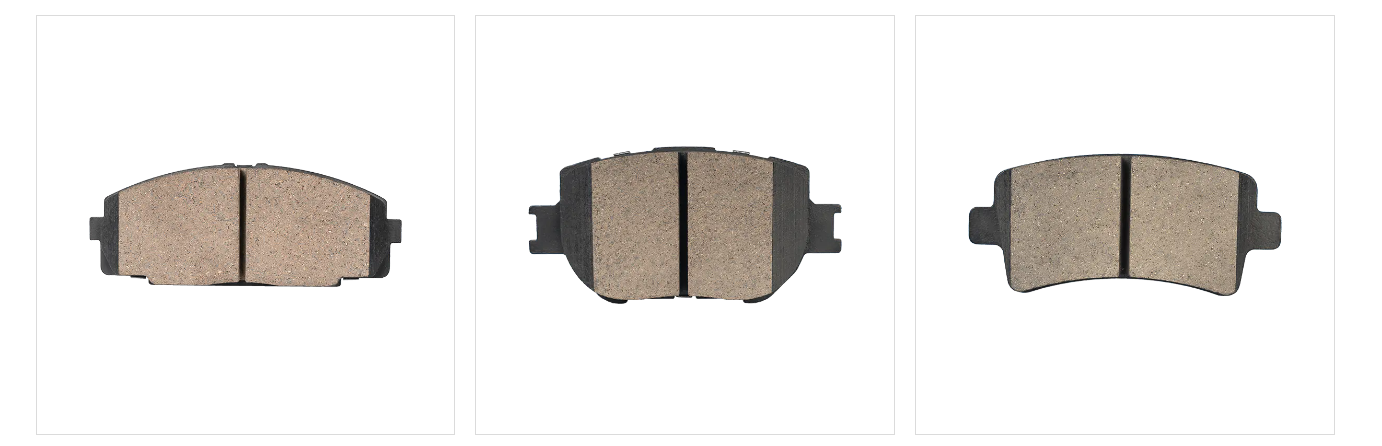
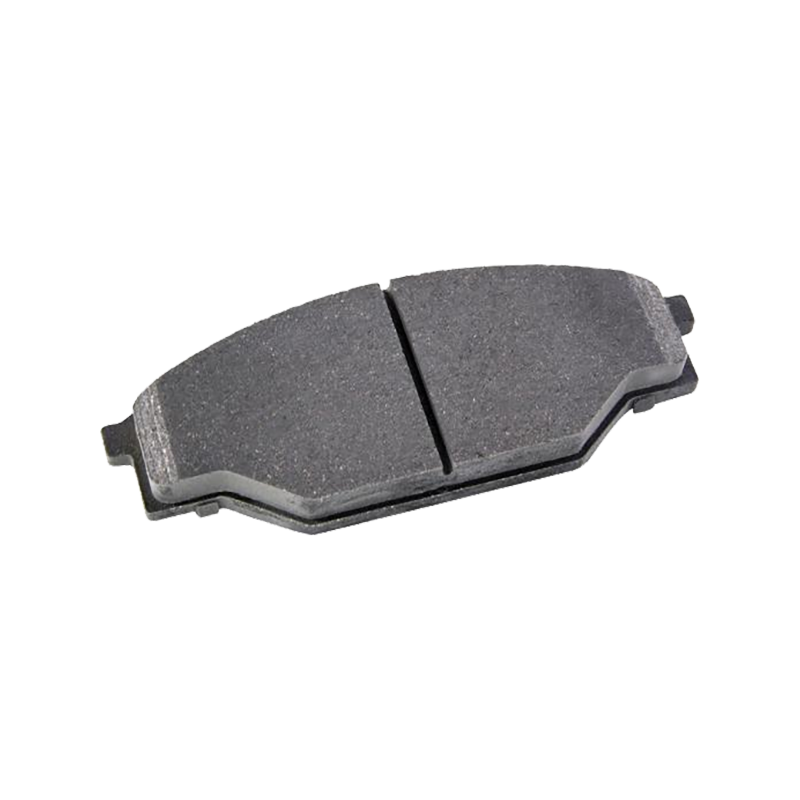
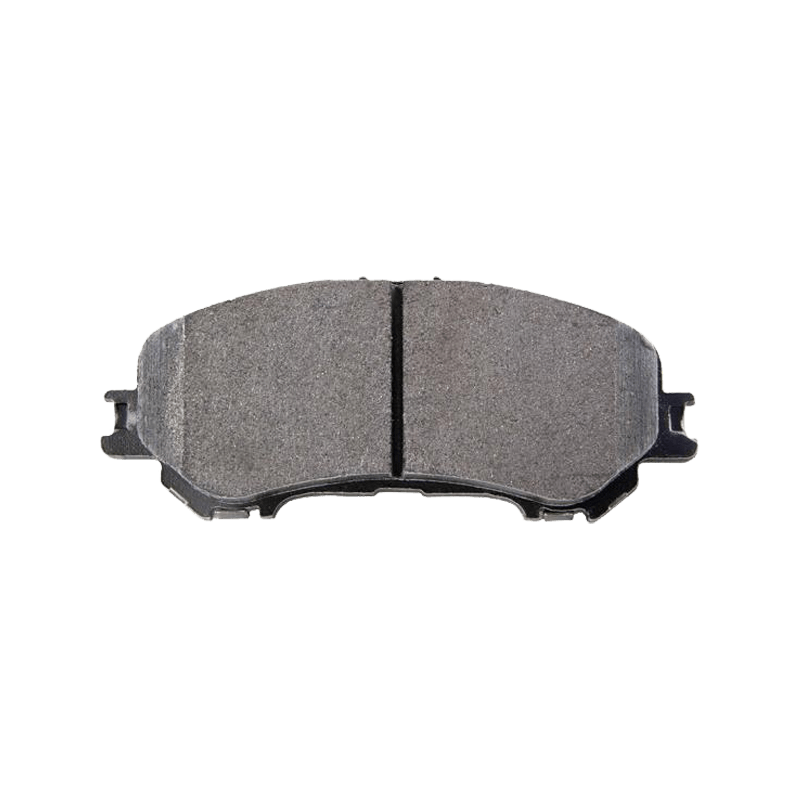
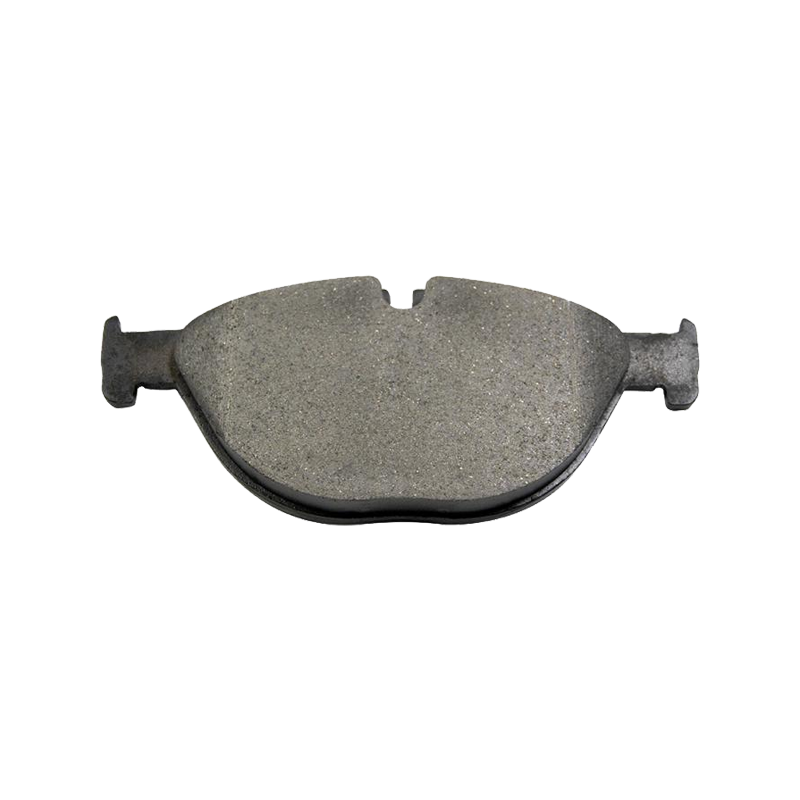
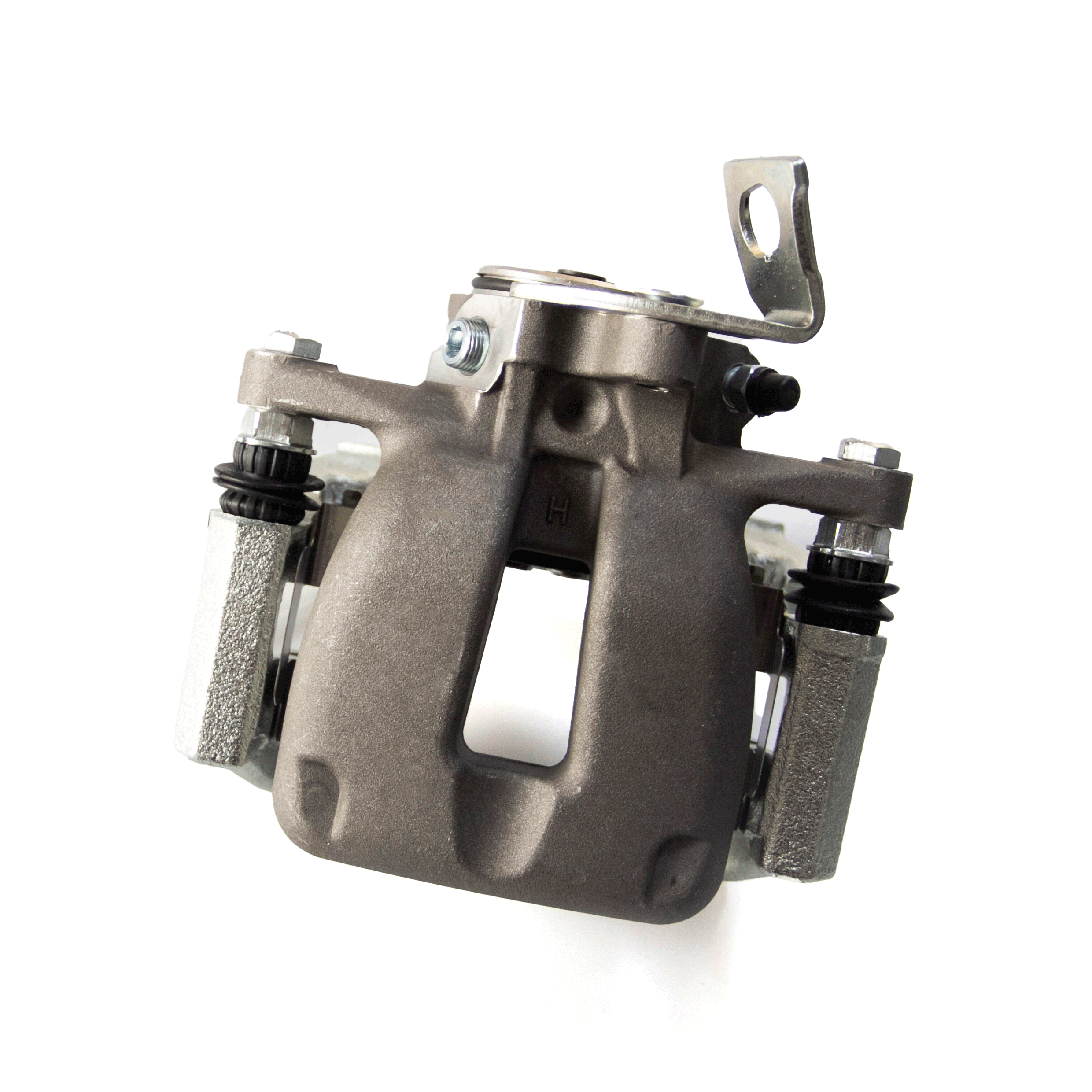
Brake pads are friction components installed inside disc brake systems. When the driver presses the brake pedal, hydraulic pressure pushes the pads against the brake disc (rotor), converting kinetic energy into heat energy and slowing the vehicle.
Basic Working Principle
- Hydraulic force clamps pads onto the rotor
- Friction generates resistance to wheel rotation
- Heat is dissipated through pads and rotors
Efficient brake pads maintain stable friction even at temperatures exceeding 400°C during emergency braking.
Why Does Brake Pad Quality Matter for Safety?
Brake pad material and design determine braking responsiveness and fade resistance. Poor-quality pads can lose friction under heat, increasing stopping distance.
Safety Advantages of Premium Brake Pads
- Shorter stopping distance by up to 30%
- Reduced brake fade during continuous braking
- More consistent pedal feel and control
In real-world highway tests, high-performance brake pads can stop a vehicle from 100 km/h up to 8–12 meters shorter than worn or low-grade pads.
What Are the Main Types of Brake Pads?
Different brake pad materials are designed to match various driving conditions and performance needs.
| Pad Type | Key Feature | Best Application |
|---|---|---|
| Ceramic | Low noise, low dust | Daily driving |
| Semi-Metallic | High heat resistance | Performance vehicles |
| Organic (NAO) | Soft and quiet | Light-duty use |
Selecting the right material can improve braking performance by more than 20%.
How Often Should Brake Pads Be Replaced?
Brake pad lifespan depends on driving habits, road conditions, and vehicle weight.
- City driving: 30,000–50,000 km
- Highway driving: 50,000–70,000 km
- Heavy-load vehicles: shorter replacement intervals
Ignoring worn brake pads can increase rotor damage risk by 40% and raise maintenance costs significantly.
What Should You Look for When Buying Brake Pads?
Choosing the right brake pads requires balancing safety, durability, and comfort.
- Certification standards (ECE R90, ISO, SAE)
- Heat resistance and fade performance
- Noise and dust control technology
- Vehicle compatibility
High-quality certified brake pads typically last 20% longer and provide more stable braking force.
FAQ: Brake Pads
How can I tell if my brake pads need replacement?
Common signs include squealing noise, reduced braking response, vibration during braking, and pad thickness below 3 mm.
Are ceramic brake pads better than metallic ones?
Ceramic pads offer quieter operation and less dust, while semi-metallic pads provide stronger braking performance under high temperatures.
Do new brake pads require a break-in period?
Yes. Proper bedding-in typically requires 200–300 km of moderate driving to achieve optimal friction performance.
Can worn brake pads damage the brake disc?
Yes. Excessively worn pads can expose metal backing plates, causing rotor scoring and increasing repair costs.

CONTACT INFOR.
-
 +86-152 5110 1941
-
 Info@yanitiger.com
-
 +86-152 5110 1941
-
 Building 5, Yancheng Financial City, No. 5 Century Avenue, Yancheng City, Jiangsu Province, China
Copyright © Yancheng Yanitiger Auto Parts Co., Limited All Rights Reserved. Custom Automobile Brake Products Factory OEM Automobile Brake Products Manufacturers
