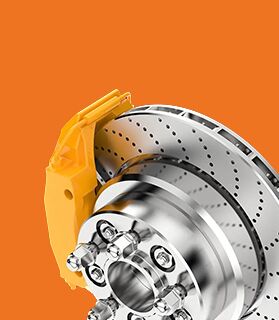
In everyday driving, many car owners encounter strange noises when braking, such as "squeaking," "clicking," or "grinding" sounds. The brake caliper is one of the common sources of these noises. So, is it normal for brak...
READ MORE
In everyday driving, many car owners encounter strange noises when braking, such as "squeaking," "clicking," or "grinding" sounds. The brake caliper is one of the common sources of these noises. So, is it normal for brak...
READ MOREBrake pads are a crucial component of a car's braking system. They slow down or stop the vehicle through friction with the brake disc. Therefore, the performance of the brake pads directly affects the car's braking effec...
READ MOREThe automotive braking system is a core component for safe vehicle operation, affecting both driving safety and vehicle performance. Whether for daily driving or high-speed travel, a good braking system ensures the vehic...
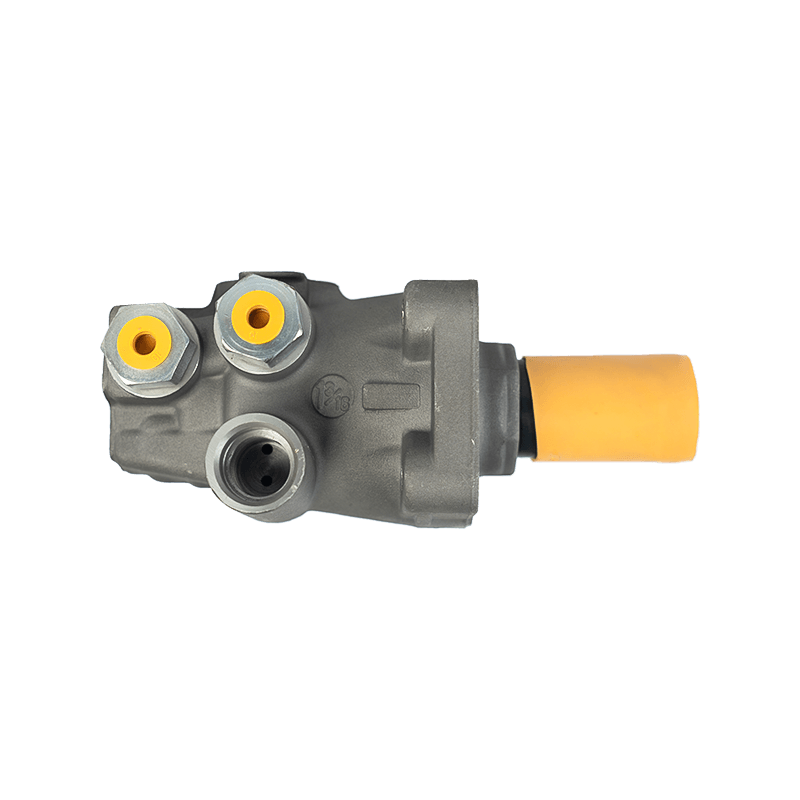
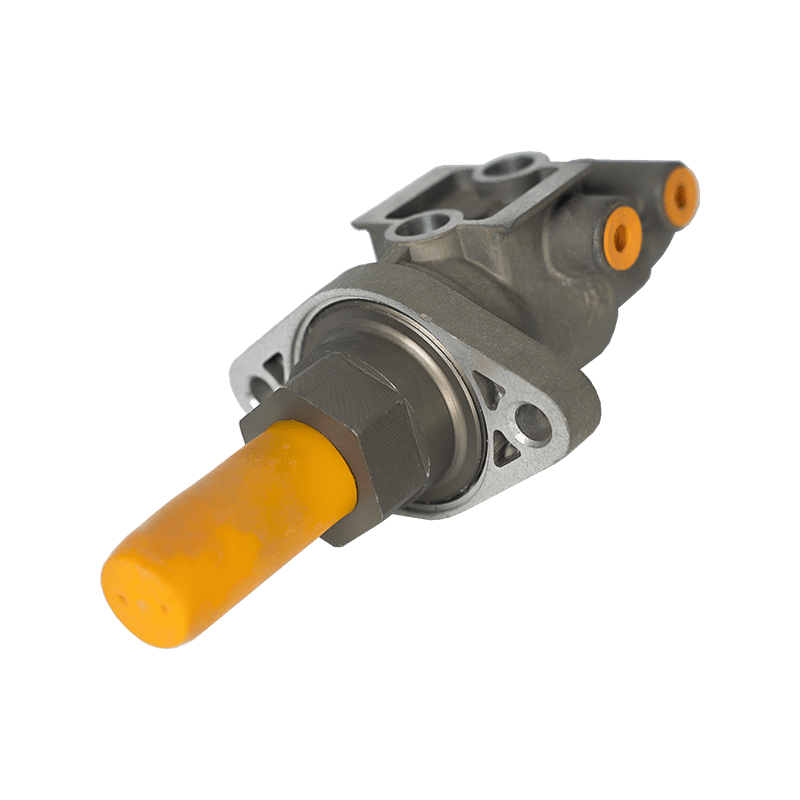
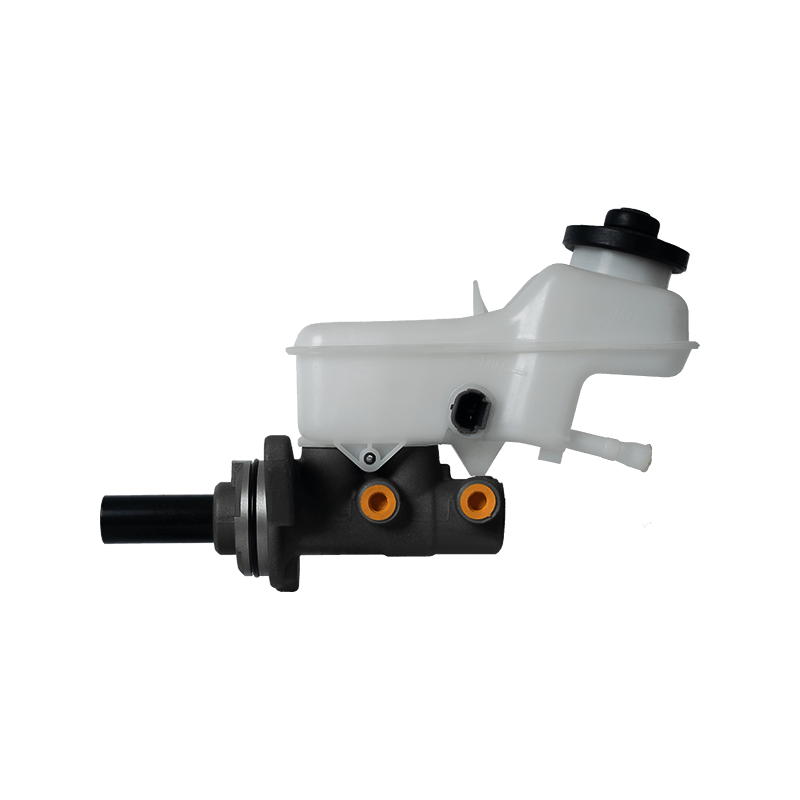
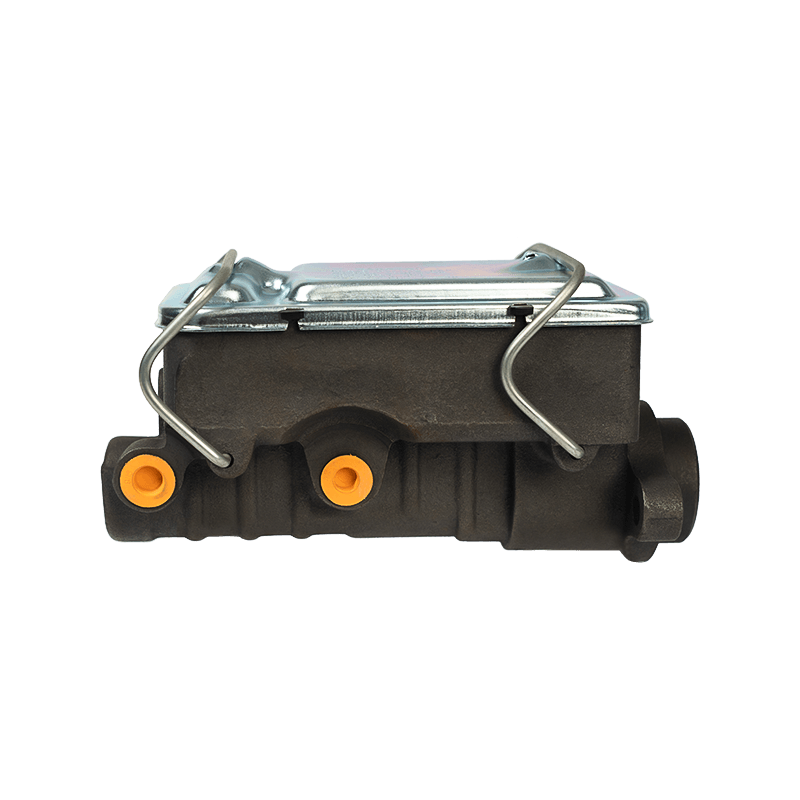
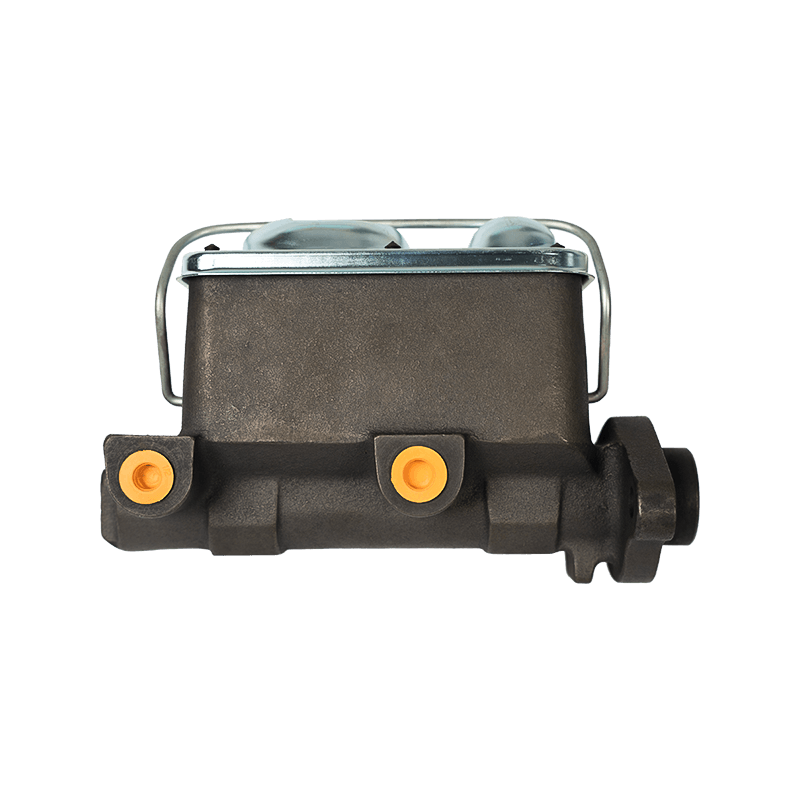
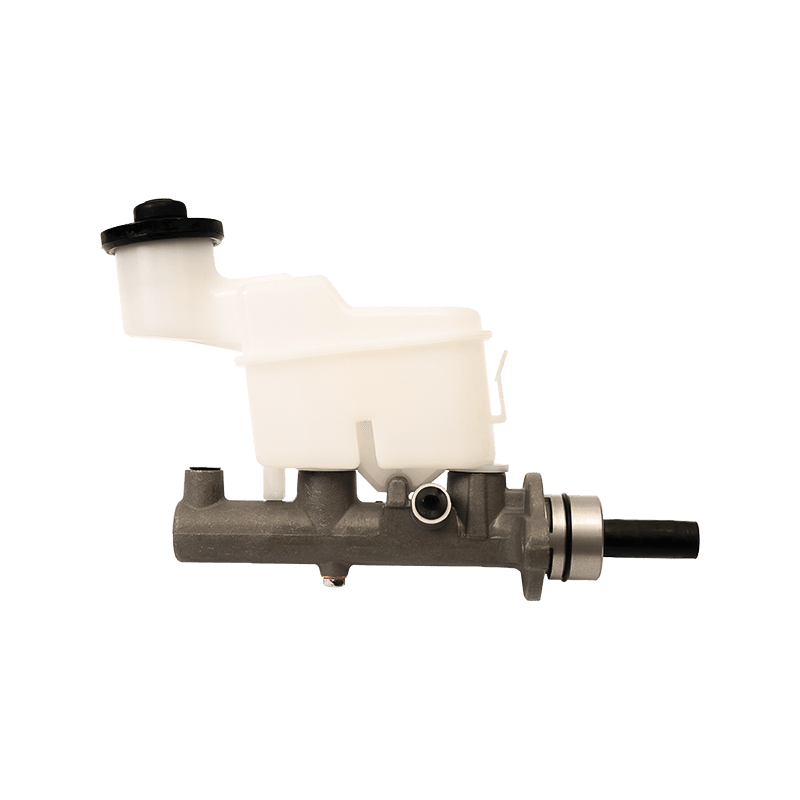
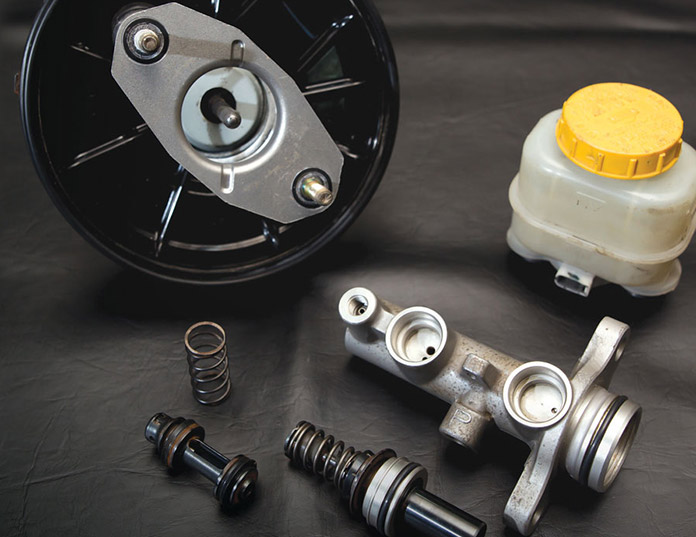
READ MOREThe brake master cylinder is the core kinetic energy of the automobile hydraulic brake system. Its function is to convert the mechanical force applied by the driver on the brake pedal into hydraulic energy, which is transmitted to the brakes of each wheel through the brake pipe, driving the brake pads to rub against the brake disc (or drum) to achieve deceleration or parking. As the core of the braking system, the master cylinder ensures stable output and rapid response of braking force through precise structural design. Its core structure includes components such as cylinder body, piston, sealing ring and return spring. The cylinder body is usually cast from aluminum alloy, with an oil channel inside; the piston compresses the brake fluid to generate pressure when the pedal is stepped on, and the sealing ring prevents liquid leakage; the return spring pushes the piston to reset after the pedal is released, releasing the hydraulic pressure to release the braking state.
When the driver steps on the pedal, the push rod pushes the master cylinder piston forward, closes the fluid filling hole and compresses the brake fluid in the front cavity, and the hydraulic pressure enters the brake pipe through the oil outlet, and finally drives the wheel cylinder piston to generate braking force. Nowadays, vehicles generally adopt a dual-chamber master cylinder design, which improves safety through independent front and rear hydraulic circuits-if one side of the circuit fails, the other circuit can still maintain more than 50% of the braking force, effectively avoiding complete brake failure.
At the maintenance level, the reliability of the master cylinder depends on regular inspection and maintenance. Aging of the seal ring can lead to hydraulic leakage, which manifests as a longer pedal stroke or reduced braking force; piston jamming may cause brake drag or abnormal pedal rebound. During maintenance, special tools must be used to reset the slave cylinder piston and completely remove the air in the hydraulic line to ensure the purity of the brake fluid to avoid air blockage.