
 en
en
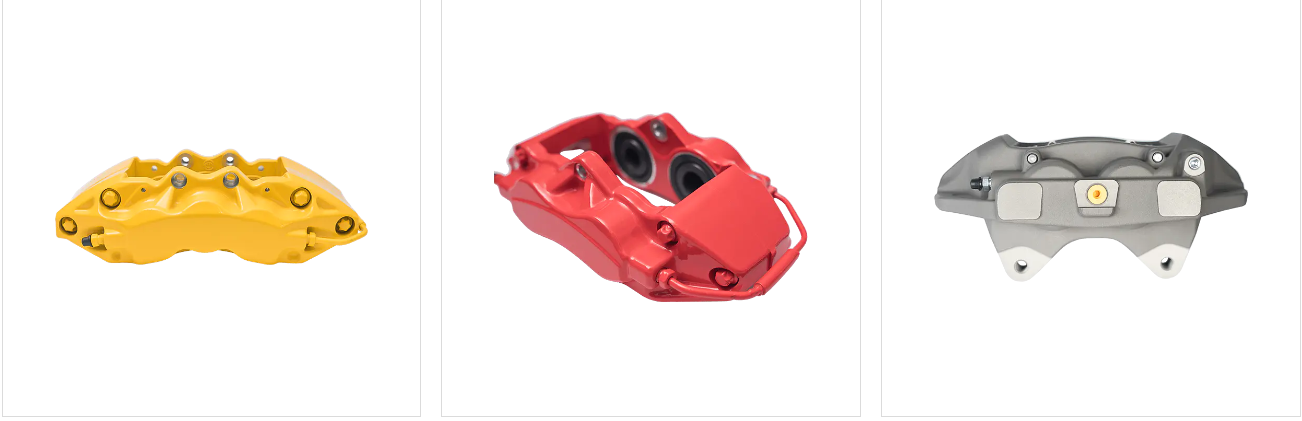
In everyday driving, many car owners encounter strange noises when braking, such as "squeaking," "clicking," or "grinding" sounds. The brake caliper is one of the common sources of these noises. So, is it normal for brake calipers to make strange noises? Which situations are normal, and which require immediate inspection?
1. Is a strange noise from the brake caliper always a malfunction?
The answer is: not necessarily. In certain specific situations, a slight noise from the brake caliper is normal. For example, when braking at low speeds, when the vehicle is first started, or when driving in a humid environment, the brake system may make a sound for a short time, which doesn't necessarily mean that a component is damaged.
However, it's important to note that if the noise occurs frequently, becomes significantly louder, or is accompanied by a decrease in braking performance, it is likely related to an abnormality in the brake caliper or related components and should not be ignored.
2. Common causes of brake caliper noise
Brake caliper noise is usually related to the following factors:
Problems with the brake pad and caliper fit
There is a gap between the brake pad and the brake caliper. If the anti-vibration shim is aged or improperly installed, it can easily cause vibration noise during braking.
Insufficient lubrication or sticking of the caliper slide pins
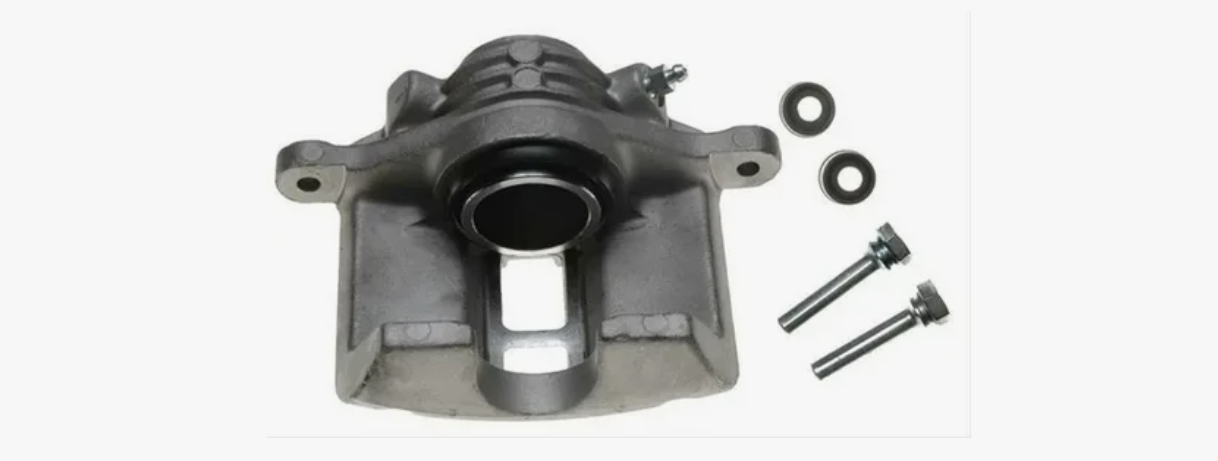
Floating brake calipers rely on slide pins for free movement. If there is insufficient lubrication or if dust and rust accumulate, it will cause the caliper to move unevenly, resulting in noise.
Uneven brake pad wear
When the caliper is subjected to uneven force, the brake pads will wear unevenly, which can easily produce abnormal friction sounds during braking.
Environmental and operating conditions
In low temperatures, humid conditions, or after being parked for a long time, a slight layer of rust may form on the brake disc surface, causing a brief noise during the first braking. This is usually normal.
3. Possible problems corresponding to different noises
To more intuitively determine whether the brake caliper noise is normal, the following table provides a simple comparison:
| Noise Type | Common Symptoms | Possible Causes | Action Required |
| Squealing noise | Occurs during low-speed braking | Hard brake pad material, worn or aged anti-noise shims | Inspect if necessary |
| Clicking noise | Happens while driving or during light braking | Excessive caliper slide pin clearance or insufficient lubrication | Inspection recommended |
| Grinding noise | Continues while braking | Severely worn or unevenly worn brake pads | Service required |
| Metal scraping noise | Sharp, harsh sound during braking | Brake pads worn down to the metal | Immediate inspection and repair needed |
By judging the type and frequency of the sound, car owners can initially distinguish between normal phenomena and potential malfunctions.
4. What risks do abnormal brake caliper noises pose?
If abnormal brake caliper noises stem from sticking or wear problems and are left untreated for a long time, a series of safety hazards may arise. First, poor caliper return can cause the brake pads to continuously rub against the brake disc, leading to overheating of the braking system. Second, uneven brake pad wear will shorten their lifespan and increase maintenance costs. In more serious cases, it may also affect braking force distribution, extend braking distance, and reduce driving safety.
5. How to deal with abnormal brake caliper noises?
When abnormal brake caliper noises are detected, the following measures are recommended:
Regularly inspect the braking system, especially the brake pads, caliper slide pins, and anti-vibration shims;
Clean and relubricate the calipers when replacing brake pads;
Avoid neglecting abnormal noises for extended periods, especially if the sound becomes increasingly noticeable;
If you lack professional experience, entrust the inspection and repair to professional mechanics.
Not all abnormal brake caliper noises indicate a malfunction; some are temporary phenomena under normal operating conditions. However, if the noise persists, is abnormal, or is accompanied by changes in braking performance, it is likely related to wear, sticking, or installation problems with the brake calipers. Timely inspection and maintenance can not only eliminate the noise but, more importantly, ensure the safety and reliability of the braking system, providing a solid guarantee for driving safety.