
 en
en
Brake pads are a crucial component of a car's braking system. They slow down or stop the vehicle through friction with the brake disc. Therefore, the performance of the brake pads directly affects the car's braking effect and driving safety. Typically, brake pads need to be replaced after a certain amount of wear to ensure the normal operation of the braking system.
However, some car owners may find that the braking effect is not as good as expected after replacing the brake pads, or even experience decreased braking performance and abnormal noises. So, what could be the reasons for poor braking performance after replacing brake pads?
1. Brake pads need a "break-in" period
Reason analysis:
After replacing the brake pads, car owners may find that the braking effect is not as good as before, or even that the brakes are not responsive. This is often because new brake pads require a certain break-in period to achieve optimal performance. The surface of new brake pads is relatively smooth, and the contact with the brake disc is not complete, which leads to insufficient braking force during the initial use. Generally, the break-in period for brake pads is 200-300 kilometers. During this period, car owners should avoid sudden braking and frequent braking to help the brake pads gradually adapt to the brake disc.
Solution:
In the first few hundred kilometers after replacing the brake pads, car owners should try to avoid sudden braking and frequent braking, and appropriately reduce the speed to allow the brake pads to gradually break in with the brake disc. After the break-in period is complete, the braking effect will return to normal.
2. Mismatch between brake pads and brake discs
Reason analysis:
The material, size, thickness, and other parameters of the brake pads and brake discs need to match, otherwise, it will affect the braking effect. If the material or model of the new brake pads does not match the original car, it may lead to unsatisfactory braking performance. For example, if the friction of the brake pads is insufficient or too high, it will affect the braking performance. In addition, uneven surfaces, wear, or scratches on the brake disc will also lead to uneven contact between the brake pads and the brake disc, further affecting the braking effect.
Solution:
When replacing brake pads, ensure that the selected brake pads meet the manufacturer's standard requirements. If you are unsure about the model or type of brake pads, it is recommended to consult a professional technician or your owner's manual to ensure you select the appropriate brake pads. Also, check the brake discs for significant wear or damage, and replace the brake discs if necessary.
3. Improper Brake Pad Installation
Reason Analysis:
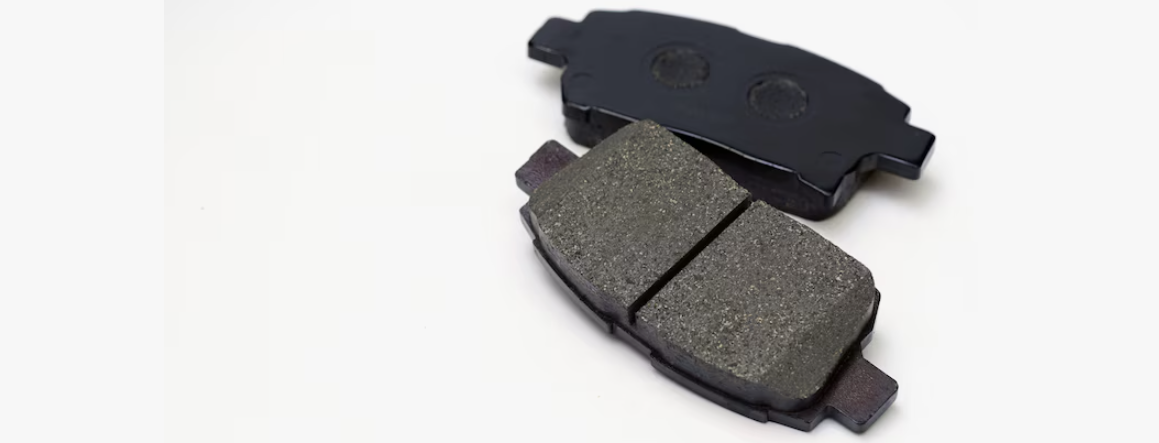
If the brake pads are installed incorrectly during replacement, it can also lead to poor braking performance. For example, incorrect brake pad orientation, incomplete contact between the brake pad and the brake disc, or excessive clearance between the brake pad and the brake caliper can all affect braking performance. Especially if the installation is not done according to specifications, the brake pads may not be able to exert their full frictional force, resulting in poor braking performance.
Solution:
When replacing brake pads, it is best to have a professional technician perform the work to ensure the installation process meets the standards. If you are replacing them yourself, it is recommended to refer to the specific steps in the vehicle manual to ensure the brake pads are correctly installed and in close contact with the brake disc and caliper.
4. Brake Pad Surface Contamination
Reason Analysis:
New brake pads may have some oil, dust, or other contaminants on their surface. These contaminants can affect the friction between the brake pad and the brake disc, leading to poor braking performance. In addition, if other parts of the braking system, such as brake fluid or brake lines, have leaks or contamination during brake pad replacement, it can also affect braking performance.
Solution:
When replacing brake pads, ensure the brake pad surface is clean and free of oil, dust, and other contaminants. Use a dedicated brake cleaner to clean the brake discs and brake pads to remove surface impurities. Also, check other parts of the braking system to ensure there are no leaks or contamination.
5. Brake Fluid Problems
Reason Analysis:
Brake fluid is a crucial component of the braking system and plays a vital role in braking performance. If the brake fluid is expired, low in level, or contaminated, it can also lead to decreased braking performance. Insufficient or substandard brake fluid can cause the braking system to react slowly or fail, thus affecting braking performance.
Solution:
Check the brake fluid level and quality to ensure the brake fluid is sufficient and meets the vehicle's requirements. If the brake fluid is expired or contaminated, it should be replaced and refilled with new brake fluid promptly. Regularly inspect the braking system and ensure the brake fluid level is within the normal range.
6. Air Bubbles in the Braking System
Cause Analysis:
When replacing brake pads, air may enter the braking system, leading to poor braking performance. If there is air or bubbles in the braking system, the brake fluid cannot transmit pressure properly, resulting in brake failure or reduced braking effectiveness. This usually occurs during brake fluid replacement or brake pad replacement, especially if the system is not properly bled.
Solution:
If you suspect air bubbles in the braking system, you can remove the air by bleeding the braking system. This process requires specialized tools and techniques, so it is recommended that car owners take their vehicles to a professional repair shop for bleeding to ensure that there is no air in the braking system.
7. Brake Pad Quality Issues
Cause Analysis:
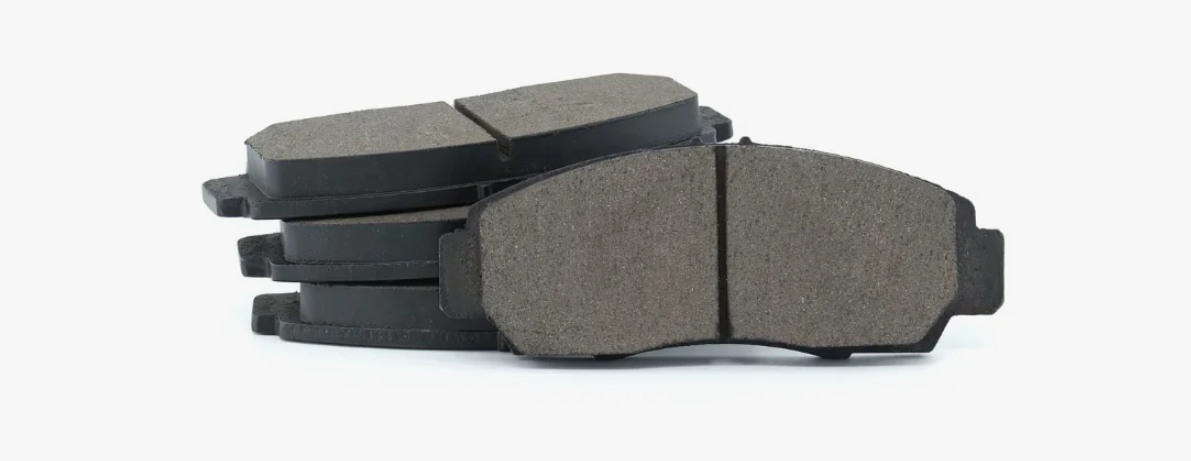
Although there are various brands and types of brake pads on the market, not all brake pads provide stable braking performance. Some low-quality brake pads may have problems such as uneven friction material, poor high-temperature resistance, and unstable friction coefficient, which can lead to poor braking performance. Especially some unknown brands of brake pads may not provide the necessary quality assurance.
Solution:
Choose high-quality, well-known brands of brake pads to ensure that their materials and performance meet the standards. Car owners can refer to reviews from other car owners or consult professionals to choose reliable brake pad brands.
Poor braking performance after replacing brake pads can be caused by multiple factors. By checking the installation, break-in period, quality, and compatibility with the brake discs, car owners can effectively identify the problem and take appropriate corrective measures. When replacing brake pads, choosing the right parts, ensuring proper installation, and performing subsequent maintenance and inspections can effectively ensure the stability and safety of the braking system.