
 en
en
Most Brake System Repairs Follow a Pattern You Can Recognise
You are five miles from home on a wet highway, slowing for a sharp off-ramp. You press the brake pedal, and instead of a firm bite, it sinks low — the car takes an extra ten feet to pull up. That single moment is the difference between a planned brake system repair and an emergency one.
The good news is that brake system failures are rarely sudden. They develop gradually, and they announce themselves through noise, pedal feel, vibration, or fluid loss. If you know what each symptom points to, you can address the problem before it becomes expensive, immobilising, or dangerous.
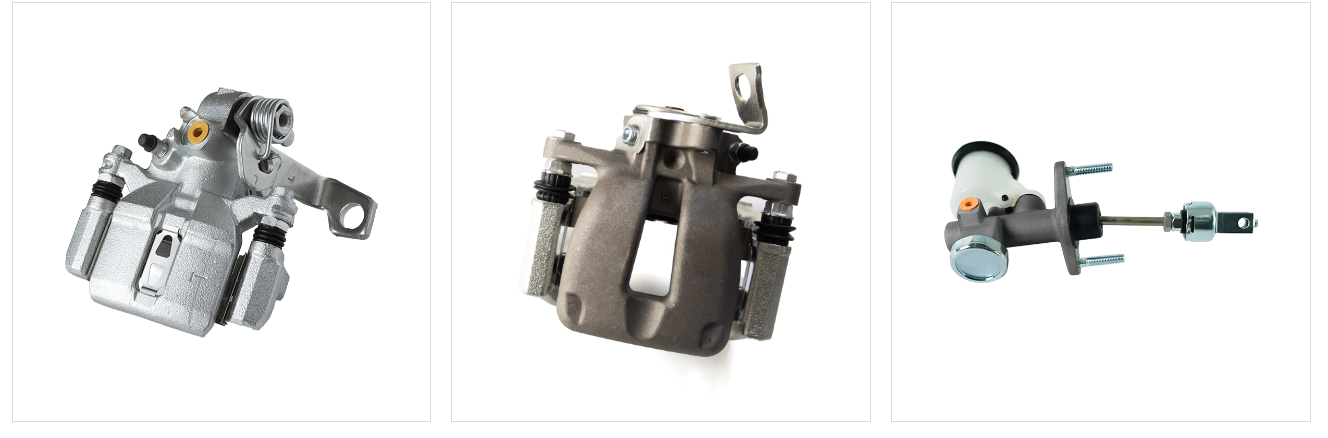
What Brake System Repair Actually Covers
A car's braking system is two systems that work as one: a hydraulic circuit that transmits force from your foot, and a friction assembly that converts that force into heat. Repairs can land on either side, so knowing the difference helps you interpret quotes and symptoms.
The Hydraulic Side: Master Cylinder, Lines, Calipers and Wheel Cylinders
Every brake application starts at the master cylinder, which pressurises brake fluid and sends it through steel and rubber lines. At a disc brake, a caliper squeezes the pads against the rotor; at a drum brake, a wheel cylinder pushes the shoes outward against the drum. A leak anywhere in this loop, a seized piston, or contaminated fluid reduces clamping force before you notice it in the pedal.
The Friction Side: Pads, Shoes, Rotors and Drums
The friction side is what wears out deliberately. Brake pads and shoes are designed to be consumed, and rotors can warp, score, or fall below minimum thickness. Most repair decisions come down to how much friction material is left and whether the rotor surface still meets specification.
Seven Warning Signs That You Need Brake System Repair
You do not need a technician to know something is wrong. These seven symptoms are the ones workshops see most often, and each has a logical cause.
- Squealing or squeaking. Many pads carry a wear indicator that squeals when material is low. Quiet operation does not guarantee safe pad thickness.
- Grinding or metal-to-metal noise. Friction material is gone and the backing plate is cutting into the rotor.
- A soft or spongy pedal. Air in the circuit, moisture in the fluid, or a failing master cylinder seal.
- A puddle of brake fluid. Pale yellow, slippery fluid around a caliper, wheel cylinder, or master cylinder indicates a leak.
- Pulling to one side. A stuck caliper piston or collapsed brake hose applies uneven force.
- Vibration in the pedal or steering wheel. A warped rotor usually generates a pulse you can feel.
- A brake warning light that stays on. This usually signals low fluid level, which traces back to pad wear or a small leak.
If you suspect pad wear specifically, the symptoms are easy to verify — the guide on how to tell if your brake pads are worn walks through the same visual checks a technician performs.
How to Diagnose Brake Problems Step by Step
A logical diagnosis follows five steps; work through them slowly and you will locate most faults correctly the first time.
- Check fluid level and colour. Low fluid often means worn pads or a leak; dark, burnt-smelling fluid has been overheated.
- Look for leaks. Inspect the master cylinder, calipers, and wheel cylinders for wet, brown residue.
- Measure pad thickness. With disc brakes, the outer pad is visible; about 3 mm of material means replacement is due.
- Inspect rotor surfaces. Look for deep scoring, a blue heat tint, or cracks around the bolt holes.
- Test pedal behaviour with the engine running. A pedal that sinks under steady pressure points to a leaking master cylinder.
The master cylinder is the most common cause of a sinking pedal on high-mileage cars. If you confirm the fault, our step-by-step guide to replacing a hydraulic brake master cylinder covers the full procedure. Match the original bore size exactly when ordering; a direct replacement such as this brake master cylinder for Chevrolet and Cadillac applications preserves the factory pedal feel.
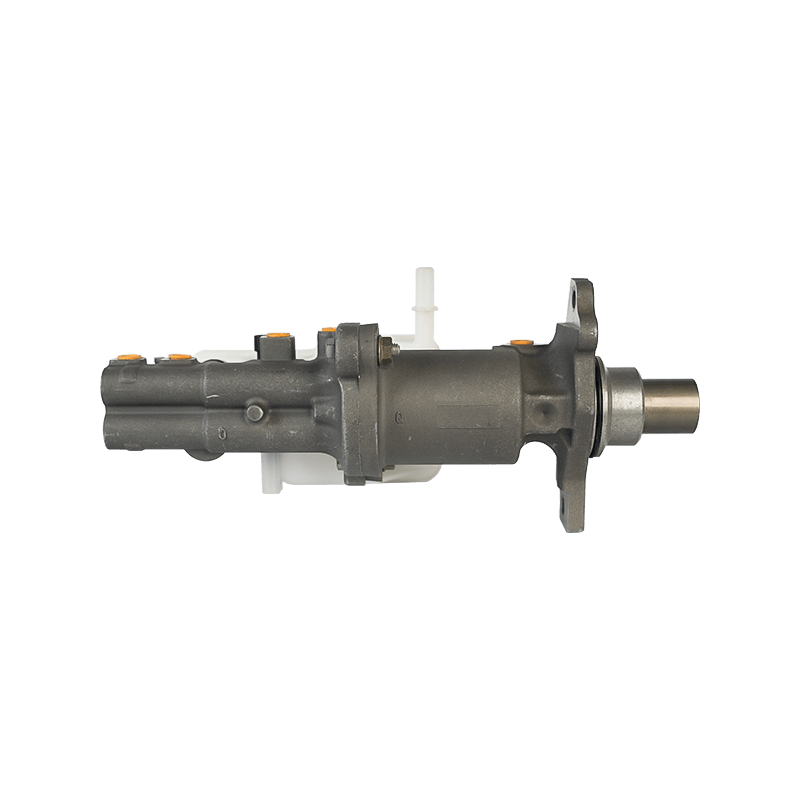 Wholesale OE NO 20759706 Brake Master Cylinder for Chevrolet Cadillac Suppliers,Yancheng Yanitiger Auto Parts Co., Ltd is China OEM 20759706 Brake Master Cylinder for Chevrolet Cadillac suppliers and wholesale OE NO 2...View Product →
Disc Brakes vs. Drum Brakes: Where the Repairs Differ
Disc and drum brakes share the same hydraulic principle, but the service work is different.
| Aspect | Disc Brakes | Drum Brakes |
|---|---|---|
| Main hydraulic component | Brake caliper | Brake wheel cylinder |
| Wear items | Pads and rotors | Shoes and drums |
| Common failure modes | Seized piston, warped rotor, worn pads | Fluid leak, worn linings, scored drum |
| Typical repair time | About 1 hour per axle for pads | About 1.5 hours per axle for shoes |
| DIY difficulty | Moderate | Higher — return springs and adjustment |
The caliper deserves special attention during any disc brake repair. A caliper that drags or sticks upsets braking balance and cooks the pad on its side. Replacement is usually faster and safer than rebuilding on high-mileage cars. A complete replacement brake caliper for Cadillac and Chevrolet is a good example of a ready-to-install unit. To understand how calipers fail, read what is a brake caliper.
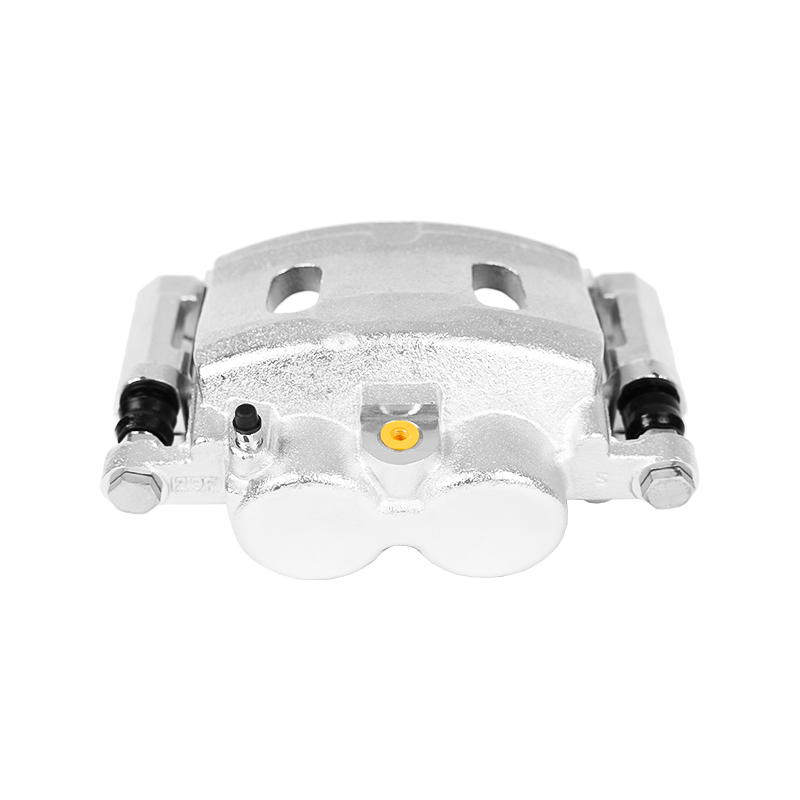 Wholesale OE NO 22842351 Brake Caliper for Cadillac Chevrolet Suppliers,OEM CompYancheng Yanitiger Auto Parts Co., Ltd is China OEM 22842351 Brake Caliper for Cadillac Chevrolet suppliers and wholesale OE NO 22842351 ...View Product →
Brake Fluid: The Link Between Pedal Feel and Component Life
Brake fluid absorbs water over time, which lowers its boiling point. Under heavy braking, boiled fluid forms vapour, and vapour compresses instead of pushing the piston — that is the classic soft pedal after hard driving. Moisture also corrodes calipers and master cylinders from the inside, which is why replacing the fluid every two years matters.
The chart shows the minimum dry and wet boiling points required by FMVSS 116. DOT 4 is a sensible choice for most drivers because it adds a comfortable margin over DOT 3, while DOT 5.1 offers the highest wet boiling point of the glycol-based fluids. DOT 5 silicone resists moisture differently but is less compatible with some ABS hardware.
Matching Brake Pads to Your Driving Needs
Brake pads are not interchangeable substitutes. The compound determines how the car responds at a given pedal pressure, how long the pads last, and how much noise and dust they produce.
Representative curves for street formulations show why material choice matters:
- Semi-metallic pads bite hard, handle heat well, and suit heavy vehicles or high-speed driving, but they are noisier and wear rotors faster.
- Ceramic pads produce low noise and low dust with stable friction, making them the most balanced daily-driving option.
- Organic pads are gentle on rotors and inexpensive but fade earlier under repeated heavy braking.
For a commuter car, ceramic brake pads give the stable friction and low dust that most owners want, with enough heat capacity for highway driving.
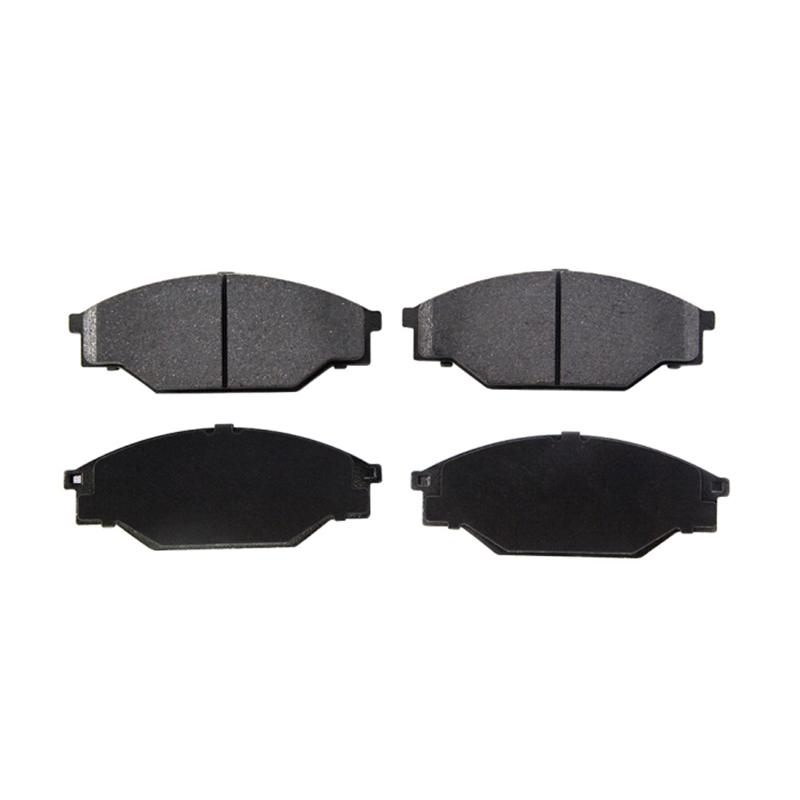 Wholesale OE NO D303-7205 04465-20150 04465-25060 Ceramic Brake Pads Suppliers,OYancheng Yanitiger Auto Parts Co., Ltd is China OEM D303-7205 04465-20150 04465-25060 Ceramic Brake Pads suppliers and wholesale OE NO D3...View Product →
What to Check Before Buying Brake Replacement Parts
The cheapest quote is a poor benchmark. A brake system repair is only as good as the weakest component, and quality differences do not show in a photograph.
- Match the original number exactly. It encodes bore size, mounting geometry, and port layout.
- Look for documented quality systems. ISO 9001 and IATF 16949 certifications filter out backyard assembly operations.
- Prefer suppliers that publish test reports. Verifiable inspection data is an extra layer of confidence.
- Replace safety-critical parts in pairs. Calipers, wheel cylinders, and hoses should be replaced on both sides of an axle.
Brake System Repair: Frequently Asked Questions
At least once a year or every 10,000–12,000 miles, and immediately after any noise, pull, or fluid loss.
Likely air in the lines or a sticking caliper; bleed the brakes and re-check caliper movement.
No. Rotors need replacement only if they are below the minimum thickness stamped on the part, heavily scored, or causing vibration.
A seal kit can fix minor leaks, but on high-mileage vehicles a complete unit is more reliable and often cheaper in labour.
Pad replacement is about one hour per axle; caliper or master cylinder work usually takes two to four hours including bleeding.
Yes. The OEM number is the fastest way to guarantee bore size, bracket fit, and hydraulic port layout on brake parts.