 Search
 Eng
Eng 
 English
 Español
 Português

 Home / Newsroom / Industry News / Automobile Brake System: Is Your Car’s Braking Performance Truly Safe?
 Automobile Brake System: Is Your Car’s Braking Performance Truly Safe?
 2026.01.29
 Industry News
The automobile brake system is one of the most critical safety components in any vehicle. It controls speed, enables smooth stopping, and prevents accidents. A well-maintained brake system ensures stable driving performance and protects both passengers and pedestrians.
Content
What Is an Automobile Brake System?
Short Answer: It is a mechanical and hydraulic system that slows down or stops a vehicle by converting kinetic energy into heat.
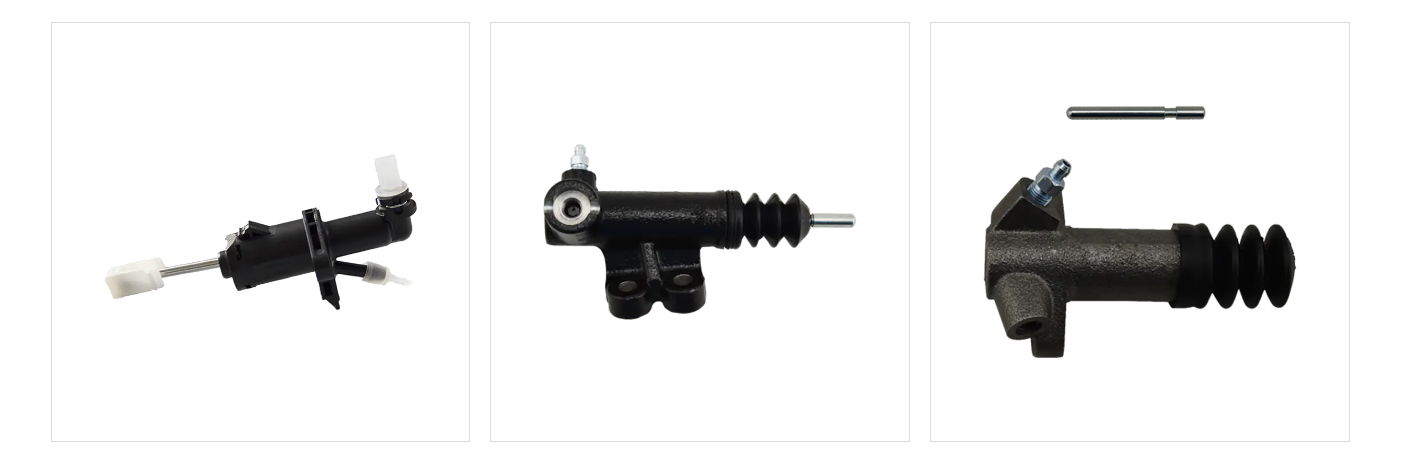
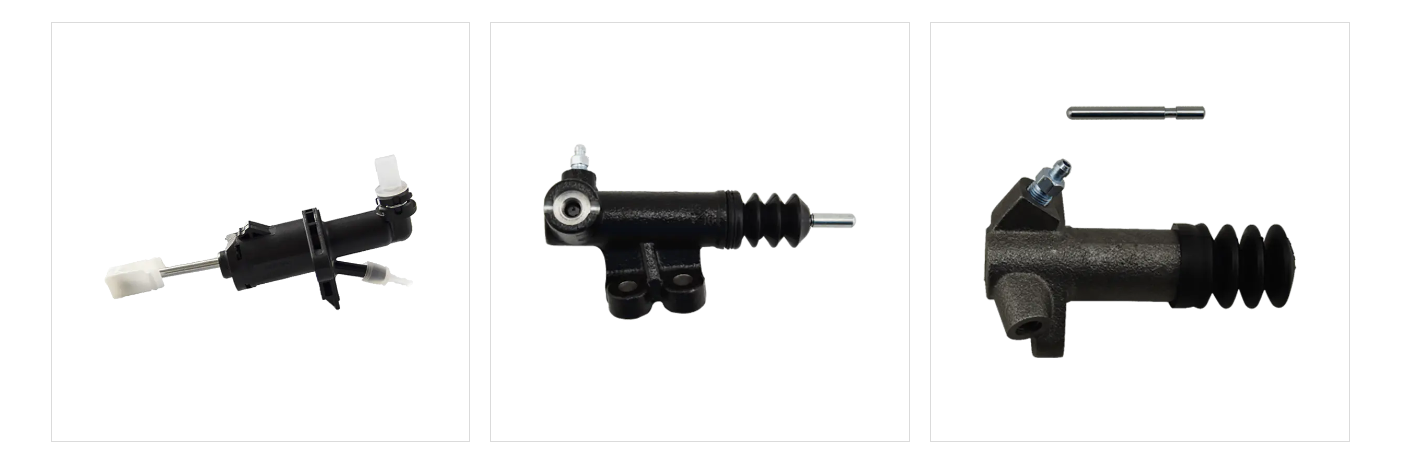
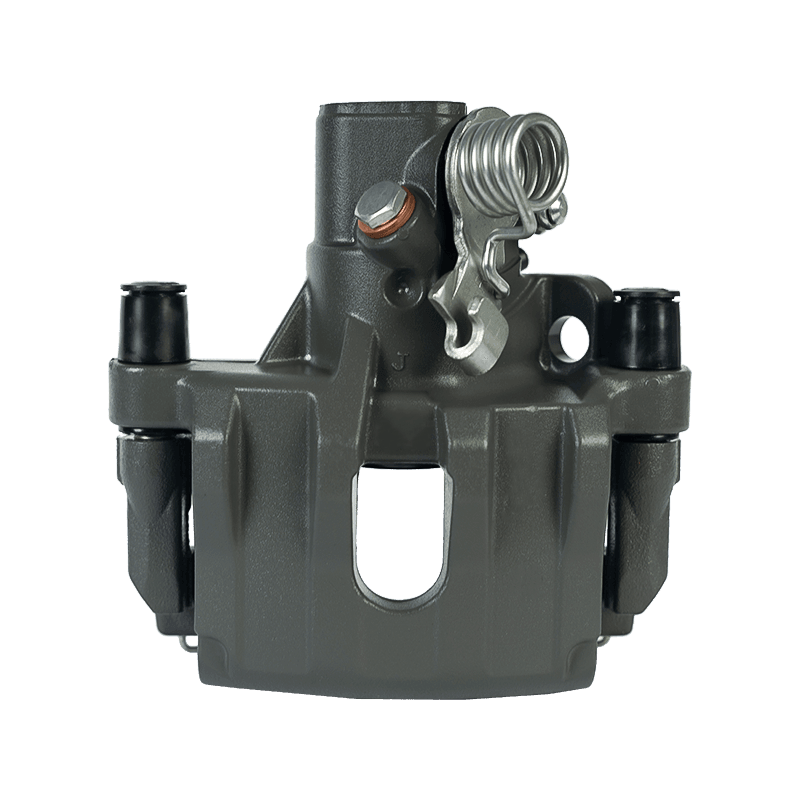
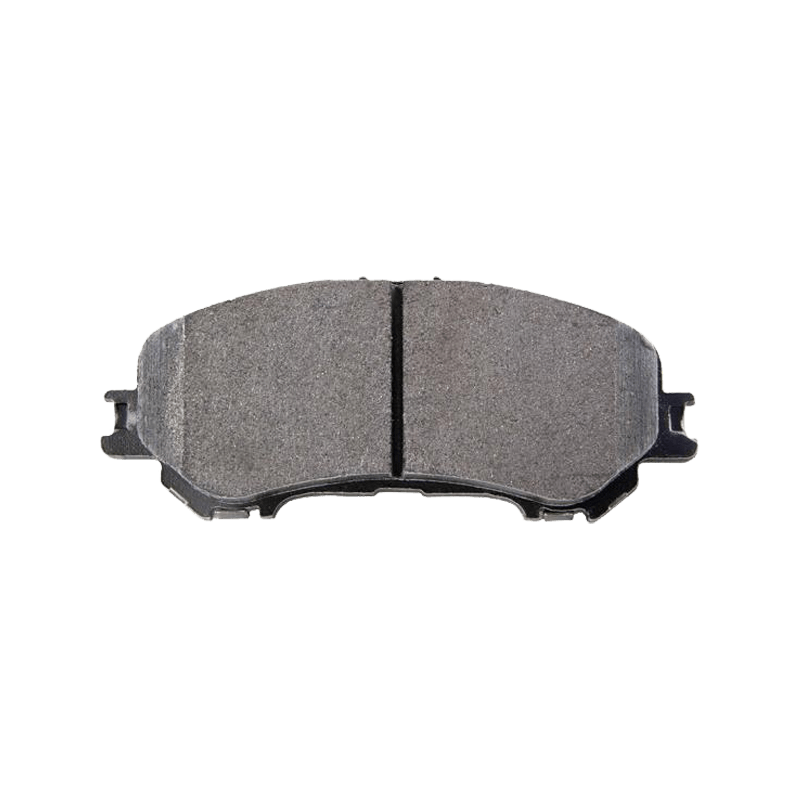
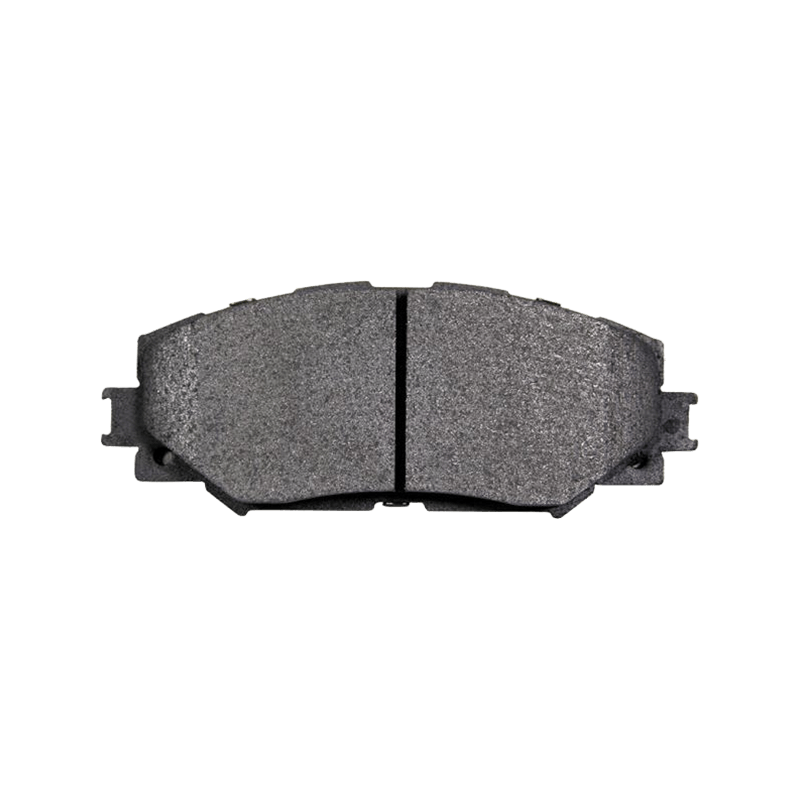
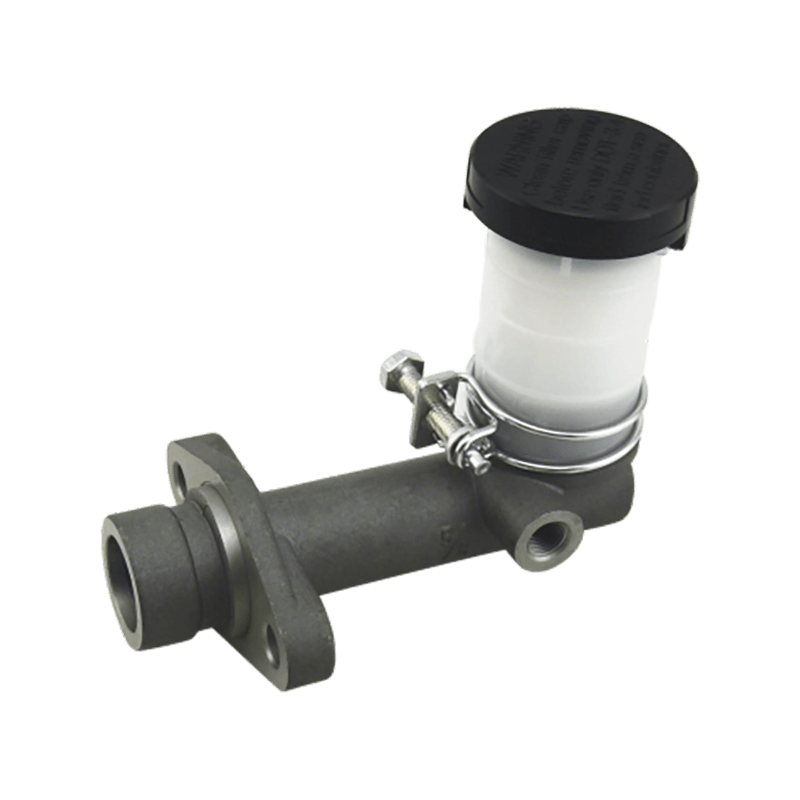
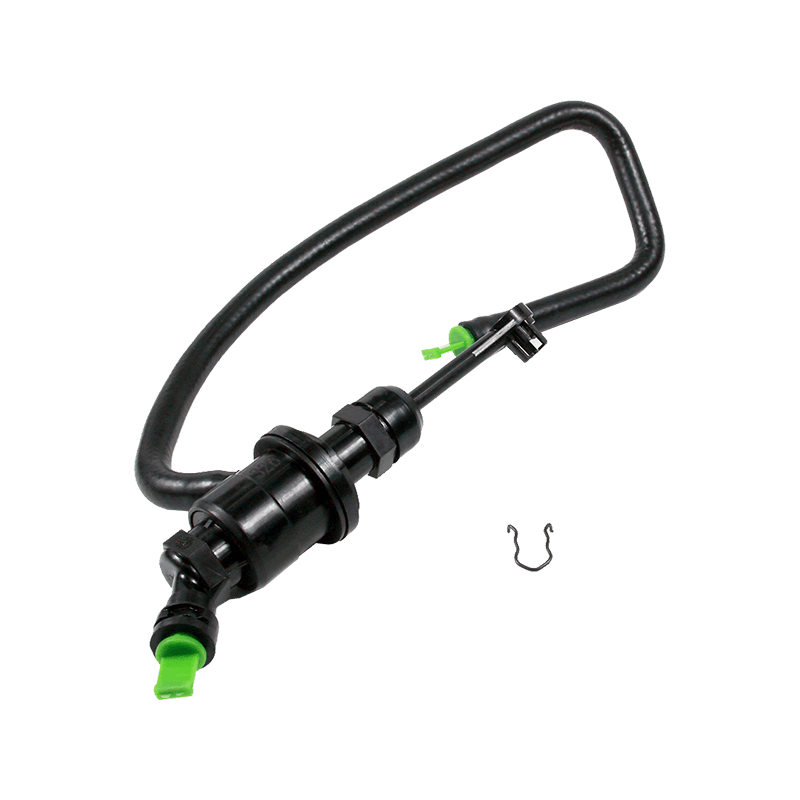
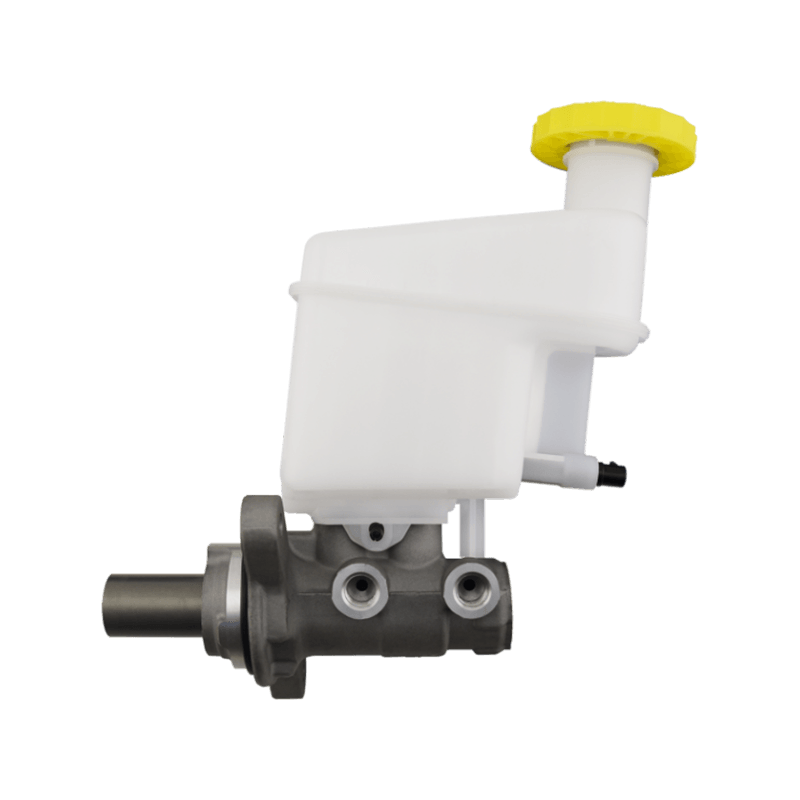
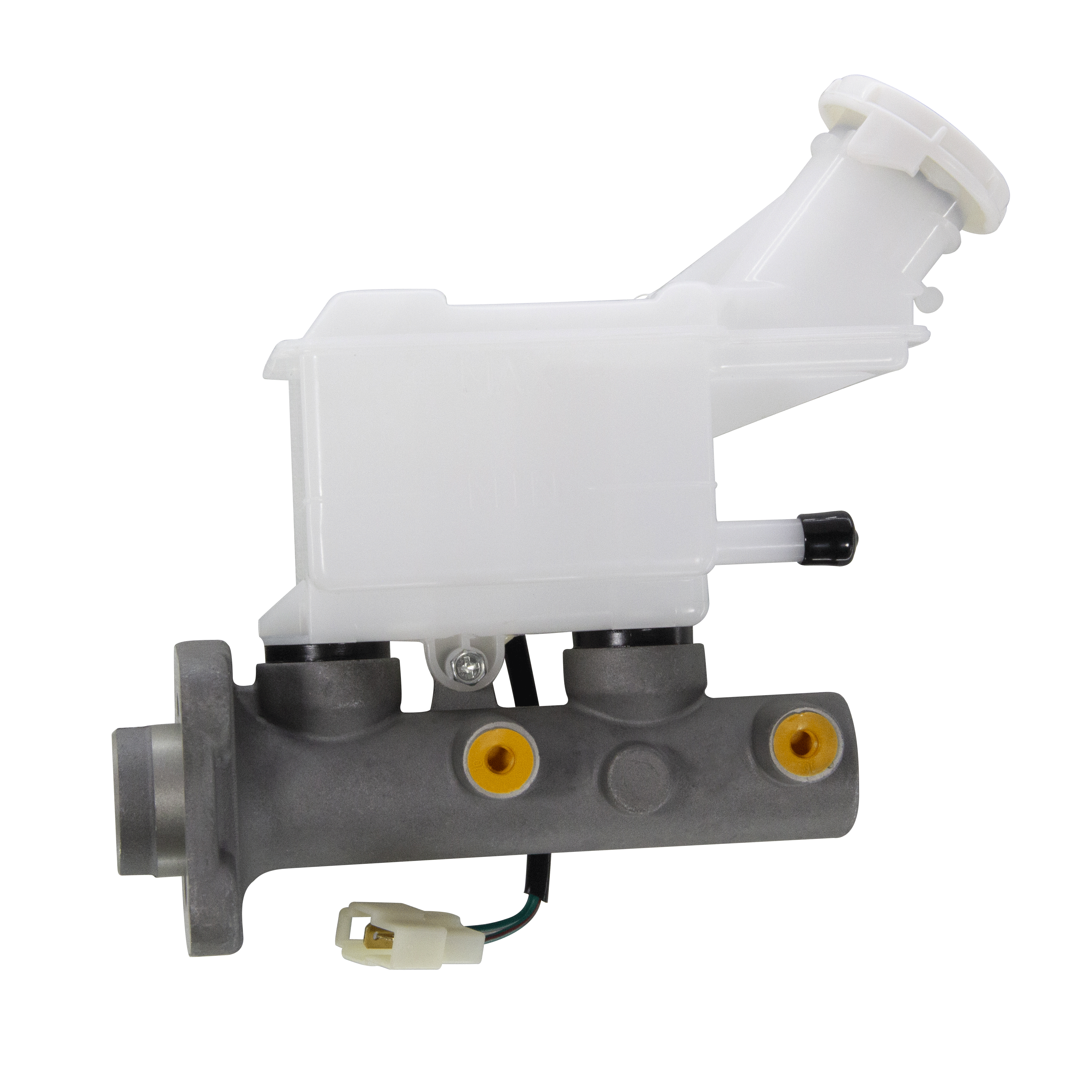
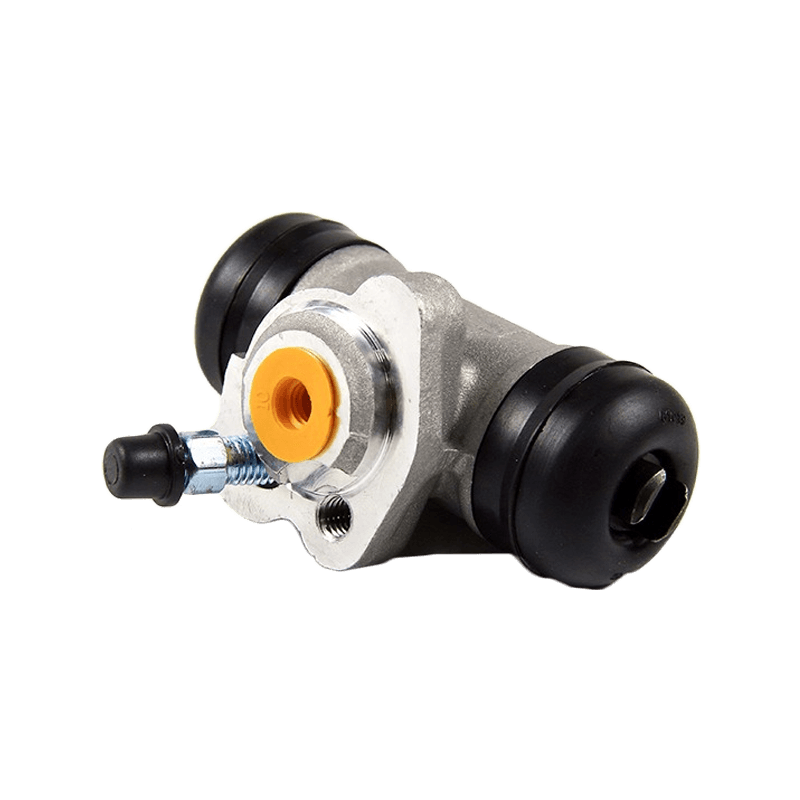
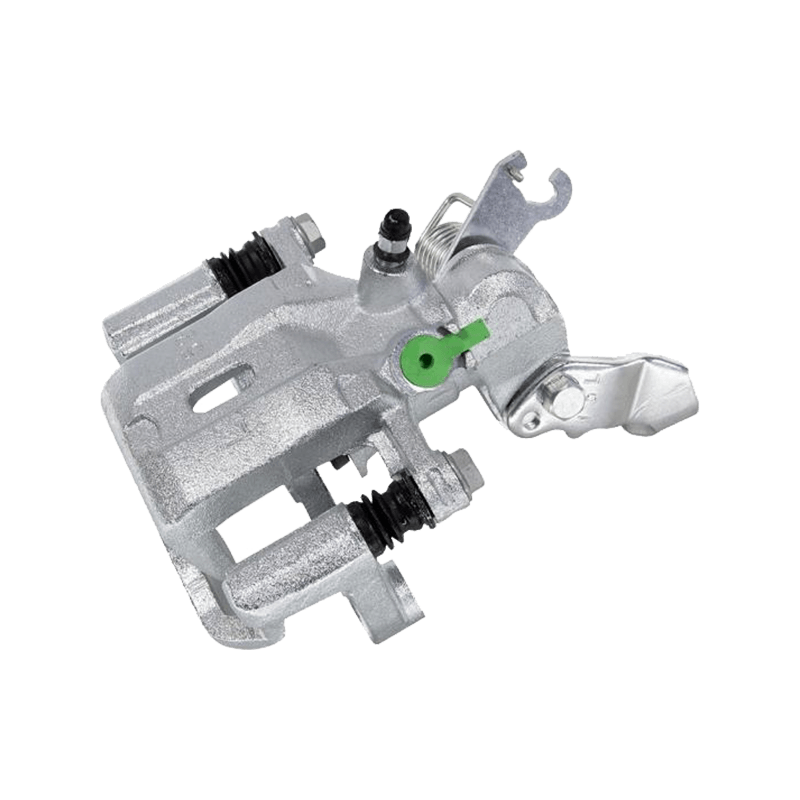
An automobile brake system consists of brake pedals, hydraulic lines, brake calipers, pads, rotors, and electronic control units. When the driver presses the brake pedal, hydraulic pressure forces the brake pads to clamp onto the rotors, generating friction that reduces wheel speed.
Why Is the Automobile Brake System So Important?
Short Answer: It directly affects driving safety, vehicle control, and emergency response capability.
A high-performance automobile brake system provides reliable stopping power in different road conditions. It helps maintain vehicle stability during sudden stops and reduces stopping distance, which is essential for accident prevention.
- Improves driving safety
- Reduces braking distance
- Enhances vehicle control
- Supports emergency braking
How Does the Automobile Brake System Work?
Short Answer: It uses hydraulic pressure and friction to slow down rotating wheels.
When the brake pedal is pressed, brake fluid transmits force to the brake calipers. The calipers push brake pads against the rotating discs, creating friction that converts motion into heat energy. Modern systems may include electronic assistance features that improve braking stability and efficiency.
What Are the Main Types of Automobile Brake Systems?
Short Answer: Disc brakes, drum brakes, and electronic-assisted braking systems are the most common types.
Disc brakes are widely used on modern vehicles because of their strong heat dissipation and consistent performance. Drum brakes are still found in some rear-wheel applications due to cost efficiency. Advanced electronic braking technologies improve traction and stability.
The vertical bar chart below shows typical stopping performance improvements with modern brake systems:
| Basic System |
Disc Brakes |
Advanced Control |
Integrated Safety |
FAQ: Automobile Brake System
Q1: How often should the automobile brake system be inspected?
Answer: It is recommended to inspect brakes every 10,000 to 15,000 kilometers or during routine maintenance.
Answer: It is recommended to inspect brakes every 10,000 to 15,000 kilometers or during routine maintenance.
Q2: What are common signs of brake system problems?
Answer: Squeaking noises, vibration, longer stopping distances, and a soft brake pedal indicate possible issues.
Answer: Squeaking noises, vibration, longer stopping distances, and a soft brake pedal indicate possible issues.
Q3: Can driving habits affect brake system lifespan?
Answer: Yes, aggressive braking and frequent sudden stops can accelerate wear of brake components.
Answer: Yes, aggressive braking and frequent sudden stops can accelerate wear of brake components.
Q4: Is regular maintenance necessary?
Answer: Regular maintenance ensures optimal performance and prevents costly repairs.
Answer: Regular maintenance ensures optimal performance and prevents costly repairs.
A reliable automobile brake system is essential for safe driving, better control, and long-term vehicle performance, making proper care and timely inspection a top priority for every car owner.


CONTACT INFOR.
-
 +86-152 5110 1941
-
 Info@yanitiger.com
-
 +86-152 5110 1941
-
 Building 5, Yancheng Financial City, No. 5 Century Avenue, Yancheng City, Jiangsu Province, China
Copyright © Yancheng Yanitiger Auto Parts Co., Limited All Rights Reserved. Custom Automobile Brake Products Factory OEM Automobile Brake Products Manufacturers
