 en
en
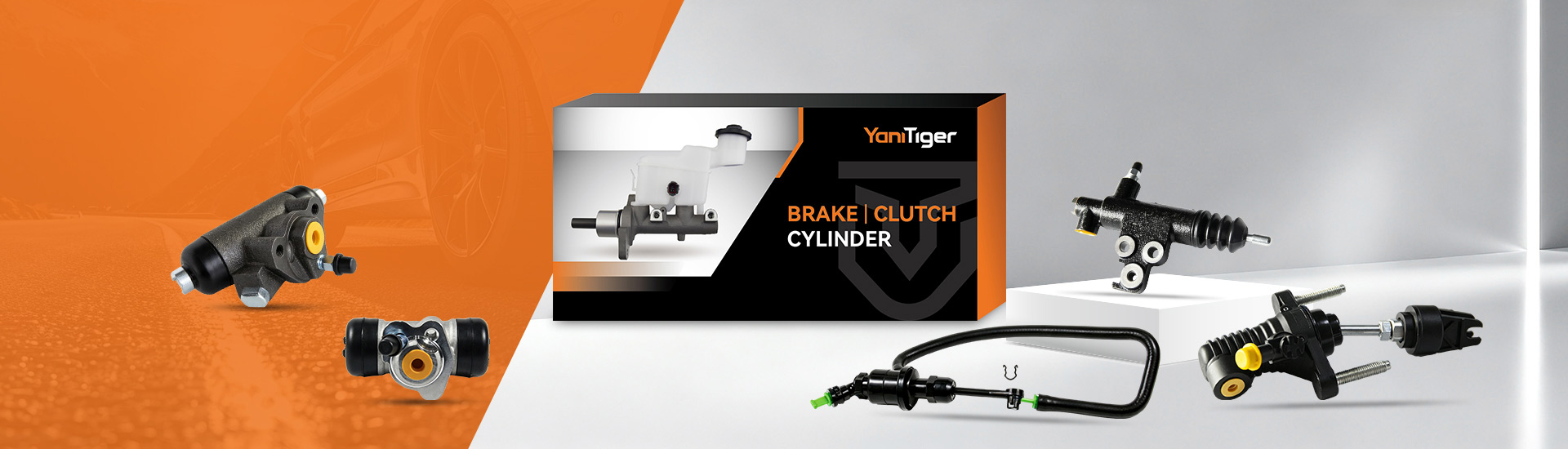
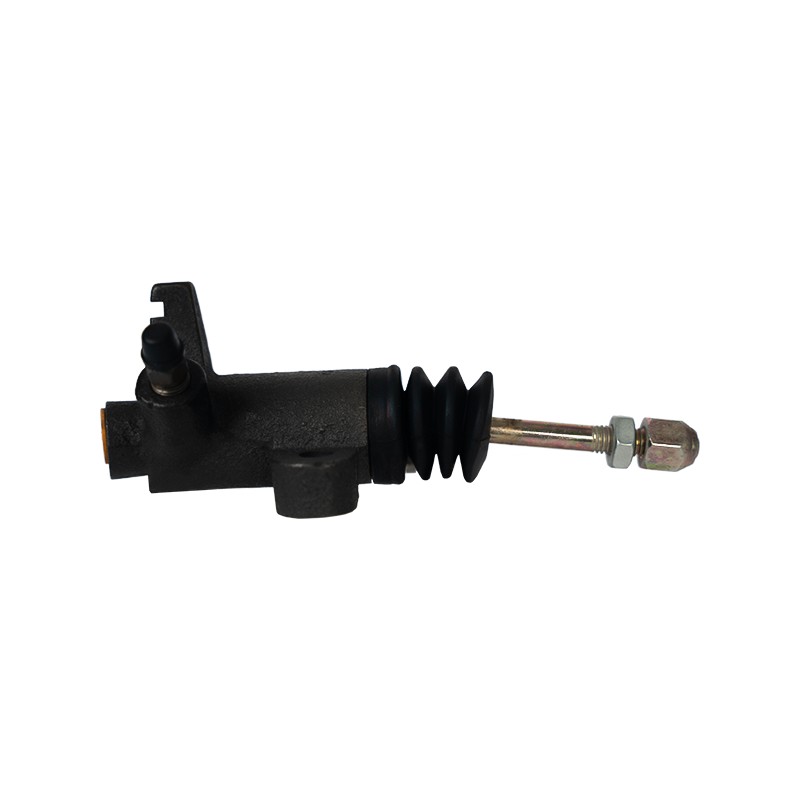
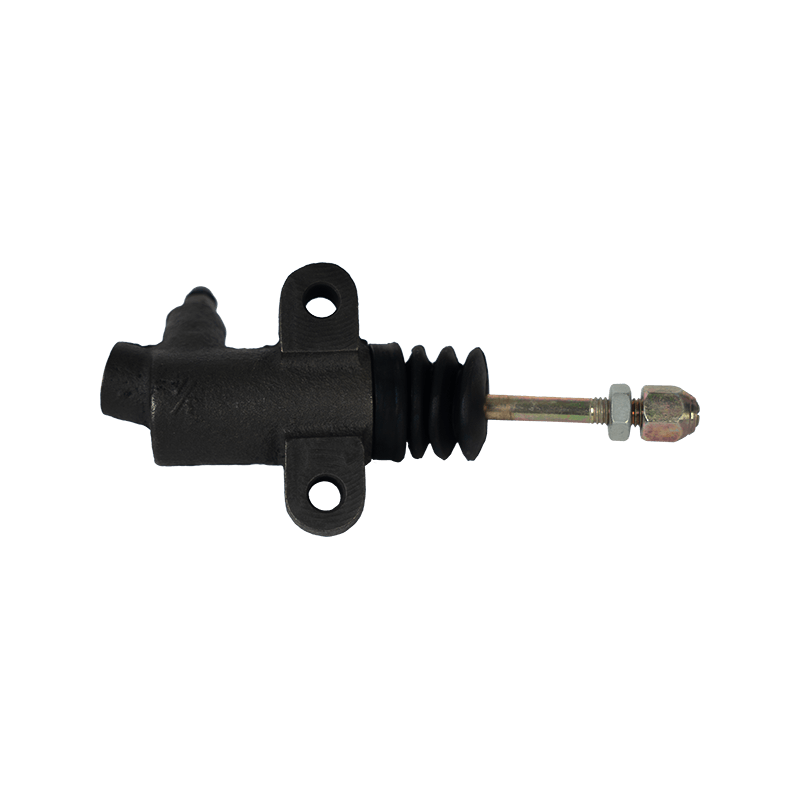
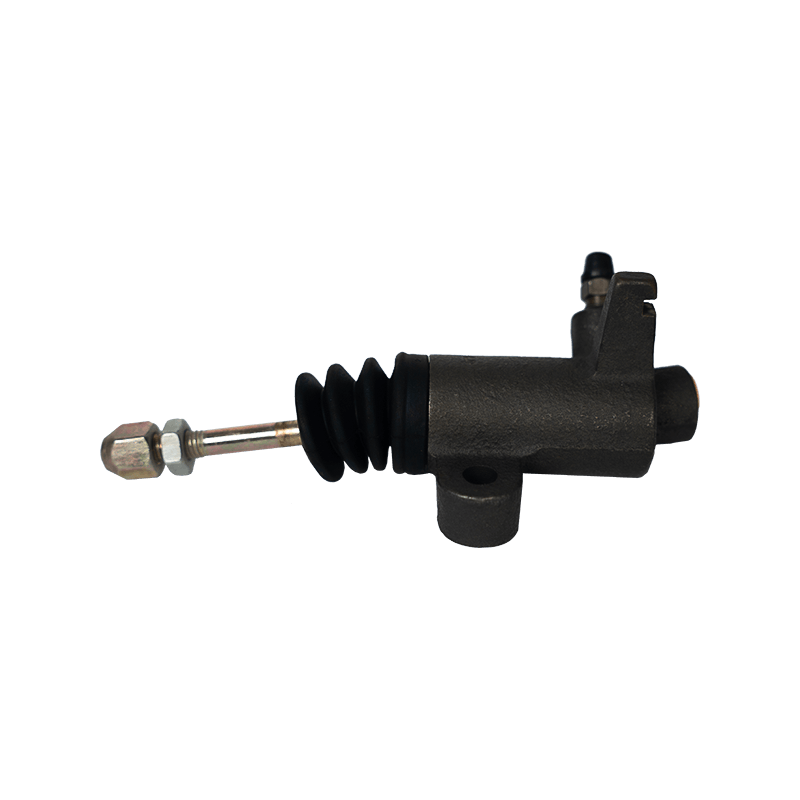
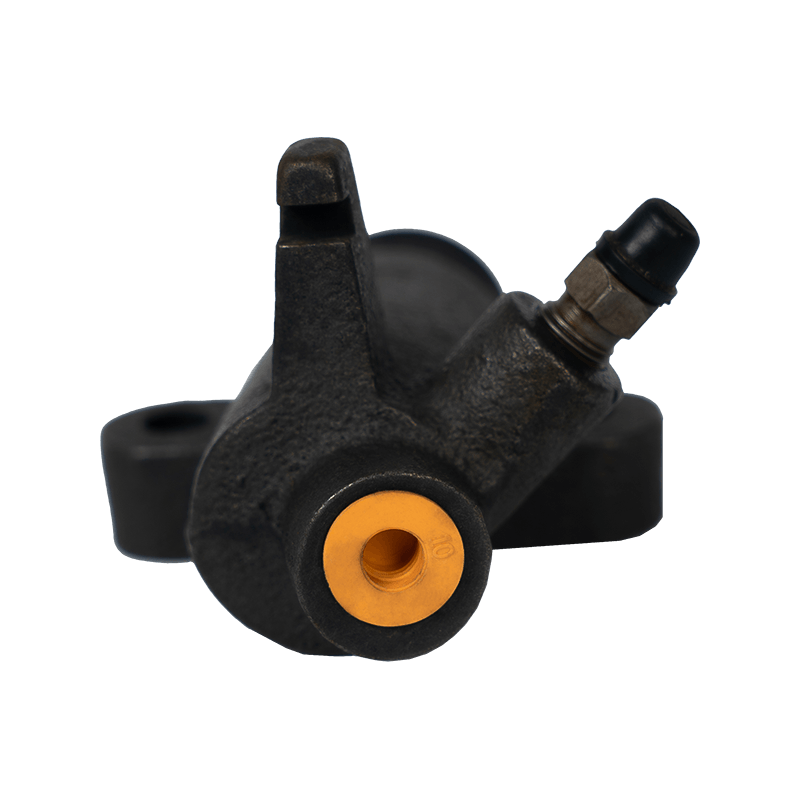
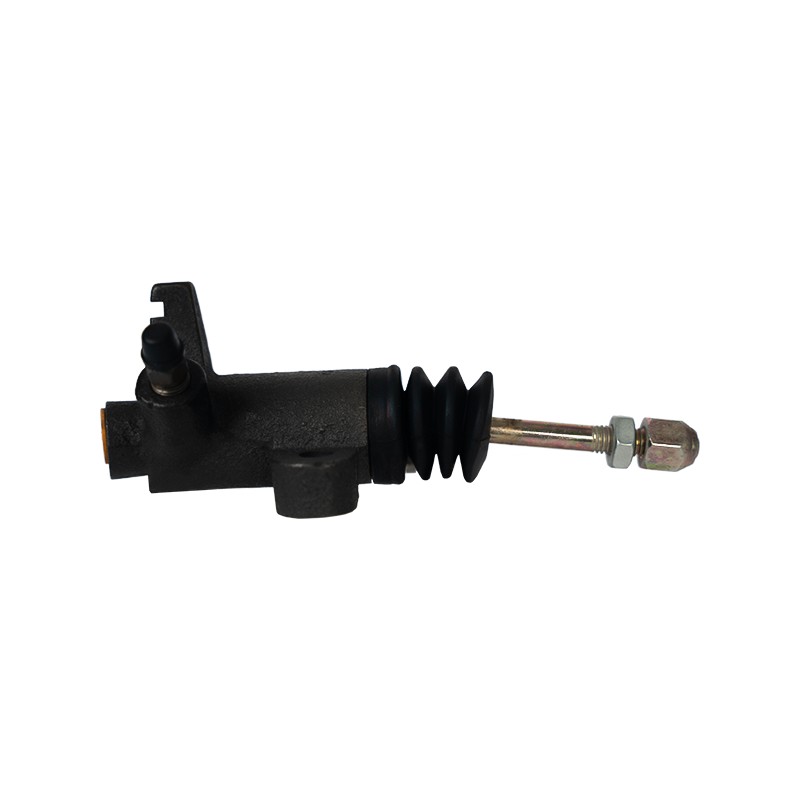
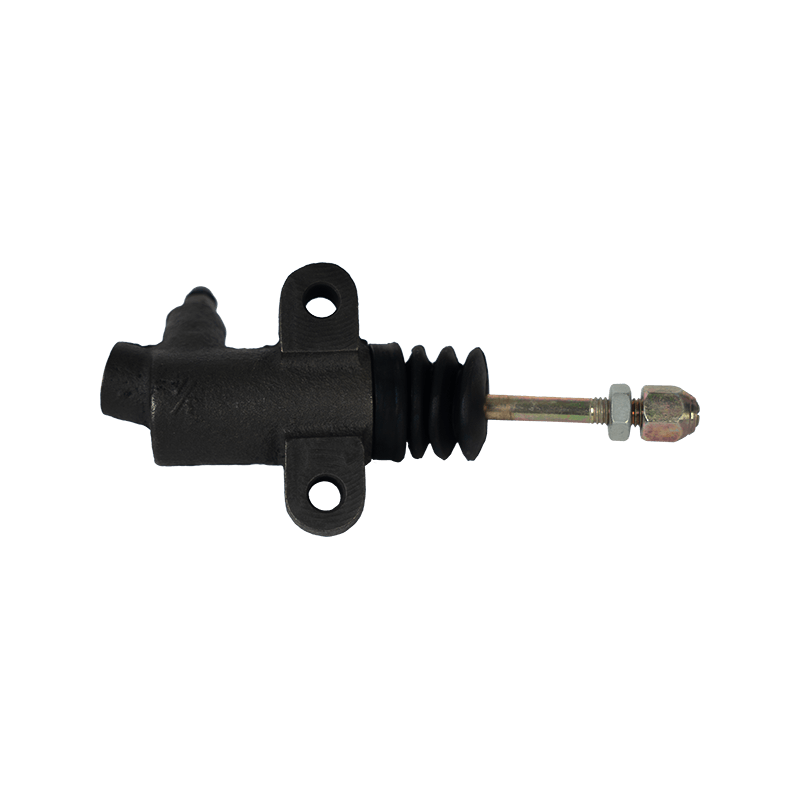
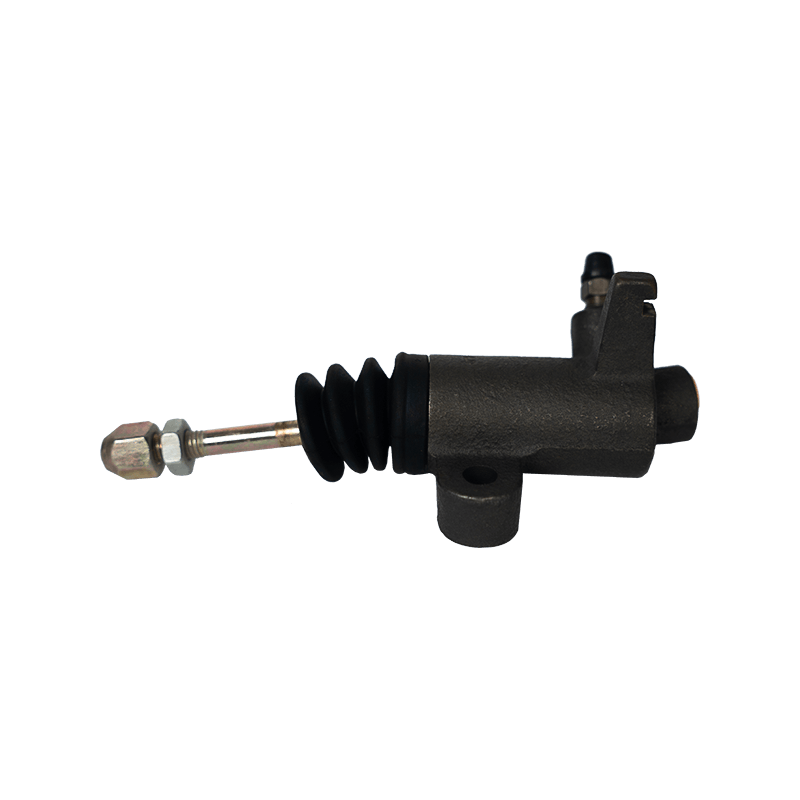
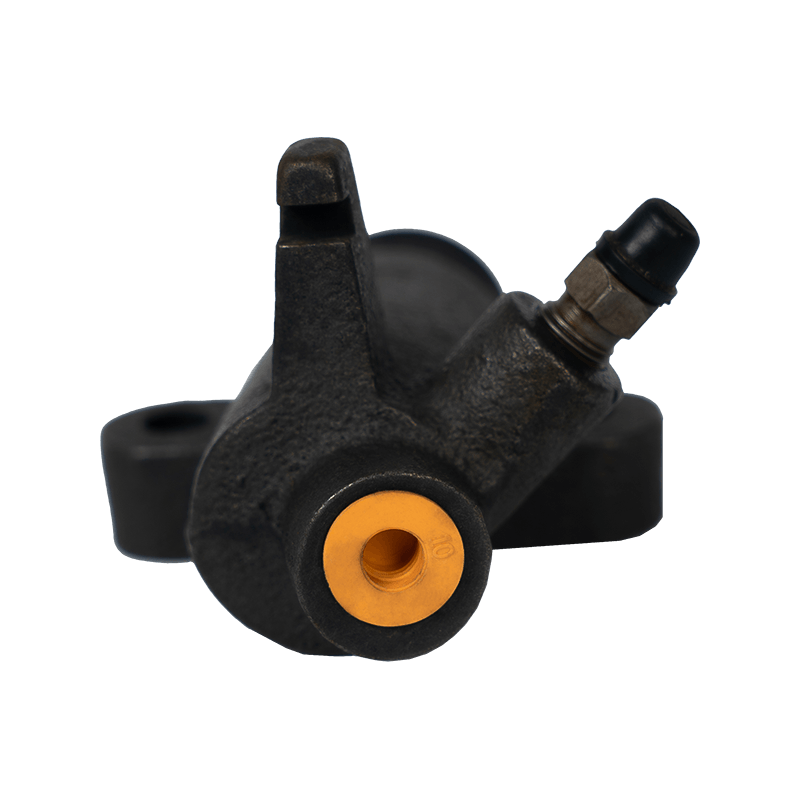
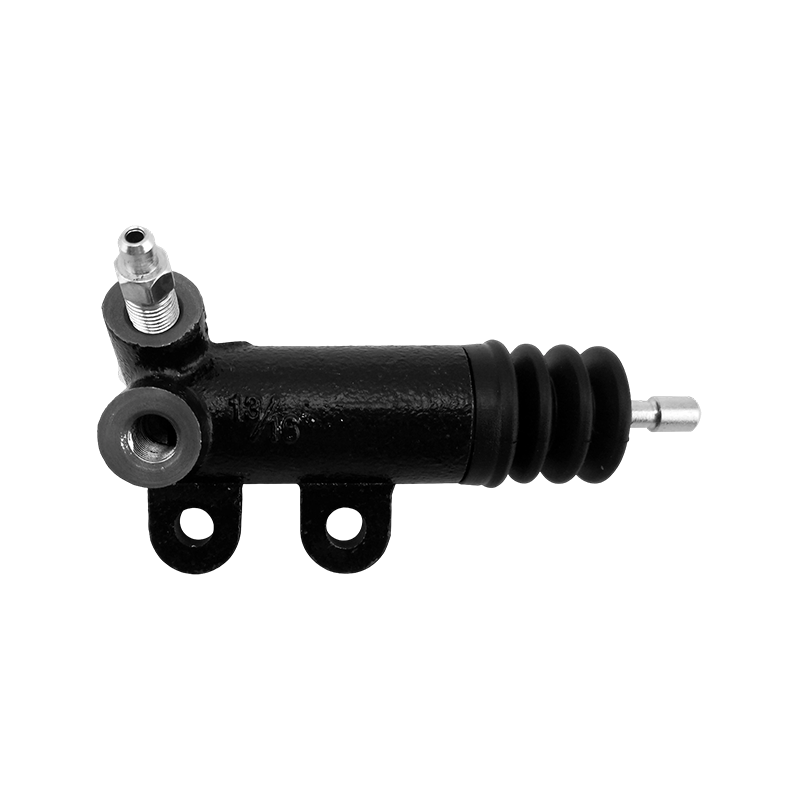
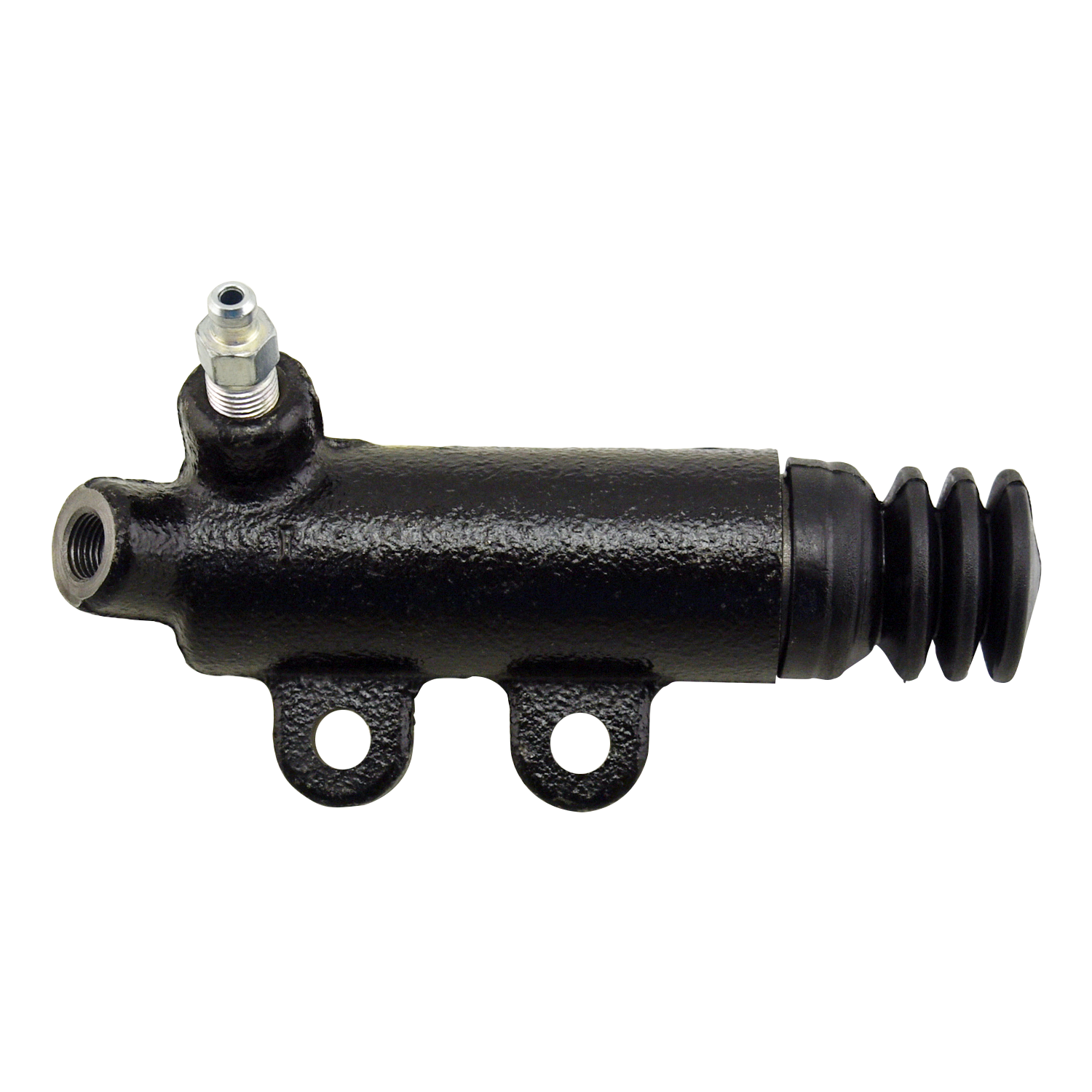
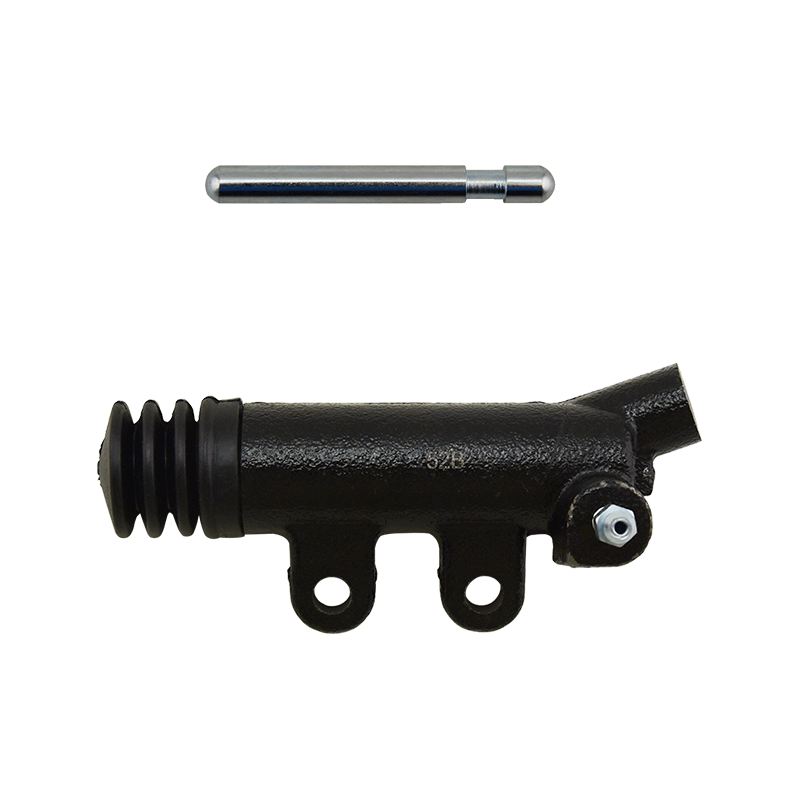
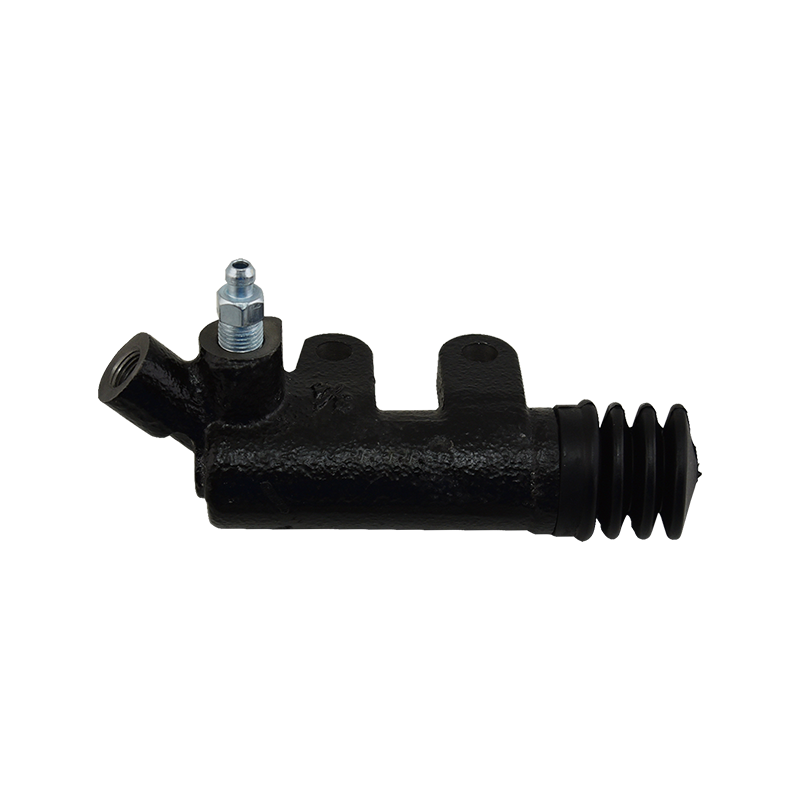
31470-20101 Clutch Slave Cylinder for Toyota
Model :31470-20101 Clutch Slave Cylinder for Toyota is supplied for the OE application listed below. It is intended for a like-for-like aftermarket repair once the OE number and vehicle details have been checked.
Manufacturing & Quality Assurance
We check the bore, mounting face, and hydraulic connection against the agreed OE reference. Material checks, assembly checks, and final leak tests are carried out under the IATF 16949 quality system.
Markets & Application Scenarios
This product is suited to manual-transmission aftermarket work, independent workshops and distributor stock. Match the OE number and VIN before supply. The source file does not include a VIN-resolved vehicle list, so final fitment remains an OE/VIN check.
Product Advantages
The practical value is simple: OE-led fitment, a stable cylinder body, and seals made for the hydraulic circuit.
|
OE NO |
31470-20101 31470-20100 |
|
DIA |
3/4'' 19.05mm |
|
MODEL |
08/1973-04/1979 TOYOTA CORONA RT10*,11* |
|
Material |
FE |
Product Structure & Performance Analysis
The fe body gives the cylinder a firm base in the clutch-release circuit. Inside, the piston works in a machined bore with seals selected for clutch fluid. The result is steady movement at the release mechanism and a more consistent pedal feel.
Manufacturing & Quality Assurance
We check the bore, mounting face, and hydraulic connection against the agreed OE reference. Material checks, assembly checks, and final leak tests are carried out under the IATF 16949 quality system.
Markets & Application Scenarios
This product is suited to manual-transmission aftermarket work, independent workshops and distributor stock. Match the OE number and VIN before supply. The source file does not include a VIN-resolved vehicle list, so final fitment remains an OE/VIN check.
Product Advantages
The practical value is simple: OE-led fitment, a stable cylinder body, and seals made for the hydraulic circuit.
Customization Service & Solutions
- Send us a drawing, a sample, or OE data, and we can review the part before development starts.
- For clutch slave cylinder orders, we can support private-label boxes, labels, barcodes, and laser marks once artwork is approved.
- Mixed-model orders, pilot samples, and scheduled supply are available for distributors and service programs.
- Before order confirmation, we can help check OE numbers, product selection, and the fitment information you provide.
- Production follows IATF 16949 controls, with agreed inspection points from incoming material through final packing.
Sample Policy
Sample Availability: Standard samples are available for evaluation after the OE number and fitment requirements are confirmed.
Sample Cost: Standard samples may be supplied free of charge; international freight is borne by the customer unless otherwise agreed.
Lead Time: Normal sample preparation is typically 15-30 days, subject to stock, tooling, and requested validation.
Delivery: Samples are normally sent by DHL, UPS, or another agreed international courier.
FAQ
Q1: Who is YaniTiger? Are you a manufacturer?
A: YaniTiger is the automotive hydraulic components brand of Yancheng Yanitiger Auto Parts Co., Limited. We integrate product development, manufacturing, and supply-chain coordination for global aftermarket customers.
Q2: What are your main products?
A: Our core range includes clutch slave cylinder products such as 31470-20101 Clutch Slave Cylinder for Toyota, together with brake master cylinders, brake wheel cylinders, clutch master cylinders, clutch slave cylinders, brake calipers and brake pads.
Q3: Which market do you mainly serve?
A: We serve the global automotive aftermarket, including distributors and service-parts customers in Europe, the Middle East, Southeast Asia, Africa, and the Americas.
Q4: How do you control R&D and quality for 31470-20101 Clutch Slave Cylinder for Toyota?
A: We check the agreed OE number, relevant interfaces, and functional requirements against the approved specification. IATF 16949 controls cover raw material, machining or processing, assembly, and final inspection.
Q5: Is your product range market-verified?
A: Our hydraulic and friction parts range is supplied for mainstream Japanese, Korean, European, and American aftermarket applications. Final vehicle fitment should always be confirmed by OE number, VIN, or catalogue data.
Q6: Do you support OEM/ODM orders?
A: Yes. We can develop the 31470-20101 Clutch Slave Cylinder for Toyota from drawings, samples, or technical data, and support related clutch master cylinder range development, private labels, and packaging.
Q7: Can I get a sample of 31470-20101 Clutch Slave Cylinder for Toyota?
A: Yes. Sample service is available after we confirm the OE number, required quantity, and destination. Freight responsibility and any special sample cost are confirmed with the quotation.
Q8: What is the MOQ?
A: The MOQ for this product is 20/30 units, depending on the OE number and packaging. The final order quantity is confirmed in the quotation.
Q9: What are your payment terms and lead time?
A: We generally accept T/T and L/C. Normal production lead time is within 90 days after order confirmation, depending on the product, order quantity, and packaging.
Q10: How do you handle international shipping?
A: FOB, CIF, and EXW terms can be supported. Sea, air, and courier shipping are arranged according to the agreed delivery plan.
Q11: What if there is a quality issue?
A: If a quality issue is confirmed, we coordinate corrective action, return, replacement, or compensation in line with the contract and agreed warranty terms.
Q12: Do you provide technical support?
A: Yes. We provide OE-number and fitment guidance, product-selection support, installation information, and after-sales troubleshooting assistance.
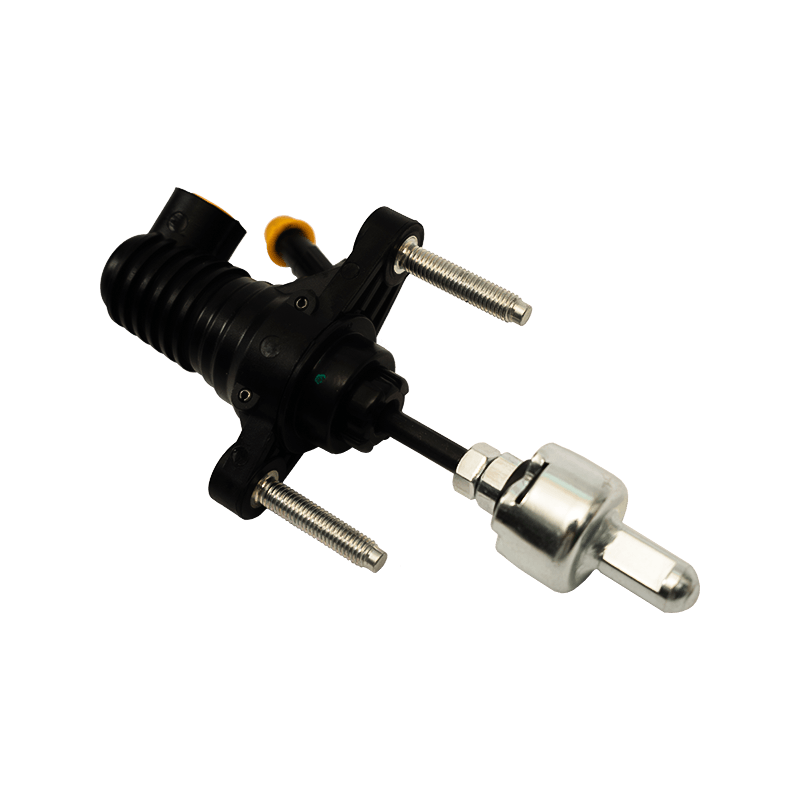
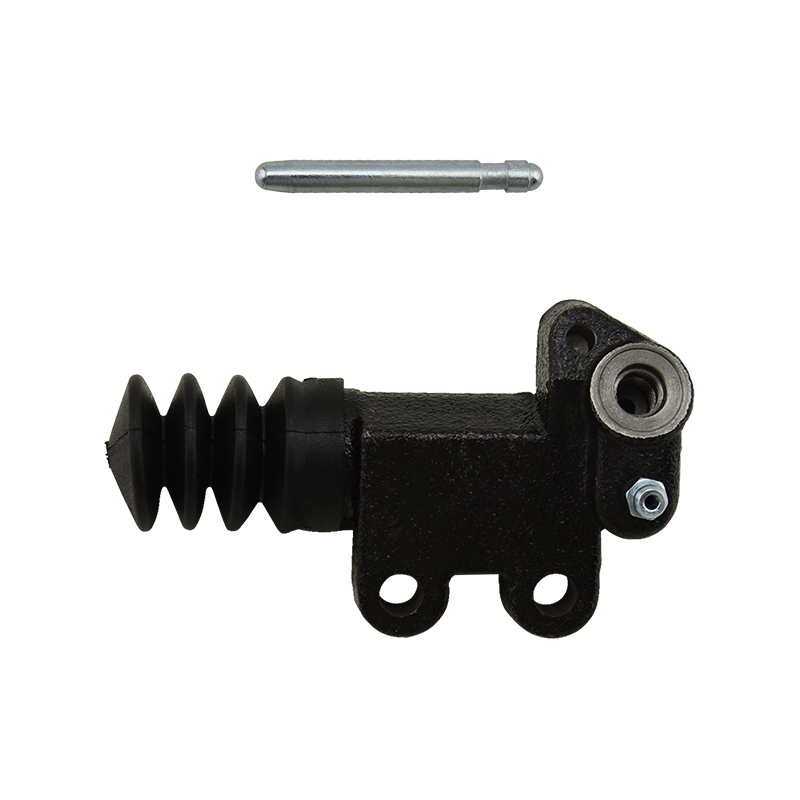
Supported by standardized operation management and rich industrial experience, we have developed more than 7,000 models of hydraulic products to offer our customers more competitive prices and efficient and satisfying services. We also have more than 1,000 brake shoes and brake pads for European, American, Russian, Japanese and Korean cars, fully meeting diversified and customized demands of the global automotive aftermarket.
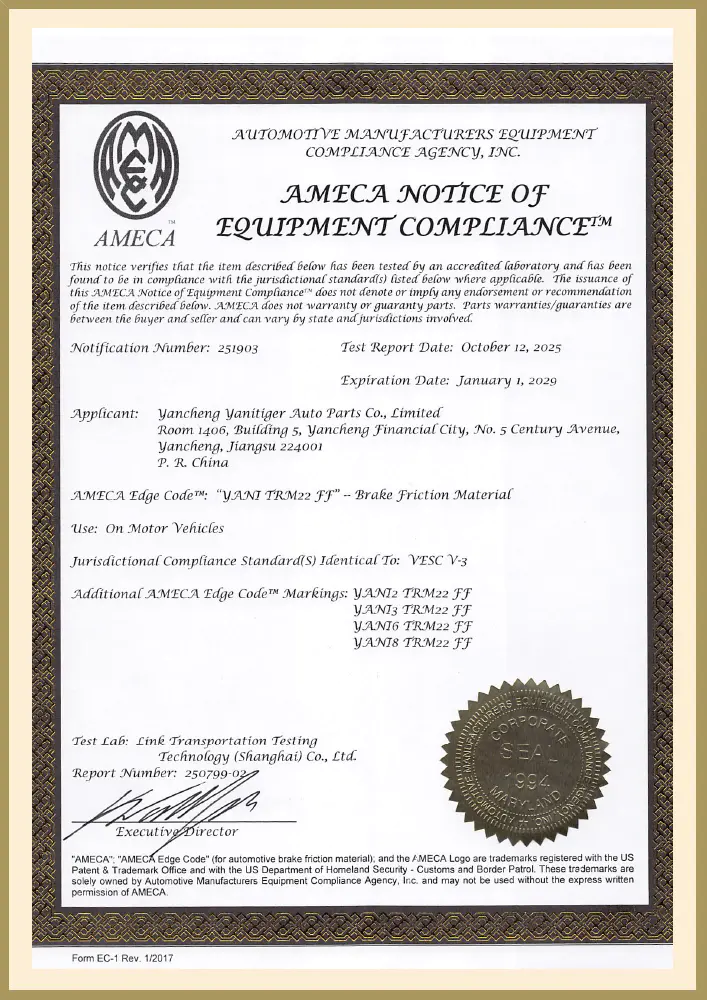
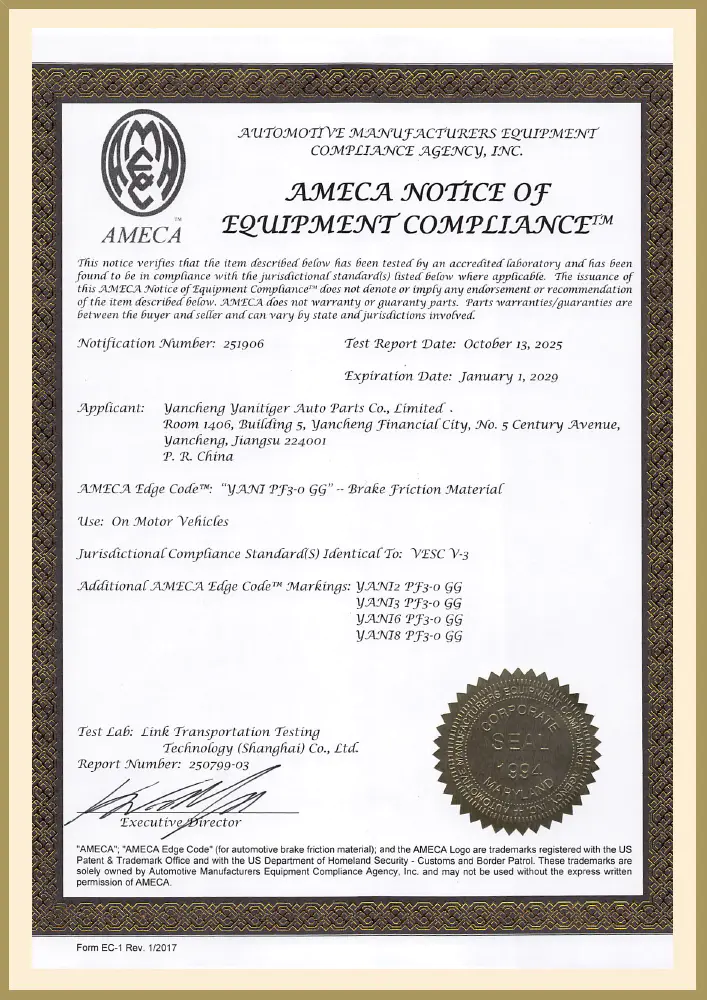
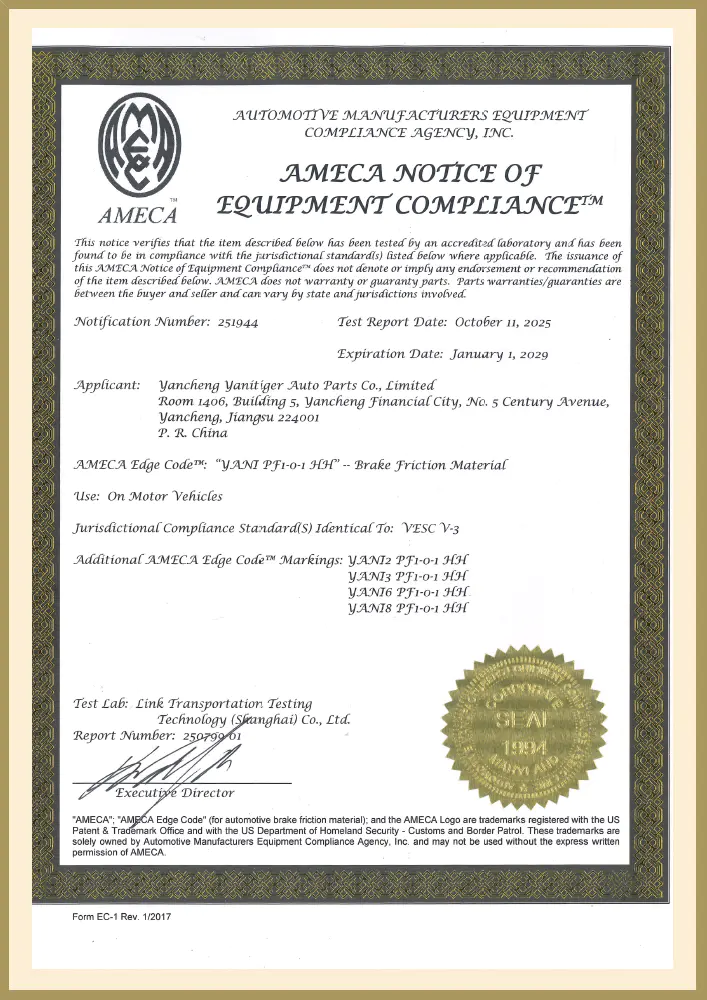
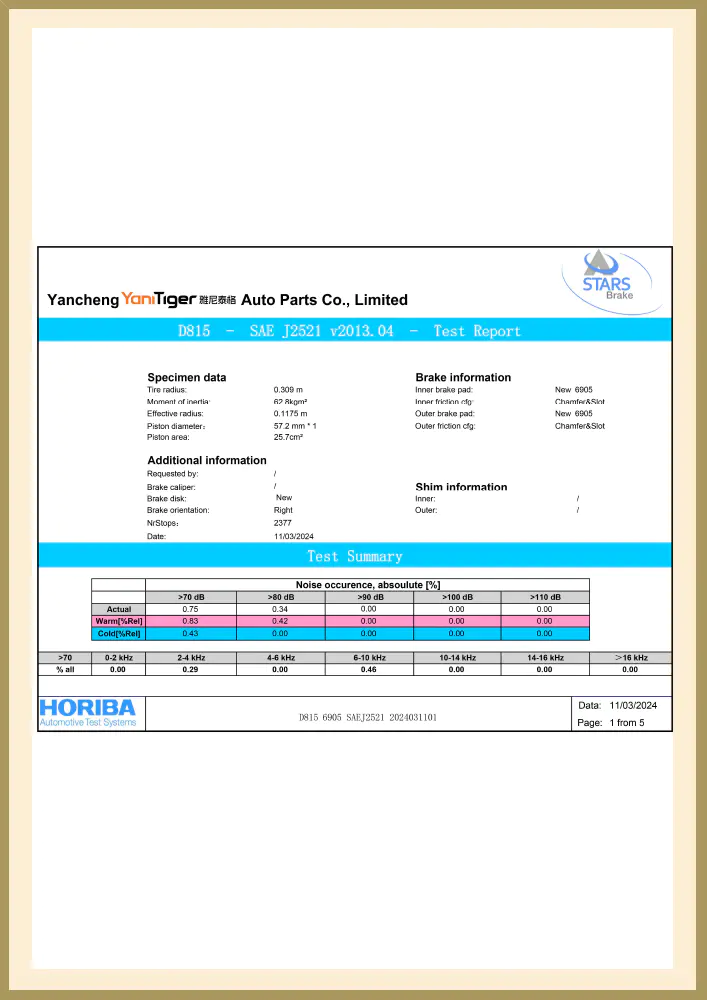
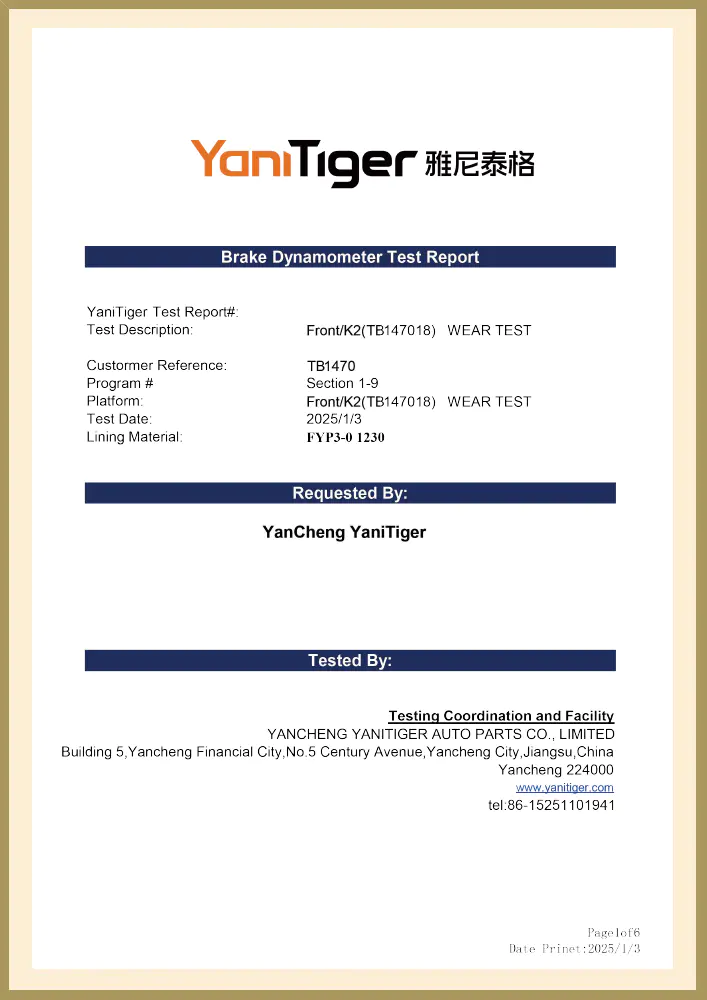
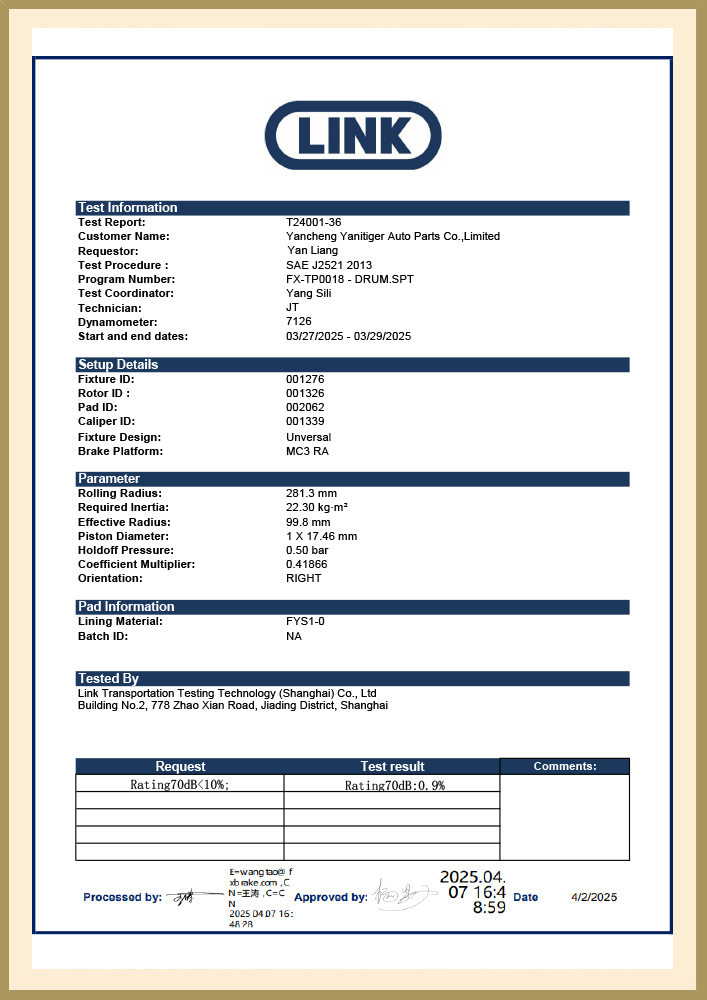
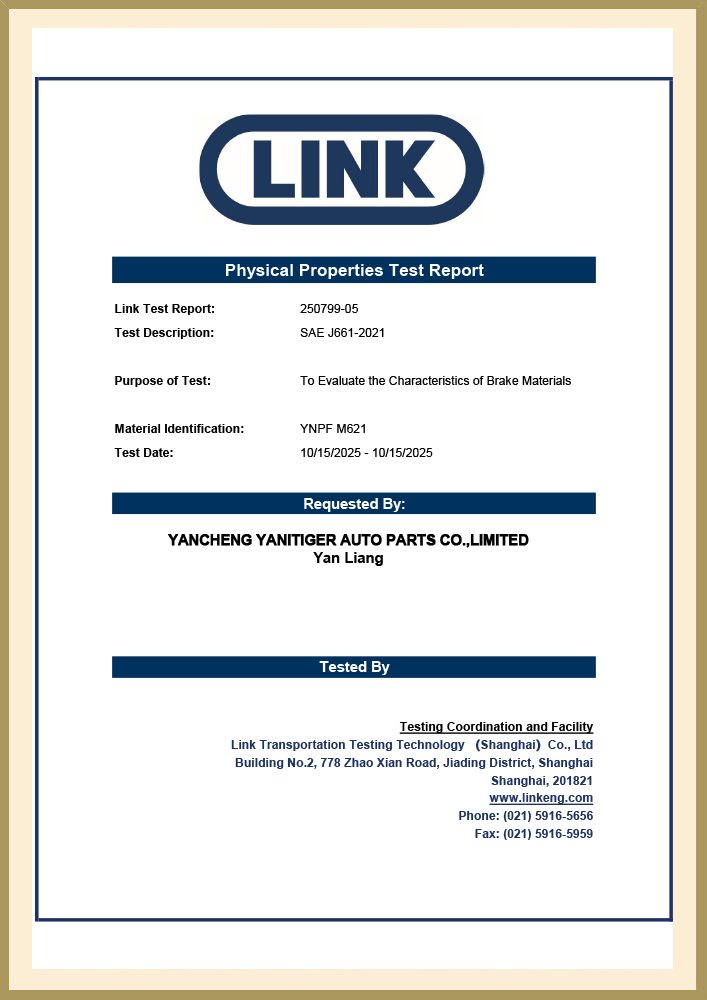
The company strictly complies with the ISO 9001 quality management system and IATF 16949 automotive quality system standards. All core products have obtained authoritative international certifications, including E-MARK R90 and AMECA. We consistently deliver high-quality, cost-effective and standard-compliant automotive component solutions for global customers.
-
Brake Hydraulics: How Master Cylinders, Fluid and Calipers Multiply ForceRead More
A 25.4 mm master cylinder bore, a firm 300 N push on the pedal and a 54 mm caliper piston are enough to squeeze a brake disc with more than 20 kN of force. Tha...
-
Car brake pads: Applications, Selection Criteria, and Practical GuidanceRead More
A brake pad carries three numbers that decide almost everything about it: the thickness of the friction material when it is new, the thickness at which it has ...
-
What Is a Brake Assist System? How It Works and Why It Matters in Your CarRead More
Picture a driver in a 2018 sedan who sees a stopped delivery truck about 30 metres ahead and stabs the brake pedal — fast, but not especially hard. The car st...
-
How a Brake Servo Works: Vacuum Power Booster Principle, Parts & FunctionRead More
Next time you park, try this: switch off the engine, then press the brake pedal several times. The first press may feel normal; by the third press, the pedal i...
-
Hydraulic Braking Explained: Master Cylinders, Wheel Cylinders and CalipersRead More
A brake pedal that sinks halfway to the floor before the vehicle slows down is normally a hydraulic fault, not a friction fault. Pads and rotors can still meas...
Take step and get in touch with us today.


Yancheng Yanitiger Auto Parts Co., Limited focuses on the R&D and supply of automotive braking and clutch system components, which are widely used in European, American, Japanese, Korean and Russian car models.
-

+86-152 5110 1941
+86-139 6199 0100 -

Info@yanitiger.com
-

Building 5, Yancheng Financial City, No. 5 Century Avenue, Yancheng City, Jiangsu Province, China
