
 en
en
The automotive braking system is a core component for safe vehicle operation, affecting both driving safety and vehicle performance. Whether for daily driving or high-speed travel, a good braking system ensures the vehicle can stop quickly and smoothly in emergency situations.
1. How the Automotive Braking System Works
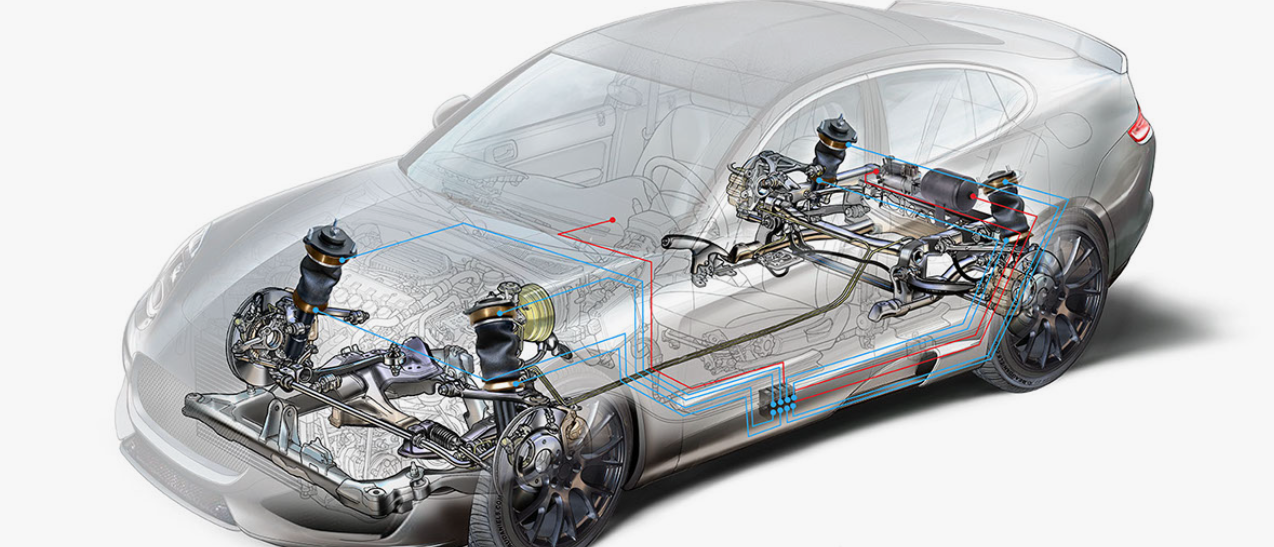
The main function of the automotive braking system is to convert the force applied by the driver on the brake pedal into braking force on the wheels, thereby controlling the vehicle's deceleration or stopping. The braking system mainly includes the following core components:
Brake pedal: The driver inputs the operating signal.
Brake booster: Amplifies the driver's pedal force, reducing the effort required.
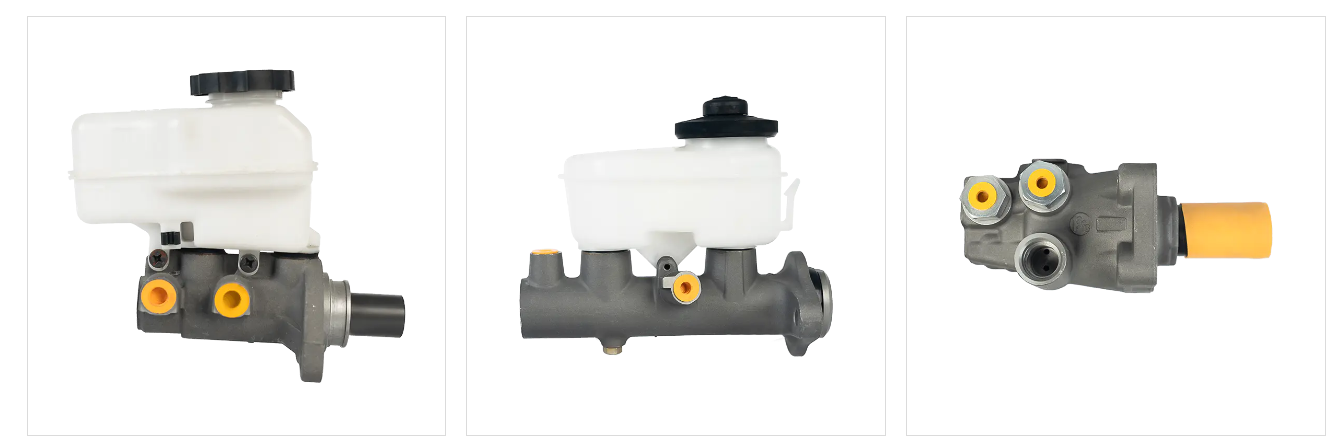
Master cylinder and brake fluid: Converts mechanical force into hydraulic pressure, which is transmitted to each wheel via the brake fluid.
Brake caliper or brake drum: Converts hydraulic pressure into friction force applied to the brake disc or brake drum.
Brake disc/drum and brake pads/shoes: Friction generates resistance, achieving deceleration and stopping.
Modern cars are also commonly equipped with ABS (Anti-lock Braking System), which uses electronic control to prevent the wheels from locking up during emergency braking, improving vehicle handling and safety.
2. Main Types of Automotive Braking Systems
Based on the friction mechanism, automotive braking systems are mainly divided into two types: "disc brakes" and "drum brakes":
Disc Brakes
Structure: The brake disc works with the brake caliper, and the brake pads inside the caliper clamp the disc to generate friction.
Advantages: Fast heat dissipation, high braking efficiency, easy maintenance.
Disadvantages: Slightly higher cost, may not be suitable for some older models.
Drum Brakes
Structure: The brake shoes expand and rub against the inside of the brake drum to provide braking.
Advantages: Low manufacturing cost, suitable for low-speed or light vehicles.
Disadvantages: Slow heat dissipation, relatively weaker braking force.
3. Common Automotive Braking System Faults
Understanding common faults helps with timely maintenance and avoids safety hazards:
Brake pedal becomes soft or sinks
Reason: Brake fluid leak or air entering the brake lines.
Solution: Check the brake fluid level, bleed the system, and replace the brake fluid. Brake Noise
Cause: Excessive brake pad wear, uneven brake disc surface, or foreign objects causing friction.
Solution: Replace brake pads or resurface the brake discs.
Increased Braking Distance
Cause: Brake pad wear, aging brake fluid, or smooth brake disc surface.
Solution: Regularly replace brake pads and brake fluid, and maintain a smooth brake disc surface.
ABS Warning or Malfunction
Cause: Wheel speed sensor failure or control module malfunction.
Solution: Have a professional repair shop perform electronic diagnostics and component replacement.
4. Key Maintenance Points for Automotive Braking Systems
Proper maintenance can extend the life of the braking system and ensure driving safety:
Regularly Check Brake Fluid
Check the brake fluid level and color every 10,000-20,000 kilometers.
If the color changes or the fluid level is low, replace and replenish the fluid promptly.
Brake Pad and Brake Disc Inspection
Brake pad thickness should be within the manufacturer's specified range; replace them promptly if excessively worn.
If the brake discs show scratches, bulges, or deformation, they should be resurfaced or replaced.
Braking System Cleaning and Lubrication
Apply an appropriate amount of lubricant to the brake caliper guide pins and pad contact surfaces.
This prevents brake sticking or abnormal friction.
Pay Attention to Driving Habits
Avoid prolonged continuous braking, especially on downhill sections; use intermittent braking or engine braking to reduce the braking load.
5. Braking System Upgrades and Safety Tips
With the development of automotive technology, more and more models are equipped with electronic assisted braking systems, such as EBD (Electronic Brakeforce Distribution) and ESC (Electronic Stability Control), further enhancing vehicle braking safety. Owners should pay attention to the following during use and maintenance:
Regularly check that the electronic assisted systems are functioning correctly.
Control speed in high temperatures or harsh road conditions to avoid brake overheating.
Install high-quality brake pads and brake fluid to ensure long-term stable performance.
The automotive braking system is the core of vehicle safety, encompassing mechanical, hydraulic, and electronic components. Choosing the right brake pads, regularly checking the brake fluid and brake discs, and maintaining good driving habits are key to ensuring the efficient and safe operation of the braking system.