
 en
en
The braking system is a crucial component of vehicle safety, and brake pads, as one of the most critical parts of the braking system, directly affect the vehicle's braking performance. Choosing the right brake pads is not only related to the quality of braking but also involves driving safety, maintenance costs, and driving experience.
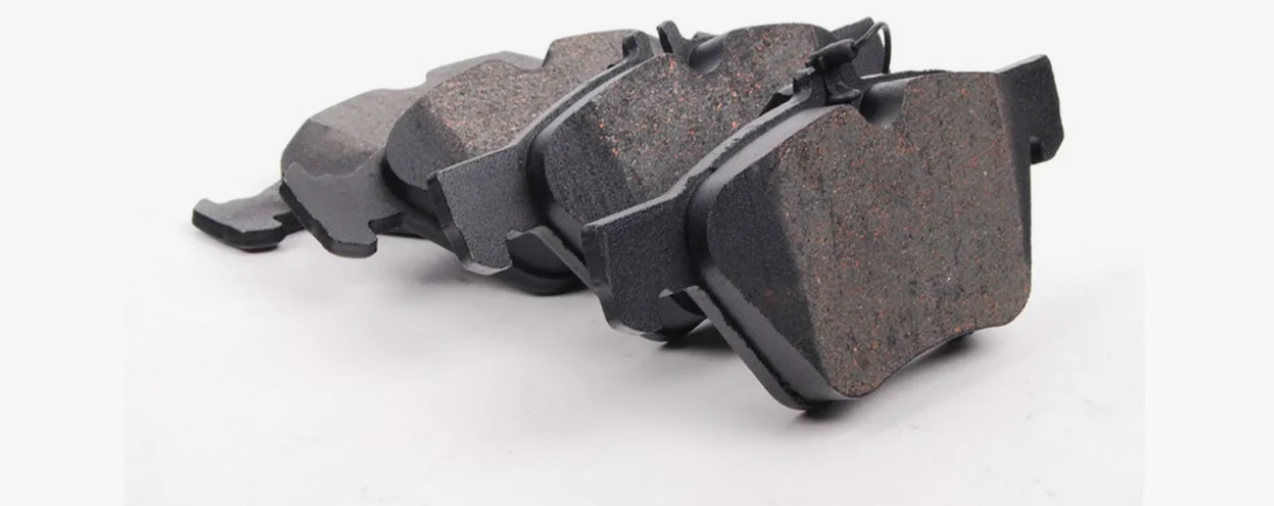
1. Understanding the Basic Types of Brake Pads
Brake pads come in various types. Based on materials, performance, and applicable conditions, brake pads on the market can generally be divided into the following types:
Organic Brake Pads: Made of materials such as resin, fibers, and fillers, suitable for daily city driving, with low noise and good comfort, but with poor wear resistance.
Semi-Metallic Brake Pads: Made of a mixture of metal and synthetic materials, offering better high-temperature resistance and braking performance, suitable for high-speed driving and heavy-duty vehicles.
Metallic Brake Pads: Composed of metal particles, offering superior braking performance, high temperature resistance, and wear resistance, but with higher noise levels, suitable for racing cars and high-performance vehicles.
Ceramic Brake Pads: Made of ceramic materials and some metals, offering advantages such as low noise, low dust, and high wear resistance, suitable for high-end sedans and luxury cars.
When choosing brake pads, you first need to determine the appropriate type of brake pad based on your driving habits, road conditions, and vehicle type.
2. Focusing on the Friction Coefficient of Brake Pads
The friction coefficient of brake pads determines the strength of the braking effect. The higher the friction coefficient, the greater the braking force. Different types of brake pads have different friction coefficients:
Organic brake pads: Lower friction coefficient, suitable for gentle driving, with stable braking performance.
Semi-metallic brake pads: Moderate friction coefficient, suitable for more frequent braking.
Ceramic brake pads: Higher friction coefficient, suitable for high-performance needs, with strong braking performance.
You need to choose brake pads with a suitable friction coefficient based on your personal driving habits. If you often drive in the city or frequently take short trips, organic brake pads may be more suitable. If you often drive on highways or mountain roads, you can consider semi-metallic or ceramic brake pads.
3. Pay Attention to the Heat Resistance of Brake Pads
Brake pads generate a large amount of heat during operation, especially during prolonged, high-load braking. If the brake pads lack sufficient heat resistance, it can lead to brake fade, brake failure, and other dangerous situations.
Organic brake pads have poor heat resistance, and prolonged high temperatures can lead to brake fade.
Semi-metallic and ceramic brake pads, on the other hand, have better heat resistance and are suitable for prolonged, high-intensity braking.
If you frequently drive in mountainous areas or on highways, or at high speeds, choosing semi-metallic or ceramic brake pads with better heat resistance can effectively ensure braking performance.
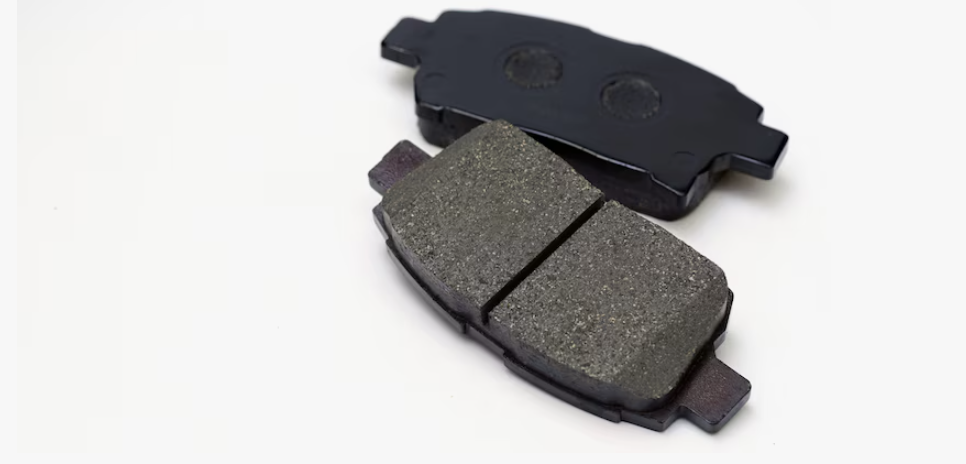
4. Brake Pad Lifespan and Maintenance Costs
The lifespan of brake pads is closely related to their usage. Brake pads made of different materials have significant differences in wear resistance and lifespan:
Organic brake pads have a shorter lifespan and require frequent replacement, making them suitable for short-distance driving.
Semi-metallic and ceramic brake pads have a longer lifespan and are suitable for high-intensity braking and prolonged use.
Although ceramic brake pads have a higher initial purchase cost, their longer lifespan and lower maintenance costs make them more cost-effective in the long run.
Comparison of the characteristics of different types of brake pads:
| Type | Material Composition | Advantages | Disadvantages | Suitable Scenarios |
| Organic Brake Pads | Resin, Fibers, Fillers | Low noise, Good comfort, Environmentally friendly | Poor wear resistance, Weak braking force | Daily city driving, Light vehicles |
| Semi-Metallic Brake Pads | Metal and Composite Materials | High heat resistance, Strong braking force, Suitable for heavy-duty vehicles | High noise, Generates brake dust | High-speed driving, Mountain roads, Heavy-duty vehicles |
| Ceramic Brake Pads | Ceramic, Metal Mix | Low noise, Low dust, High heat resistance, High durability | Higher cost, Lower friction coefficient | High-end sedans, Luxury cars, High-performance vehicles |
| Metallic Brake Pads | Metal Particles | Strong braking effect, High heat resistance, High performance | High noise, Poor adaptability | High-performance cars, Racing, Heavy machinery vehicles |