 Search
 Eng
Eng 
 English
 Español
 Português

 Home / Newsroom / Industry News / Understanding Your Parking Brake System: Types, How It Works, and Failure Caus
 Understanding Your Parking Brake System: Types, How It Works, and Failure Caus
 2026.09.23
 Industry News
You have just parked on a steep driveway. You put the gearbox in Park and lift your foot off the brake. The car does not move. That stillness is the work of the parking brake system, not the transmission alone. Every modern passenger vehicle carries a mechanical parking hold because it has to: it must keep a fully loaded car stationary on a substantial hill even if the service brakes lose all hydraulic pressure. This article walks through what a parking brake system is, how its main variants work, and the faults that cause it to let go.
Content
- 1 What Is a Parking Brake System?
- 2 How a Parking Brake System Works
- 3 Main Types of Parking Brakes
- 4 How Air-Braked Vehicles Park Differently
- 5 Common Parking Brake Problems and Maintenance
- 6 Parking Brake FAQ
- 6.1 Is a parking brake the same as an emergency brake?
- 6.2 Should I use the parking brake every time I park?
- 6.3 Why does my parking brake not hold on a hill?
- 6.4 Can the electronic parking brake fail?
- 6.5 Does the parking brake use the same brake pads as the service brake?
- 6.6 How much does a parking brake repair cost?
What Is a Parking Brake System?
A parking brake system is a mechanical mechanism that locks the rear wheels so that a parked vehicle stays put. In its traditional form it consists of a driver-operated lever or pedal, steel cables, an equalizer, and the actuating parts inside the rear brakes. Because it works as a direct mechanical connection, it does not depend on the engine running or on hydraulic fluid pressure for a basic hold.
Design targets clarify how much responsibility the system carries: most passenger-vehicle standards expect the parking brake to keep a vehicle from rolling on a slope of roughly 20 percent when fully loaded. That is why a healthy system can secure a car that would otherwise roll down a hill even with the transmission in Park or the engine off.
Note the distinction between the parking brake and the service brake. The service automobile brake system stops a moving car with hydraulic force. The parking brake bypasses that circuit entirely. It is also the reason a car with a failed master cylinder can still be parked securely.
| Component | Role in holding the vehicle |
|---|---|
| Control (lever, pedal, or button) | The driver input; includes a ratchet or switch that keeps the brake applied |
| Front cable | Transfers force from the control to the equalizer |
| Equalizer | Divides force evenly between the left and right rear brakes |
| Rear cables | Carry the pull into each wheel brake |
| Actuating lever inside brake | Multiplies cable travel into a clamping or spreading force |
| Shoes or pads | Generate the friction that locks the drum or rotor |
| Adjuster and return springs | Compensate for wear and release the brake when disengaged |
| EPB motor and module (electronic systems) | Replace the manual cable input with motor-driven clamping |
How a Parking Brake System Works
All mechanical parking brakes follow the same force path. Pull the hand lever and the ratchet locks the cable in a stretched position. That pull travels through the front cable to the equalizer, which splits it equally to both rear wheels so one side does not clamp harder than the other. Inside each rear brake, the cable moves an actuating lever. On a rear drum brake, the lever spreads the two shoes into the drum, and friction locks the wheel. On a rear disc brake with an integrated parking brake, the lever rotates a screw or cam in the caliper to push the brake pads against the rotor. When you release the lever, return springs pull everything back and the wheels turn freely.
Electronic parking brakes (EPBs) replace the cable path with an electric motor mounted on the rear caliper or on a cable-puller unit. The motor drives a ball-screw or gear mechanism that presses the piston directly against the pads. The button maintains the applied state, and a separate motor or clutch release lets the pads retract.
Because the parking brake is a static device, its job begins after the car has stopped. The correct technique on a steep gradient is to hold the foot brake, apply the parking brake, and only then shift into Park. This takes load off the transmission pawl and puts it on the part designed to hold it.
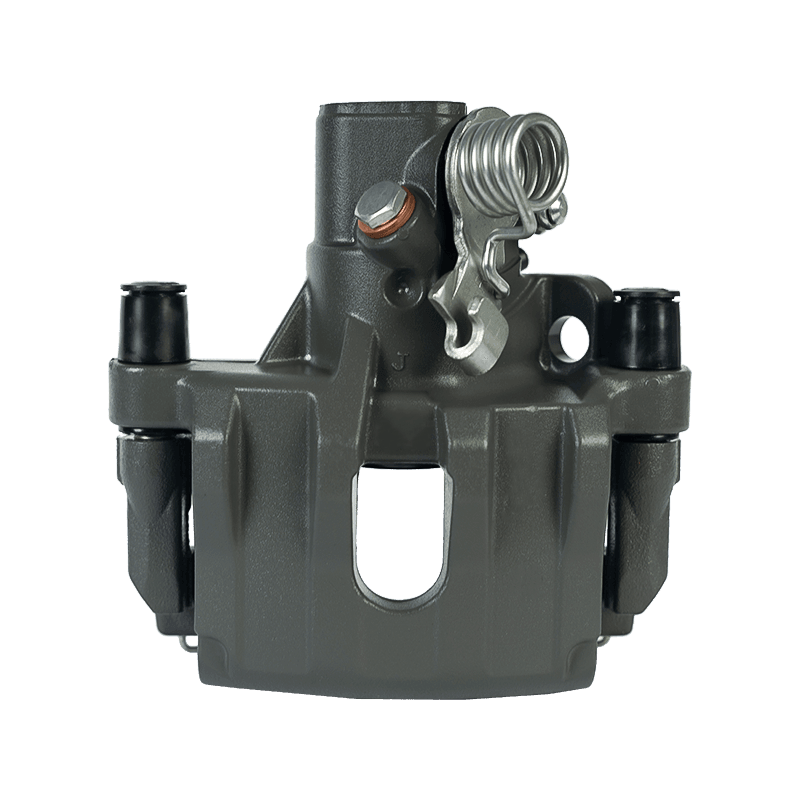
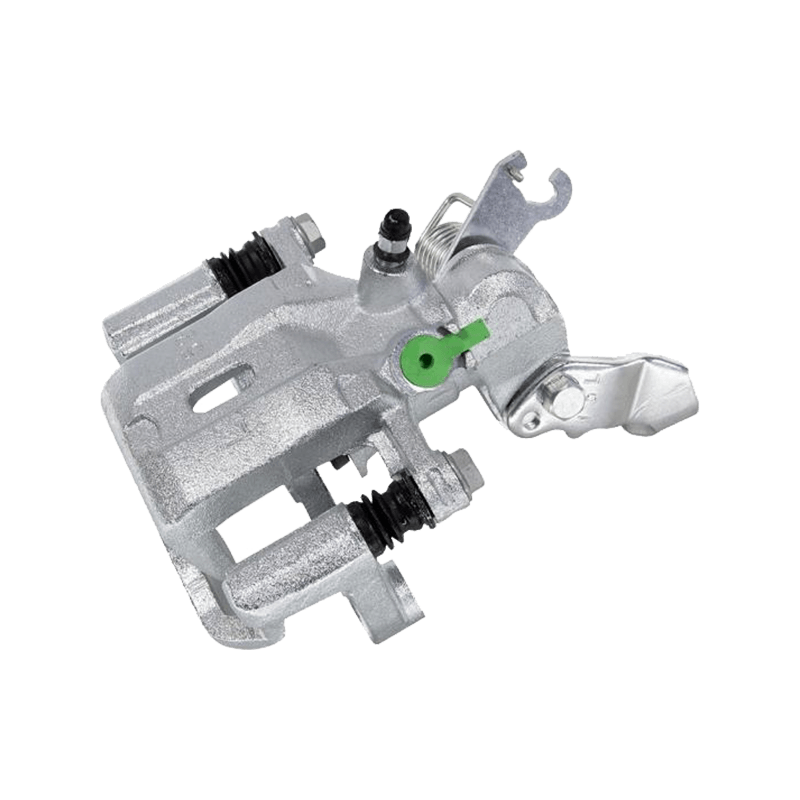
Two of the most important components to inspect when a parking brake loses its bite are at the wheel: the caliper on disc-rear vehicles and the wheel cylinder on drum-rear vehicles. A caliper whose piston sticks or whose parking lever seizes will not apply or release cleanly. Replacement calipers that match the original part number are the first choice for a repair that has to last.
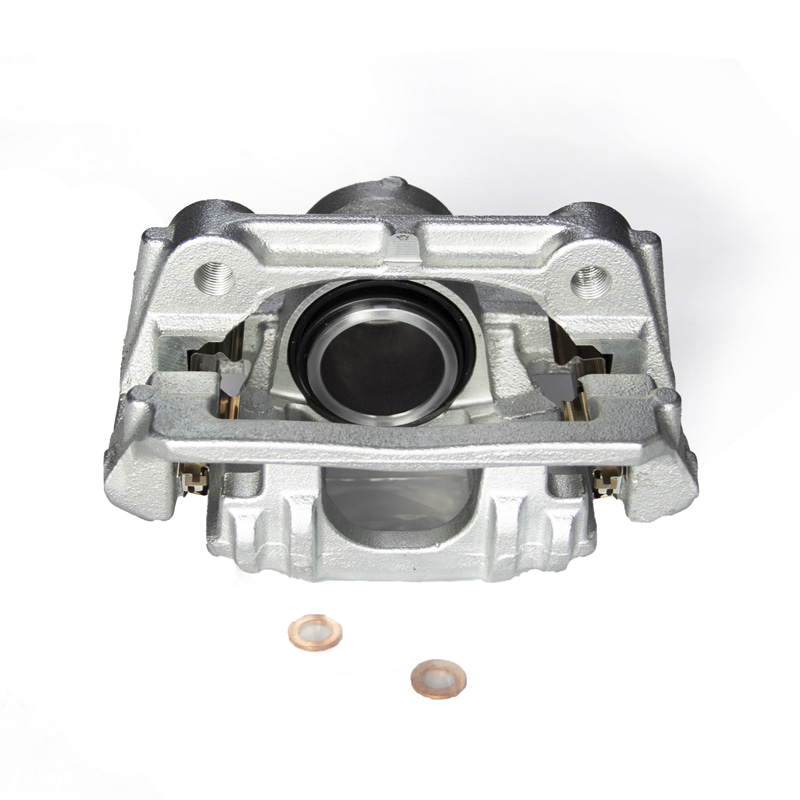 68019137AA 2E0615424 Brake Caliper for Rear Disc Parking BrakeThis replacement caliper matches the original part number for rear disc systems, addressing sticking pistons or seized parking levers that reduce parking brake bite. A dependable choice when caliper condition is the suspected fault.View Product →
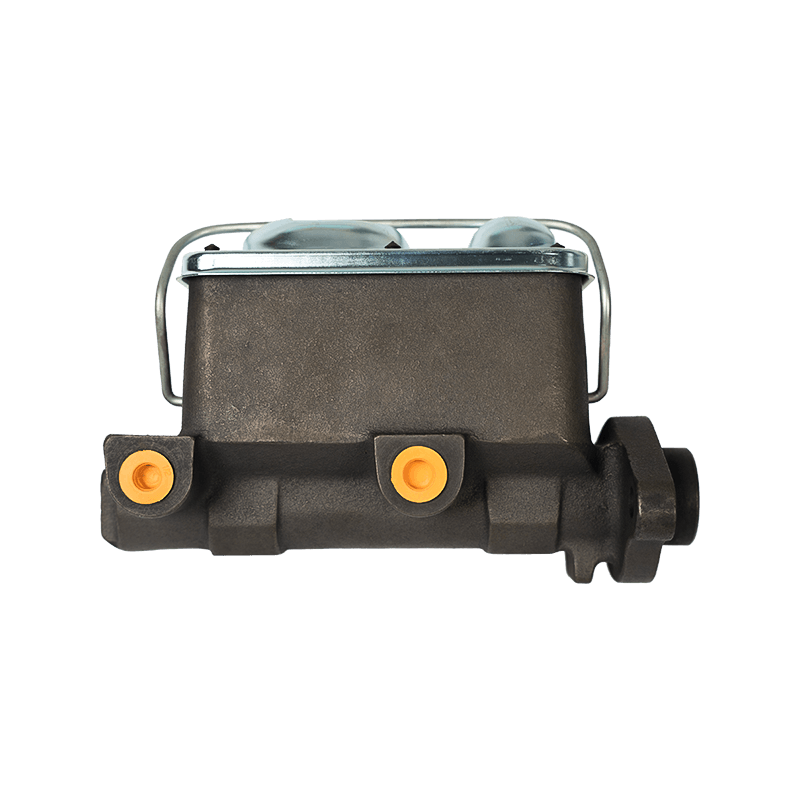
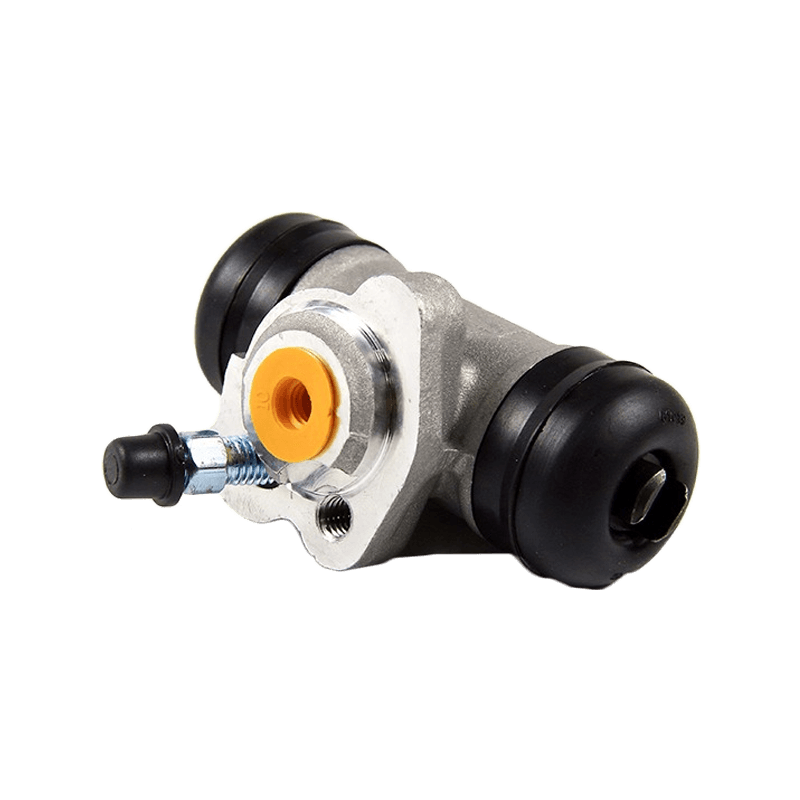
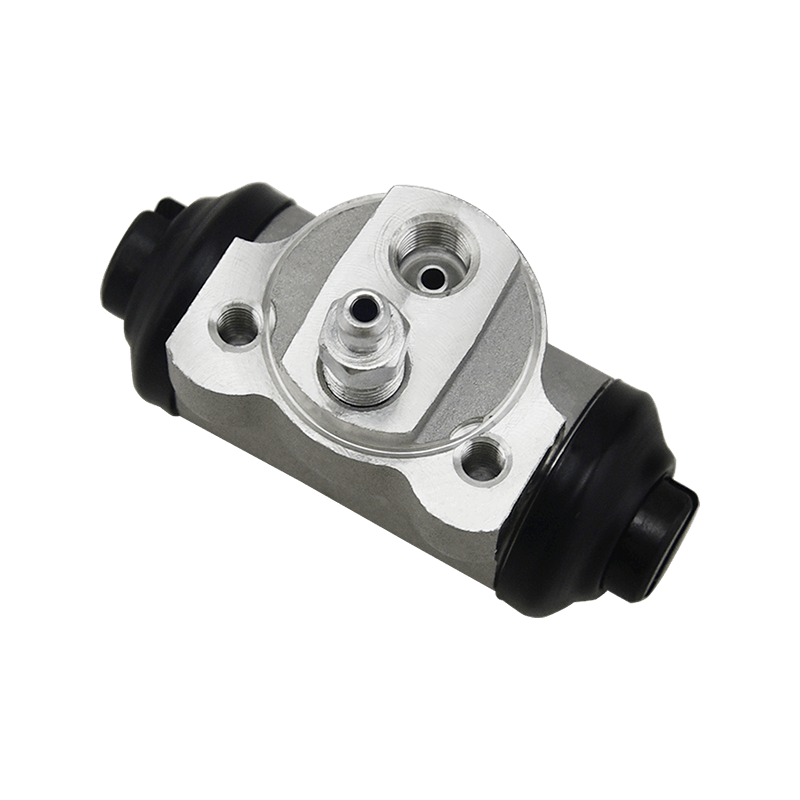
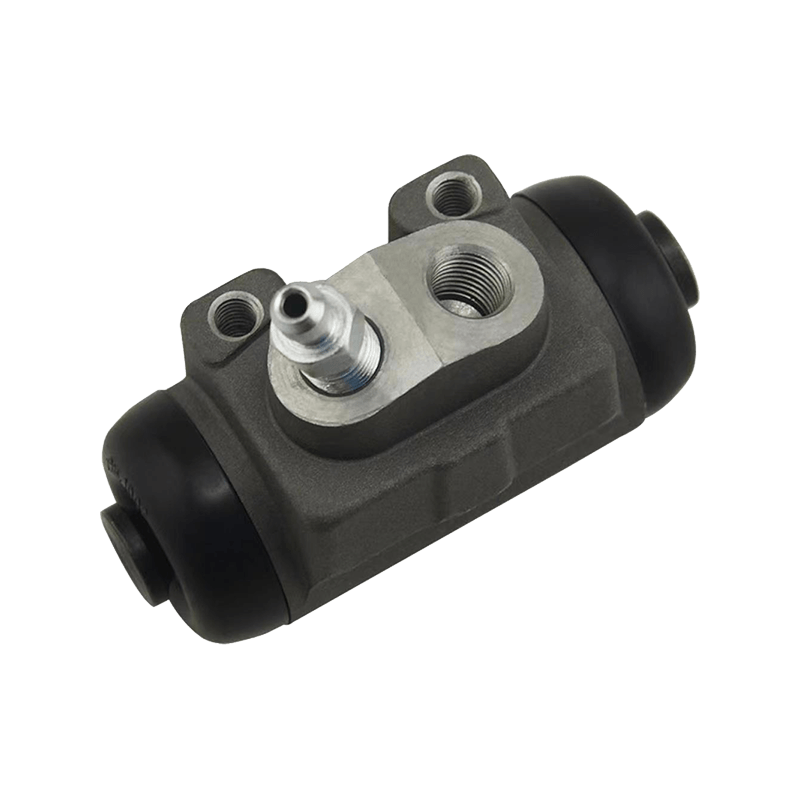
On drum-brake rears, the wheel cylinder sits on the same backplate as the parking brake lever. A slow fluid seep reduces the friction area and often shows up first as a car that creeps on a slope. Wheel cylinders such as the 47510-36170 for Toyota rear axles are commonly replaced together with the shoes so the drum side of the system is done in one job.
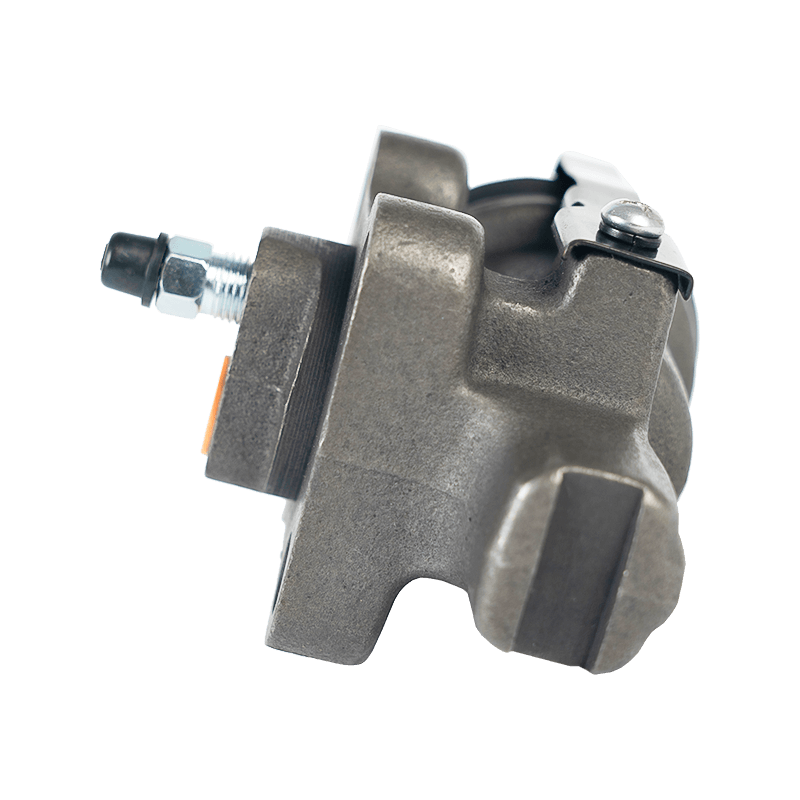 47510-36170 Rear Brake Wheel Cylinder for ToyotaPositioned on the same backplate as the parking brake lever, this wheel cylinder suits drum-brake rears. A slow fluid seep can weaken braking, so pairing it with new shoes ensures the drum side is serviced at once.View Product →
Main Types of Parking Brakes
Center or stick lever
The classic handbrake is still common in smaller cars, sports models, and pickup trucks. The lever offers high mechanical advantage, gives the driver direct feel, and is simple to adjust. Its weak point is the cable: with age, corrosion and stretching increase the number of clicks before engagement.
Foot pedal
The foot pedal is familiar in many American and Japanese SUVs, minivans, and light trucks. The driver presses a pedal near the door sill and releases it by pulling a small handle. It saves cabin space but is harder to modulate, and the mechanism is more prone to sticking if left unused for weeks.
Electronic parking brake (EPB)
The EPB is becoming the default on new cars because it frees floor space, enables auto-hold in traffic, and can be actuated by electronic stability systems. Most EPBs apply via a motor on the rear caliper; a few still pull a cable. The downsides are higher repair cost for the actuator and dependence on battery voltage.
| Feature | Center lever | Foot pedal | Electronic |
|---|---|---|---|
| Driver input | Pull up, press button to release | Press and latch, pull handle to release | Press button |
| Engagement feedback | Mechanical clicks | Click or ratchet feel | Warning light and motor hum |
| Typical location | Floor console | Door sill area | Center console or dashboard |
| Main failure points | Cables, ratchet | Cables, release handle | Actuator, switch, battery |
| Repair cost level | Low to moderate | Low to moderate | Higher, needs special tools |
How Air-Braked Vehicles Park Differently
Trucks and buses do not use hand levers and cables. Their parking brake is a spring brake chamber mounted on the rear axle. Powerful springs hold the brakes applied by default, and compressed air releases them for normal driving. When the driver exhausts the air, the springs apply. This fail-safe design is why a parked air-brake truck cannot creep and why air pressure loss doubles as the emergency braking strategy. For fleet maintenance, the priority is air dryer and spring chamber inspection rather than cable adjustment.
| Aspect | Passenger hydraulic | Truck or bus air |
|---|---|---|
| Energy source | Cables or electric motor | Coil springs plus air pressure |
| Fail-safe behavior | Manual apply by driver | Springs apply automatically on air loss |
| Parking force | Rear shoes or pads | Spring chamber on rear axle |
| Warning indicator | Brake light or fade feel | Low-air alarm, brake drag |
Common Parking Brake Problems and Maintenance
The most dangerous failure is not a brake that refuses to apply; it is a brake that holds on flat ground but fails on a hill. An analysis of shop-reported parking brake complaints in 2024 showed "does not hold on an incline" as the largest single category, ahead of seized cables and excessive lever travel.
Most frequent root causes
- Seized or rusted cables after road-salt exposure
- Stretched cables or worn pulley bushings
- Sticking caliper levers on disc-rear vehicles
- Contaminated or glazed brake linings
- Failed EPB actuators or drained vehicle batteries
Signs the system needs attention
- The car rolls on a slope even with the parking brake fully applied
- The lever pulls higher than the manufacturer's specification, commonly 7 to 9 clicks
- The brake warning light stays on after release
- The pedal or lever feels springy, or the release handle does nothing
- A grinding or dragging noise comes from the rear at low speed
Maintenance is straightforward. Use the parking brake every time you park; regular use keeps the cables free. Have cable adjustment checked whenever rear brakes are serviced, and replace friction material before it reaches the wear limit. For EPB systems, rear pads are checked through the same diagnostic routines, and worn pads directly increase motor current and stress the actuator. The same logic applies to a full hydraulic brake inspection: understanding your brakes is the first step to catching a small problem before it becomes a safety issue.
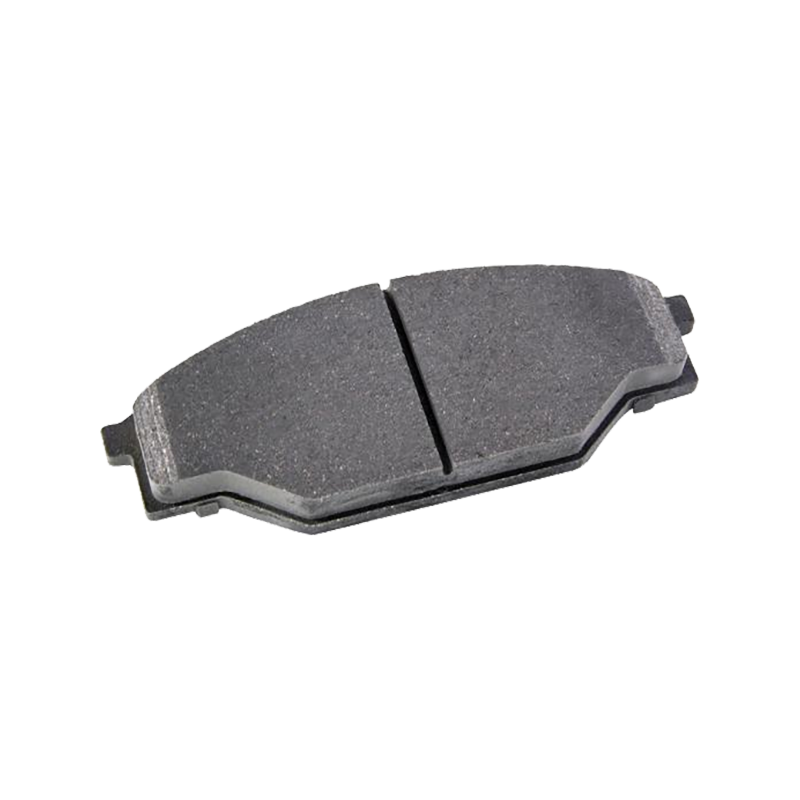
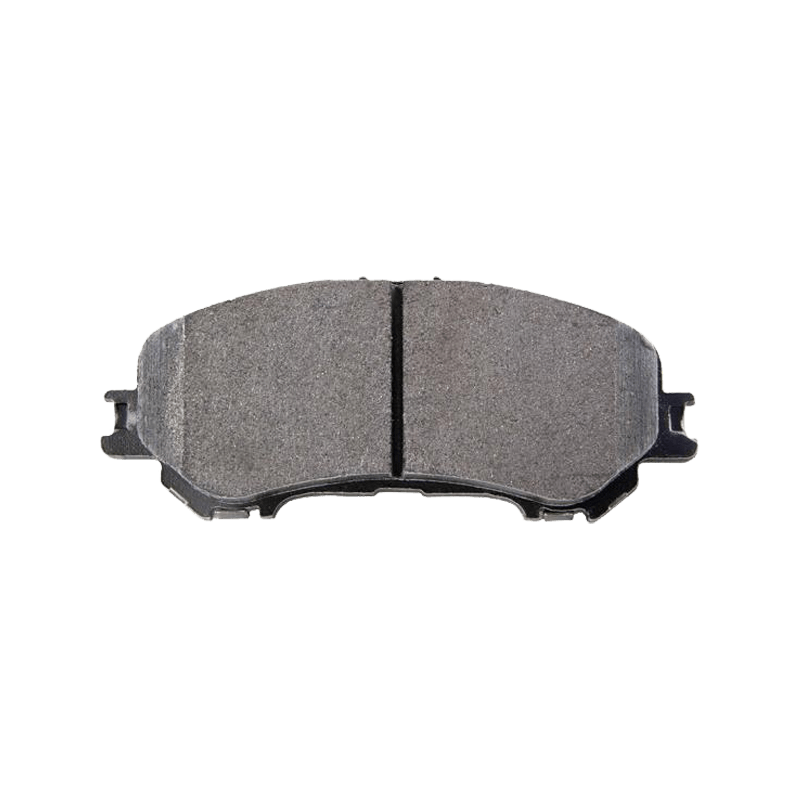
Rear brake pads are the contact point of caliper-operated parking brakes, so pad choice affects both stopping power and parking hold. Quality disc brake pads built to the original geometry and friction range bed in consistently and keep the parking brake force predictable through the life of the pad.
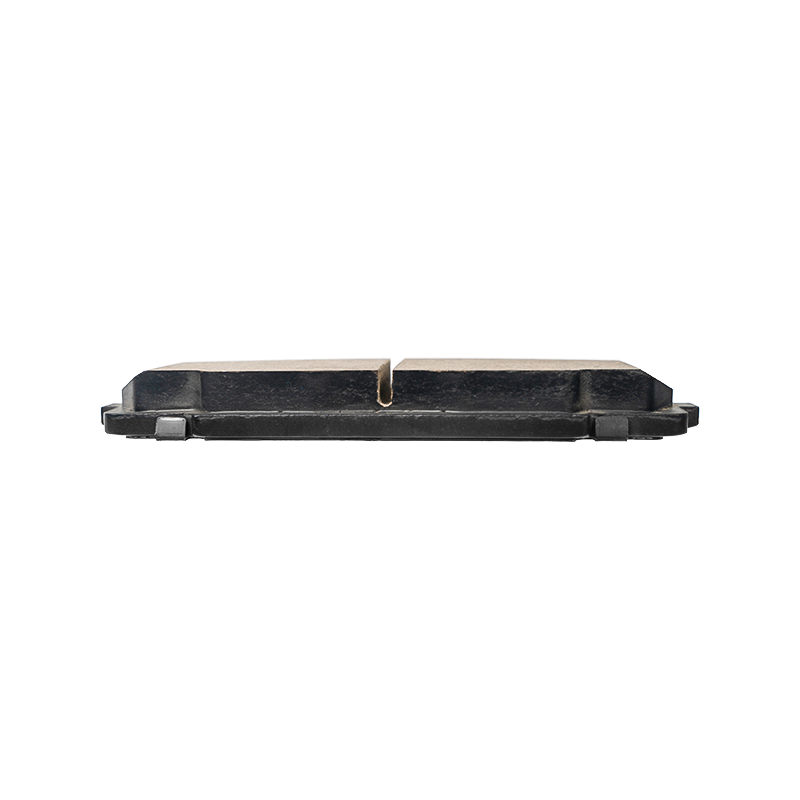 0449135160 Disc Brake Pad for Foton, Toyota, and VWQuality rear brake pads influence both stopping power and parking hold in caliper-operated systems. Built to original geometry and friction range, they promote consistent bedding and predictable parking brake force throughout pad life.View Product →
Parking Brake FAQ
Is a parking brake the same as an emergency brake?
It is the same hardware under a different name. Its primary job is to hold the car when parked, but it also provides a mechanical backup if the hydraulic service brakes fail. Because it acts only on the rear wheels, it is far less effective at speed and should never be pulled hard while driving.
Should I use the parking brake every time I park?
Yes. On automatic cars, regular use keeps the cable and caliper mechanism free and prevents the transmission parking pawl from carrying the whole load of the car. On manuals, EVs, and hybrids, it is also part of the normal parking routine.
Why does my parking brake not hold on a hill?
The usual causes are a stretched cable, a misadjusted equalizer, or worn rear friction material. In drum brakes the self-adjuster may simply need servicing. Test on a safe slope with the brake fully applied; if the car still creeps, inspect the cable path and the rear brake linings.
Can the electronic parking brake fail?
Yes, though less often than cables. EPB failure usually comes from a worn actuator motor, a faulty switch, low battery voltage, or rear brake pads past their limit. If the EPB warning light stays on, read the fault codes before ordering any parts.
Does the parking brake use the same brake pads as the service brake?
On disc-rear cars with caliper-integrated parking brakes, yes: the same pads press the rotor. Drum-in-hat systems use small separate shoes inside the hub, while older full-drum rears share the same shoes with the service brake. Check your rear brake layout before buying parts.
How much does a parking brake repair cost?
A cable replacement is usually far cheaper than replacing a caliper or an EPB actuator. The final cost depends on labor rates and whether drums, shoes, or pads are included. Get a written estimate based on an actual diagnosis instead of authorizing parts ahead of time.


CONTACT INFOR.
-
 +86-152 5110 1941
-
 Info@yanitiger.com
-
 +86-152 5110 1941
-
 Building 5, Yancheng Financial City, No. 5 Century Avenue, Yancheng City, Jiangsu Province, China
Copyright © Yancheng Yanitiger Auto Parts Co., Limited All Rights Reserved. Custom Automobile Brake Products Factory OEM Automobile Brake Products Manufacturers
