 Search
 Eng
Eng 
 English
 Español
 Português

 Home / Newsroom / Industry News / Brake-by-Wire System Guide: How It Works, Benefits, Safety, and Future
 Brake-by-Wire System Guide: How It Works, Benefits, Safety, and Future
 2026.09.16
 Industry News
Imagine pressing the brake pedal of an electric vehicle and feeling a calm synthetic resistance — under the pedal there is no master cylinder and no hydraulic pipe, only a position sensor and a spring-damper unit. That is brake-by-wire, and it is no longer a concept-car experiment. The clear engineering conclusion: a properly designed brake-by-wire system responds faster than a hydraulic one, frees up front-of-vehicle space, and can be made fail-safe through redundancy. What changes is how braking is diagnosed, serviced, and specified.
Content
- 1 What is a brake-by-wire system?
- 2 The two architectures: electro-hydraulic and electro-mechanical
- 3 Why automakers are switching: measurable benefits
- 4 Safety first: why brake-by-wire can be perfectly safe
- 5 Where brake-by-wire stands in 2026
- 6 What brake-by-wire means for replacement parts and workshops
- 7 Brake-by-wire: frequently asked questions
What is a brake-by-wire system?
A brake-by-wire system replaces the mechanical and hydraulic connection between the brake pedal and the wheel brakes with electrical signal lines. When the driver presses the pedal, a position sensor records pedal travel and speed. A brake control unit processes the signal, calculates the required braking force, and commands an actuator at each wheel. The familiar hardware of a conventional hydraulic brake system — master cylinder, brake lines, vacuum booster — is removed from the driver's input path.
The pedal feel is produced by a pedal feel simulator, a calibrated spring-damper unit that gives the foot natural resistance even though the pedal is no longer connected to anything hydraulic. Leading brake suppliers describe the core principle identically: the mechanical link between pedal and brakes is replaced by electronic signal lines, and braking behavior becomes software-defined.
The two architectures: electro-hydraulic and electro-mechanical
Brake-by-wire is not one technology. It exists in two forms, and the difference matters for maintenance and parts selection.
Electro-hydraulic brake-by-wire (EHB)
EHB keeps a closed hydraulic circuit with an electrically driven pump and valves. The pedal is decoupled from the hydraulics, but each wheel brake still receives hydraulic pressure. Because conventional calipers and brake lines remain, EHB is easier to integrate and dominates current EV production.
Electro-mechanical brake-by-wire (EMB)
EMB removes hydraulics entirely. Each caliper contains an electric motor and gearbox that clamps the pads directly against the rotor, with no brake fluid at the wheel corner. It is lighter and more modular, and suppliers are now validating it for volume production.
| Characteristic | Electro-hydraulic (EHB) | Electro-mechanical (EMB) |
|---|---|---|
| Wheel actuation | Hydraulic pressure from an electric pump | Electric motor built into the caliper |
| Hydraulic fluid | Sealed circuit with fluid | None at the wheel corner |
| Pedal unit | Sensor + feel simulator | Sensor + feel simulator |
| Typical response | 120-200 ms | 80-120 ms |
| Service focus | Fluid, seals, pump wear | Motor/gearbox, software |
| Production status | Series production | Validation, early adoption |
EHB is the pragmatic bridge between conventional hydraulics and full by-wire control; EMB is the end state with fewer parts and simpler assembly. Both share one trait: the brake command travels as an electronic signal.
Why automakers are switching: measurable benefits
The commercial case for brake-by-wire rests on concrete gains. The benefits most often cited in supplier engineering communications are:
- Faster response. Electrical signals travel to the wheel brakes in milliseconds, and pressure build-up is precisely controlled. Published technical figures range from 300-500 ms for a hydraulic booster to 80-200 ms for by-wire actuation, shortening the first phase of a stop.
- Software-tunable pedal feel. One hardware platform can produce a comfort characteristic or a sharp performance characteristic by changing parameters.
- Interior space. Without a mechanical pedal box penetrating the bulkhead, the cabin gains room and the dashboard is simplified.
- Crash-optimized mounting. The pedal can be positioned freely, reducing knee-loading risk in frontal impacts.
- Platform standardization. One brake architecture can serve multiple models and powertrains, lowering development cost.
- Autonomy readiness. An electronic brake can be triggered by a driving computer, a basic requirement for fully autonomous operation.
Safety first: why brake-by-wire can be perfectly safe
The obvious question is what happens when an electronic component fails. The short answer is that brake-by-wire is engineered around redundancy. A detailed Road & Track explainer concluded that the technology is perfectly safe when the architecture is fail-operational instead of fail-stop. Three techniques form the safety core:
- Sensor voting. Multiple independent sensors measure pedal travel; the control unit compares the signals and discards values that disagree.
- Missing-data compensation. If a signal drops out, the system reconstructs driver intent from remaining sensors and vehicle data instead of shutting down.
- Redundant power and communication. A second power path and a second bus keep the brakes available even when one channel fails.
Wikipedia's overview of brake-by-wire implementations identifies voting and missing-data compensation as key fail-safe methods. Cold-weather evidence supports the case: a leading brake supplier recently validated its production by-wire system on an Arctic Circle test track at -25°C on ice and snow.
Where brake-by-wire stands in 2026
Brake-by-wire is already a production reality for hybrid and electric vehicles that blend regenerative and friction braking, and regulatory frameworks have been updated to allow by-wire approval in series production. Full electro-mechanical braking is at the validation stage, with early adopters preparing volume rollout. According to market outlooks covered in the trade press, by-wire architectures are expected to become the standard for new EV platforms in the late 2020s.
What brake-by-wire means for replacement parts and workshops
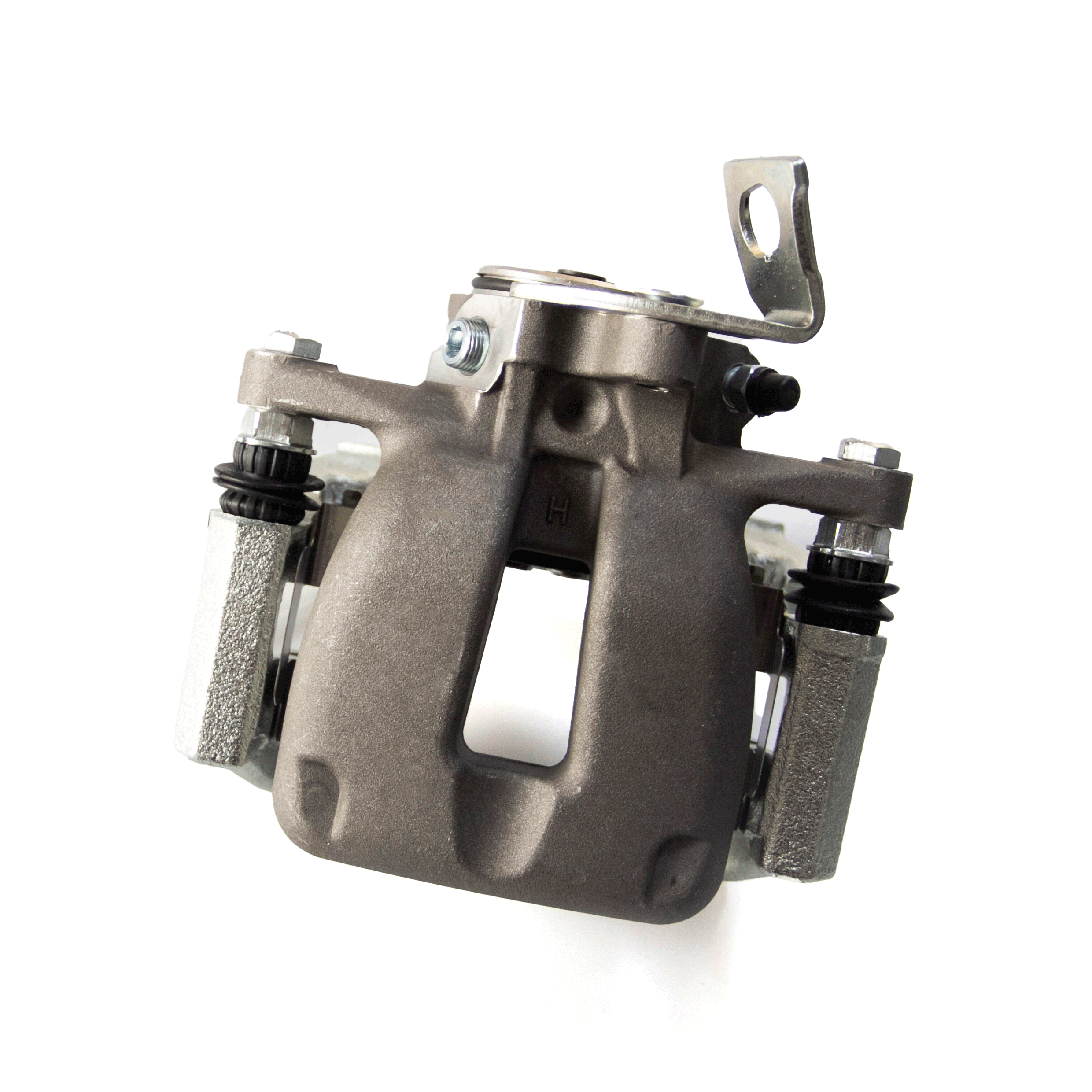
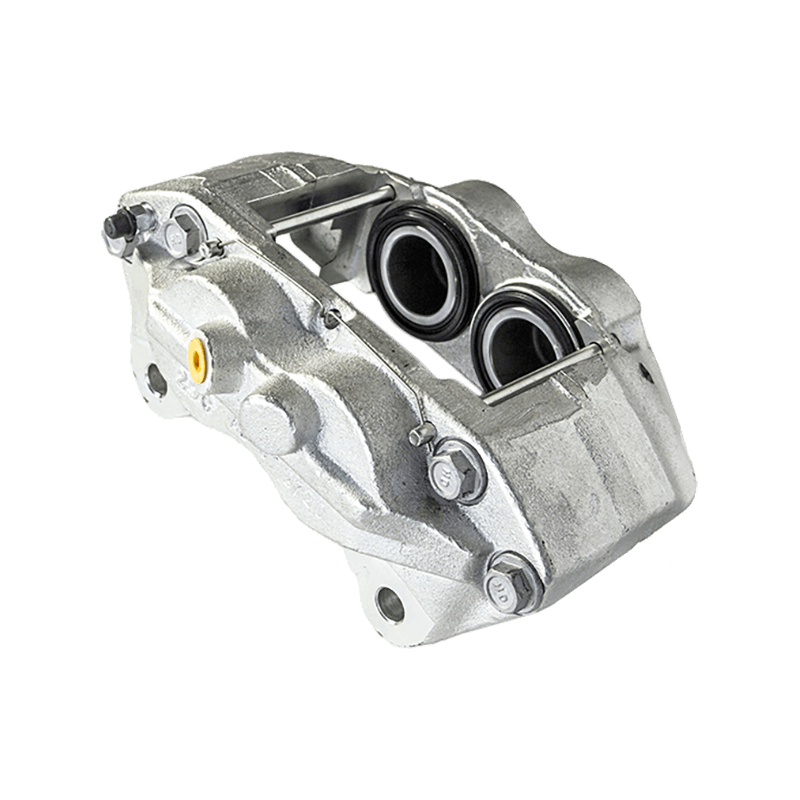
For buyers, the by-wire transition does not make conventional brake hardware obsolete. Even a full brake-by-wire vehicle still has discs, calipers, and pads at the corners; only the command path changes. An electric actuator modulates clamp force instead of hydraulic pressure, so caliper quality directly affects electronic control stability. A replacement caliper for a Tesla model, for example, must hold the same dimensional tolerances and actuation behavior as the original equipment part.
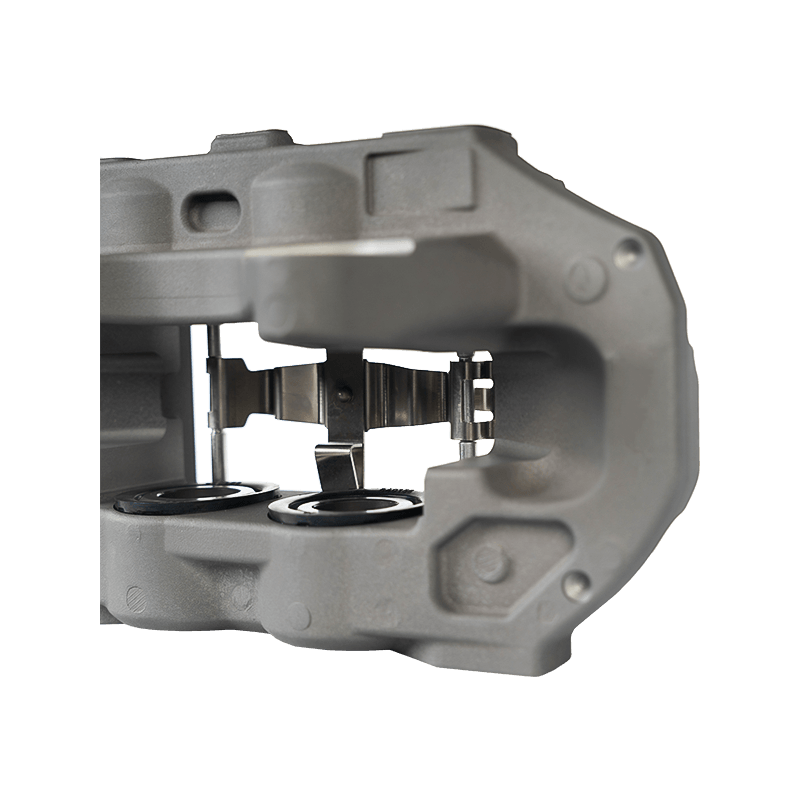 104462100 Brake Caliper for Tesla ModelsThis brake caliper is designed for Tesla vehicles, with dimensional tolerances and actuation behavior matching original equipment. It supports stable electronic control in brake-by-wire systems, making it a reliable replacement for maintaining consistent clamping force.View Product →
Hydraulic components are not going away
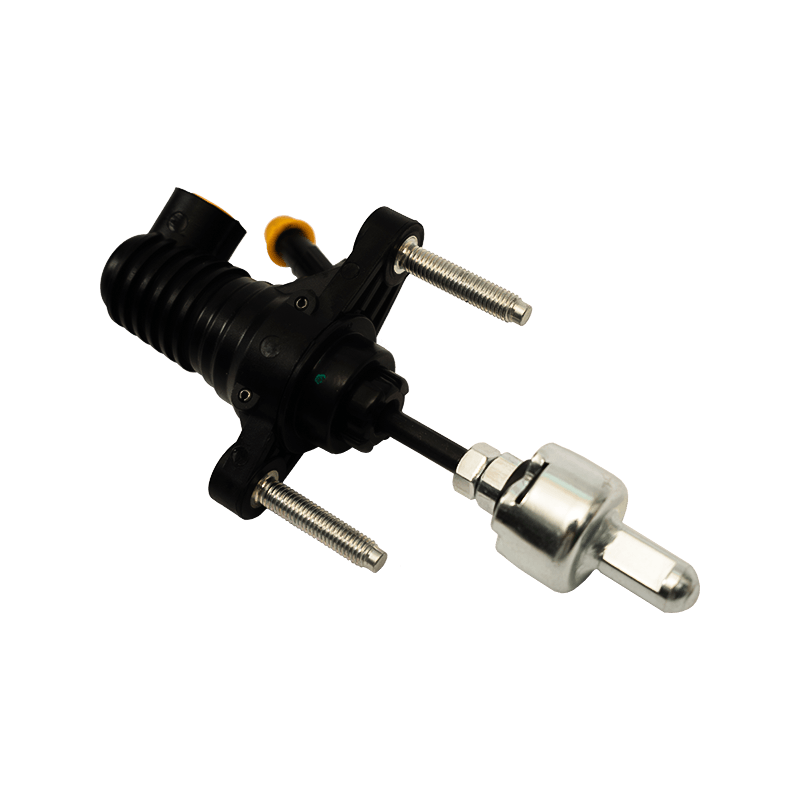
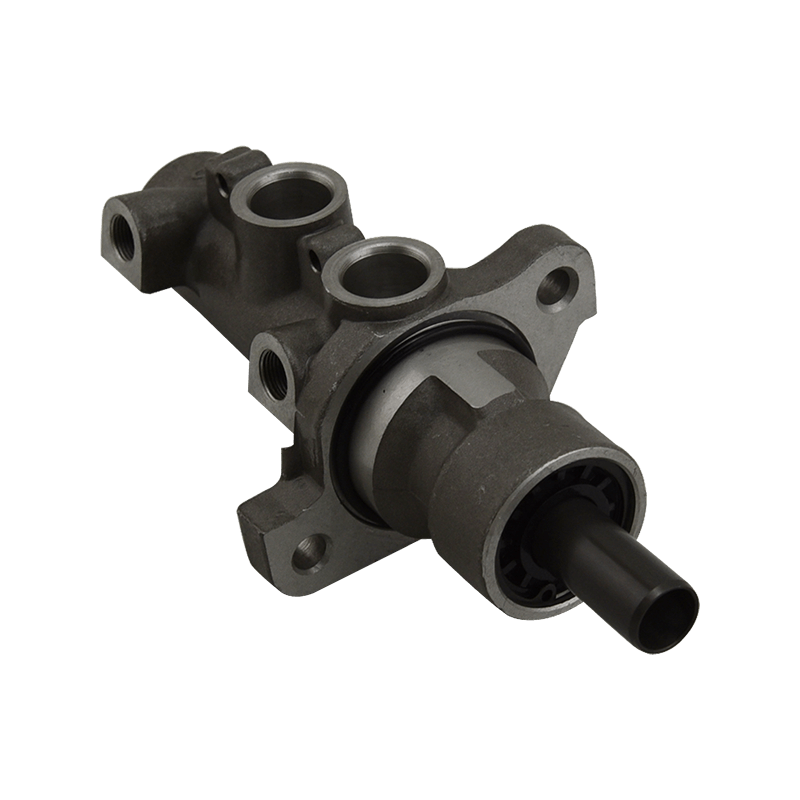
Electro-hydraulic systems still contain a pump, valves, and brake fluid, and the millions of conventional vehicles on the road continue to rely on a hydraulic master cylinder. A leaking or worn master cylinder shows up as a low pedal, longer stopping distance, and uneven braking. Popular applications such as Chevrolet and Cadillac remain routine replacement jobs, and the first step of a safe repair is sourcing a correctly specified unit.
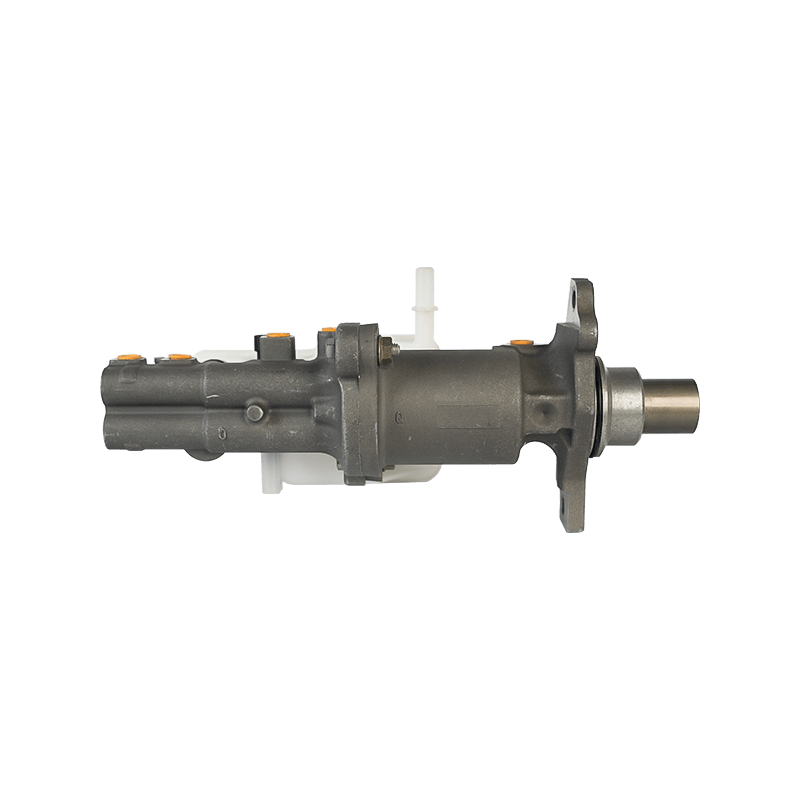 20759706 Brake Master Cylinder for Chevrolet and CadillacSuitable for 2009-2012 Chevrolet Silverado, 2008-2012 Cadillac Escalade, and GMC Sierra. A worn master cylinder causes low pedal and uneven braking, so this correctly specified unit helps restore safe hydraulic braking performance.View Product →
Friction material still decides the stopping result
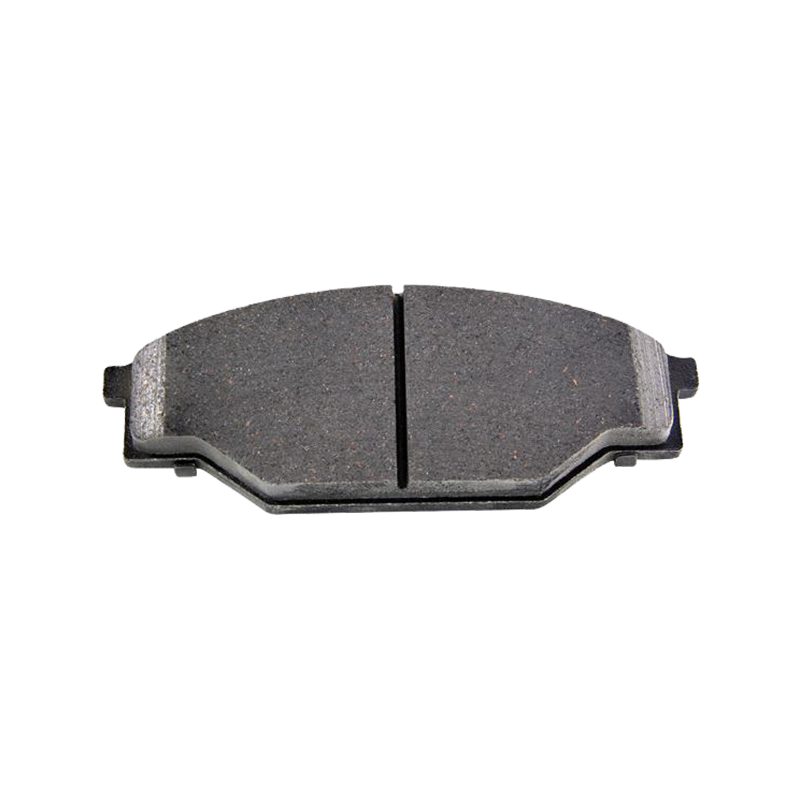
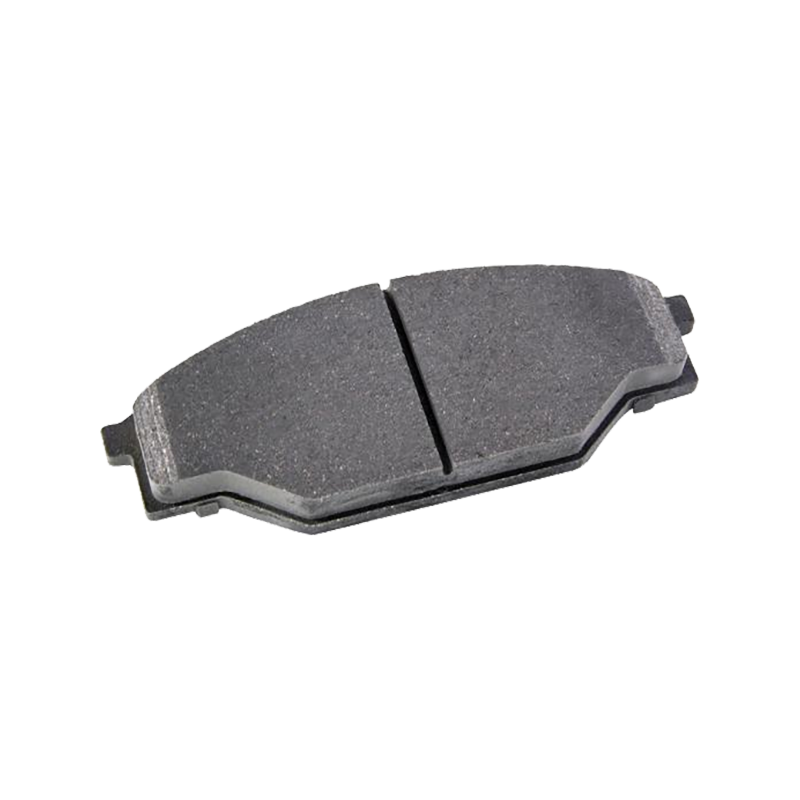
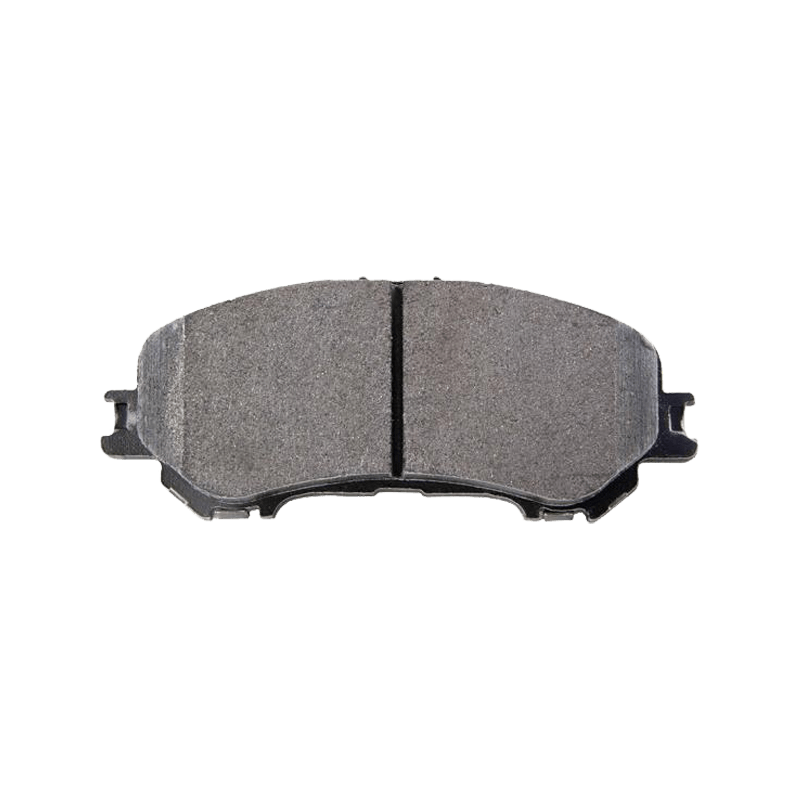
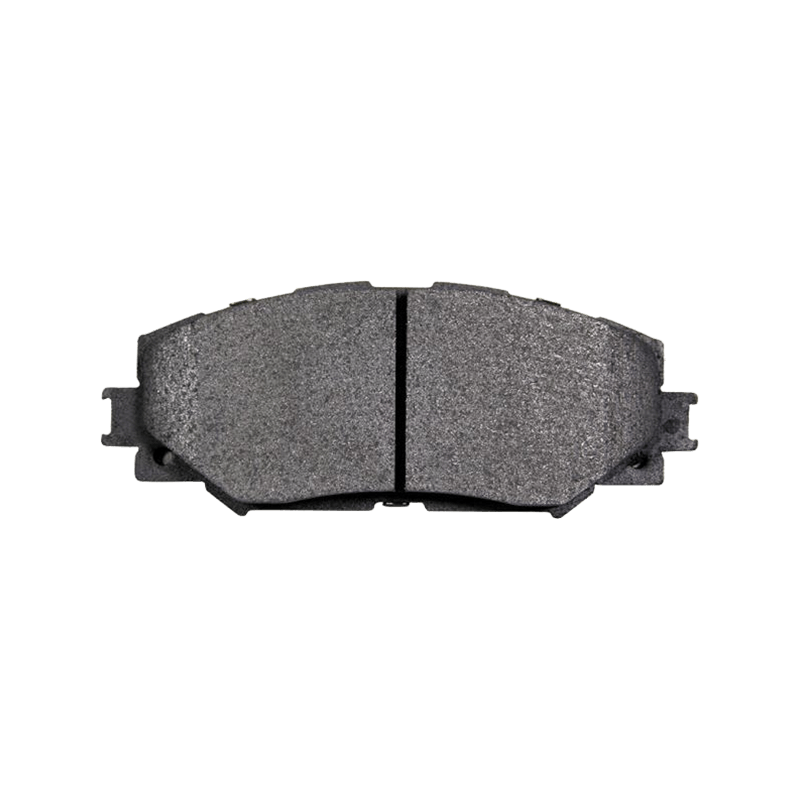
Whether a caliper is hydraulic or electric, it clamps pads against rotors. Pad formulation controls noise, dust, cold-morning performance, and fade resistance. By-wire actuators modulate pressure rapidly to blend with regenerative braking, so pads with stable friction across temperatures matter even more. Owners and workshops should bring the same care to choosing the right brake pads as they would on a conventional car.
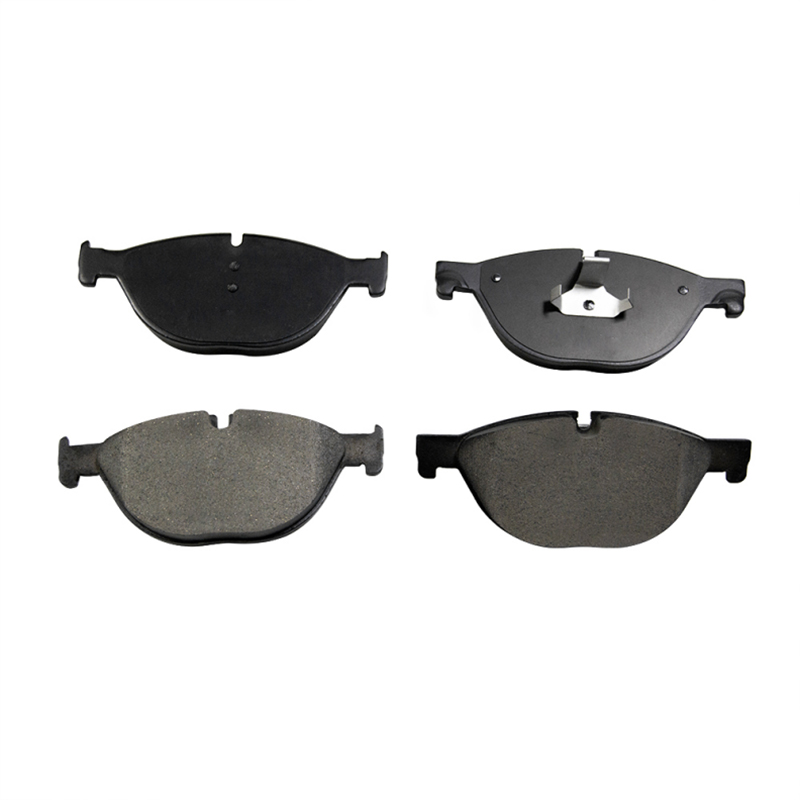 34116851269 34116775318 34116775322 Ceramic Brake PadsThese ceramic brake pads maintain stable friction across temperatures, which is critical for brake-by-wire systems that modulate pressure rapidly. They help control noise, dust, and fade resistance for consistent braking performance.View Product →
Brake-by-wire: frequently asked questions
Q1. What is a brake-by-wire system?
A brake-by-wire system controls braking electronically: a pedal position sensor sends a signal to a control unit, which commands electric or electro-hydraulic actuators at each wheel. No mechanical or hydraulic link connects the pedal to the brakes.
Q2. Is brake-by-wire safe?
Yes. Production systems use multiple sensors, voting logic, and missing-data compensation, so a single failure does not cause loss of braking. Regulatory bodies have approved by-wire systems for series production.
Q3. How does brake-by-wire differ from hydraulic brakes?
Hydraulic brakes transfer pedal force through fluid; brake-by-wire transfers it as an electrical signal. By-wire responds faster, removes the master cylinder from the input path, and allows software-tuned pedal feel.
Q4. Which cars use brake-by-wire?
Many modern hybrid and electric vehicles use electro-hydraulic brake-by-wire to blend regenerative and friction braking. Full electro-mechanical brake-by-wire is now moving from validation into new EV platforms.
Q5. Do brake-by-wire cars need special brake pads?
Not necessarily, but pad quality matters more because the actuator modulates clamp force rapidly. Stable friction across temperatures reduces noise and keeps stopping distances consistent.
Q6. How much does brake-by-wire repair cost?
Costs depend on the failed part. Sensors and actuators are more electronics-intensive than hydraulic parts, so diagnosis may cost more, while calipers and pads remain comparable in price to conventional parts.


CONTACT INFOR.
-
 +86-152 5110 1941
-
 Info@yanitiger.com
-
 +86-152 5110 1941
-
 Building 5, Yancheng Financial City, No. 5 Century Avenue, Yancheng City, Jiangsu Province, China
Copyright © Yancheng Yanitiger Auto Parts Co., Limited All Rights Reserved. Custom Automobile Brake Products Factory OEM Automobile Brake Products Manufacturers
