 Search
 Eng
Eng 
 English
 Español
 Português

 Home / Newsroom / Industry News / How a Brake Servo Works: Vacuum Power Booster Principle, Parts & Function
 How a Brake Servo Works: Vacuum Power Booster Principle, Parts & Function
 2026.09.30
 Industry News
Next time you park, try this: switch off the engine, then press the brake pedal several times. The first press may feel normal; by the third press, the pedal is noticeably harder. Start the engine, and the pedal softens again. The component responsible for this change is the brake servo.
A brake servo — also called a vacuum booster or brake booster — sits between the brake pedal and the brake master cylinder, and its job is to act as a force amplifier. In a typical passenger car, the servo multiplies the force entering the booster by roughly 2–4 times, so a 40 kg effort at the pedal is amplified into 100–150 kg of force at the master cylinder pushrod. Understanding how the servo works helps you diagnose hard-pedal faults, vacuum leaks, and boost failures before they become safety issues.
Content
- 1 What Is a Brake Servo and Why Does the Braking System Need One?
- 2 The Vacuum Principle: How a Brake Servo Works Step by Step
- 3 Anatomy of a Vacuum Brake Servo
- 4 Boost Ratio: How Much Force Does the Servo Add?
- 5 The Brake Servo and the Master Cylinder Work as a Team
- 6 Signs of a Failing Brake Servo
- 7 How to Test the Servo and Maintain the Vacuum Circuit
- 8 Frequently Asked Questions About Brake Servos
- 8.1 Q1. What is a brake servo?
- 8.2 Q2. How do I know if my brake servo is faulty?
- 8.3 Q3. Can I drive with a faulty brake servo?
- 8.4 Q4. What is the difference between a brake servo and a brake master cylinder?
- 8.5 Q5. Do diesel and electric cars need a brake servo?
- 8.6 Q6. Why is the brake pedal hard when the engine is off?
What Is a Brake Servo and Why Does the Braking System Need One?
The braking system is a chain of parts: pedal, servo, master cylinder, hydraulic lines, wheel cylinders or calipers, and brake pads. Each part has a clear role:
- The pedal converts leg muscle into mechanical input.
- The servo multiplies that input using engine vacuum.
- The master cylinder converts the multiplied mechanical force into hydraulic pressure.
- The calipers or wheel cylinders press the pads against the rotors or drums.
The servo exists because leg strength is not enough for emergency braking. At highway speed, an emergency stop demands deceleration forces far beyond what a foot can push through the hydraulic circuit. The servo bridges the gap between human strength and vehicle demand.
In gasoline engines, the vacuum comes from the intake manifold; in diesels, an auxiliary vacuum pump does the same work. Either way, the servo stores the vacuum in a sealed housing and controls how and when it is released. If you want to trace the force from the pedal all the way to the wheels, our article on the automobile braking system explains every stage of the chain.
The Vacuum Principle: How a Brake Servo Works Step by Step
Inside the servo housing, a flexible rubber diaphragm divides the internal space into two chambers: the vacuum chamber on the engine side and the working chamber on the pedal side. At rest, both chambers are connected to vacuum, and a return spring holds the diaphragm back. Everything changes the moment the pedal is pressed:
- The pedal pushrod moves a control valve inside the servo.
- The valve closes the vacuum passage to the working chamber.
- At the same time, the valve opens an atmospheric port, letting outside air enter the working chamber.
- One chamber is now at atmospheric pressure (about 101 kPa); the other side is still at vacuum (typically 20–40 kPa absolute on an idling engine).
- The pressure difference of roughly 60–80 kPa pushes the diaphragm toward the master cylinder.
- The diaphragm centre moves the output pushrod, which presses the master cylinder piston.
The force produced is pressure multiplied by diaphragm area. A servo with an effective diameter of about 230 mm and a 70 kPa vacuum difference generates roughly 2,900 N — close to lifting a 300 kg weight. This force is added to the driver's pedal input, not replacing it.
Why doesn't the servo deliver maximum boost all the time? Because the control valve is progressive: the deeper the pedal travels, the wider the atmospheric port opens. This proportional control is what gives the brake pedal a natural, sensitive feel instead of an on–off switch.
Anatomy of a Vacuum Brake Servo
Every vacuum servo, regardless of vehicle brand, contains the same set of functional parts:
- Housing — two pressed-steel shells, sealed to keep vacuum inside.
- Diaphragm — the flexible rubber membrane that separates the chambers.
- Vacuum chamber — the compartment connected to the engine vacuum source.
- Working chamber — the compartment opened to atmospheric air during braking.
- Control valve — mounted inside the pedal pushrod; meters air into the working chamber.
- Check valve — the one-way valve in the vacuum port; holds residual vacuum when the engine slows or stops.
- Reaction disc — transmits diaphragm force to the output pushrod and feeds a small force back to the pedal for feel.
- Return spring — pushes the diaphragm back when the pedal is released.
The check valve deserves special attention: it prevents vacuum from leaking back into the intake manifold during wide-open throttle, when manifold vacuum drops sharply. A weak check valve means the stored vacuum disappears after a few minutes, and the driver gets a hard pedal even with a healthy servo.
Boost Ratio: How Much Force Does the Servo Add?
The boost ratio is the mechanical multiplier between the force applied at the booster input and the force delivered to the master cylinder pushrod. It depends on the diaphragm area, the vacuum level, and the control valve characteristics. Different vehicle categories use different ratios:
| Vehicle category | Vacuum source | Typical boost ratio |
|---|---|---|
| Compact car | Intake manifold | 2.0 – 2.5 : 1 |
| Midsize sedan | Intake manifold | 2.5 – 3.0 : 1 |
| SUV / crossover | Intake manifold | 2.8 – 3.5 : 1 |
| Diesel pick-up / van | Vacuum pump | 3.5 – 4.0 : 1 |
| Light commercial | Vacuum pump | 4.0 – 4.5 : 1 |
A higher ratio helps heavier vehicles. An SUV with a 3.0:1 servo turns a 60 kg input into 180 kg at the master cylinder pushrod. Combined with the brake pedal's own leverage, that is enough to build 80–120 bar of hydraulic pressure in a typical passenger-car braking system. Very large SUVs and commercial vans often use tandem servos — two diaphragms joined in series — to reach high ratios without increasing the housing diameter.
The line chart shows the same logic in action: without a servo, the output force equals the input force, so the curve is a straight 1:1 line. With a 3:1 servo, a 50 kg input becomes 150 kg at the master cylinder. The practical consequences are shorter stopping distances, less leg fatigue in city traffic, and comfortable braking for drivers of any strength.
The Brake Servo and the Master Cylinder Work as a Team
The servo itself does not build hydraulic pressure. Its output pushrod presses on the brake master cylinder piston, and the master cylinder converts that mechanical thrust into hydraulic pressure for the brake lines. Because the two components are bolted together, faults are often confused.
Here is how an experienced technician separates them:
- Hard pedal with normal engine vacuum → inspect the servo valve, diaphragm, and check valve first.
- Hard pedal with little or no pedal travel → suspect the master cylinder bore, not the servo.
- Pedal sinks slowly under constant pressure → the master cylinder internal seals are leaking.
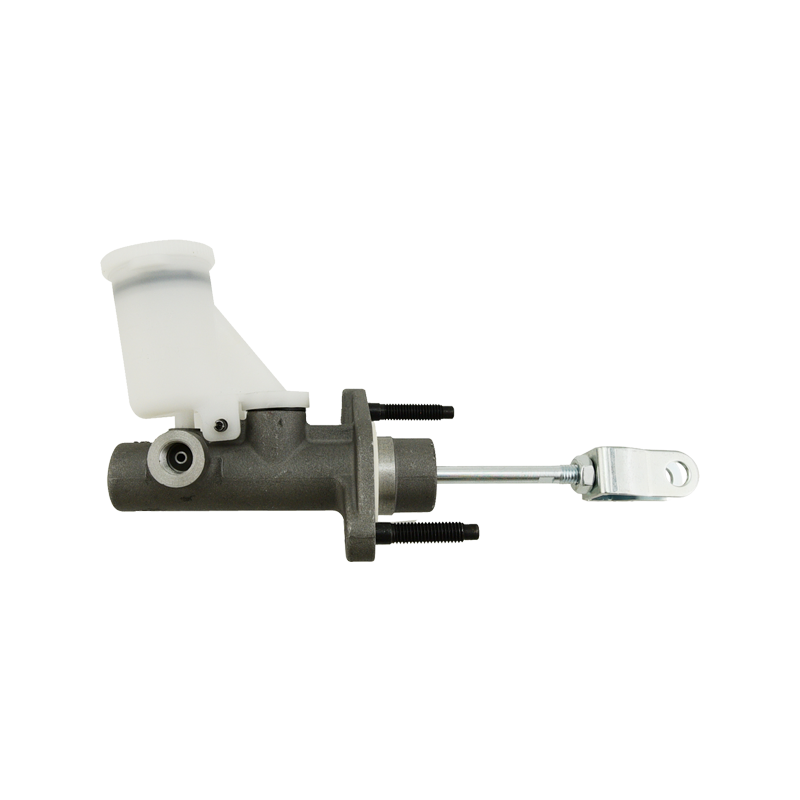
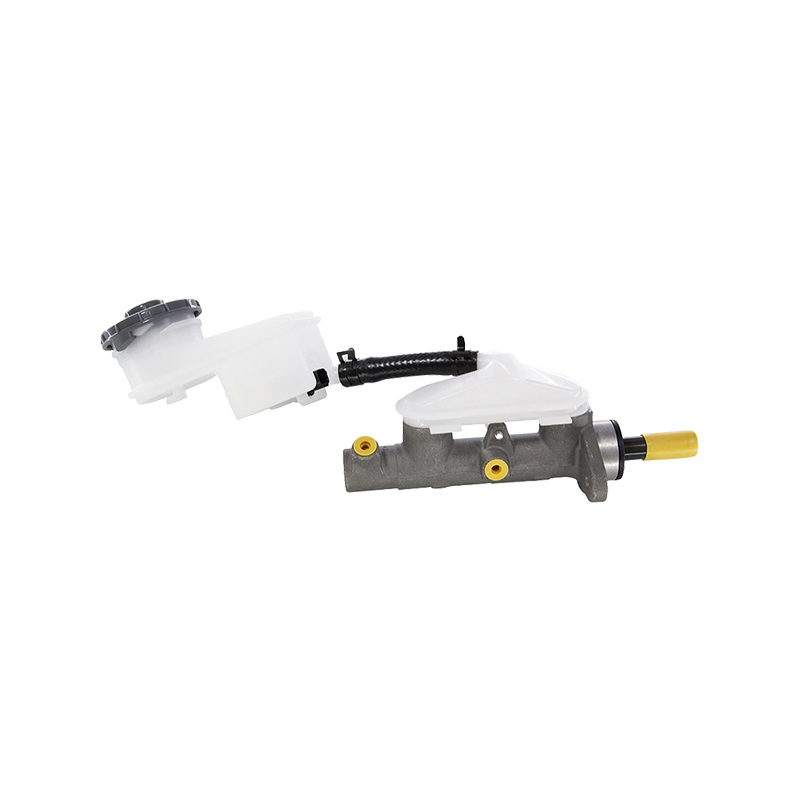
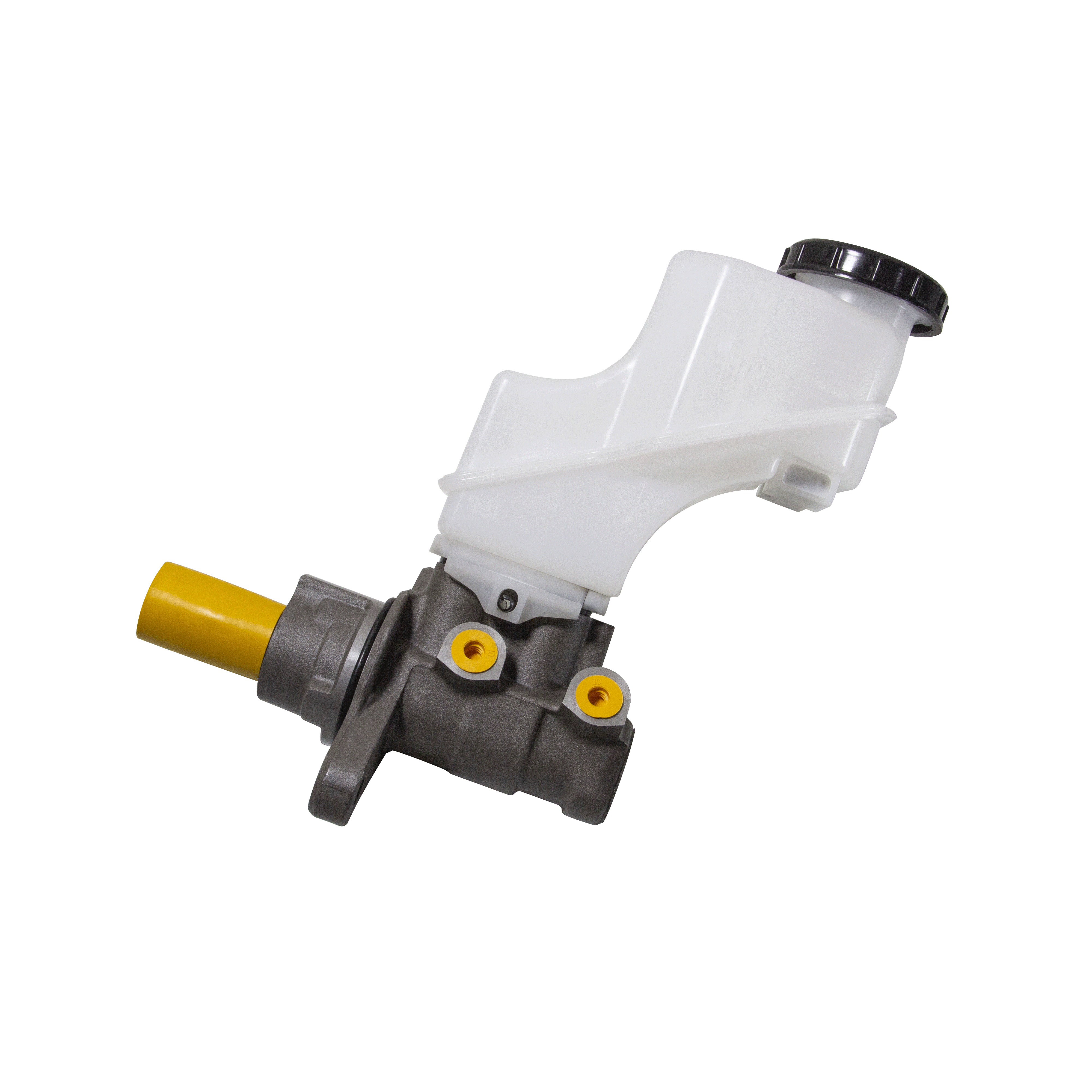
On GM platforms, for example, the servo and master cylinder must match in bore size and pushrod length. YaniTiger supplies OE-style brake master cylinders for Chevrolet and Cadillac models, with the same bore dimensions and port orientation as the original part.
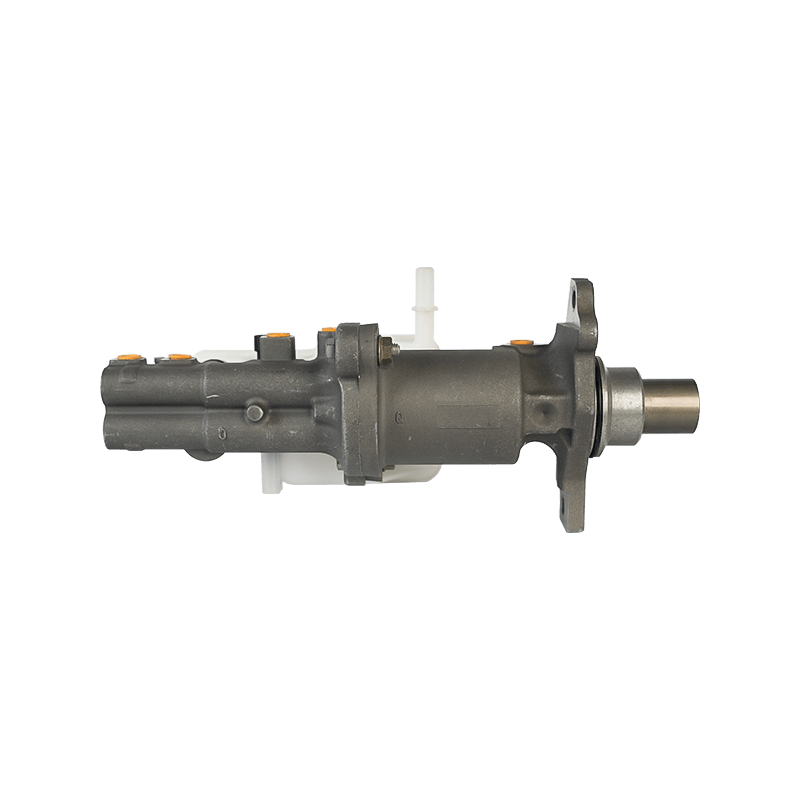 20759706 Brake Master Cylinder for Chevrolet and CadillacThis OE-style master cylinder matches original bore size and port orientation for 2009-2012 GM trucks and SUVs, helping maintain proper hydraulic pressure and protect downstream components like calipers and pads.View Product →
The mechanical chain continues past the master cylinder: hydraulic pressure reaches the calipers, and the calipers push the brake pads against the rotors. Worn pads increase the pressure needed for the same deceleration, which makes both the servo and the master cylinder work harder. Replacing the friction material in good time protects the hydraulic components.
Signs of a Failing Brake Servo
Catching servo problems early avoids a sudden loss of braking assist. Watch for these five warnings:
- Hard pedal with the engine running — the most direct sign. Vacuum is lost through a cracked hose, a stuck check valve, or a torn diaphragm.
- Hissing sound when pressing the pedal — air entering through a damaged diaphragm edge or a worn valve seal; the noise comes from the pedal area or the servo seam.
- Idle speed drops or stalls while braking — extra air drawn through a leaking servo upsets the engine air–fuel mixture.
- Assist disappears quickly after shutdown — a healthy check valve keeps one or two assisted presses; if the pedal goes hard immediately, the check valve leaks.
- Wooden, unresponsive pedal feel — internal valve wear reduces progressive boost and makes the pedal stiff at the top of the stroke.
Because these symptoms can also come from the master cylinder, brake lines, or wheel cylinders, test the complete system before replacing anything. A misdiagnosis is expensive.
How to Test the Servo and Maintain the Vacuum Circuit
A 30-second test verifies both the servo and the check valve:
- With the engine off, pump the brake pedal four or five times. The pedal should become hard.
- Hold the pedal down in the hard position and start the engine.
- The pedal should drop slightly — this is the servo being activated by engine vacuum. It is the clearest proof that the servo is working.
- Release the pedal, switch off the engine, wait about one minute, and press the pedal again. If the pedal is still assisted, the check valve and vacuum hose are holding vacuum well.
Maintenance is limited but important: inspect the vacuum hose for cracks or oil contamination; check that the check valve passes air in only one direction; and never paint over the stamped seams of the housing, because the seam is the sealing line. A torn diaphragm cannot be repaired — the servo must be exchanged.
Braking output depends on the entire friction chain. If the disc pads are worn to the backing plates, no servo can compensate for the lost friction. YaniTiger's brake pad range includes ceramic and semi-metallic formulations to match different driving environments, and a fresh set of quality pads is the most cost-effective safety upgrade.
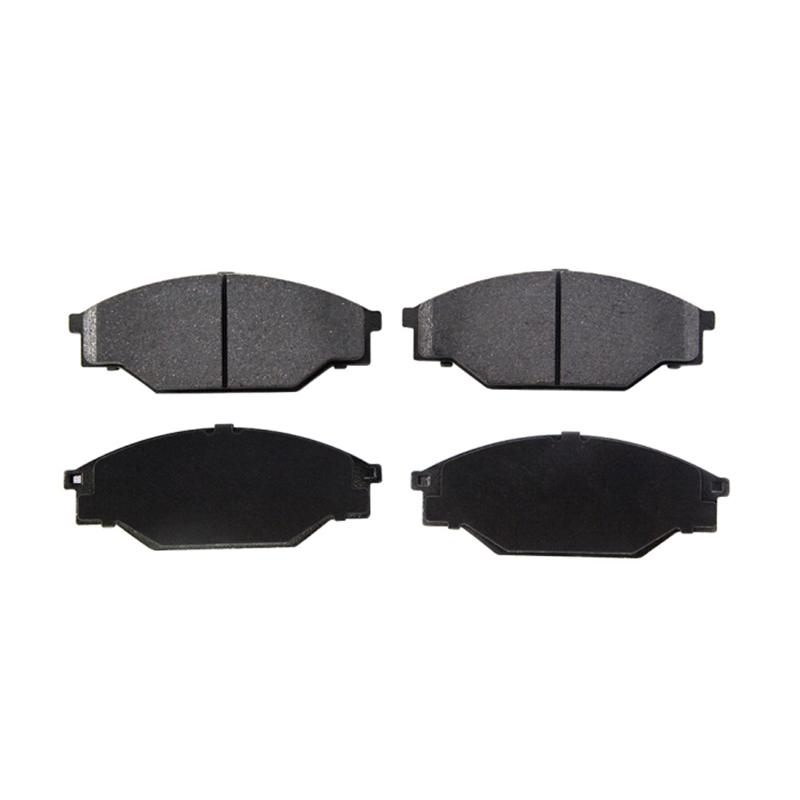 D303-7205 04465-20150 04465-25060 Ceramic Brake PadsCeramic formulation reduces dust and noise while providing consistent stopping power. Replacing worn pads with these quality friction materials is a cost-effective way to preserve the entire hydraulic brake system.View Product →
If the whole hydraulic side also needs attention, YaniTiger's brake parts catalog covers master cylinders, wheel cylinders, calipers, and brake pads in one place.
Frequently Asked Questions About Brake Servos
Q1. What is a brake servo?
A brake servo (vacuum booster) is a vacuum-powered device that multiplies the force applied to the brake pedal. It sits between the pedal and the master cylinder and reduces the physical effort needed to stop the car.
Q2. How do I know if my brake servo is faulty?
The clearest signs are a hard pedal while the engine runs, hissing noises when braking, an unstable idle while braking, and a pedal that loses assistance immediately after the engine is switched off.
Q3. Can I drive with a faulty brake servo?
The brakes still work, because the pedal is mechanically connected to the master cylinder. However, pedal effort rises sharply and stopping distance can grow, so driving is not recommended until the fault is fixed.
Q4. What is the difference between a brake servo and a brake master cylinder?
The servo multiplies the force; the master cylinder converts that force into hydraulic pressure. They work in series, and their failure symptoms are often confused with each other.
Q5. Do diesel and electric cars need a brake servo?
Yes. Most diesels use a mechanical vacuum pump instead of intake manifold vacuum. Many electric and hybrid models use an electric brake booster or brake-by-wire, but the force-multiplication principle remains the same.
Q6. Why is the brake pedal hard when the engine is off?
Because there is no vacuum assist. The stored vacuum in the servo is used up quickly after shutdown, and the pedal becomes firm. This is normal behaviour and is the basis of the servo function test described above.

CONTACT INFOR.
-
 +86-152 5110 1941
-
 Info@yanitiger.com
-
 +86-152 5110 1941
-
 Building 5, Yancheng Financial City, No. 5 Century Avenue, Yancheng City, Jiangsu Province, China
Copyright © Yancheng Yanitiger Auto Parts Co., Limited All Rights Reserved. Custom Automobile Brake Products Factory OEM Automobile Brake Products Manufacturers
