 Search
 Eng
Eng 
 English
 Español
 Português


What is an Automobile Brake System and How Does It Work?
 2026.01.22
 Industry News
When you're driving, you probably don’t think much about your brake system—until you need it. The brake system in your car is one of the most important safety features, ensuring that you can stop the vehicle in a controlled and efficient manner. But what exactly is an automobile brake system, how does it work, and why is it so crucial to your safety? Let’s explore these questions and take a closer look at how brake systems function in everyday vehicles.
Content
What is an Automobile Brake System?
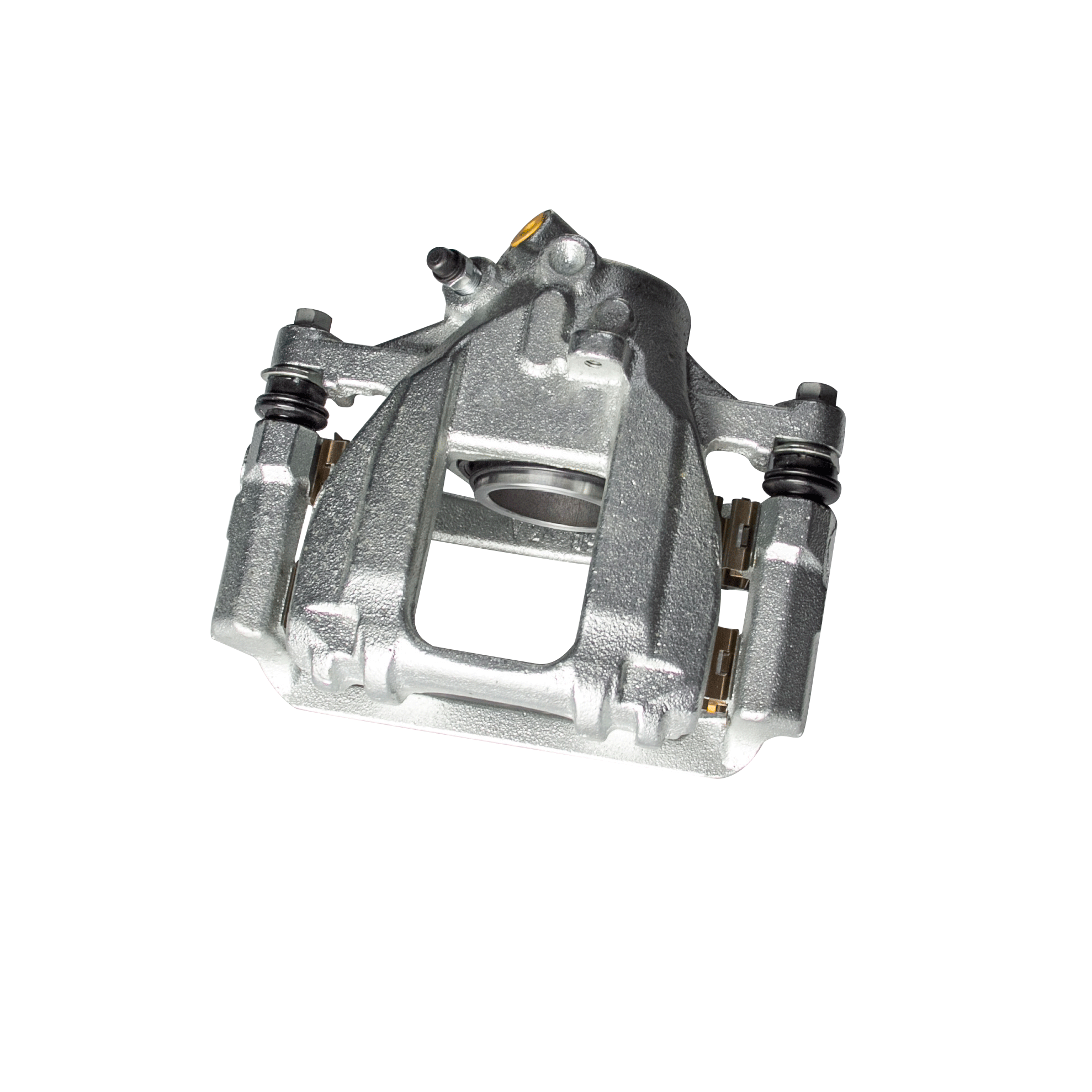
An automobile brake system is a mechanism that allows a vehicle to reduce its speed or come to a complete stop. It works by converting the kinetic energy (the energy of motion) of the vehicle into heat, which is dissipated through friction. This heat conversion happens when you press the brake pedal, which activates components that apply friction to the wheels, slowing the car down.
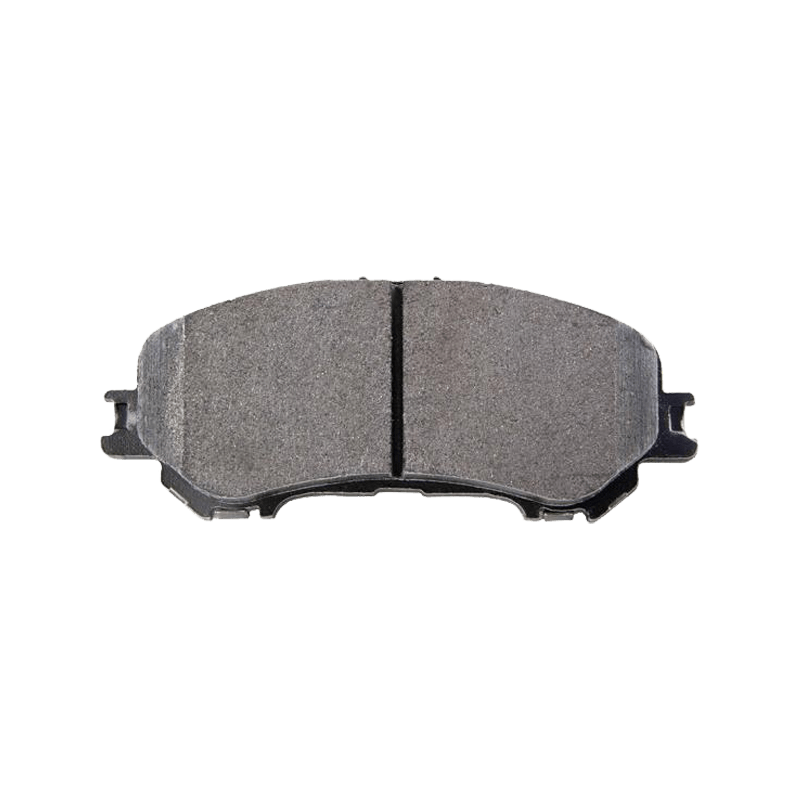
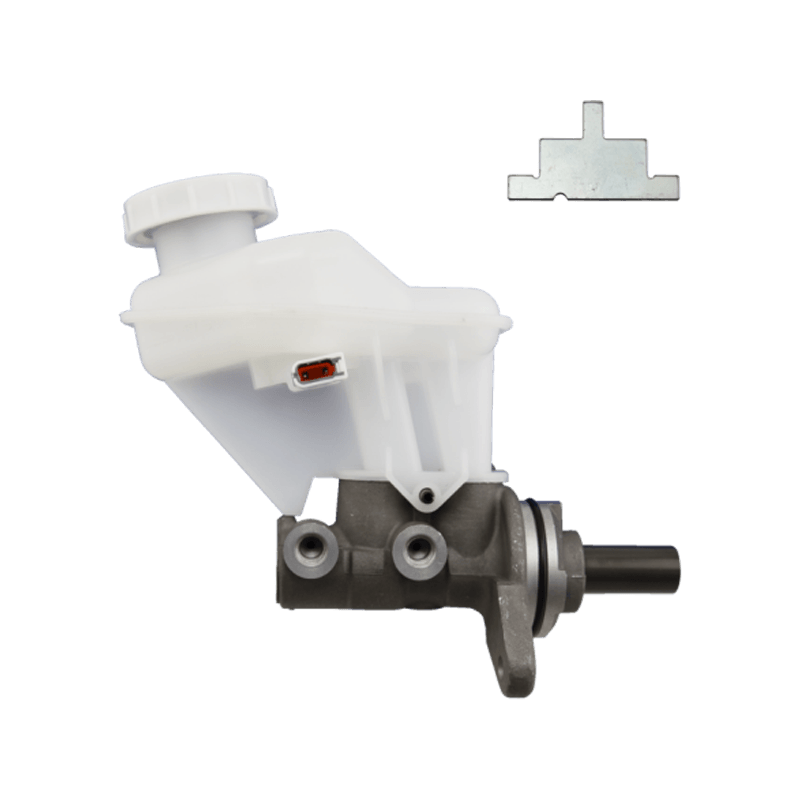
There are two main types of brake systems used in most vehicles today: drum brakes and disc brakes. Disc brakes are more common in modern vehicles, especially on the front wheels, while drum brakes are often used in older vehicles or on the rear wheels of certain cars. Most vehicles also have a hydraulic brake system, which uses brake fluid to transmit force from the brake pedal to the brake components at the wheels.
What Are the Key Advantages of an Automobile Brake System?
Automobile brake systems are designed with your safety and convenience in mind. Here are the main advantages:
1. Safety and Control
The primary function of the brake system is to ensure that a vehicle can stop quickly and safely. This is crucial in emergency situations, such as avoiding an obstacle on the road or reacting to a sudden stop by the car in front of you. A well-functioning brake system allows for smooth, controlled deceleration, which helps prevent accidents and ensures that you remain in control of your vehicle.
2. Efficiency in Stopping Power
Modern brake systems, especially disc brakes, are designed for efficient stopping power. They provide strong, consistent braking performance even under high-speed conditions. Disc brakes have the advantage of dissipating heat more effectively than drum brakes, preventing brake fade (reduced braking power due to overheating). This makes disc brakes especially important for vehicles that drive at high speeds or need to stop frequently, like performance cars and trucks.
3. Enhanced Durability
Automobile brake systems are built to last, and regular maintenance can keep them performing at optimal levels for years. Brake pads, rotors, and fluid are all designed to withstand heavy use. When properly maintained, these components can last a significant amount of time before needing replacement. Regular upkeep ensures the longevity of the system and prevents costly repairs down the line.
4. Easy to Use
The brake system is one of the easiest components to operate in a car. By simply pressing the brake pedal, the driver can activate the braking process. The system is designed to be intuitive, with little need for complex interaction. Additionally, advancements in brake technology, such as anti-lock braking systems (ABS), have made braking even easier and safer for drivers of all skill levels.
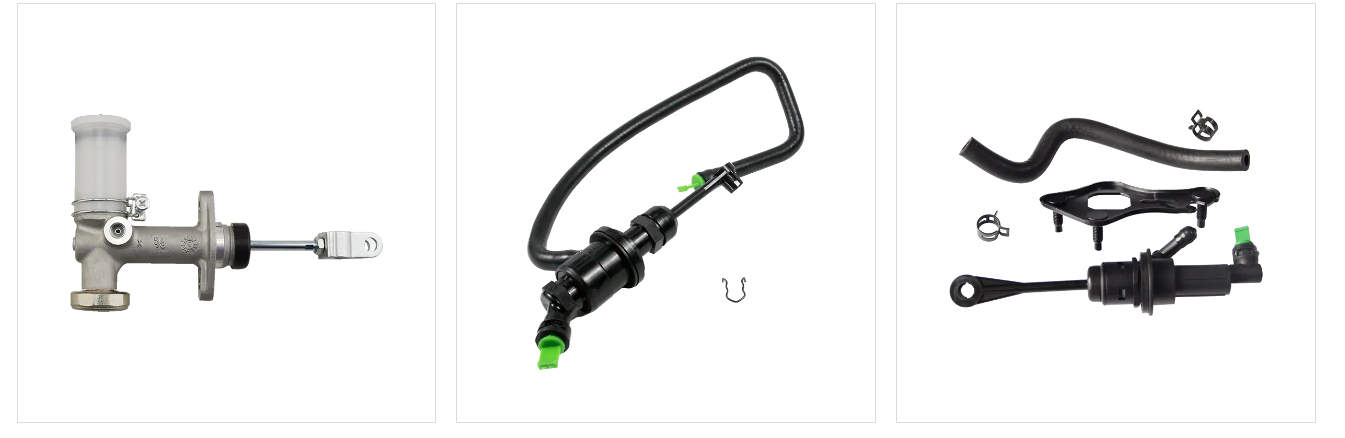
What Should You Keep in Mind When Using an Automobile Brake System?
While brake systems are generally reliable and easy to use, there are important things to keep in mind to ensure they work effectively and safely. Here’s what you should consider:
1. Regular Maintenance is Key
Like any other component in your vehicle, the brake system needs regular maintenance. Brake pads wear out over time and must be replaced periodically to maintain optimal performance. Brake fluid levels should be checked regularly, as low or old fluid can impair the system’s ability to function properly. Additionally, brake components like rotors and drums should be inspected for signs of wear or damage. Neglecting brake system maintenance can lead to reduced braking performance and increase the risk of accidents.
2. Be Aware of Signs of Brake Problems
If your car is experiencing issues with the brake system, it’s important to address them immediately. Common signs that your brake system needs attention include squeaking or grinding noises when braking, a soft or unresponsive brake pedal, or a vehicle pulling to one side when braking. These issues could indicate worn-out brake pads, low brake fluid, or problems with the braking hardware. If you notice any of these symptoms, it’s best to get your brakes inspected by a professional as soon as possible to avoid further damage or safety concerns.
3. Drive Responsibly to Extend Brake Life
How you drive can also affect the life of your brake system. Avoiding sudden stops, harsh braking, or riding the brakes unnecessarily can help extend the lifespan of your brake pads and other components. By driving smoothly and allowing more time to stop, you reduce the wear and tear on your braking system. Also, if you're towing a heavy load or driving in hilly terrain, you may need to use the brakes more frequently, so be mindful of brake temperature to prevent overheating.
4. Don’t Ignore Brake Fluid Maintenance
Brake fluid is essential for the hydraulic braking system to work properly. It transfers force from the brake pedal to the brake components at the wheels. Over time, brake fluid can absorb moisture, which can lead to corrosion in the brake system and reduce its effectiveness. Regularly flushing the brake fluid is essential for maintaining a healthy braking system. Most vehicle manufacturers recommend replacing brake fluid every 2-3 years, depending on the type of fluid and driving conditions.
Conclusion: Why is Your Automobile Brake System So Important?
The brake system is a critical safety feature in any vehicle. It provides the stopping power you need to control your car and avoid accidents. Whether you’re driving in city traffic or on the highway, your brake system is always at work, ensuring you can stop quickly and safely when needed. Regular maintenance, paying attention to warning signs, and adopting responsible driving habits can help ensure that your brake system functions at its best for years to come.
By understanding how your brake system works and why it's essential for your safety, you can take proactive steps to maintain it and avoid costly repairs. Remember, a well-maintained brake system is key to a safe driving experience!

CONTACT INFOR.
-
 +86-152 5110 1941
-
 Info@yanitiger.com
-
 +86-152 5110 1941
-
 Building 5, Yancheng Financial City, No. 5 Century Avenue, Yancheng City, Jiangsu Province, China
Copyright © Yancheng Yanitiger Auto Parts Co., Limited All Rights Reserved. Custom Automobile Brake Products Factory OEM Automobile Brake Products Manufacturers
