 Search
 Eng
Eng 
 English
 Español
 Português

 Home / Newsroom / Industry News / Types of Brake Pads: Ceramic, Semi-Metallic, and Organic Explained
 Types of Brake Pads: Ceramic, Semi-Metallic, and Organic Explained
 2026.07.30
 Industry News
Content
- 1 Quick Answer: Choosing Between Ceramic, Semi-Metallic, and Organic Brake Pads
- 2 How Brake Pads Work Inside the Braking System
- 3 Organic Brake Pads Explained
- 4 Semi-Metallic Brake Pads Explained
- 5 Ceramic Brake Pads Explained
- 6 Side-by-Side Comparison of Brake Pad Materials
- 7 Relative Dust Generation by Pad Material
- 8 Pad Thickness Remaining Across Mileage Intervals
- 9 Average Friction Coefficient by Material
- 10 Multi-Attribute Performance Comparison
- 11 How to Match Brake Pad Material to Vehicle and Driving Style
- 12 Climate and Environmental Factors That Influence Pad Material Choice
- 13 Manufacturing Standards Behind OE Quality Brake Pads
- 14 Sourcing Brake Pads for Wholesale and Private Label Programs
- 15 Maintenance Tips and Signs of Worn Brake Pads
- 16 Frequently Asked Questions
- 16.1 What are brake pads
- 16.2 How do brake pads work
- 16.3 How long do brake pads last
- 16.4 What are brake pads made of
- 16.5 How often should brake pads be replaced
- 16.6 Can worn brake pads damage rotors
- 16.7 Why do brake pads squeak
- 16.8 What causes uneven brake pad wear
- 16.9 What brake pad material lasts the longest
Quick Answer: Choosing Between Ceramic, Semi-Metallic, and Organic Brake Pads
Ceramic brake pads generally provide the quietest operation, the lowest visible dust, and the longest service interval among the three friction material families, which is why they are a common choice for daily passenger cars and light SUVs. Semi-metallic brake pads bring stronger heat resistance and a firmer pedal feel, so they are frequently specified for heavier vehicles, trailer towing, and spirited driving where sustained heat builds up quickly. Organic brake pads use a softer friction compound that stays quiet at low speed and is gentle on rotor surfaces, though the compound tends to wear faster once heat accumulates over repeated stops.
Whichever material family suits a given vehicle and driving pattern, the detail that keeps braking behavior predictable after a pad swap is matching the replacement to OE quality brake pads specifications, meaning the same friction rating, thickness, chamfer pattern, and mounting hardware as the pad the vehicle left the factory with. Departing from that baseline, even with a pad that sounds appealing on paper, is one of the more common causes of pedal feel complaints after a routine brake service.
How Brake Pads Work Inside the Braking System
The Role of the Friction Material
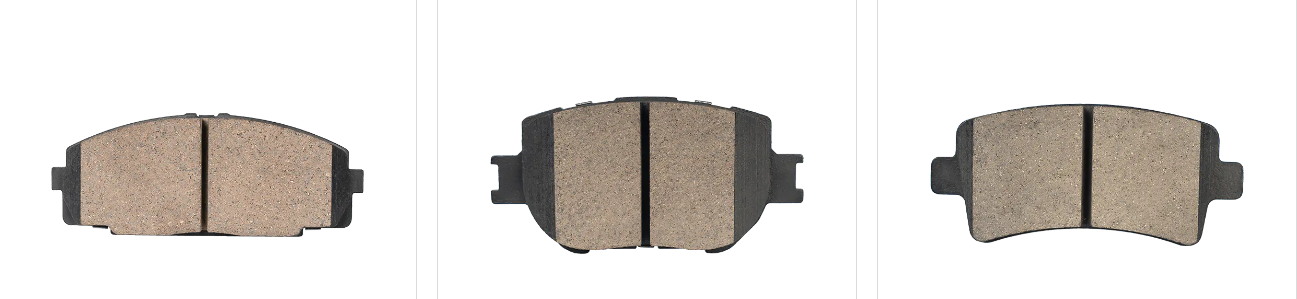
When a driver presses the brake pedal, hydraulic pressure pushes a caliper piston that clamps the pad against the spinning rotor. The friction layer bonded or riveted to the steel backing plate is what converts the vehicle's kinetic energy into heat through contact with the rotor face. That single layer of material, often only a few millimeters thick, is responsible for nearly all of the stopping performance a driver feels through the pedal.
Why the Compound Recipe Changes the Driving Experience
The friction compound is a blended recipe of fibers, fillers, resins, and in many cases small amounts of metallic content. Adjusting the ratio of these ingredients changes the coefficient of friction, how the material conducts heat away from the contact surface, how hard or soft the compound feels against the rotor, and how much particulate the pad sheds as it wears. These differences accumulate into how a car feels stopping in stop and go traffic compared with a hard stop from highway speed, and they are the reason three pads that look nearly identical on a shelf can behave quite differently on the road.
Backing Plates, Shims, and Wear Indicators
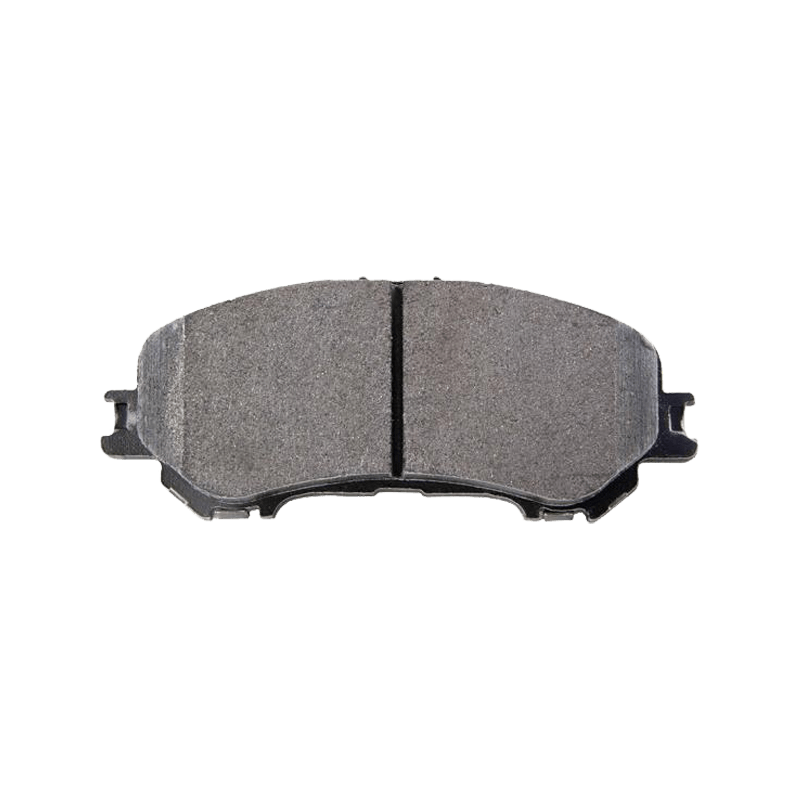
A complete brake pad assembly is more than the friction layer. The steel backing plate provides structural rigidity, an anti-noise shim or coating helps dampen vibration that would otherwise transmit as squeal, and a wear indicator, either a mechanical tab or an electronic sensor depending on the platform, alerts the driver before the friction material is fully depleted. Reputable OE quality brake pads reproduce all of these supporting elements, not just the friction compound, which is part of why matching specifications matters more than matching material family alone.
Why Front and Rear Pads Are Rarely Identical
Front brakes typically handle a larger share of stopping force because weight transfers forward under braking, which is why front pads are often thicker and paired with larger rotors than the pads mounted at the rear. Some platforms mix friction families across an axle set, pairing a semi-metallic front pad with a ceramic rear pad, or the reverse, to balance heat management with noise control across the vehicle. Checking the specific front and rear application separately, rather than assuming both axles share one friction formulation, helps avoid mismatched pedal feel side to side.
Organic Brake Pads Explained
What Organic Pads Are Made Of
- Glass and synthetic fibers that provide structure without metallic content
- Rubber compounds that help absorb vibration and reduce noise
- Resins that bind the fiber matrix together under heat and pressure
- Small amounts of carbon or filler material to fine tune friction behavior
Because these formulations contain no asbestos, the industry commonly refers to them as NAO pads, short for non-asbestos organic. This is the standard baseline formulation used across most modern passenger vehicle applications today.
Where Organic Pads Perform Well
Organic pads tend to be quiet at low speed, produce a soft and progressive initial bite, and are gentle on the rotor surface, which can help preserve rotor life during normal commuting. Drivers who spend most of their time in city and suburban conditions, where braking events are frequent but rarely extreme, often notice this pad family feels smooth and unobtrusive.
Trade-offs Worth Understanding
The softer compound that makes organic pads quiet is also the reason they compress and wear faster once sustained heat builds up, such as during a long mountain descent or repeated hard stops. Fade, a temporary loss of friction performance under high heat, tends to appear sooner in organic formulations than in semi-metallic or ceramic pads, and the friction material typically needs replacement sooner under otherwise similar driving conditions.
Ceramic Brake Pads Explained
What Ceramic Pads Are Made Of
Ceramic friction material is built around dense ceramic fibers combined with filler compounds and bonding agents, along with small amounts of fine metallic strands, often copper based, to help conduct heat away from the friction surface. The result is a compound that behaves quite differently from either organic or semi-metallic formulations despite sharing some of the same base ingredients.
Where Ceramic Pads Perform Well
Ceramic pads tend to hold a more stable friction coefficient across a wide temperature range, run quieter than semi-metallic formulations, and shed a lighter colored dust that is generally less visible on wheel faces. In normal passenger driving, ceramic material commonly delivers a longer service life than organic compounds while remaining gentle on rotor surfaces, which is why this material family is widely specified for daily driving applications.
Trade-offs Worth Understanding
Ceramic compounds can take slightly longer to reach full friction performance from a cold start compared with semi-metallic pads, a characteristic often described as cold bite. For extreme heavy-duty towing or continuous high-heat applications, semi-metallic formulations have traditionally been the more common recommendation, though many modern ceramic formulations have narrowed that gap considerably.
Side-by-Side Comparison of Brake Pad Materials
| Attribute | Organic | Semi-Metallic | Ceramic |
|---|---|---|---|
| Primary composition | Fibers, resins, rubber compounds | 30 to 65 percent metallic content with graphite | Ceramic fibers with fine metallic strands |
| Typical noise level | Low | Medium to high | Low |
| Visible dust level | Low to medium | High | Low |
| Rotor wear impact | Gentle | More abrasive | Gentle |
| Cold weather bite | Good | Very good | Good to very good |
| High heat stability | Lower | High | Medium to high |
| Typical wear rate | Faster | Moderate | Slower |
| Common applications | Compact cars, light commuting | Trucks, SUVs, towing, performance use | Passenger cars, crossovers, daily driving |
Relative Dust Generation by Pad Material
Brake dust is one of the most visible differences drivers notice after a pad replacement, since it collects on wheel faces and hints at how much friction material is shedding during normal stops. The chart below places the three material families on a relative dust generation index, where a lower value reflects less residue building up on the wheel over the same driving distance.
Values represent typical relative behavior across common formulations and can vary by specific manufacturer and vehicle application.
Pad Thickness Remaining Across Mileage Intervals
Pad thickness naturally decreases with mileage, but the rate of that decrease depends heavily on the friction compound. The line chart below tracks approximate remaining pad thickness across a 50000 mile interval for a mid-size passenger vehicle under mixed city and highway driving.
Actual wear rates vary with driving style, vehicle weight, terrain, and climate, so figures above illustrate a general pattern rather than a fixed outcome.
Average Friction Coefficient by Material
Friction coefficient describes how effectively a pad converts pedal pressure into stopping force. The bar chart below compares the approximate average friction coefficient for each material family under normal operating temperature, on a scale from 0 to 0.5.
Friction coefficient shifts somewhat at temperature extremes, which the multi-attribute comparison below explores in more detail.
Multi-Attribute Performance Comparison
Because no single number fully captures how a brake pad behaves, the radar chart below layers six performance attributes for organic, semi-metallic, and ceramic pads on the same scale, making it easier to see where each material naturally leads and where it trades off against the others.
Each axis is scored on a relative zero to ten scale reflecting typical material behavior rather than a specific tested vehicle.
How to Match Brake Pad Material to Vehicle and Driving Style
Beyond the vehicle itself, the type of driving a car does most often is usually the strongest signal for which friction family makes sense. Reviewing the scenarios below alongside the comparison table earlier in this guide narrows the choice quickly for most daily situations.
- City and suburban commuting. Frequent, moderate braking with limited sustained heat, where organic or ceramic pads generally feel smooth and quiet.
- Highway and long distance travel. Fewer braking events but occasional hard stops, a scenario where ceramic pads often balance quiet operation with dependable stopping power.
- Towing and heavy cargo hauling. Sustained heat buildup that favors semi-metallic formulations for their heat resistance and consistent friction under load.
- Mountain and hill driving. Extended downhill braking that benefits from a material with strong fade resistance, typically semi-metallic or a heavy-duty ceramic formulation.
- Performance and spirited driving. Repeated hard braking from higher speed, where semi-metallic or performance-oriented ceramic compounds tend to hold friction more consistently.
- Fleet and rideshare use. High mileage accumulated quickly, where longevity and predictable wear patterns often make ceramic formulations a practical everyday choice.
Regardless of the scenario, the friction rating stamped on the original pad, commonly an edge code such as an FF or GG designation, remains the reference point for choosing a suitable replacement. Straying far from that original friction rating changes pedal feel and stopping distance in ways that are not always obvious until the vehicle is already in motion.
Climate and Environmental Factors That Influence Pad Material Choice
Geography and climate shape brake wear patterns just as much as driving habits do, and a friction material that performs well in one environment does not always behave the same way in another.
Wet and Humid Regions
Frequent rain and high humidity can leave a light film of surface rust on rotors overnight, particularly on vehicles that sit parked for extended periods. A material that bites predictably through that initial film during the first few stops of a drive helps restore full stopping performance sooner, which is one reason many drivers in consistently wet climates favor ceramic or semi-metallic pads over softer organic compounds.
Hot and Arid Regions
Sustained high ambient temperature combined with hard summer braking accelerates heat buildup at the rotor and pad interface. Formulations with stronger heat resistance, typically semi-metallic or heavy-duty ceramic compounds, tend to hold their friction coefficient more consistently under these conditions than a standard organic pad.
Cold and Mountainous Regions
Cold starts change how quickly a pad reaches its effective operating temperature, and steep grades add extended downhill braking that keeps heat elevated for longer stretches. Vehicles regularly driven in these conditions often benefit from a formulation with dependable cold bite alongside strong fade resistance, which is why semi-metallic pads remain common in mountainous regions even where ceramic pads are the default elsewhere.
Manufacturing Standards Behind OE Quality Brake Pads
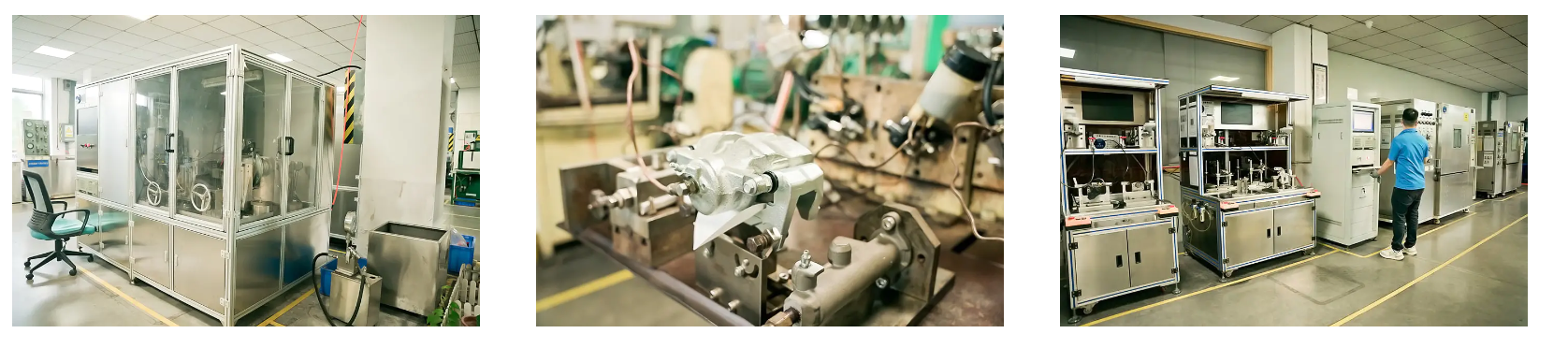
The term OE quality brake pads describes a replacement pad engineered to match the friction formulation, dimensional tolerances, chamfers, slots, and noise dampening features of the pad a vehicle was originally equipped with. A brake pad manufacturer working toward this standard typically runs friction material through batch testing, dynamometer evaluation, shear strength testing, and compressibility testing before a formulation is approved for production, since even small variation in the compound recipe can shift pedal feel and noise behavior.
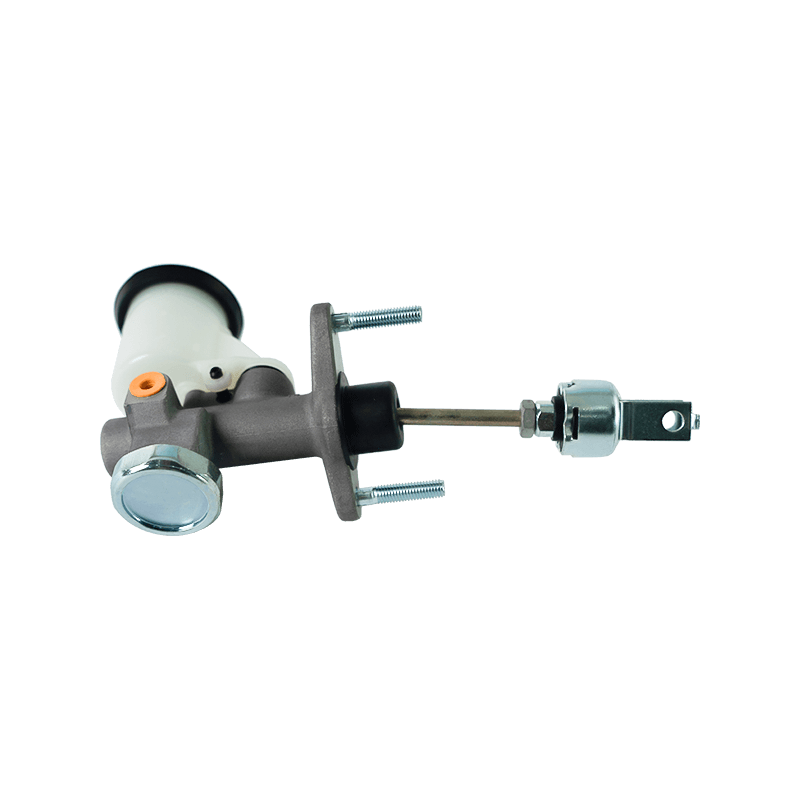
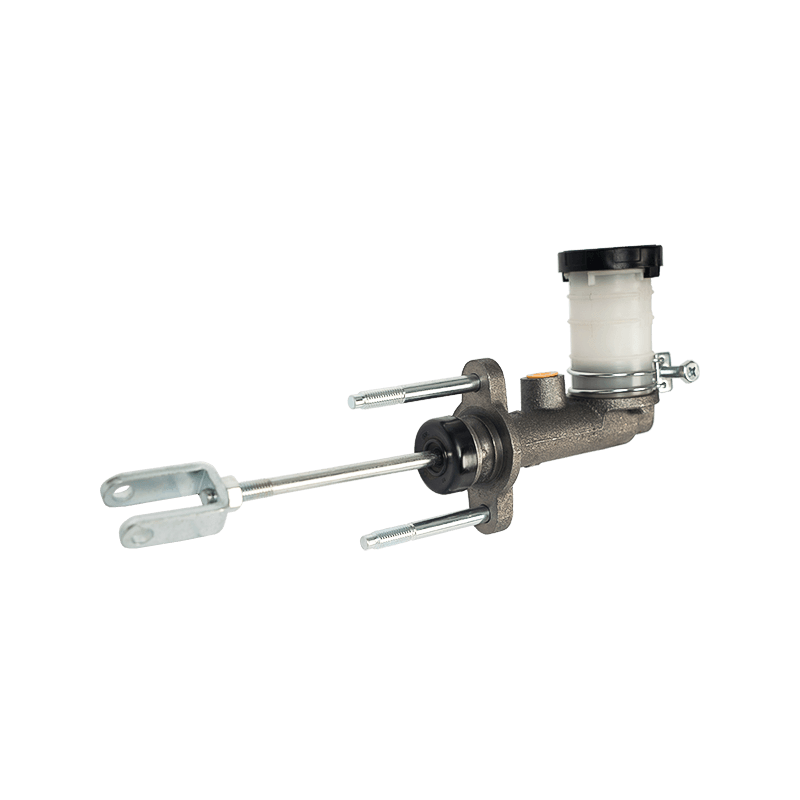
Yancheng Yanitiger Auto Parts Co., Limited operates as a China brake pad manufacturer and OEM brake pad factory producing custom high-friction OE quality brake pads alongside a broader catalog of braking and clutch hydraulic components, including brake master cylinders, brake slave cylinders, clutch master cylinders, clutch slave cylinders, and calipers. The company has developed more than 3000 product models, reflecting the breadth of coverage needed to serve workshops and distributors working across many different vehicle platforms.
Coverage across more than 1000 brake shoe and brake pad applications spans European, American, Russian, Japanese, and Korean vehicles, which allows a single OEM brake pads supplier relationship to address a wide cross section of a shop's or distributor's inventory needs rather than requiring separate sourcing for each regional vehicle segment.
Sourcing Brake Pads for Wholesale and Private Label Programs
Distributors and retailers evaluating a brake pads supplier for wholesale brake pads programs typically look beyond a single product line and weigh the breadth of application coverage, the consistency of friction formulation across production batches, and the flexibility to support packaging and labeling for private label brake pads supplier arrangements. A ceramic brake pads manufacturer and semi metallic brake pads supplier operating under the same roof can simplify sourcing further, since a buyer is not forced to split orders across separate factories for different material families.
- Application breadth across passenger, SUV, and light commercial platforms
- Consistent friction formulation from batch to batch within the same part number
- Flexible packaging and labeling to support private label brake pads supplier programs
- Responsiveness for custom high-friction formulations requested by a specific customer
With an associated manufacturing team experienced in exporting auto parts to more than 30 countries, Yancheng Yanitiger Auto Parts Co., Limited functions as an OEM brake pad factory and brake pad manufacturer capable of supporting both standard catalog orders and tailored private label programs for partners building out their own brake product line.
Maintenance Tips and Signs of Worn Brake Pads
Common Warning Signs
- A high-pitched squeal that appears even during light braking, often from a built-in wear indicator tab
- A grinding or metallic scraping sound, which can indicate the friction material has worn down to the backing plate
- Pulsation felt through the brake pedal or steering wheel during braking
- A soft, longer than usual pedal travel before braking force engages
- A dashboard brake wear warning light, on vehicles equipped with an electronic sensor
What Causes Uneven Wear
Uneven pad wear often traces back to a caliper slide pin that has become stiff or corroded, preventing the caliper from moving freely and applying even pressure across the pad surface. A stuck caliper piston, a collapsed brake hose restricting fluid return, or a bent backing plate can produce similar patterns, so uneven wear discovered during an inspection is generally a signal to check the surrounding hardware rather than the pad material alone.
Simple Habits That Support Longer Pad Life
Avoiding the habit of resting a foot lightly on the brake pedal while driving reduces unnecessary heat buildup in the friction material. Allowing pads to cool after an extended mountain descent, rather than immediately parking with firm brake application, helps the compound settle evenly. Periodic inspection of caliper hardware during routine service helps catch a sticking slide pin before it accelerates wear on one side of the vehicle.
Frequently Asked Questions
-
What are brake pads
Brake pads are the friction components pressed against a vehicle's rotors by the caliper to slow and stop the wheel. They sit between the caliper piston and the rotor surface and are replaced as routine maintenance items.
-
How do brake pads work
When the brake pedal is pressed, hydraulic pressure forces the caliper piston to clamp the pads against the rotor. The resulting friction converts the vehicle's motion into heat, which slows the wheel and brings the vehicle to a stop.
-
How long do brake pads last
Service life varies with material, driving style, and vehicle weight, but many pads last somewhere in a broad range of tens of thousands of miles. Stop and go city driving generally wears pads faster than steady highway driving.
-
What are brake pads made of
Modern pads generally fall into organic, semi-metallic, or ceramic material families, each blending fibers, resins, and in some cases metallic content in different ratios to achieve a particular friction and noise profile.
-
How often should brake pads be replaced
Replacement timing depends on remaining friction material thickness rather than a fixed mileage number, so a periodic visual or wear sensor check during routine service is the most reliable way to plan replacement.
-
Can worn brake pads damage rotors
Yes. Once the friction material wears down to the metal backing plate, continued driving allows metal to contact metal, which can score or groove the rotor surface and often leads to needing rotor resurfacing or replacement alongside the pads.
-
Why do brake pads squeak
Squeaking is frequently caused by a built-in wear indicator tab contacting the rotor to signal that replacement is due, though glazed friction material, worn hardware, or moisture and light surface rust can also produce noise.
-
What causes uneven brake pad wear
Uneven wear usually points to a caliper that is not moving freely, often due to a stiff or corroded slide pin, a stuck piston, or a restricted brake hose, rather than a defect in the pad material itself.
-
What brake pad material lasts the longest
Ceramic pads generally offer the longest service life in typical passenger vehicle driving, though actual longevity depends heavily on driving habits, vehicle weight, and the specific formulation used.


CONTACT INFOR.
-
 +86-152 5110 1941
-
 Info@yanitiger.com
-
 +86-152 5110 1941
-
 Building 5, Yancheng Financial City, No. 5 Century Avenue, Yancheng City, Jiangsu Province, China
Copyright © Yancheng Yanitiger Auto Parts Co., Limited All Rights Reserved. Custom Automobile Brake Products Factory OEM Automobile Brake Products Manufacturers
