 Search
 Eng
Eng 
 English
 Español
 Português


What causes brake pad noise? How can it be fixed?
 2025.12.09
 Industry News
The braking system is one of the most important safety systems in a car. Ensuring the normal operation of the brake pads is not only crucial for driving safety but also affects driving comfort. If you hear unusual noises when braking, especially from the brake pads, it may indicate a problem with the braking system and could affect braking performance, thus impacting driving safety. So, what are the reasons for brake pad noise?
1. Common Causes of Brake Pad Noise
Brake pad noise can be caused by various factors, including the quality, wear, installation, and environmental conditions of the brake pads. Here are some common causes of brake pad noise:
(1) Excessive Brake Pad Wear
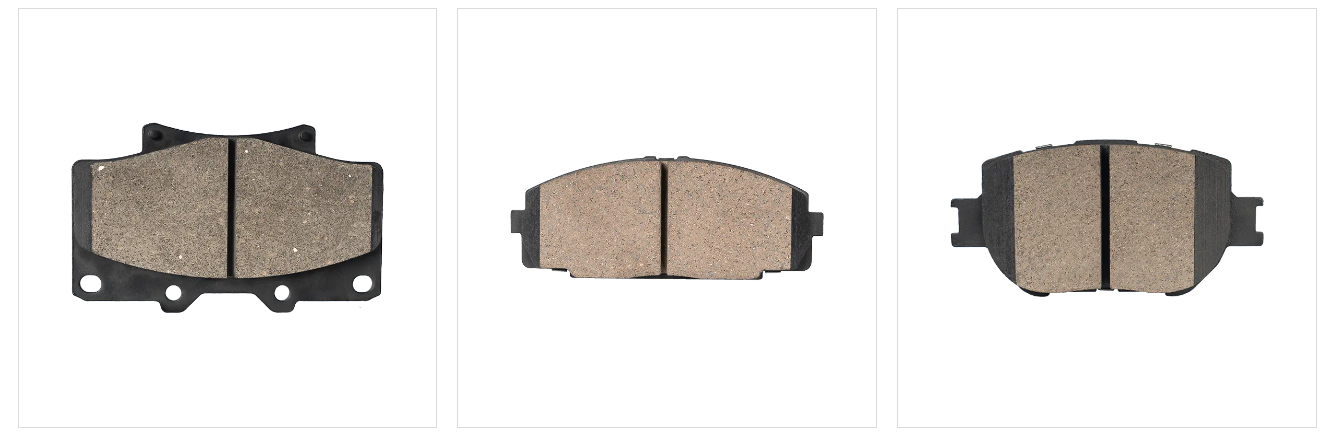
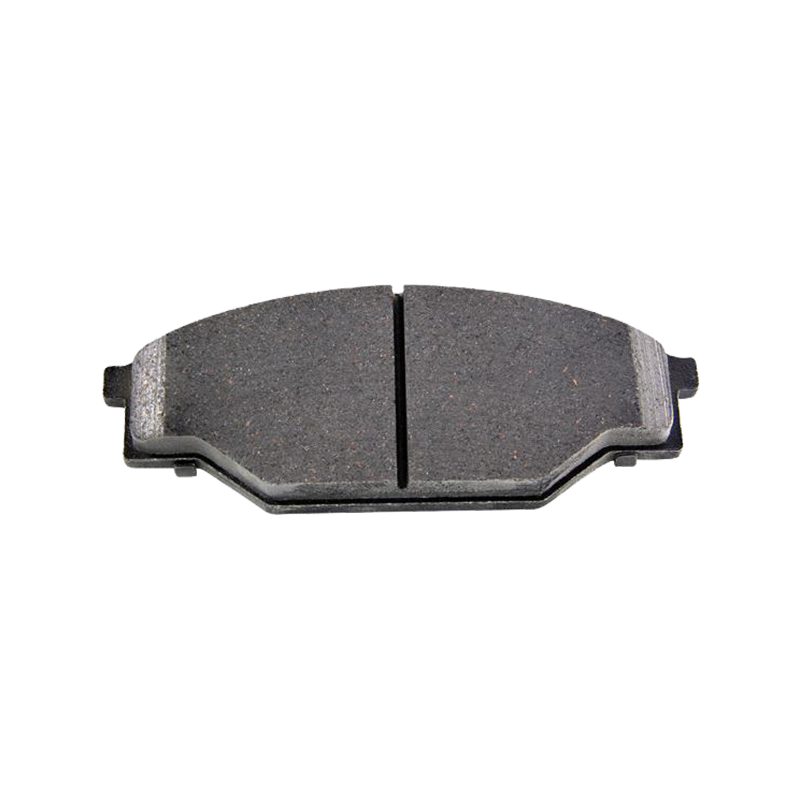
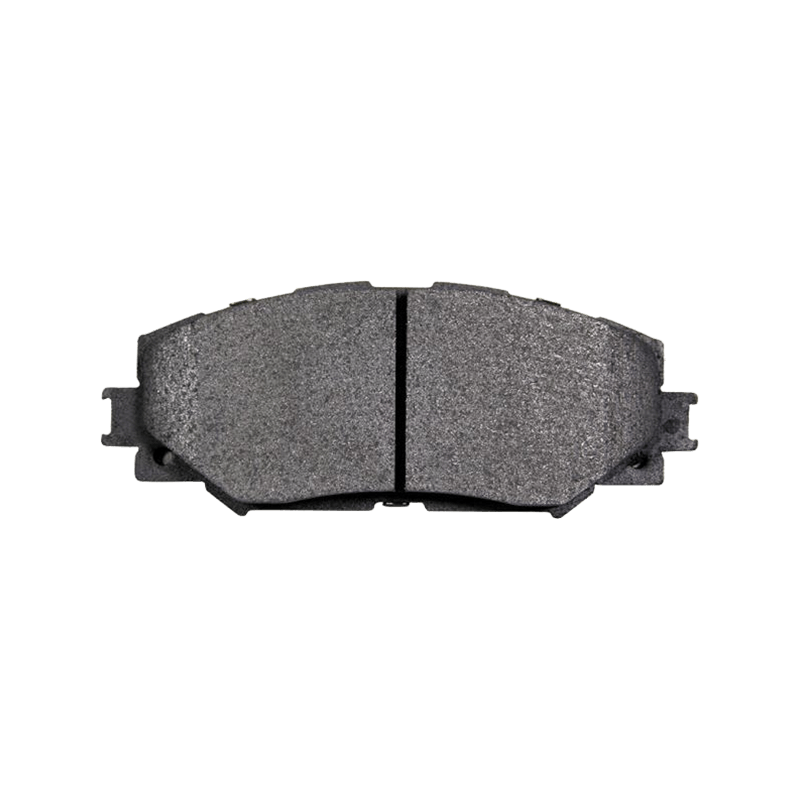
One of the most common causes of brake pad noise is excessive wear. When the brake pads are worn down to a certain extent, the metal part of the brake pad will come into direct contact with the brake disc, producing a metallic friction noise. This noise is usually sharp and piercing, and becomes more noticeable with increased braking force.
(2) Uneven Brake Pad Surface
An uneven or unevenly worn brake pad surface can also cause noise. If the brake pad develops cracks, dents, or unevenness during use, the contact with the brake disc will be uneven during braking, resulting in noise. Specifically, uneven friction between the brake pad and the brake disc during braking can produce a "buzzing" sound.
(3) Brake Pad Material Issues
The material of the brake pads directly affects braking performance and noise. Poor quality or substandard brake pads are prone to producing significant friction noise. For example, some low-quality brake pads may use friction materials that are too hard or too soft, leading to excessive or insufficient friction during braking, thus producing noise.
(4) Brake Disc Wear or Damage
Wear or surface damage to the brake disc can also cause brake pad noise. If the brake disc surface has scratches, rust, dents, or other damage, the contact between the brake pad and the brake disc will be uneven, easily leading to a screeching sound during braking. Especially when the brake pads are only slightly worn, damage to the brake disc may be the main source of the noise.
(5) Lack of Lubrication in the Braking System
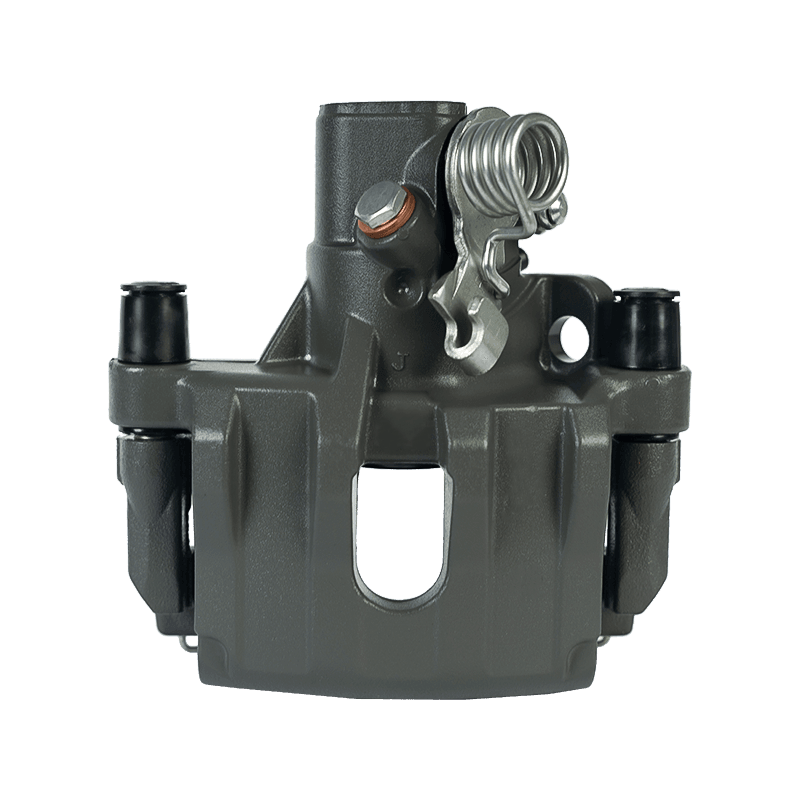
A lack of lubrication in some parts of the braking system can also cause brake pad noise. In particular, the contact area between the brake pads and the brake calipers, if lacking sufficient lubricant, can produce friction noise. Additionally, if the slider parts of the brake calipers are not lubricated, it can easily lead to abnormal noise.
(6) Environmental Factors
Environmental factors can also affect the operation of the brake pads, leading to abnormal noise. For example, humid or wet environments can cause moisture on the brake pad surface, increasing friction and producing a "squeaking" or "humming" sound. Furthermore, prolonged driving in high-temperature environments can cause the braking system to overheat, leading to changes in friction between the brake pads and brake discs, resulting in abnormal noise.
2. How to Solve Brake Pad Noise Problems?
If you encounter brake pad noise problems, you should address them as soon as possible to avoid affecting braking performance and driving safety. Here are some common solutions:
(1) Replace excessively worn brake pads
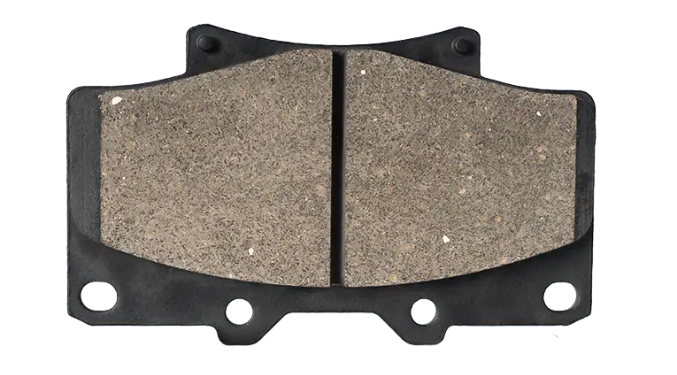
If the brake pads are excessively worn, you should first check the thickness of the brake pads. If the wear of the brake pads exceeds the safety standard (usually less than 2-3 mm thick), new brake pads should be replaced promptly. When replacing brake pads, choose high-quality brake pads suitable for your vehicle model and avoid using inferior products.
(2) Repair or replace brake discs
If the brake discs are worn, scratched, or cracked, it may lead to uneven contact between the brake pads and brake discs, thus generating noise. In this case, you can choose to repair the brake discs (for example, by grinding the brake discs to restore a smooth surface) or directly replace the brake discs. Ensuring a smooth and even surface of the brake discs can effectively reduce brake pad noise.
(3) Check the lubrication of the braking system
Check all parts of the braking system that require lubrication, such as the brake caliper sliders. If there is insufficient lubrication, add appropriate lubricant. The right lubricant can reduce friction between the brake pads and calipers, and between the brake pads and brake discs, thereby reducing abnormal noise.
(4) Choose a suitable brake pad material
If the noise is severe due to the brake pad material, you can consider replacing the brake pads with a different material. For example, metal brake pads are noisier than non-metallic brake pads, but they offer better performance. Drivers who are sensitive to noise can choose low-noise ceramic brake pads, which provide better noise reduction, but may sacrifice some braking performance.
(5) Cleaning the brake system
If there is dust, dirt, or other debris on the surface of the brake system, cleaning can remove these contaminants and reduce friction and noise between the brake pads and brake discs. Use a professional brake system cleaner to clean the system and ensure that the brake pads and discs are clean and free of impurities.
(6) Checking for correct brake pad installation
Brake pad noise is sometimes caused by improper installation. Check that the brake pads are installed correctly and ensure that there are no foreign objects between the contact surfaces of the brake pads and discs. Improper brake pad installation can lead to uneven contact between the brake pads and discs, thus generating noise.
3. Measures to prevent brake pad noise
In addition to the methods above for resolving brake pad noise, preventative measures are equally important:
Regularly inspect the brake system: Regularly check the wear of the brake pads and the condition of the brake discs to ensure they are always in good working order.
Choose high-quality brake pads: Choose brands and materials with guaranteed quality, and avoid using low-quality brake pads.
Avoid frequent braking: Avoid sudden or frequent braking, especially in hot weather, to reduce the load on the brake system.

CONTACT INFOR.
-
 +86-152 5110 1941
-
 Info@yanitiger.com
-
 +86-152 5110 1941
-
 Building 5, Yancheng Financial City, No. 5 Century Avenue, Yancheng City, Jiangsu Province, China
Copyright © Yancheng Yanitiger Auto Parts Co., Limited All Rights Reserved. Custom Automobile Brake Products Factory OEM Automobile Brake Products Manufacturers
