 Search
 Eng
Eng 
 English
 Español
 Português


Why Is My Clutch Pedal Soft? Common Master Cylinder Problems
 2026.05.07
 Industry News
A soft or spongy clutch pedal almost always points to a problem in the hydraulic system — and the Clutch Master Cylinder is the most common culprit. When the master cylinder's internal seals wear out or the unit develops a leak, it loses the ability to build and hold hydraulic pressure, causing the pedal to feel mushy, sink to the floor, or require pumping before it engages. The good news: diagnosing the cause is straightforward, and a Clutch Master Cylinder Replacement resolves the issue in most cases. This article walks through the most common master cylinder problems, how to identify them, and what to do about each one.
Content
- 1 How the Hydraulic Clutch System Works
- 2 The Most Common Clutch Master Cylinder Problems
- 3 Symptom Diagnosis: Matching Pedal Feel to the Likely Cause
- 4 How to Confirm the Master Cylinder Is the Problem
- 5 Clutch Master Cylinder Replacement: What to Expect
- 6 Master Cylinder Service Life: What the Data Shows
- 7 When to Replace Just the Master Cylinder vs the Full Assembly
- 8 Selecting a Replacement Clutch Master Cylinder: Key Specifications
- 9 About Yancheng Yanitiger Auto Parts Co., Limited
- 10 Frequently Asked Questions
How the Hydraulic Clutch System Works
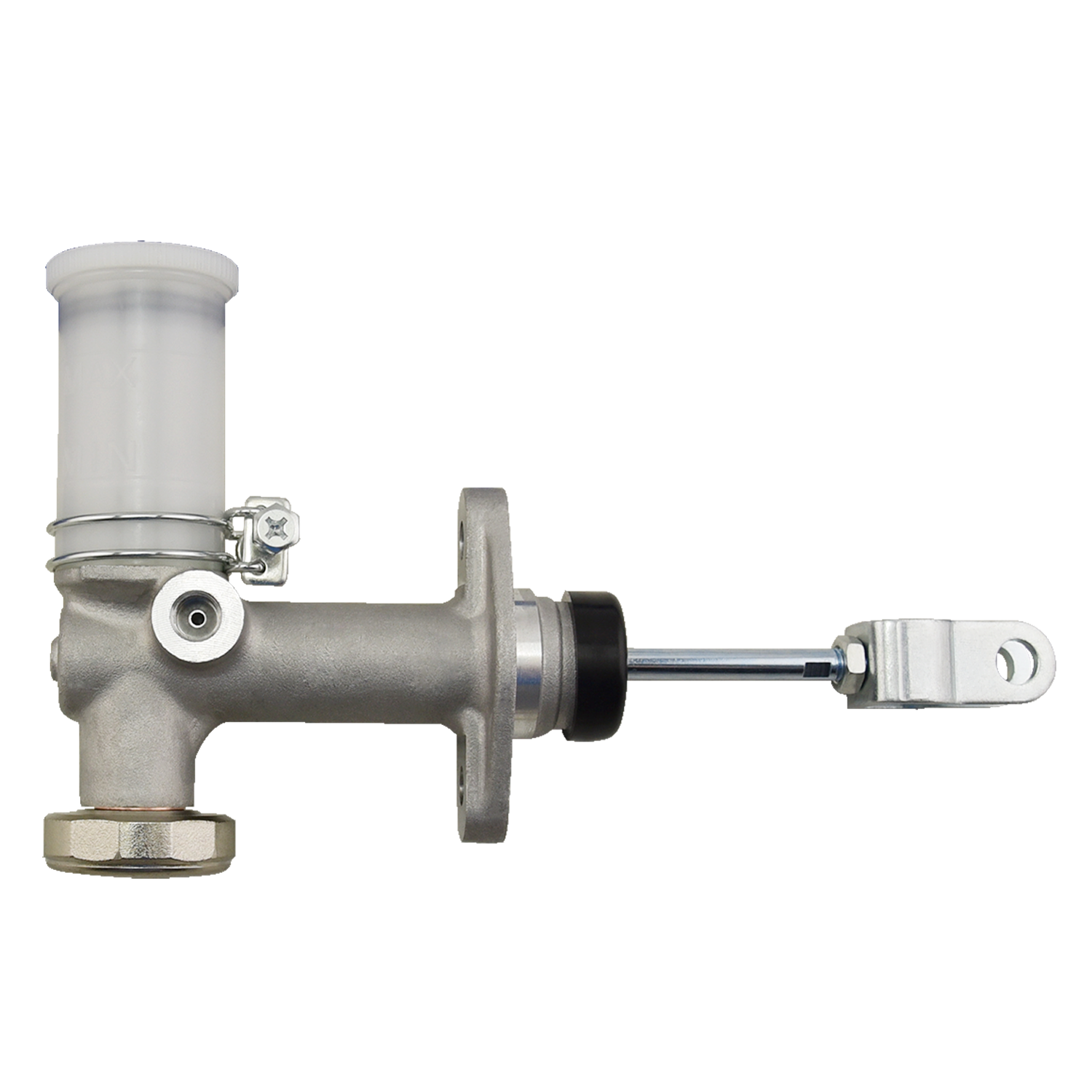
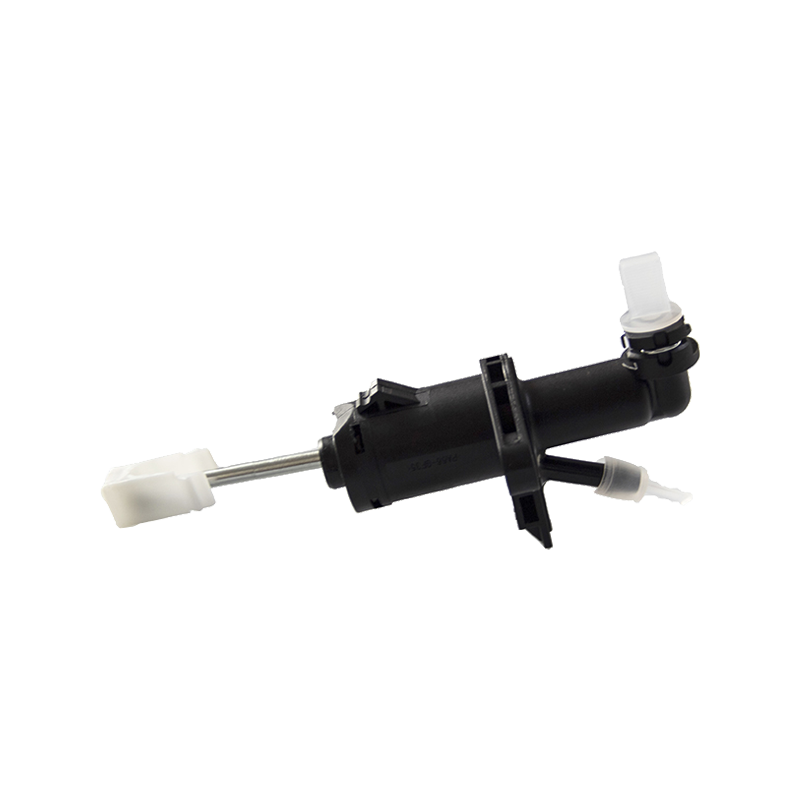
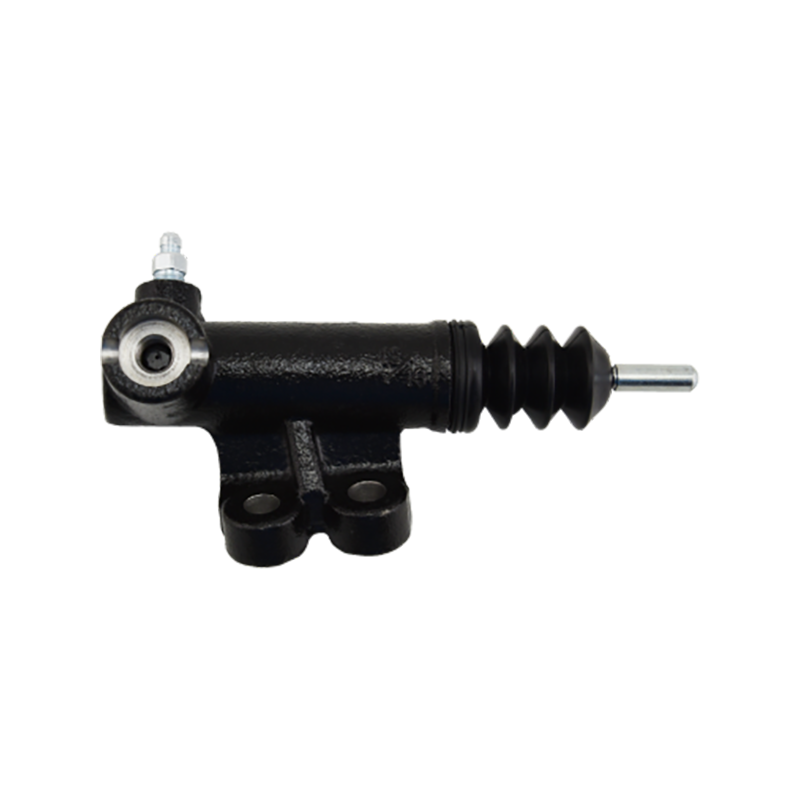
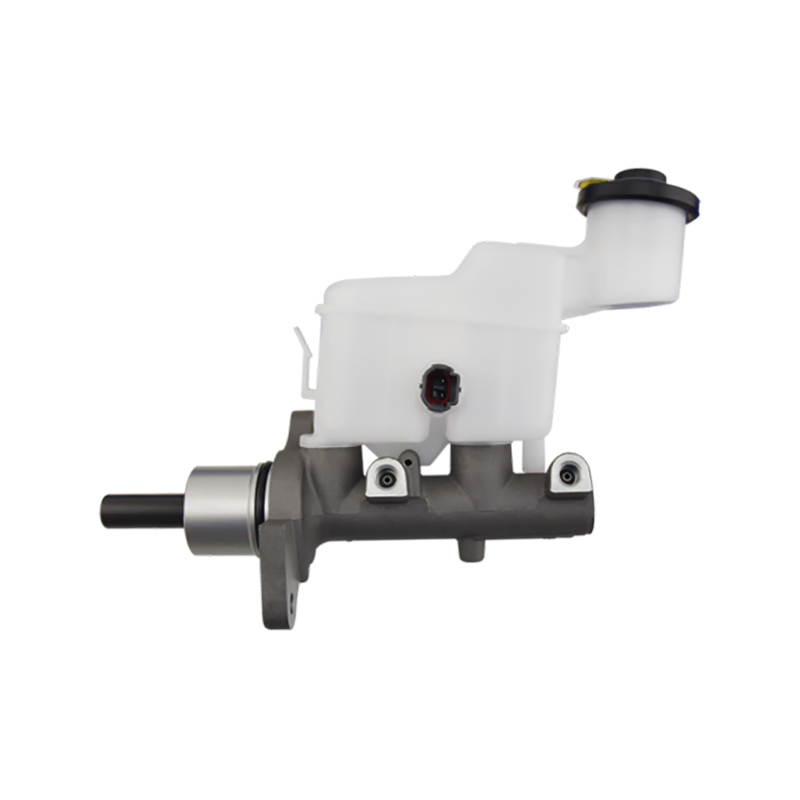
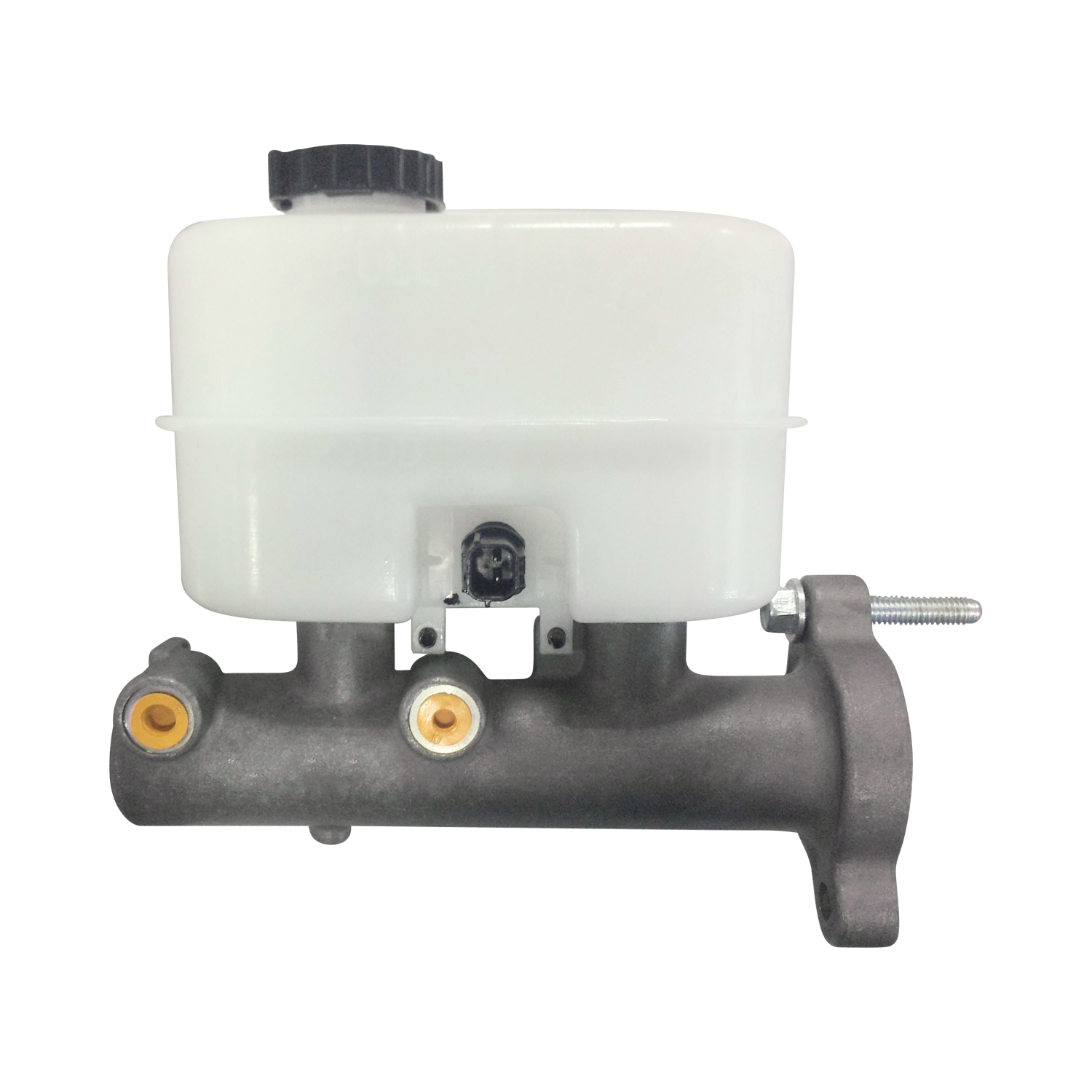
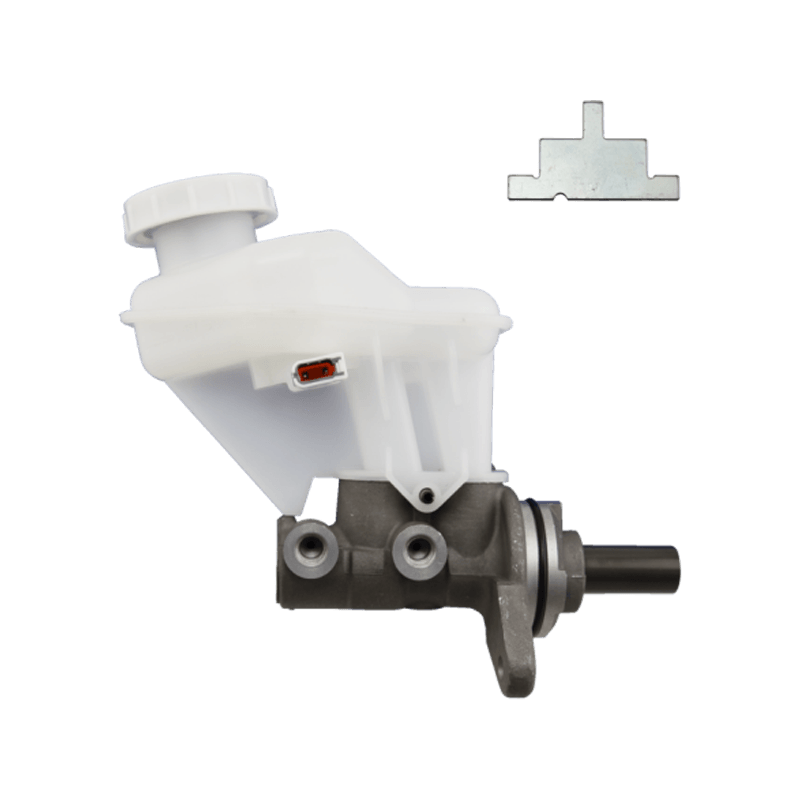
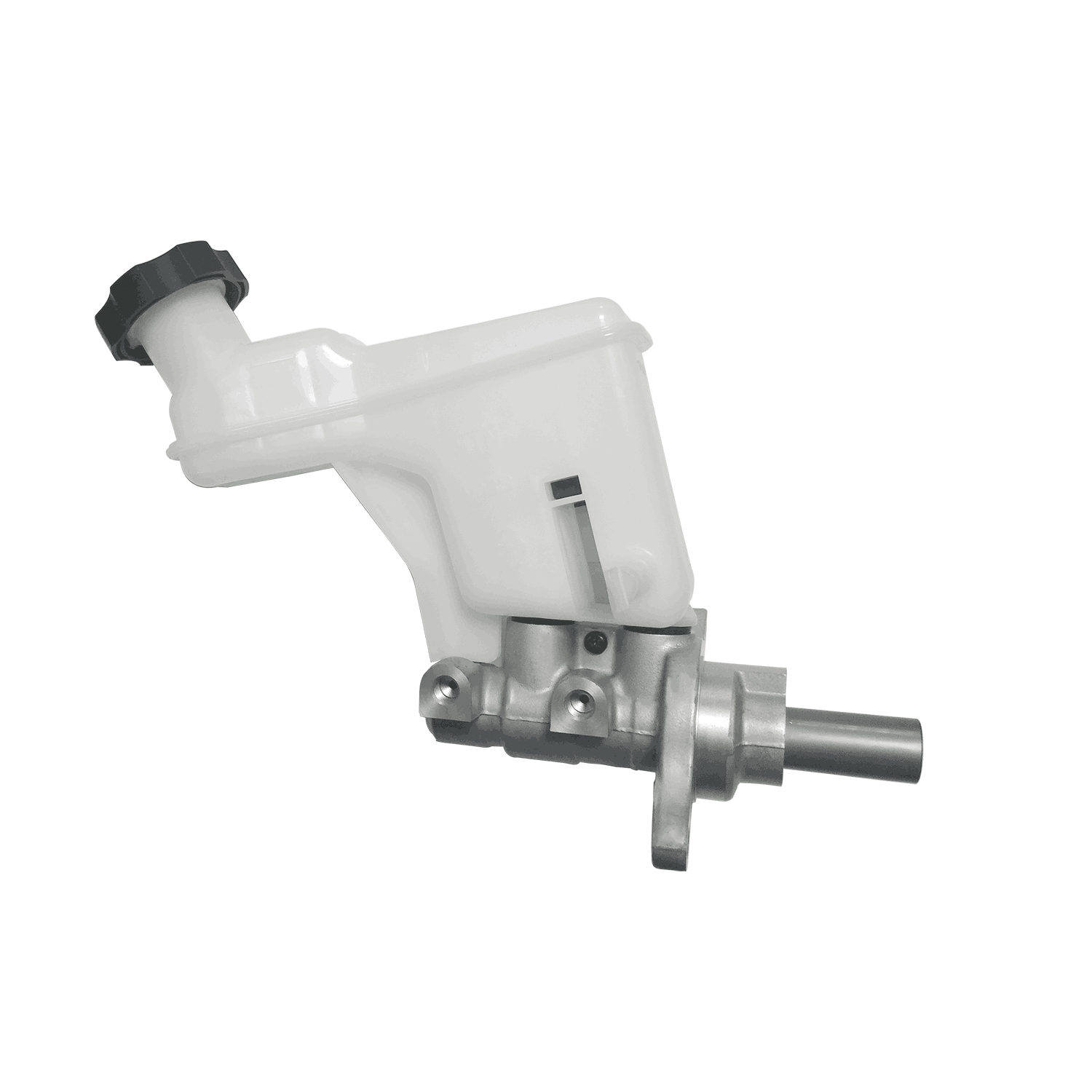
Before diagnosing problems, it helps to understand what the Hydraulic Clutch Master Cylinder actually does. When you press the clutch pedal, it pushes a piston inside the master cylinder, which pressurizes hydraulic fluid in the line. That pressurized fluid travels to the slave cylinder, which mechanically disengages the clutch. Release the pedal, and spring pressure pushes the piston back, relieving hydraulic pressure and re-engaging the clutch.
The entire system depends on a sealed, pressurized hydraulic circuit. Any breach — whether from worn internal seals, a cracked bore, or a leaking line — compromises that pressure and directly affects pedal feel and clutch operation. A healthy hydraulic clutch circuit maintains consistent pressure throughout the pedal stroke with no sponginess and no pedal travel variation between uses.
The Most Common Clutch Master Cylinder Problems
Worn or Deteriorated Internal Seals
The most frequent failure mode. The piston inside the Clutch Hydraulic Master Cylinder relies on rubber cup seals to maintain pressure. Over time — typically after 80,000 to 120,000 miles of service — these seals harden, crack, or develop micro-tears. When they fail, fluid bypasses the piston instead of being pressurized, resulting in a soft or sinking pedal. The reservoir level may remain normal because the fluid is bypassing internally rather than leaking externally.
Symptom: Pedal sinks slowly to the floor under steady pressure. Pumping the pedal temporarily restores firmness before it softens again.
External Fluid Leak from the Master Cylinder Body
When the pushrod seal or end cap seal fails, hydraulic fluid leaks externally. You may notice fluid pooling near the firewall on the driver's side, a wet or stained master cylinder body, or a falling fluid level in the reservoir. External leaks are easier to diagnose visually than internal bypass failures.
Symptom: Reservoir fluid level drops noticeably between checks. Visible fluid residue on or around the master cylinder unit. Pedal feel worsens progressively as fluid is lost.
Air in the Hydraulic Line
Air is compressible; hydraulic fluid is not. If air enters the system — through a low fluid level, a loose fitting, or during improper bleeding after Hydraulic Clutch Repair Parts replacement — it creates a spongy, inconsistent pedal. Unlike fluid, air compresses under pedal pressure instead of transmitting force efficiently to the slave cylinder.
Symptom: Consistently spongy pedal feel across the full stroke. Pedal may not feel dramatically different when pumped. Usually appears after recent system work or a fluid-level event.
Corroded or Scored Cylinder Bore
Moisture absorption is a known property of DOT 3 and DOT 4 brake/clutch fluids. Over time, moisture in the fluid promotes internal corrosion of the aluminum or cast iron cylinder bore. Pitting or scoring on the bore surface damages the seal contact area, accelerating seal wear and causing both internal bypass and external leakage simultaneously.
This is why manufacturers recommend flushing clutch hydraulic fluid every 2 years or 30,000 miles, regardless of visible symptoms. Old fluid with high moisture content accelerates bore corrosion significantly.
Faulty or Collapsed Reservoir Cap / Vent
The reservoir cap contains a vent that allows pressure equalization as fluid level changes. A blocked or damaged vent creates a vacuum in the reservoir that restricts fluid flow into the master cylinder bore, causing inconsistent pedal behavior and potential internal damage from fluid starvation.
Symptom: Pedal starts firm but softens progressively during extended operation. Removing and reinstalling the reservoir cap temporarily resolves the issue.
Symptom Diagnosis: Matching Pedal Feel to the Likely Cause
The table below maps specific clutch pedal symptoms to their most probable causes, helping you narrow down whether the issue lies in the master cylinder, the slave cylinder, the hydraulic line, or elsewhere in the Automotive Clutch Cylinder Assembly.
| Symptom | Most Likely Cause | Recommended Action |
|---|---|---|
| Pedal sinks slowly under steady pressure | Internal seal bypass in master cylinder | Replace clutch master cylinder |
| Spongy pedal, no change when pumped | Air in hydraulic line | Bleed the system; check for leak source |
| Fluid visible near firewall or master cylinder | External leak from master cylinder | Inspect and replace master cylinder |
| Pedal firms up after pumping, then softens | Worn internal seals or air ingestion | Replace master cylinder; bleed system |
| Soft pedal only after extended use | Reservoir vent blockage or heat-related seal expansion | Check reservoir cap; inspect seals |
| Clutch does not fully disengage (grinding gears) | Slave cylinder failure or severe master cylinder wear | Inspect full hydraulic assembly; replace as needed |
| Fluid level drops but no visible external leak | Internal leak to slave cylinder or line | Inspect slave cylinder and hydraulic lines |
How to Confirm the Master Cylinder Is the Problem
Before replacing any component, confirm the master cylinder is actually at fault. This two-step test helps isolate it from other hydraulic components:
- Static pressure hold test: With the engine off, press the clutch pedal firmly and hold it down for 30 seconds. If the pedal slowly sinks to the floor without releasing pressure, the master cylinder's internal seals are bypassing fluid — a clear sign of internal seal failure.
- Visual inspection: Check the reservoir fluid level and look for any evidence of fluid seepage on the master cylinder body, the firewall mounting point, and the hydraulic line connection. A wet or stained unit indicates an external leak.
- Bleed and retest: If air is suspected, bleed the system with fresh fluid. If the pedal improves dramatically after bleeding, air was the primary issue. If it remains soft or sinks, the master cylinder seals are compromised.
- Slave cylinder check: Inspect the slave cylinder for external leaks as well. A leaking slave cylinder can produce similar soft-pedal symptoms. Always inspect the full Automotive Clutch Cylinder Assembly before isolating the diagnosis to a single component.
Clutch Master Cylinder Replacement: What to Expect
Once a failed Clutch Master Cylinder is confirmed, replacement is the standard repair. Repair kits — which include replacement seals and cups — are available for some applications, but complete unit replacement with a quality Hydraulic Clutch Repair Parts assembly is generally preferred for long-term reliability, as scored or corroded bores cannot be restored by seal replacement alone.
The general replacement procedure involves:
- Protecting the surrounding area from hydraulic fluid spillage (fluid damages paint)
- Disconnecting the hydraulic line from the master cylinder and capping it to prevent fluid loss
- Disconnecting the pushrod from the clutch pedal inside the cabin
- Unbolting the master cylinder from the firewall (typically two mounting bolts)
- Installing the new unit, reconnecting the pushrod and hydraulic line
- Filling the reservoir with fresh, manufacturer-specified fluid (DOT 3 or DOT 4 as applicable)
- Bleeding the hydraulic system thoroughly to remove all air
- Checking and adjusting pedal freeplay per the vehicle specification (typically 5–15mm)
Proper bleeding is as important as the replacement itself. Any residual air in the line will result in the same soft pedal symptoms even with a new master cylinder installed. Always bleed from the slave cylinder bleeder point until clean, bubble-free fluid flows consistently.
Master Cylinder Service Life: What the Data Shows
Understanding typical service intervals helps fleet operators and vehicle owners plan maintenance proactively rather than reacting to failures. The chart below illustrates how failure probability increases with mileage for hydraulic clutch master cylinders based on industry service data.
Clutch Master Cylinder Failure Probability by Mileage Interval
Under 60,000 miles~5% failure rate
60,000–90,000 miles~18% failure rate
90,000–120,000 miles~42% failure rate
120,000–150,000 miles~65% failure rate
Over 150,000 miles~80%+ failure rate
Indicative failure rates based on industry service patterns; actual rates vary by vehicle type, fluid maintenance history, and operating conditions
The data underscores a practical maintenance decision: at high mileage intervals above 100,000 miles, proactively replacing the master cylinder and flushing the hydraulic fluid during a clutch service or related repair avoids an unplanned roadside failure later.
When to Replace Just the Master Cylinder vs the Full Assembly
A frequent question during hydraulic clutch repairs is whether to replace the master cylinder alone or the complete Automotive Clutch Cylinder Assembly including the slave cylinder and lines. Here is a practical guide:
- Replace master cylinder only when the slave cylinder shows no signs of leakage, has been replaced recently, or has low mileage relative to the master cylinder failure
- Replace both master and slave cylinders when the vehicle has high mileage (over 100,000 miles), the slave cylinder shows any weeping or fluid residue, or when labor costs for both components are comparable — replacing both at the same service avoids repeating the bleeding and teardown process within a short period
- Replace hydraulic lines as well if any signs of cracking, brittleness, corrosion, or fitting damage are observed during the inspection — degraded lines can cause post-repair failures that are difficult to diagnose
- Always flush and replace hydraulic fluid during any master cylinder service — old, moisture-laden fluid accelerates wear on new components
Selecting a Replacement Clutch Master Cylinder: Key Specifications
Not all replacement units are equivalent. When selecting Hydraulic Clutch Repair Parts, verify the following specifications match your vehicle's original equipment requirements:
- Bore diameter — the internal piston bore diameter directly determines hydraulic output pressure for a given pedal force; common sizes range from 15mm to 25mm; using the wrong bore diameter alters pedal feel and clutch engagement characteristics
- Mounting pattern and pushrod configuration — must match the firewall mounting holes and the pedal pushrod geometry exactly
- Fluid port thread size and orientation — the hydraulic line connection must match to avoid leaks at the fitting
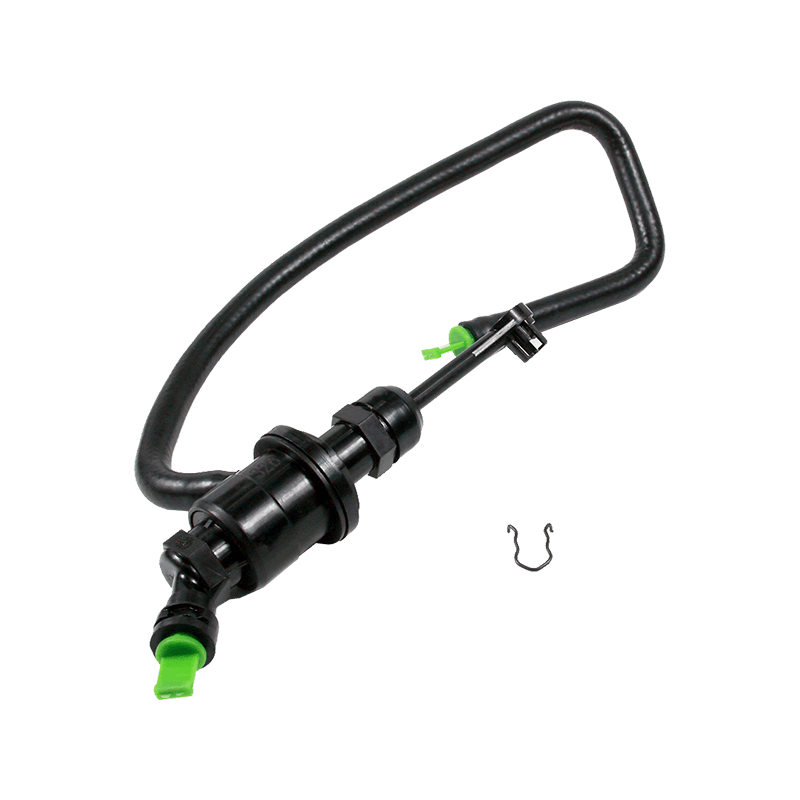
- Reservoir type — some master cylinders have integrated reservoirs; others use a remote reservoir connected by a hose; the replacement must match the original configuration
- Material quality and seal grade — quality Hydraulic Clutch Master Cylinder units use corrosion-resistant aluminum bodies with high-grade EPDM rubber seals rated for long-term hydraulic fluid compatibility
- Quality certifications — for fleet or commercial applications, prefer units from suppliers holding ISO 9001 and TS16949 certifications, which ensure documented quality control in manufacturing
About Yancheng Yanitiger Auto Parts Co., Limited
Yancheng Yanitiger Auto Parts Co., Limited is a professional China Hydraulic Clutch Master Cylinder manufacturer and custom Clutch Master Cylinder Replacement factory, specializing in brake and clutch hydraulic products. The company's main product range includes brake master cylinders, brake slave cylinders, clutch master cylinders, clutch slave cylinders, calipers, and brake pads, with more than 3,000 product models available to serve a wide range of customer requirements at competitive quality levels.
With a catalog spanning more than 1,000 brake shoe and brake pad references covering European, American, Russian, Japanese, and Korean vehicle applications, Yanitiger and its associated factories have built a highly experienced manufacturing team that exports thousands of auto part products worldwide. The company's products carry ISO 9001 and TS16949 certifications, reflecting a commitment to documented quality management at every stage of production.
With an established reputation built across more than 30 countries, Yancheng Yanitiger Auto Parts welcomes customers from all markets to explore cooperation opportunities and looks forward to building long-term, mutually successful business relationships worldwide.
Frequently Asked Questions
Q1: Can I drive with a soft clutch pedal until I get to a shop?
A1: It depends on the severity. If the pedal still builds pressure when pumped and the clutch disengages fully, short-distance driving may be possible with caution. However, if the pedal sinks to the floor without returning or the clutch will not fully disengage — making gear changes difficult or impossible — the vehicle should not be driven. A failing master cylinder can deteriorate rapidly, and continuing to drive risks a complete loss of clutch operation in traffic.
Q2: How do I bleed a hydraulic clutch system after replacing the master cylinder?
A2: Fill the reservoir with fresh, correct-specification fluid. Locate the bleeder valve on the slave cylinder. Attach a clear bleed hose to the bleeder nipple and submerge the other end in a container of clean fluid (to prevent air re-entry). Have an assistant slowly depress and hold the clutch pedal, then open the bleeder valve briefly to release fluid and air. Close the valve before the pedal is released. Repeat until no bubbles appear in the expelled fluid. Keep the reservoir topped up throughout the process. On systems with a concentric slave cylinder (internal to the transmission), a vacuum bleeder or pressure bleeder tool simplifies the process significantly.
Q3: What fluid should I use in a hydraulic clutch master cylinder?
A3: Most hydraulic clutch systems share fluid with the brake system and use DOT 3 or DOT 4 glycol-based fluid. Always check the reservoir cap or owner's manual for the specific specification — using the wrong fluid type (for example, mineral oil-based fluid in a system designed for glycol-based fluid) will cause rapid seal deterioration. Never mix fluid types or use used fluid from another vehicle. DOT 4 fluid offers a higher boiling point than DOT 3 and is preferred in performance or heavy-duty applications.
Q4: How long does a clutch master cylinder replacement typically take?
A4: On most vehicles, the master cylinder itself can be removed and replaced in 30 to 60 minutes. The additional time for fluid filling and thorough bleeding typically brings the total job time to 1.5 to 2.5 hours. Vehicles with tight firewall access, integrated reservoir systems, or complicated pedal linkage can take longer. If the slave cylinder is being replaced simultaneously — especially a concentric slave cylinder inside the bellhousing — transmission removal is required, which adds significantly to total labor time.
Q5: How often should clutch hydraulic fluid be replaced as a preventive measure?
A5: Most vehicle manufacturers recommend flushing and replacing clutch hydraulic fluid every 2 years or 30,000 miles, whichever comes first. Glycol-based fluids absorb moisture over time, which lowers the boiling point and promotes internal corrosion. Fresh fluid maintains the integrity of rubber seals and the cylinder bore surface, directly extending the service life of the master cylinder, slave cylinder, and associated hydraulic lines.

CONTACT INFOR.
-
 +86-152 5110 1941
-
 Info@yanitiger.com
-
 +86-152 5110 1941
-
 Building 5, Yancheng Financial City, No. 5 Century Avenue, Yancheng City, Jiangsu Province, China
Copyright © Yancheng Yanitiger Auto Parts Co., Limited All Rights Reserved. Custom Automobile Brake Products Factory OEM Automobile Brake Products Manufacturers
