 Search
 Eng
Eng 
 English
 Español
 Português


What are the Parts of a Car Brake System?
 2026.09.28
 Industry News
A car brake system is built from two main sub systems, disc brakes and drum brakes, plus a set of shared hydraulic hardware that links the brake pedal to every wheel. The disc brake side is made of a brake rotor, brake pad, and brake caliper. The drum brake side is made of a brake drum, brake shoe, and wheel cylinder. Around these core parts sit the master cylinder, brake lines, and brake fluid, which together move pedal pressure to each wheel. This guide explains what each part does, how disc and drum layouts compare, and where automotive brake pads and other AUTOMOBILE BRAKE PRODUCTS fit into a complete braking circuit.
Drivers researching this topic often search using slightly different wording, such as brake system parts list, parts of car brakes, diagram of brake parts, vehicle brake parts, or car brake components. All of these questions point to the same underlying system, and this article works through every one of them section by section, starting with the two basic brake layouts and moving into individual components, wear patterns, and a full parts reference table.
Content
- 1 The Two Main Types of Car Brake Systems
- 2 Disc Brake Components: Rotor, Pad, and Caliper Explained
- 3 Drum Brake System Parts: Drum, Shoe, and Wheel Cylinder
- 4 Diagram of Brake Parts: How the Wheel End Assembly Fits Together
- 5 Hydraulic System Components: Master Cylinder, Brake Lines, and Brake Fluid
- 6 Complete Car Brake System Parts List
- 7 Brake Pad Materials: Comparing Organic, Semi-Metallic, Ceramic, and Low-Metallic Pads
- 8 Disc Brakes vs Drum Brakes: A Side-by-Side Comparison
- 9 How Many Types of Brake Systems Are There
- 10 Brake Component Wear: How Long Do Parts Typically Last
- 11 Warning Signs That Brake Components Need Attention
- 12 AUTOMOBILE BRAKE PRODUCTS from Yancheng Yanitiger
- 13 About Yancheng Yanitiger Auto Parts Co., Limited
- 14 Frequently Asked Questions About Car Brake Parts
- 14.1 Q1. How long do brake pads last?
- 14.2 Q2. How often should brake pads be replaced?
- 14.3 Q3. What are the signs of worn brake pads?
- 14.4 Q4. How do I know if my brake pads need replacing?
- 14.5 Q5. Why are my brake pads squeaking?
- 14.6 Q6. Why do new brake pads squeak?
- 14.7 Q7. Are ceramic brake pads better than semi-metallic pads?
- 14.8 Q8. What does a brake caliper do?
- 14.9 Q9. How long do brake calipers last?
- 14.10 Q10. What are the symptoms of a bad brake caliper?
- 14.11 Q11. What is the difference between fixed and floating calipers?
- 14.12 Q12. What are the main parts of a car brake system?
The Two Main Types of Car Brake Systems
Every wheel on a passenger vehicle is slowed using one of two friction layouts. Understanding which parts belong to which layout is the fastest way to make sense of a car brake system parts list, since a disc brake assembly and a drum brake assembly share a similar purpose but use different hardware.
-
Disc Brake Components
- Brake rotor, a spinning metal disc attached to the wheel hub
- Brake pad, the friction material that clamps onto the rotor
- Brake caliper, the housing that pushes the pads against the rotor
-
Drum Brake Components
- Brake drum, a hollow metal cylinder that rotates with the wheel
- Brake shoe, the curved friction lining pressed outward against the drum
- Wheel cylinder, the hydraulic piston that pushes the shoes outward
Beyond these wheel end parts, a complete braking circuit also depends on shared hardware and accessories, including the master cylinder, brake lines, and brake fluid. These shared components carry pressure from the pedal to whichever wheel end layout the vehicle uses, and they are just as important to overall stopping performance as the rotor, pad, drum, or shoe. The sections below look at each of these components individually before moving into a full comparison table.
Disc Brake Components: Rotor, Pad, and Caliper Explained
Disc brakes are the most common front brake layout on modern passenger cars, and on many vehicles they are used at all four wheels. Where are the brakes located in a car? On a disc brake vehicle, the rotor and caliper sit directly behind each wheel, visible through the wheel spokes on most rim designs.
Brake Rotor
The brake rotor, also called a brake disc, bolts to the wheel hub and spins with the wheel. Its flat, machined surface gives the brake pad something to clamp against. Rotors are usually cast iron, and many front rotors are vented internally with cooling vanes between two friction faces to help shed heat generated during repeated braking.
Components of a Brake Caliper
The brake caliper is the housing that straddles the rotor and squeezes the pads inward when the driver presses the pedal. A caliper is built from several smaller parts working together:
- Caliper body or bracket, which mounts to the steering knuckle
- One or more pistons, which move outward under hydraulic pressure
- Piston seals and dust boots, which keep fluid in and debris out
- Slide pins or guide pins, which let a floating caliper shift side to side
- Caliper bolts, which secure the bracket to the knuckle
Calipers are generally built as either fixed or floating designs. A fixed caliper has pistons on both sides of the rotor and does not move, while a floating (or sliding) caliper has pistons on only one side and slides on guide pins so both pads contact the rotor evenly. Floating calipers are widely used on everyday passenger vehicles because the design is simpler and lighter, while fixed calipers are more common on performance oriented applications.
Parts of a Brake Pad
A brake pad looks simple from the outside, but it is a layered assembly. The main parts of a brake pad include:
- Backing plate, a rigid steel plate that the friction material bonds to
- Underlayer or shim, which helps insulate heat and reduce vibration
- Friction material, the compound that actually contacts the rotor
- Wear indicator, a small metal tab or sensor that signals when the pad is thin
This layered structure is why automotive brake pads are sold as a matched set rather than as a single block of friction material, and why pad thickness is the main figure technicians check during a routine inspection.
Drum Brake System Parts: Drum, Shoe, and Wheel Cylinder
Drum brakes remain common on the rear axle of many compact and economy vehicles, largely because the layout is simple, inexpensive to produce, and works well for integrating a mechanical parking brake. The parts of a drum brake system are different from a disc setup, even though the underlying goal is the same.
| Drum Brake Part | Function |
|---|---|
| Brake drum | Rotating housing that the shoes press against from inside |
| Brake shoe | Curved friction lining that contacts the inner drum surface |
| Wheel cylinder | Hydraulic piston pair that spreads the shoes outward |
| Return springs | Pull the shoes back away from the drum after braking |
| Self adjuster mechanism | Takes up slack as the shoe lining gradually wears |
| Backing plate | Fixed steel plate that holds the whole assembly to the axle |
Because the shoes sit inside an enclosed drum, this layout sheds heat more slowly than an open disc brake, which is one reason many manufacturers reserve drum brakes for rear axles, where braking load is lighter than the front axle under normal deceleration.
Diagram of Brake Parts: How the Wheel End Assembly Fits Together
A labeled diagram of brakes on a car makes it easier to see how the rotor, pad, and caliper line up around the wheel hub. The illustration below shows a typical front disc brake assembly and how the caliper straddles the rotor with the pad sandwiched between them.
Exploded schematic view of a front disc brake assembly, not to exact scale
On the pictured layout, the caliper bridges the outer edge of the rotor and clamps the pad against the flat friction face. A short rubber brake hose links this moving assembly to the fixed steel brake line further up the suspension, which is where fluid pressure originates back at the master cylinder.
Hydraulic System Components: Master Cylinder, Brake Lines, and Brake Fluid
Pressing the pedal does not push a cable directly to each wheel on a modern car. Instead, a hydraulic circuit carries that force through fluid, using a chain of parts that connect the driver to every wheel end assembly.
- Brake pedal and pedal linkage transfer foot force into the booster
- Brake booster (vacuum or electric) multiplies that force before it reaches the master cylinder
- Master cylinder converts mechanical force into hydraulic pressure inside the brake fluid
- Steel brake lines and flexible brake hoses carry pressurized fluid out to each wheel
- Brake caliper pistons or wheel cylinder pistons convert fluid pressure back into clamping force
The master cylinder itself typically has two separate fluid circuits, so a leak or fault in one circuit still leaves a second, reduced braking circuit available. This dual circuit layout is one of the standard safety principles behind modern brake system design.
Brake fluid is a specialized hydraulic fluid rated to resist boiling under the high temperatures generated at the caliper. Because brake fluid is hygroscopic, meaning it gradually absorbs moisture from the air, manufacturers commonly recommend that it be checked and, when needed, flushed on a scheduled interval rather than left indefinitely, since moisture content lowers the fluid boiling point over time.
Complete Car Brake System Parts List
The table below brings every part covered so far into one reference, organized by where each component sits in the system. Use it as a quick answer to parts of the brakes on a car, brake components, and similar reference questions.
| Part | Belongs To | Primary Role |
|---|---|---|
| Brake rotor | Disc brake | Friction surface bolted to the hub |
| Brake pad | Disc brake | Friction material clamped onto the rotor |
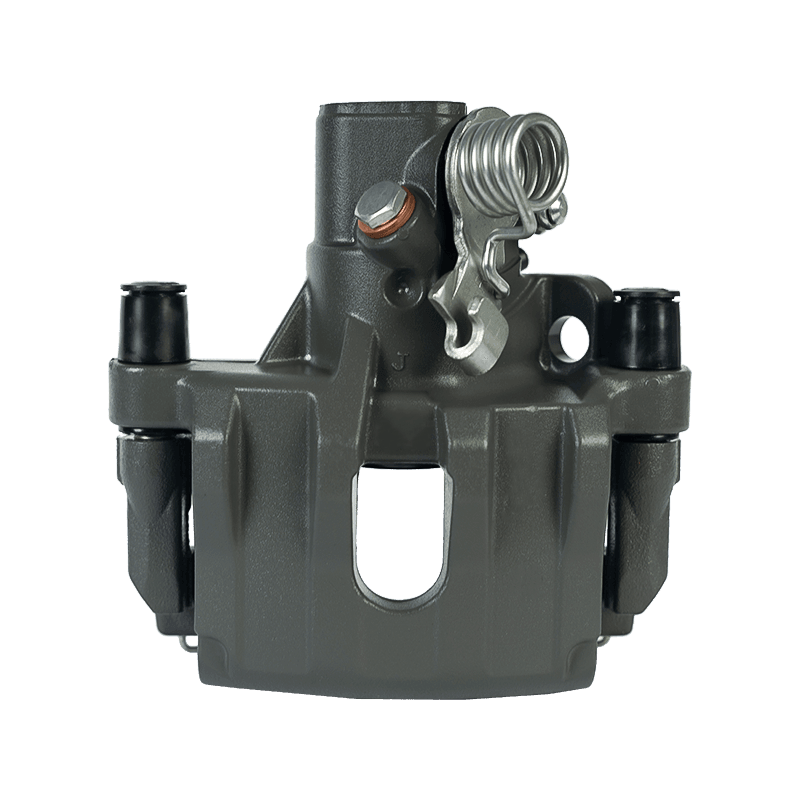
| Brake caliper | Disc brake | Houses pistons that squeeze the pads |
| Brake drum | Drum brake | Rotating housing around the shoes |
| Brake shoe | Drum brake | Friction lining pressed against the drum |
| Wheel cylinder | Drum brake | Pushes the shoes outward hydraulically |
| Master cylinder | Shared hydraulic system | Generates hydraulic pressure from pedal force |
| Brake lines and hoses | Shared hydraulic system | Carry pressurized fluid to each wheel |
| Brake fluid | Shared hydraulic system | Transfers pressure through the circuit |
| Brake booster | Shared hydraulic system | Amplifies pedal force before the master cylinder |
| Parking brake cable | Mechanical backup | Holds the vehicle stationary without hydraulics |
Brake Pad Materials: Comparing Organic, Semi-Metallic, Ceramic, and Low-Metallic Pads
Brake materials and parts are closely linked, since the friction compound bonded to the pad backing plate is what determines pedal feel, noise level, and dust output. Automotive brake pads are generally sold in four broad friction material families.
| Pad Material | General Characteristics | Typical Use |
|---|---|---|
| Organic (non-asbestos) | Softer compound, quieter, wears comparatively faster | Light passenger cars, everyday commuting |
| Semi-metallic | Strong heat handling, can run louder and dustier | Trucks, SUVs, heavier duty driving |
| Ceramic | Comparatively quiet, produces lighter colored dust | Passenger cars where noise and dust are a priority |
| Low-metallic | Firm pedal feel, higher metal content than ceramic | Performance oriented and spirited driving |
Typical Friction Coefficient Range by Pad Material
Illustrative mid-range friction coefficient values, actual figures vary by formulation and test method
Relative Visible Brake Dust Tendency by Pad Material
General tendency comparison, not a laboratory measurement
Disc Brakes vs Drum Brakes: A Side-by-Side Comparison
Disc brakes and drum brakes are not interchangeable upgrades of one another, they are two different engineering approaches, each with trade offs that make them suited to different positions on a vehicle.
Disc brake Drum brake
Illustrative comparison of general engineering characteristics, individual vehicles vary
Disc brakes generally shed heat faster because the rotor is exposed to open air, which helps keep pedal feel more consistent during repeated hard stops. The open design also drains water more readily, which is one reason disc brakes are common at the front axle, where the majority of braking load and heat is generated. Drum brakes, by contrast, enclose the friction surface, which slows heat dissipation but also protects the shoes from road debris and makes it straightforward to build a simple mechanical parking brake into the same housing.
How Many Types of Brake Systems Are There
Brake systems are engineered for very different vehicles and applications, from passenger cars to industrial machinery. The friction hardware discussed above, disc and drum, describes the wheel end layout, while the list below describes the broader operating principle behind how force reaches that hardware in the first place.
| Brake System Type | How It Works | Common Application |
|---|---|---|
| Hydraulic brakes | Brake fluid transfers pedal pressure to the pads or shoes | Cars and motorcycles |
| Mechanical brakes | A cable applies braking force directly | Bicycles and many parking brake systems |
| Pneumatic (air) brakes | Compressed air applies clamping pressure | Buses and heavy trucks |
| Electromagnetic brakes | Magnetic force resists motion | Electric vehicles and industrial machines |
| Regenerative brakes | Kinetic energy converts to electrical energy | Electric and hybrid vehicles |
| Disc brakes | Calipers squeeze pads against a spinning disc | Most modern passenger vehicles |
| Drum brakes | Shoes press outward against a rotating drum | Rear axles on smaller or older vehicles |
Brake Component Wear: How Long Do Parts Typically Last
Brake pad thickness is the single most useful figure for judging remaining service life. New friction material typically measures somewhere around 10 to 12 millimeters, and most manufacturers treat roughly 3 millimeters as the point where the pad should be replaced.
Illustrative wear pattern only, actual wear depends on the vehicle, driving style, and pad material
Under normal driving conditions, front brake pads are commonly checked for thickness roughly every 30,000 to 50,000 kilometers, while rear pads are commonly checked roughly every 40,000 to 60,000 kilometers, since the front axle usually carries a larger share of braking load. When the friction material measures below approximately 3 millimeters, replacement is typically recommended. After new pads are installed, a short bedding-in period of roughly 200 kilometers of gradual, varied braking is commonly recommended so the friction material seats evenly against the rotor or drum surface.
Rotors and drums wear more slowly than pads under normal conditions, but they are resurfaced or replaced when they develop deep grooves, excessive thickness variation, or hard spots that cause pedal pulsation. Brake fluid is generally treated on a time based schedule rather than a mileage based one, since its ability to resist boiling degrades as it absorbs moisture, independent of how many kilometers have been driven.
Warning Signs That Brake Components Need Attention
Most brake component failures give some warning before they become serious. Recognizing these signs early is a practical way to plan a service visit before a worn part causes secondary damage to a more expensive component.
-
Squealing or squeaking
Often caused by a built-in wear indicator tab contacting the rotor, signaling the pad is approaching its replacement point.
-
Grinding noise
Usually means the friction material is gone and the backing plate is contacting the rotor or drum directly.
-
Pedal pulsation
A pulsing sensation through the pedal often points to an uneven or warped rotor surface.
-
Vehicle pulling to one side
Can indicate a sticking caliper piston, an unevenly worn pad, or uneven pressure between the left and right wheel.
-
Soft or spongy pedal
Often related to air in the hydraulic lines, low fluid level, or a hydraulic component that needs attention.
-
Dashboard warning light
A brake system warning light can indicate low fluid level, a worn pad sensor, or a fault detected elsewhere in the circuit.
AUTOMOBILE BRAKE PRODUCTS from Yancheng Yanitiger
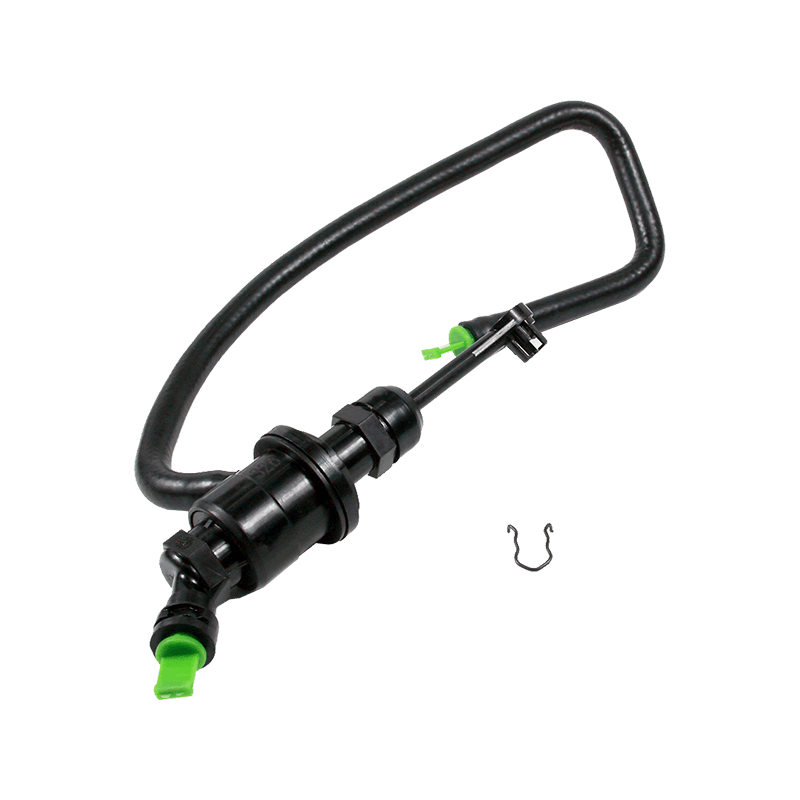
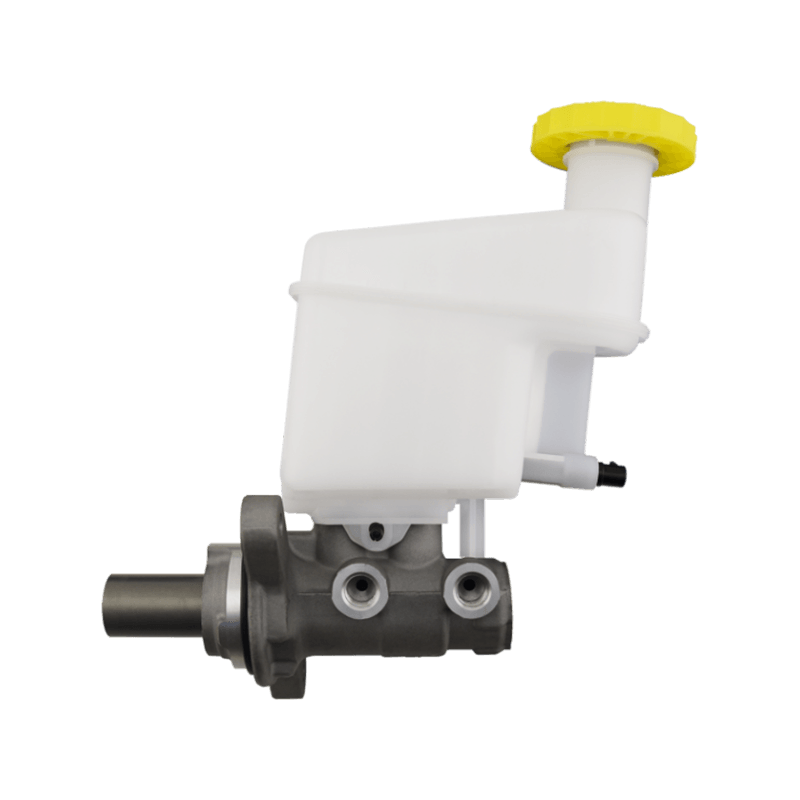
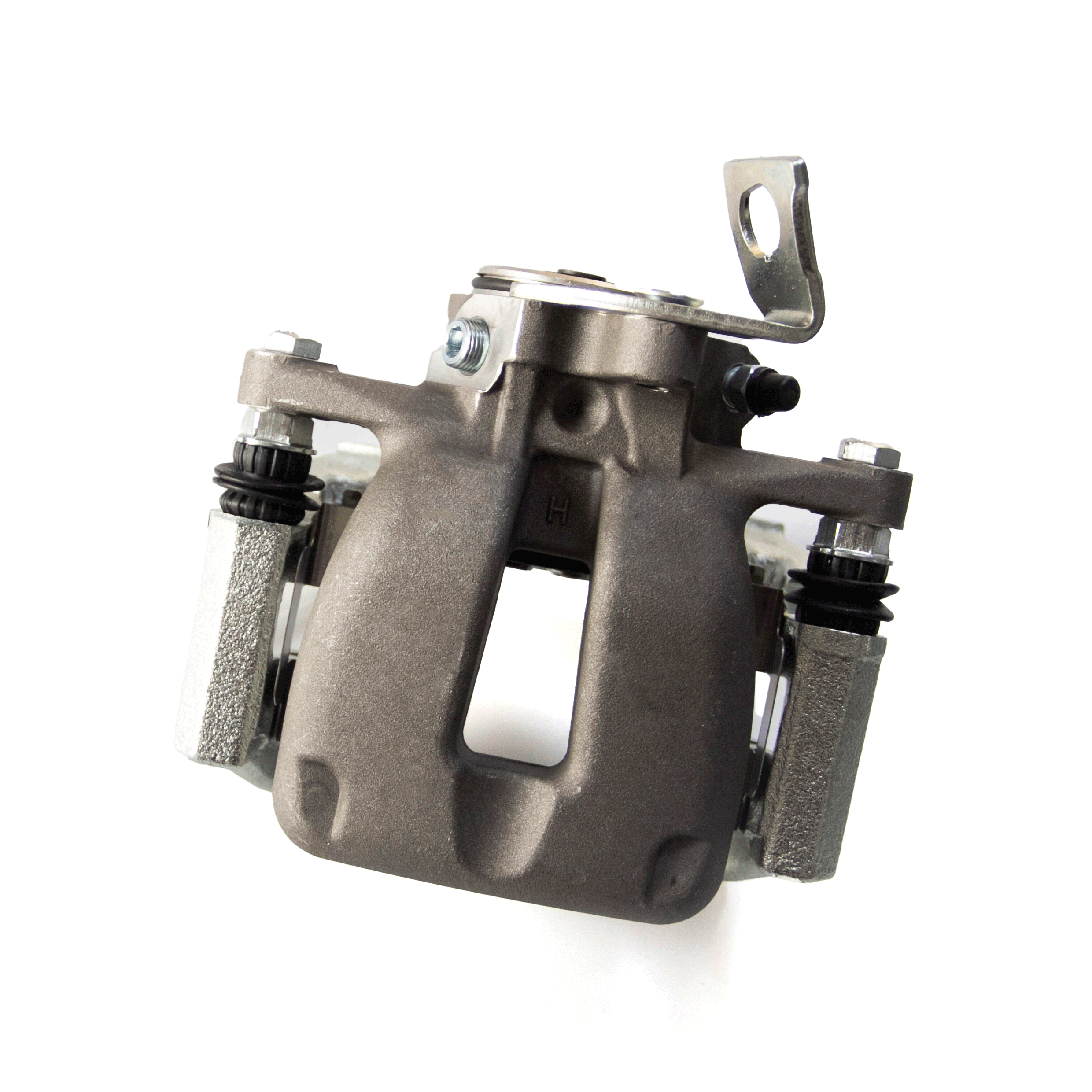
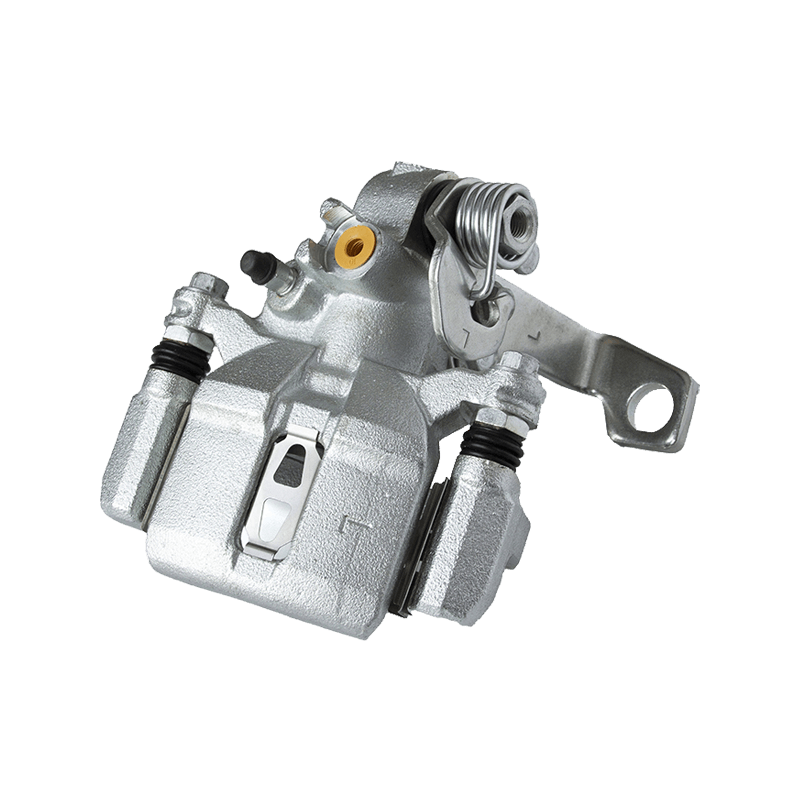
Yancheng Yanitiger Auto Parts Co., Limited supplies a wide catalog of brake and clutch hardware built around the components described above, including brake master cylinders, brake wheel cylinders, clutch cylinders, calipers, and automotive brake pads for a broad range of vehicle platforms. A selection of current listings is shown below.
-
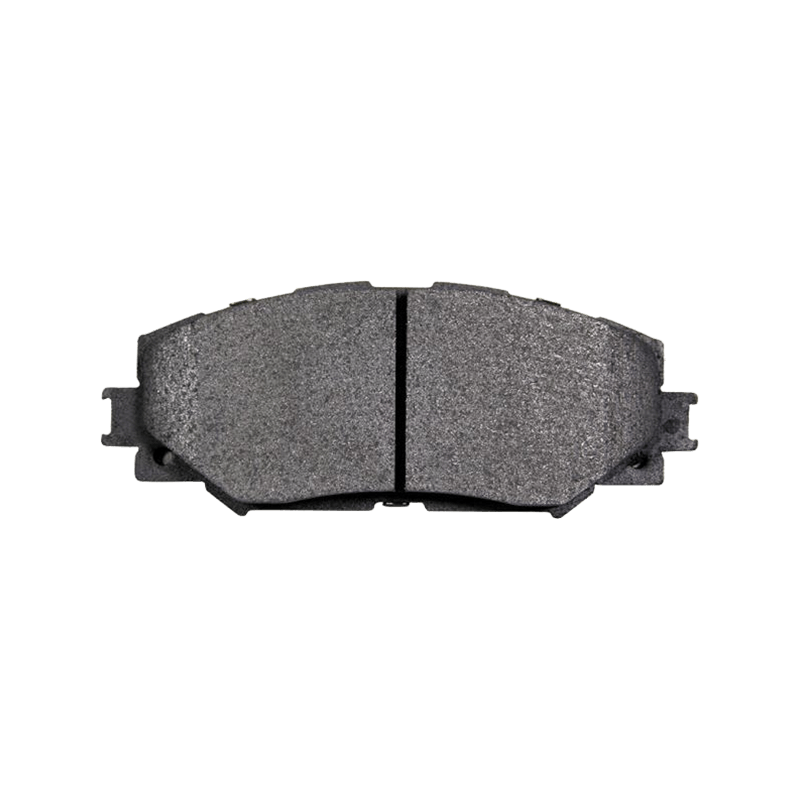
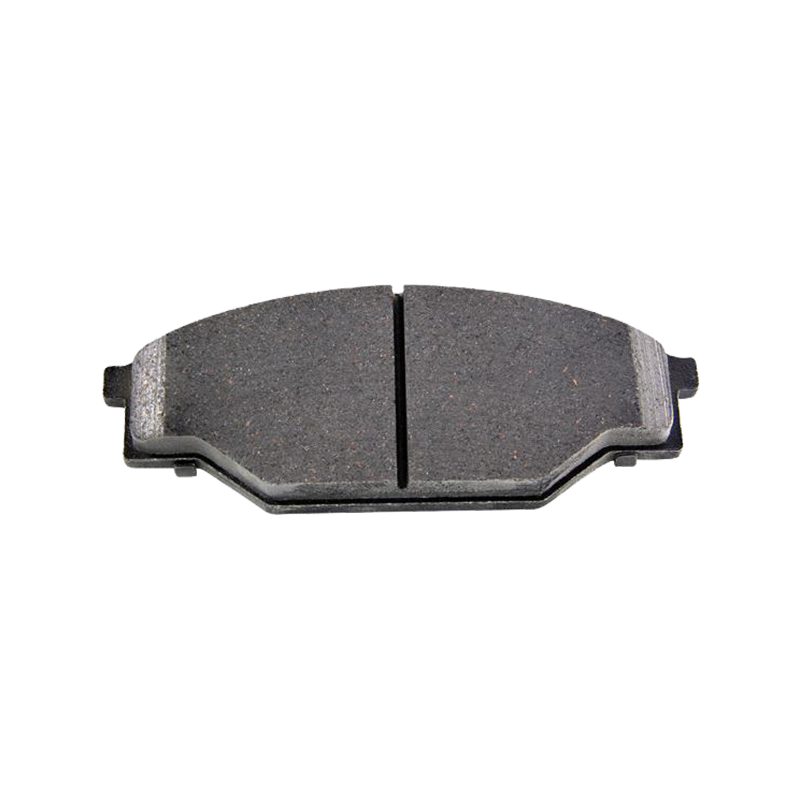 Semi-Metallic Brake Pads D303-7205
 -
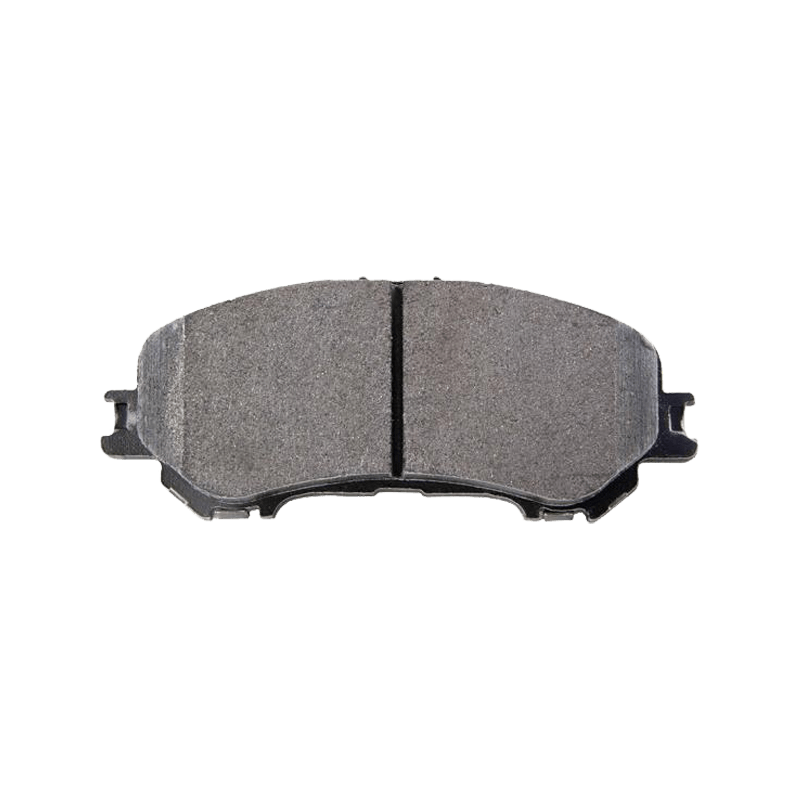 Ceramic Brake Pads D1737-8449
 -
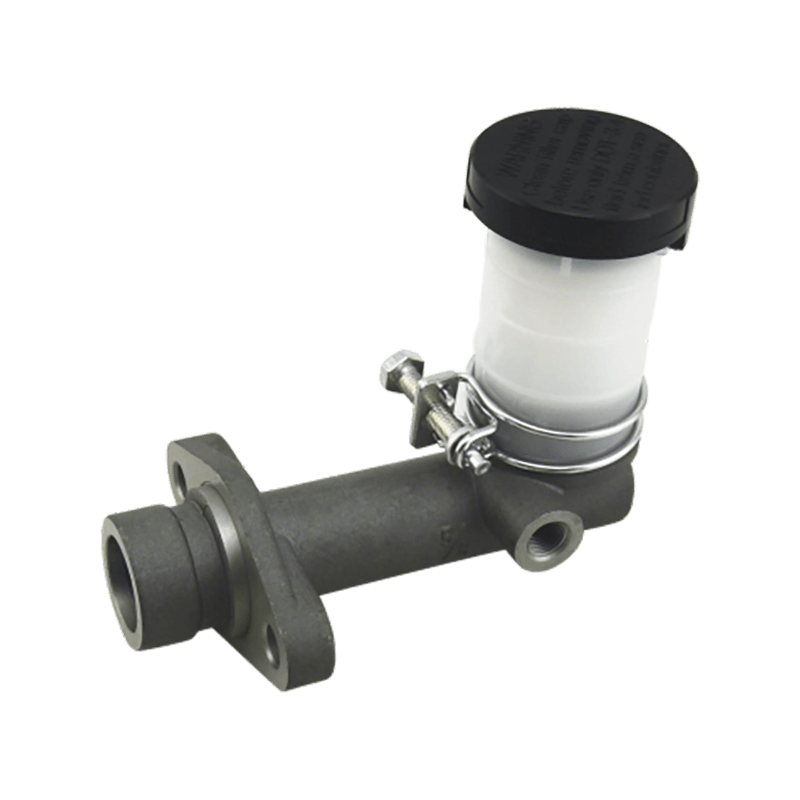
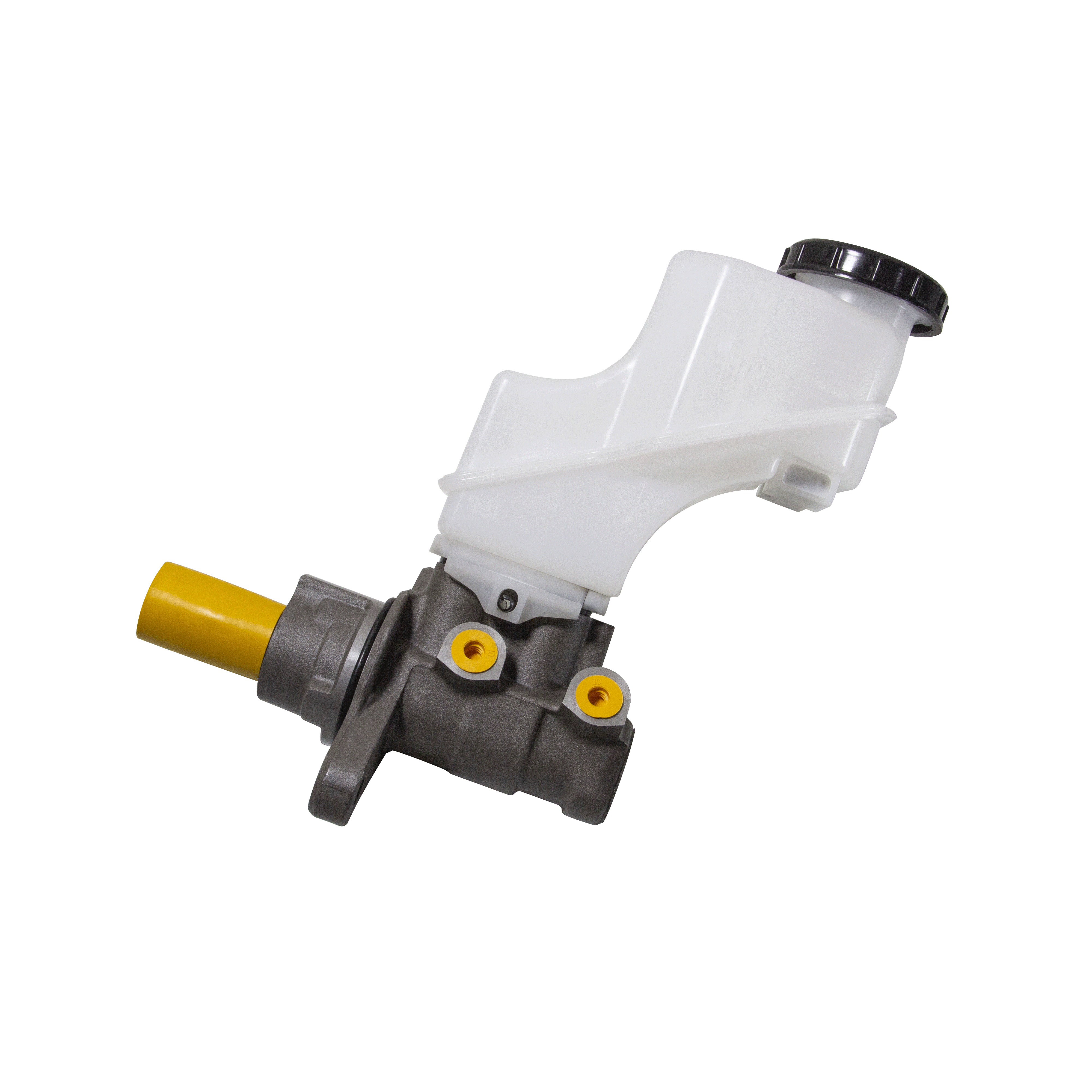
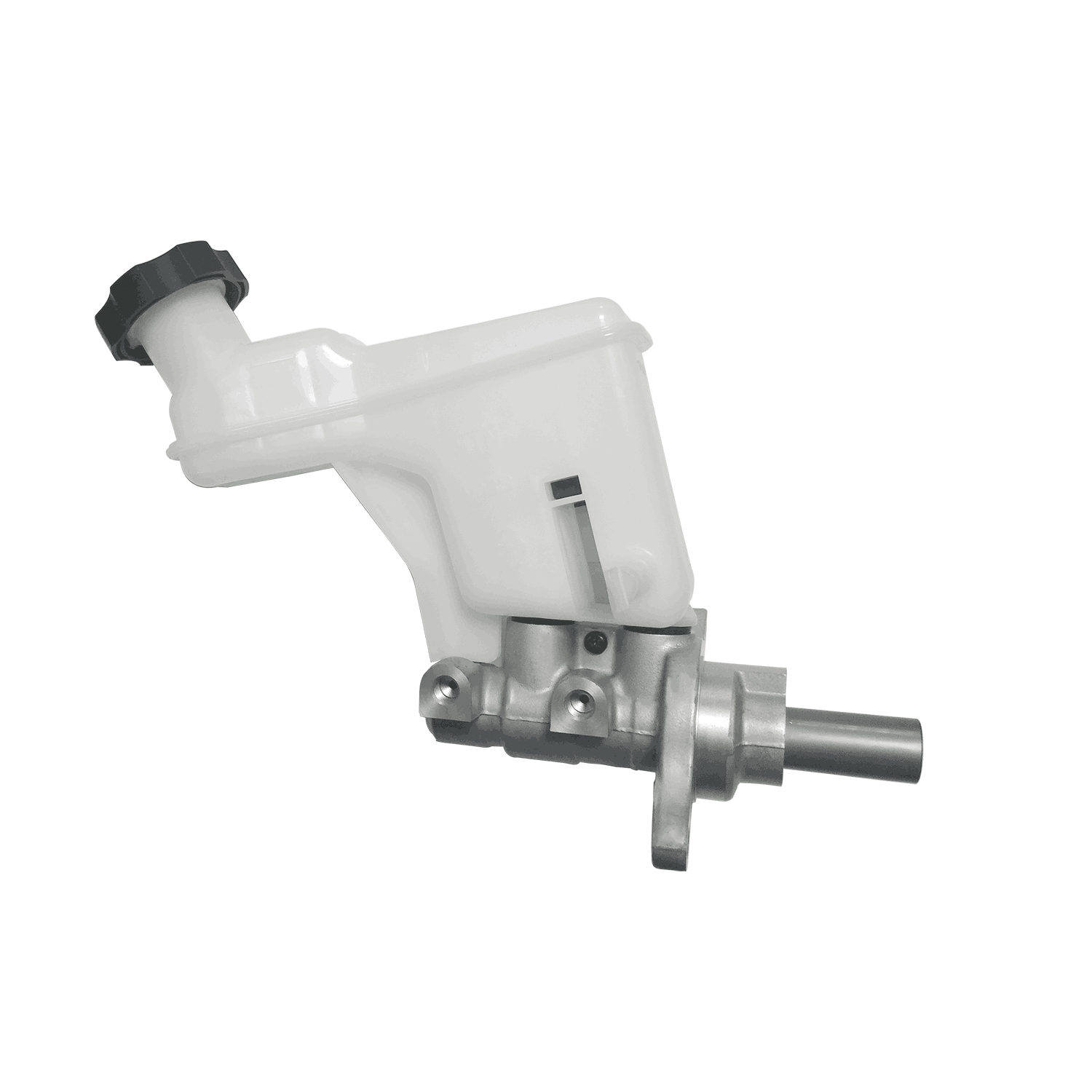 Brake Master Cylinder 58510-2S101
 -
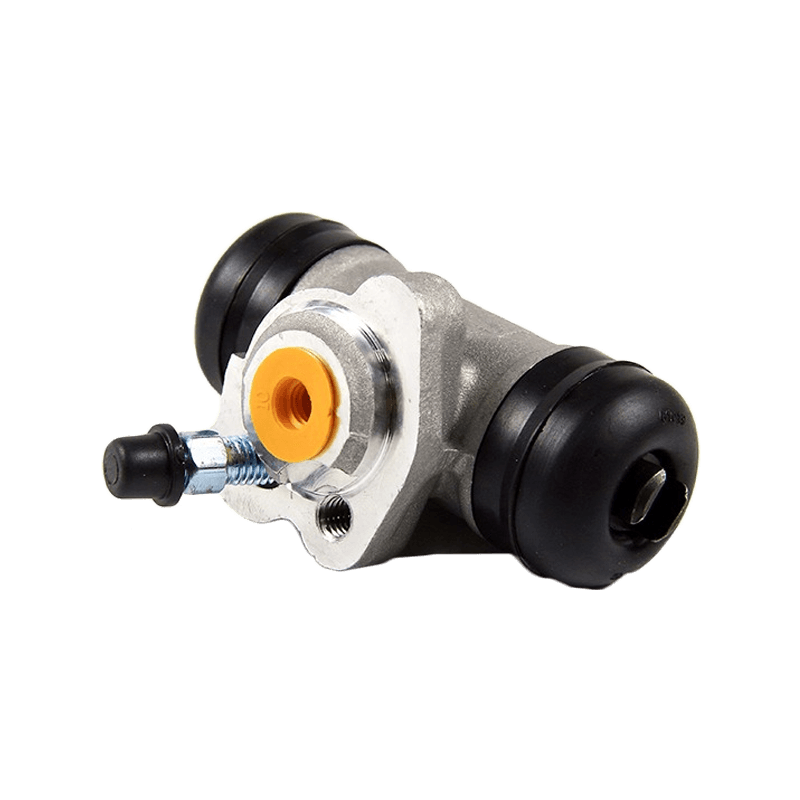 Brake Wheel Cylinder 47550-52010
 -
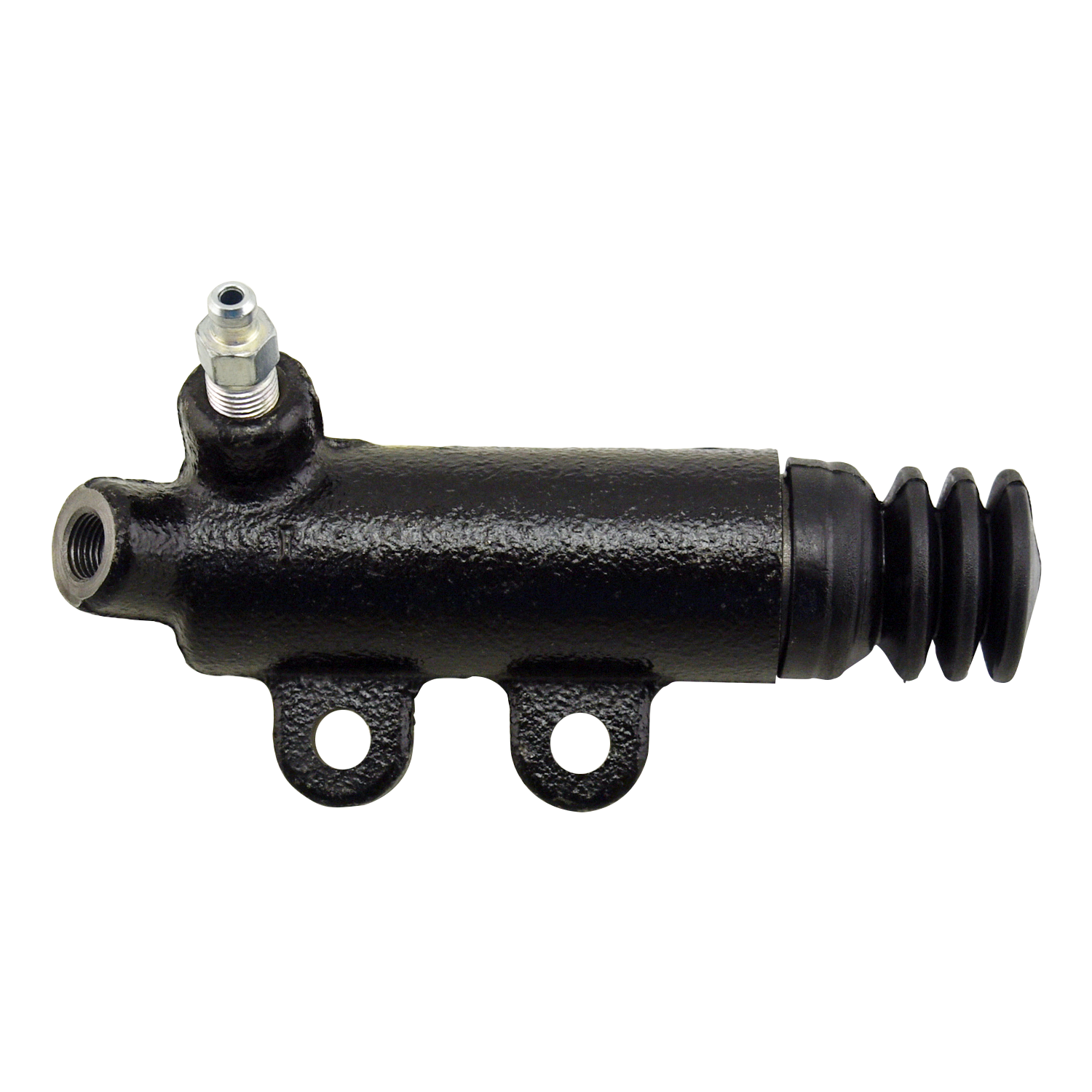 Clutch Slave Cylinder 31470-60270
 -
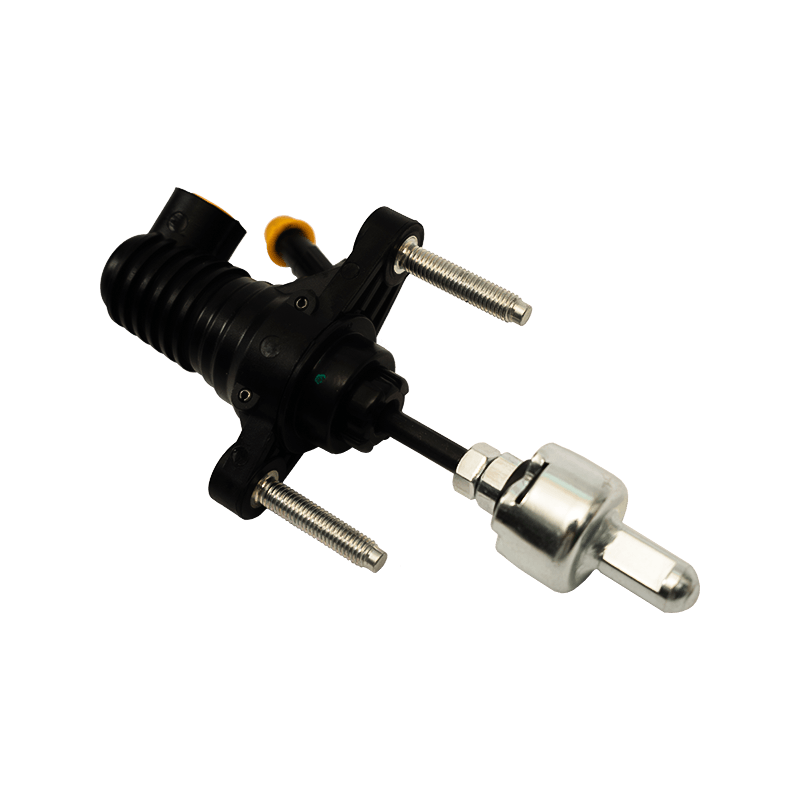
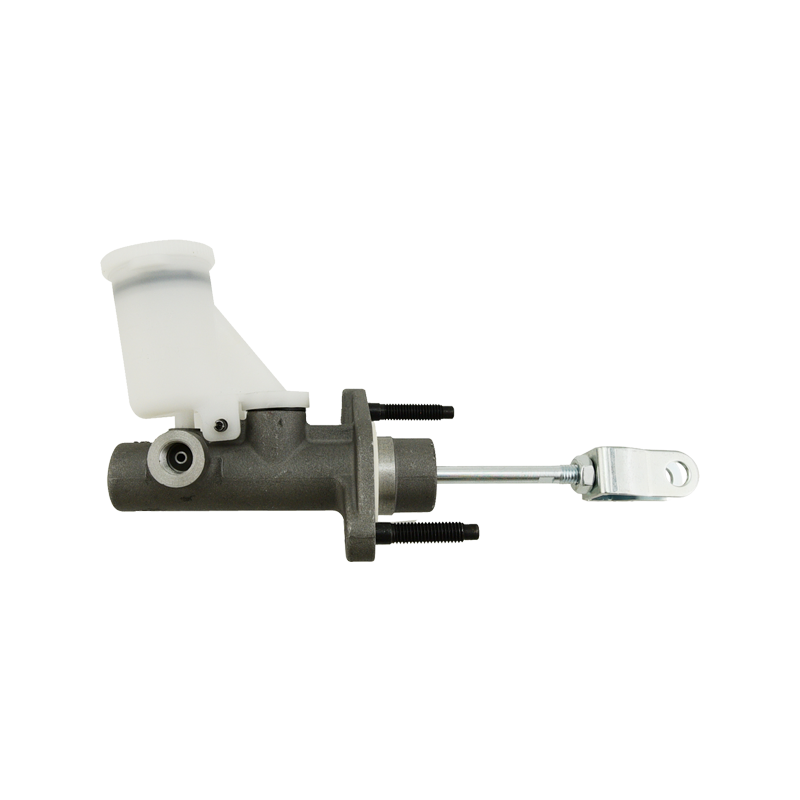
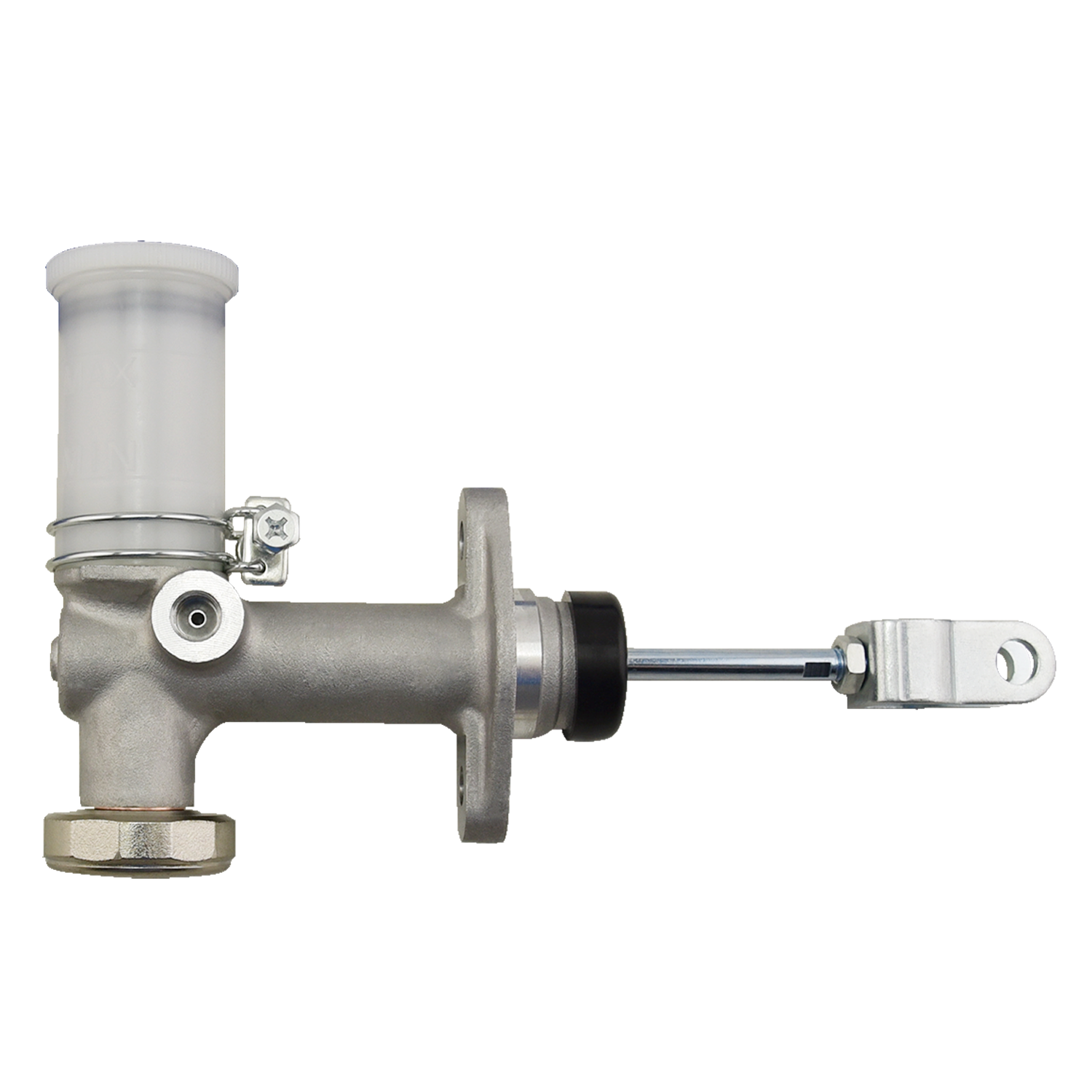 Clutch Master Cylinder MR267829
View the full catalog on the AUTOMOBILE BRAKE PRODUCTS page, including the complete brake pad category.
About Yancheng Yanitiger Auto Parts Co., Limited
Yancheng Yanitiger Auto Parts Co., Limited is a China based automobile brake products supplier and wholesale automobile brake products company, specializing in brake products manufacturing. Main product lines include the brake master cylinder, brake slave cylinder, clutch master cylinder, clutch slave cylinder, calipers, and brake pads. Through professional and normative operation, the company has developed more than 3,000 models of products, offering customers competitive pricing structures alongside efficient service.
The company maintains more than 1,000 brake shoe and brake pad references covering European, American, Russian, Japanese, and Korean vehicle platforms. Associated factories form an experienced manufacturing team exporting auto part products to customers worldwide. Products carry ISO9001 and TS16949 certification, and the company has built relationships with customers across more than 30 countries.
Frequently Asked Questions About Car Brake Parts
-
Q1. How long do brake pads last?
Service life depends on driving style, vehicle weight, and pad material, but many pads last somewhere in a broad range measured in tens of thousands of kilometers before reaching the replacement threshold.
-
Q2. How often should brake pads be replaced?
Pads are generally replaced once the friction material approaches roughly 3 millimeters in thickness, which is why periodic thickness checks are more reliable than a fixed calendar interval.
-
Q3. What are the signs of worn brake pads?
Common signs include a squealing noise from the wear indicator, a longer stopping distance, visible thin friction material, or a grinding sound if the pad has worn through completely.
-
Q4. How do I know if my brake pads need replacing?
A visual thickness check through the wheel spokes, or a measurement taken during routine service, is the most direct way to confirm remaining pad life.
-
Q5. Why are my brake pads squeaking?
Squeaking is frequently caused by a metal wear indicator tab contacting the rotor once the friction material has worn down close to its replacement point.
-
Q6. Why do new brake pads squeak?
New pads can squeak briefly during the bedding-in period, or if a thin coating of anti-squeal compound was not applied to the backing plate during installation.
-
Q7. Are ceramic brake pads better than semi-metallic pads?
Neither type is universally better, ceramic pads tend to run quieter with lighter colored dust, while semi-metallic pads tend to handle higher heat loads, so the right choice depends on the vehicle and driving conditions.
-
Q8. What does a brake caliper do?
The caliper houses the pistons that squeeze the brake pads against the rotor, converting hydraulic pressure from the master cylinder into physical clamping force.
-
Q9. How long do brake calipers last?
Calipers are built to last for an extended portion of a vehicle's service life, though the internal seals and dust boots can wear or degrade over time and may need attention sooner than the caliper body itself.
-
Q10. What are the symptoms of a bad brake caliper?
Typical symptoms include the vehicle pulling to one side under braking, uneven pad wear, a dragging sensation, or visible fluid seepage around the caliper body.
-
Q11. What is the difference between fixed and floating calipers?
A fixed caliper has pistons on both sides of the rotor and stays stationary, while a floating caliper has pistons on one side only and slides on guide pins so both pads press evenly against the rotor.
-
Q12. What are the main parts of a car brake system?
At a high level, the main parts are the rotor or drum, the pad or shoe, the caliper or wheel cylinder, plus the shared master cylinder, brake lines, and brake fluid that connect the pedal to every wheel.


CONTACT INFOR.
-
 +86-152 5110 1941
-
 Info@yanitiger.com
-
 +86-152 5110 1941
-
 Building 5, Yancheng Financial City, No. 5 Century Avenue, Yancheng City, Jiangsu Province, China
Copyright © Yancheng Yanitiger Auto Parts Co., Limited All Rights Reserved. Custom Automobile Brake Products Factory OEM Automobile Brake Products Manufacturers
