 Search
 Eng
Eng 
 English
 Español
 Português

 Home / Newsroom / Industry News / Hydraulic Braking Explained: Master Cylinders, Wheel Cylinders and Calipers
 Hydraulic Braking Explained: Master Cylinders, Wheel Cylinders and Calipers
 2026.09.26
 Industry News
A brake pedal that sinks halfway to the floor before the vehicle slows down is normally a hydraulic fault, not a friction fault. Pads and rotors can still measure within specification while the hydraulic braking circuit quietly loses its ability to turn pedal force into clamping force. In workshop practice, three causes account for most of these complaints: air trapped in the lines, a seal bypassing internally inside the master cylinder, and fluid escaping past a wheel cylinder cup.
Getting that diagnosis right has commercial weight. A distributor who ships a caliper when the real fault is a leaking wheel cylinder loses a customer, and a technician who fits a new master cylinder without bench-bleeding it creates a comeback. This guide covers how hydraulic braking generates force, where it fails, which fluid specification actually decides performance under heat, and what buyers should verify before ordering OEM-numbered replacement parts.
Content
- 1 How Hydraulic Braking Turns Pedal Force into Clamping Force
- 2 Where Hydraulic Braking Systems Actually Fail
- 3 Brake Fluid: The Specification That Decides Behaviour Under Heat
- 4 Reading the Symptoms in the Right Order
- 5 Sourcing Hydraulic Braking Components for the Aftermarket
- 6 Frequently Asked Questions About Hydraulic Braking
- 6.1 Q1. What is hydraulic braking and how does it work?
- 6.2 Q2. What are the first signs of a failing brake master cylinder?
- 6.3 Q3. What is the difference between DOT 3, DOT 4 and DOT 5.1 brake fluid?
- 6.4 Q4. Why does a brake wheel cylinder start leaking?
- 6.5 Q5. Can I replace a brake caliper without bleeding the whole system?
- 6.6 Q6. How often should brake fluid be changed?
How Hydraulic Braking Turns Pedal Force into Clamping Force
Every hydraulic braking system follows one chain: leg force on the pedal pad, mechanical advantage through the pedal ratio, hydraulic pressure generated inside the master cylinder, and clamping force applied by the caliper or wheel cylinder. Nothing in that chain depends on electronics, which is why an older vehicle with a healthy hydraulic circuit can still out-brake a newer one with a tired master cylinder.
The force chain in numbers
Passenger-car pedal ratios typically fall between 4:1 and 7:1. Take a 6:1 pedal and 100 N of leg force: the pushrod sees about 600 N. With a 22.2 mm master cylinder bore, piston area is roughly 387 mm squared, so line pressure works out to about 1,550 kPa, or 15.5 bar. Delivered to a two-piston caliper with 4,580 mm squared of total piston area, that produces a theoretical clamp force near 7.1 kN. Double the pedal effort and the clamp force doubles with it.
Real systems surrender part of that figure to hose swell, seal deflection and caliper flex. It is the reason braided hoses and stiffer calipers sharpen pedal feel without any change in pad compound, and the reason a soft, bulging hose can feel exactly like trapped air.
Why the front and rear circuits are not equal
Weight transfer means the front axle carries far more grip under braking, so front and rear circuits rarely receive identical pressure. Proportioning valves, load-sensing valves and ABS modulators all exist to stop the rear locking first. When a customer reports a rear-only pull after a hydraulic repair, the proportioning hardware is as likely a suspect as the wheel cylinder that was just replaced.
Where Hydraulic Braking Systems Actually Fail
Failure in a hydraulic braking circuit is predictable rather than random. Four components generate most of the replacement demand in the aftermarket, and each one leaves a distinctive signature that a trained technician can confirm before any part is ordered.
| Component | Typical symptom | Confirming check | Usual outcome |
|---|---|---|---|
| Brake master cylinder | Pedal sinks slowly while held at a stop; no fluid on the ground | Cap the outlets, pressurise the body and watch for internal pressure loss | Replace or reseal; bench-bleed before fitting |
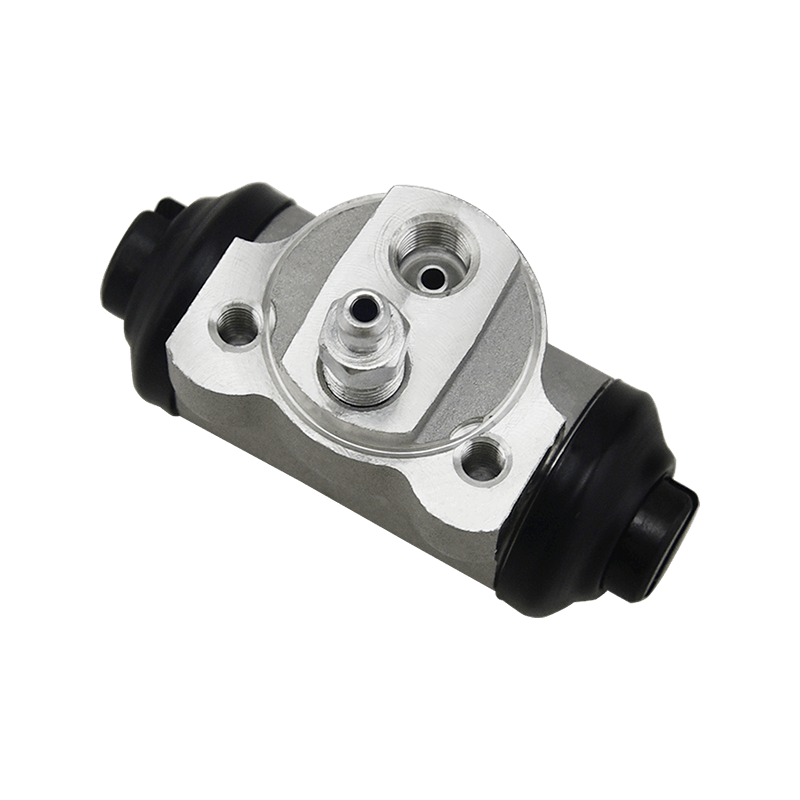
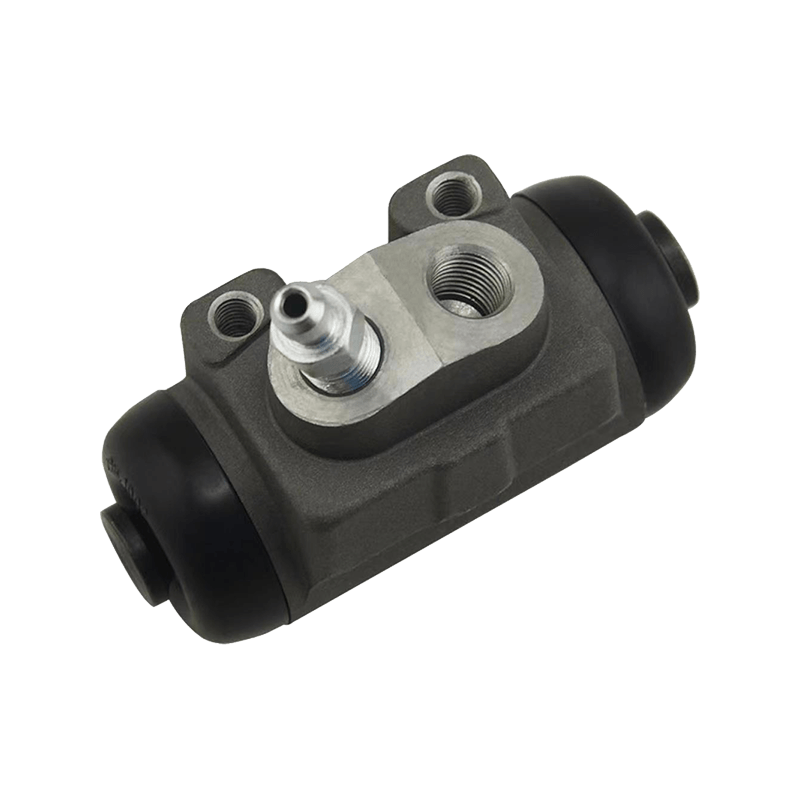
| Brake wheel cylinder | Damp backing plate, fluid loss, uneven braking on one side | Peel back the dust boot and inspect for fluid behind it | Replace the cylinder and the contaminated shoes |
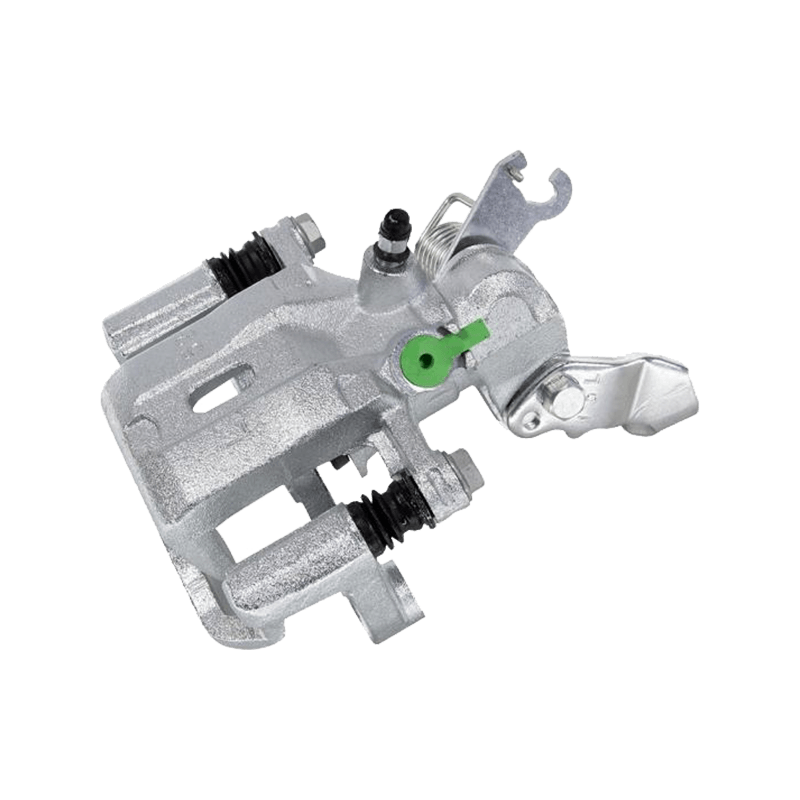
| Brake caliper | Uneven pad wear, dragging, a hot wheel after a short drive | Compare piston retraction and slide-pin movement on both sides of the axle | Replace or rebuild the caliper as a pair |
| Hose or hard line | Spongy pedal that returns after bleeding, bulge under pressure | Pressure test and inspect the full length for corrosion at the fittings | Replace flexible hoses in axle pairs |
Two patterns are worth remembering. A master cylinder that loses pressure internally leaves no fluid on the ground, so the fault is frequently misdiagnosed as air and the system is bled three times without result. A wheel cylinder that leaks externally contaminates the brake shoes, so replacing the cylinder alone produces a pull that comes back within a few hundred kilometres.
Brake Fluid: The Specification That Decides Behaviour Under Heat
Brake fluid is the only part of the hydraulic braking system that degrades with time rather than distance. Glycol-based fluid is hygroscopic and absorbs moisture through hoses and the reservoir wall; industry guidance commonly puts moisture uptake at around one to two percent per year. That water lowers the boiling point, and once fluid boils the vapour is compressible, so the pedal travels to the floor on a long descent.
FMVSS 116 and the SAE J1703 and J1704 standards set minimum dry and wet boiling points. The wet figure is the one that matters after two or three years of service, because it is measured with the fluid already containing moisture.
DOT 5 silicone fluid sits outside this family. It is not glycol-based, it must never be mixed with DOT 3 or DOT 4, and it is generally unsuitable for ABS-equipped vehicles because aeration behaviour and compressibility differ. Where a workshop tops up a silicone system with glycol fluid, the seals usually fail within months.
| Fluid | Base | Dry min. | Wet min. | Practical notes |
|---|---|---|---|---|
| DOT 3 | Glycol | 205 C | 140 C | Common on older Asian and American platforms |
| DOT 4 | Glycol with borate ester | 230 C | 155 C | Standard specification for most European platforms |
| DOT 5.1 | Glycol | 260 C | 180 C | Highest glycol performance; ABS compatible |
| DOT 5 | Silicone | 260 C | 180 C | Never mix with glycol fluid; generally avoid in ABS systems |
In practice, match the fluid to the platform rather than to the price list. A two-year flush interval is the norm for glycol fluid, and a system that has never been flushed will boil long before its pads wear out.
Reading the Symptoms in the Right Order
Diagnosis should follow the cheapest checks first. A technician who works through the sequence below will resolve most hydraulic braking complaints without guessing at parts.
- Confirm the complaint under load. With the engine running, hold steady pressure on the pedal for thirty seconds. A pedal that keeps sinking points to an internal leak; a pedal that feels spongy but holds points to air.
- Check fluid level and colour. A low, dark reservoir suggests a slow external leak. A level that never drops alongside a sinking pedal suggests an internal bypass.
- Inspect every wheel. Peel back the dust boots on wheel cylinders and caliper pistons, and look for dampness at hoses, banjo fittings and hard-line unions.
- Pressure test the master cylinder. Cap the outlets, apply pressure and watch for loss. This remains the only reliable way to separate an internal bypass from trapped air.
- Bleed in the correct sequence, normally starting at the wheel farthest from the master cylinder, and always bench-bleed a new master cylinder before installation.
- Road test at low speed before releasing the vehicle, then re-check pedal height after the first heat cycle.
For background on the component at the centre of the circuit, this explanation of what a hydraulic brake master cylinder does covers the bore, port and seal layout in detail.
Sourcing Hydraulic Braking Components for the Aftermarket
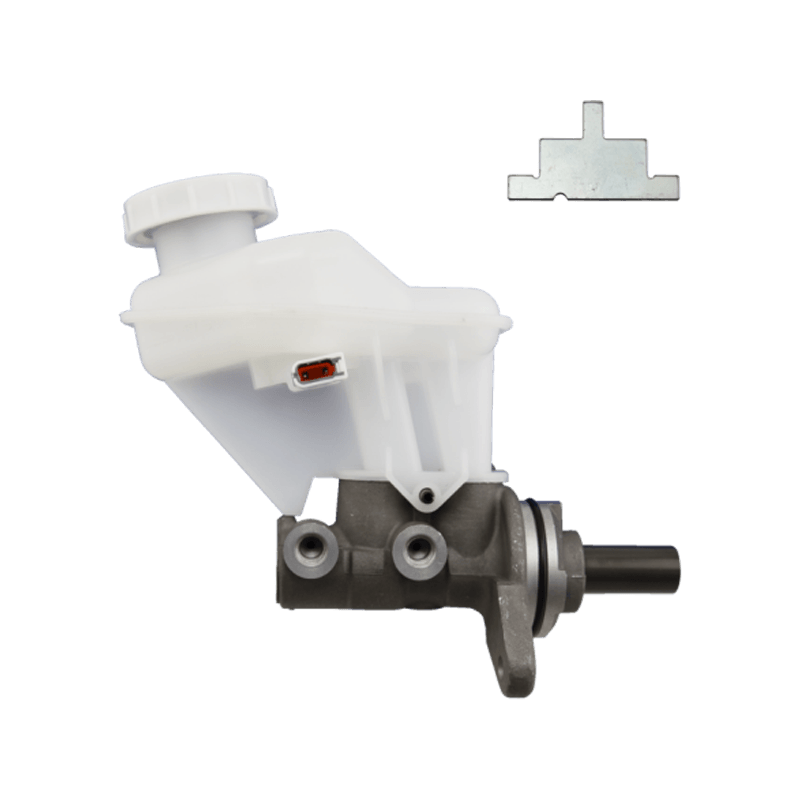
For distributors and repair chains, the buying decision usually comes down to identification and consistency rather than brand preference. An OEM number is the only dependable key, because the same physical master cylinder can appear under several platform numbers, and a part that fits a Chevrolet may also carry a Cadillac listing.
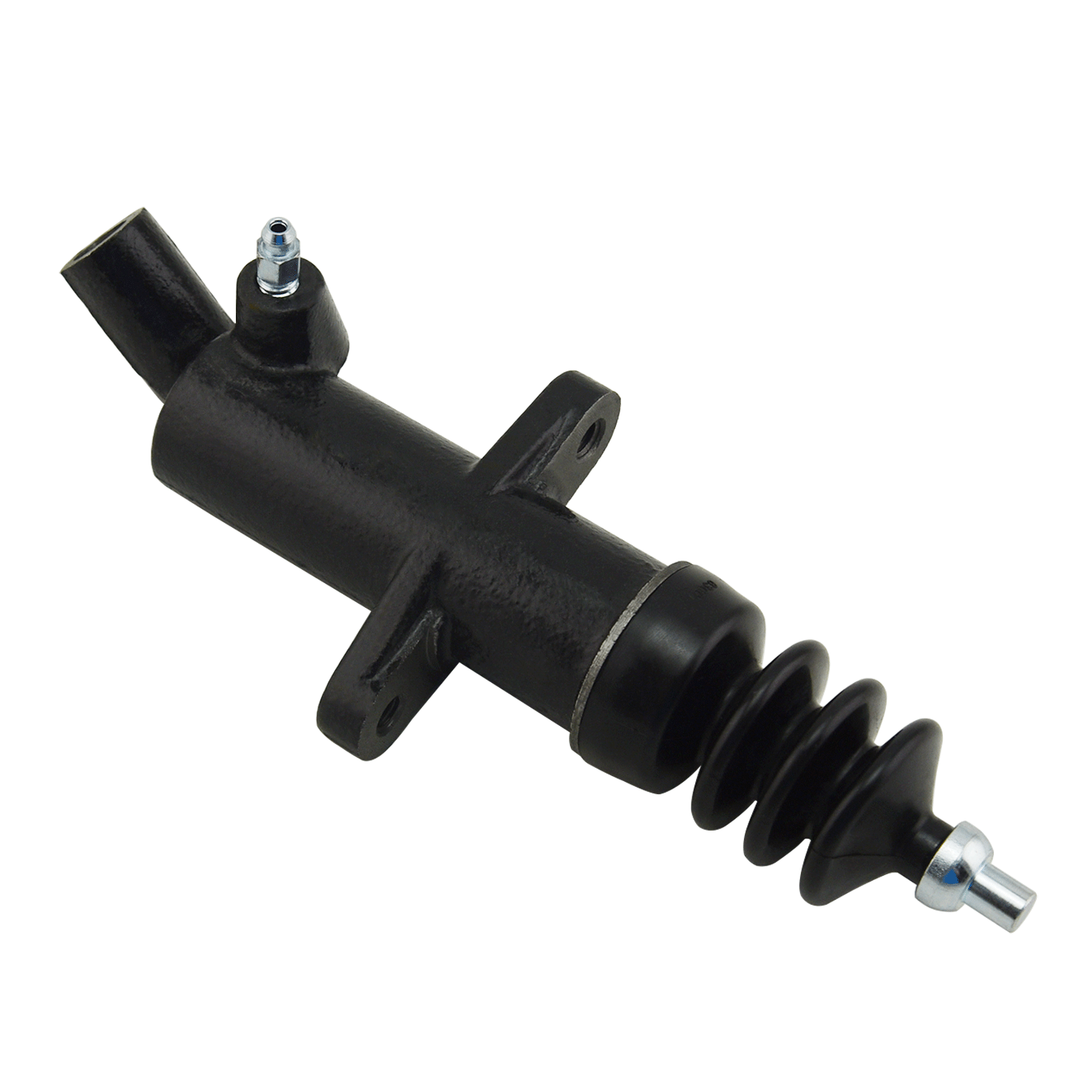
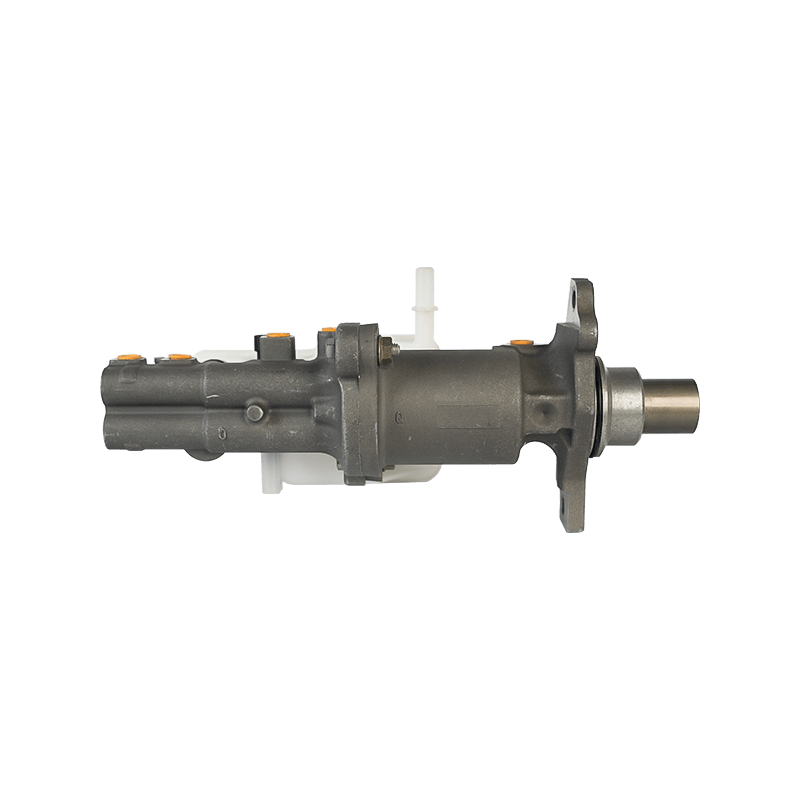 20759706 Brake Master Cylinder for Chevrolet Cadillac2009-2012 Chevrolet SilveradoView Product →
Bore diameter and stroke matter more than the mounting flange. A cylinder that bolts up but carries the wrong bore will change pedal travel and front-to-rear balance in ways the driver feels immediately. Seal compound is the second trap: glycol fluid requires EPDM seals, and any mineral-oil elastomer in a glycol circuit will swell and fail.
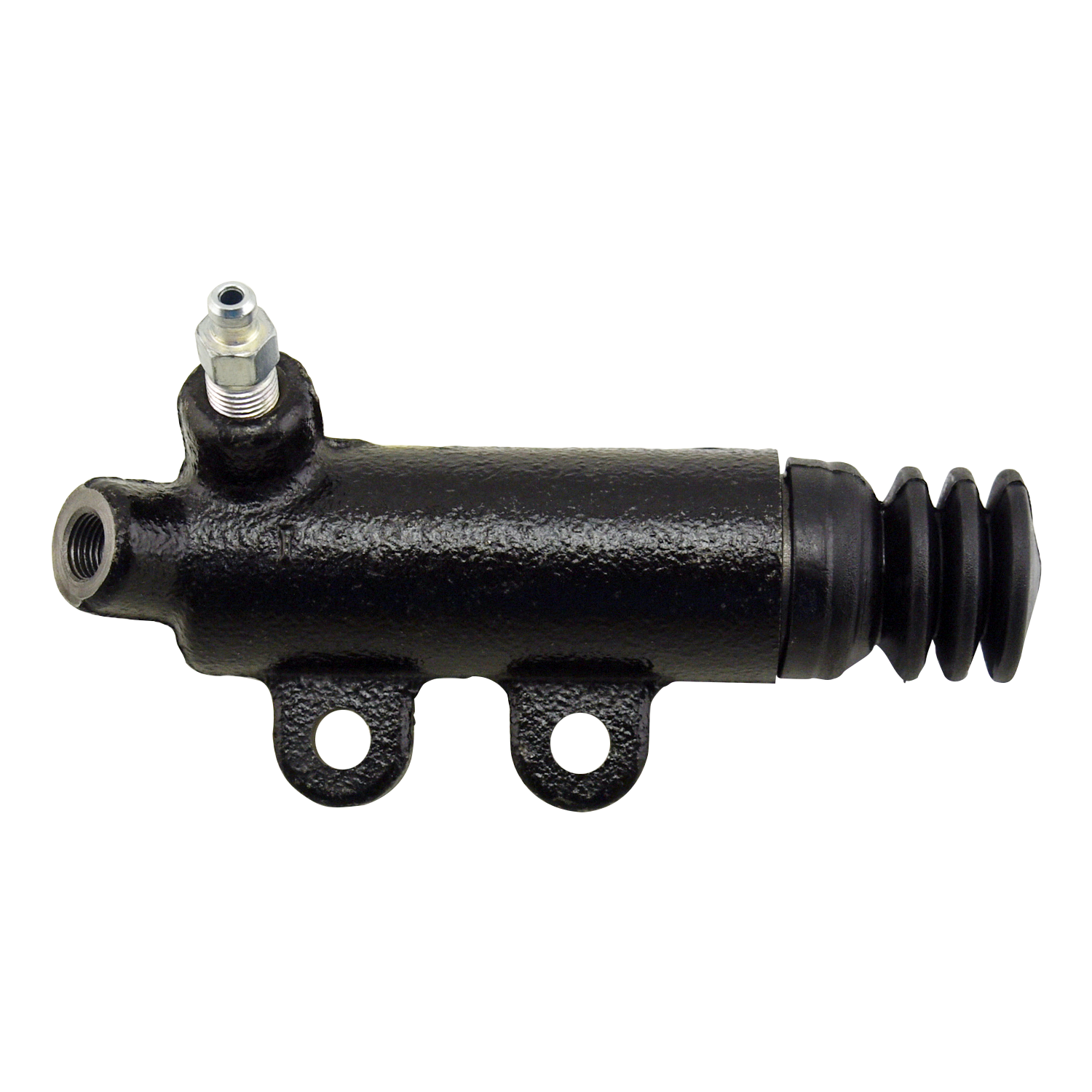
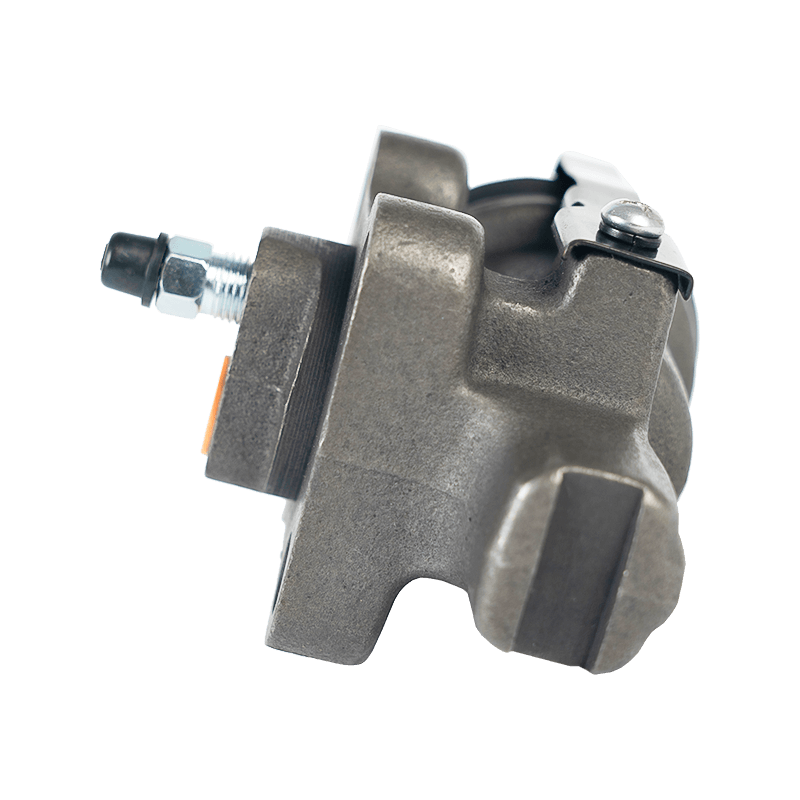 47510-36170 Brake Wheel Cylinder for ToyotaRecommended ProductsView Product →
Platform coverage is the third consideration. YaniTiger lists hydraulic brake system parts by OEM number across master cylinders, wheel cylinders, calipers and clutch hydraulics, covering European, American, Japanese and Korean vehicles. For a buyer working from a workshop estimate, that breadth reduces the number of suppliers needed on a single purchase order.
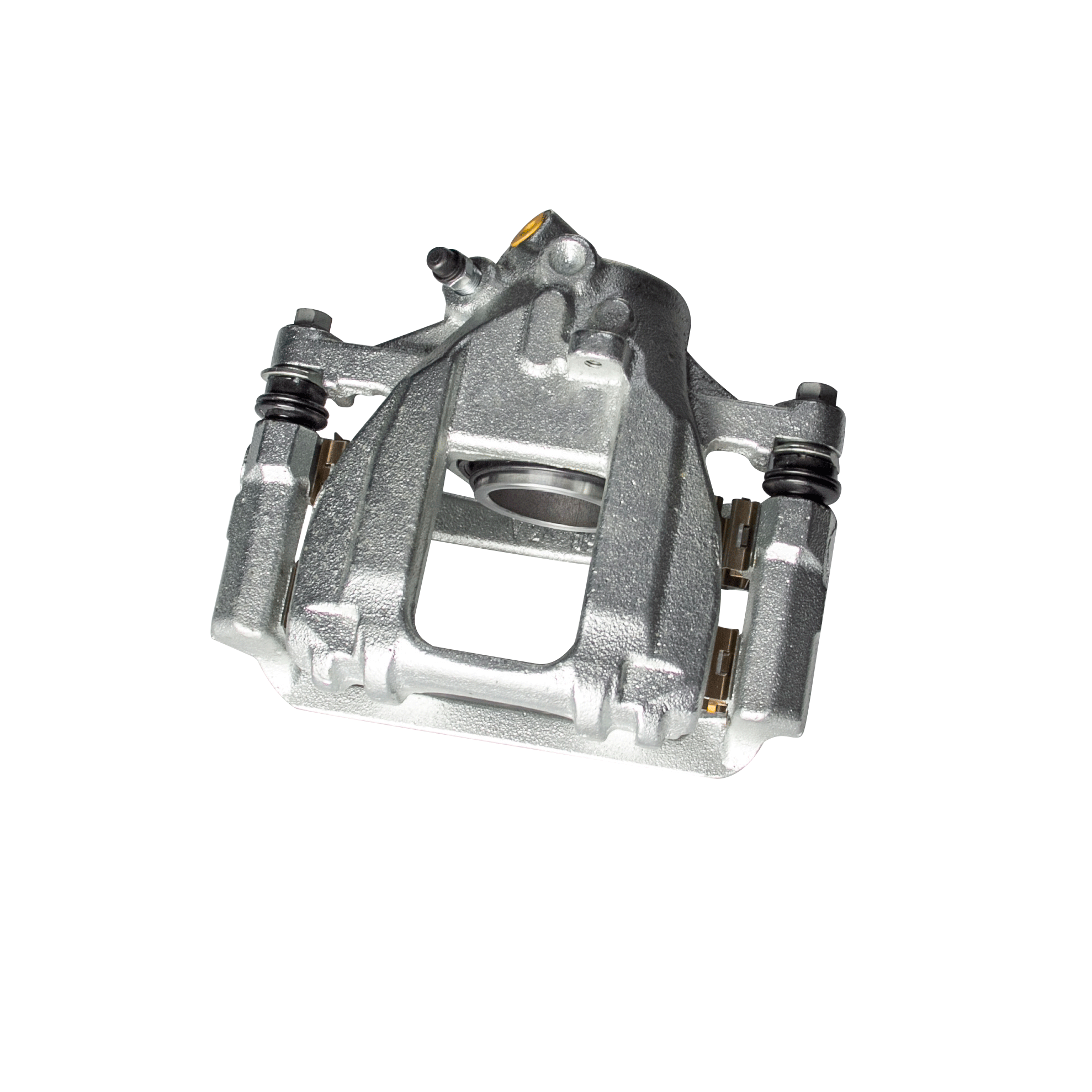
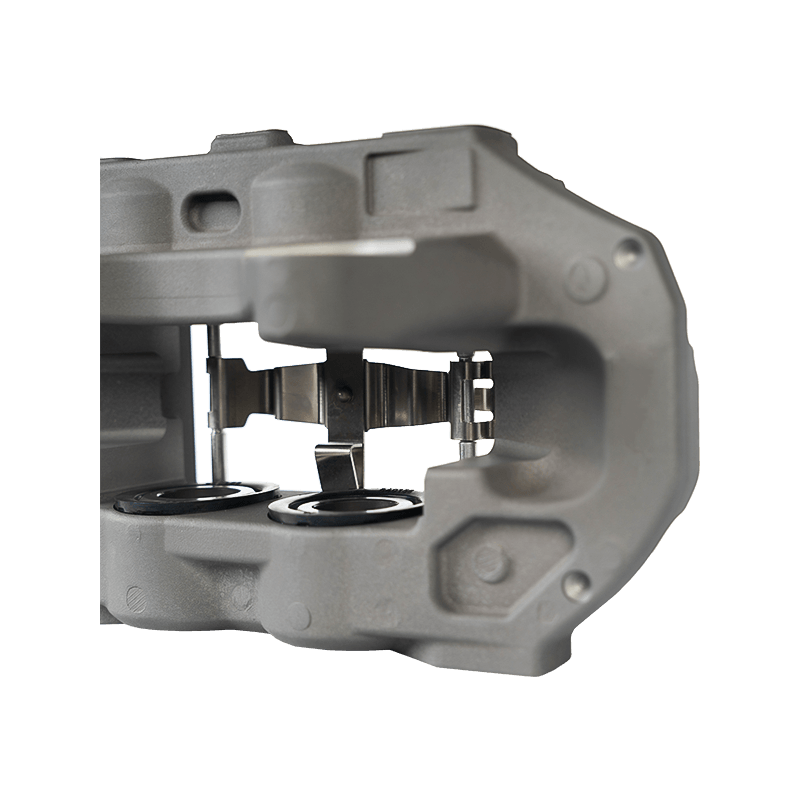 104462100 Brake Caliper for TESLARecommended ProductsView Product →
Finally, ask for documentation. ISO 9001 and IATF 16949 certification remains the baseline for OE-adjacent supply, and published pressure and leak test reports make supplier qualification faster. YaniTiger, for example, publishes its brake component test reports 250799-01, 250799-02 and 250799-03 dated 22 October 2025, which buyers can review when assessing a new source.
Frequently Asked Questions About Hydraulic Braking
Q1. What is hydraulic braking and how does it work?
Hydraulic braking uses brake fluid to carry pedal force to the calipers and wheel cylinders. Because fluid is effectively incompressible, pressure created at the master cylinder reaches every wheel almost instantly.
Q2. What are the first signs of a failing brake master cylinder?
A pedal that slowly sinks while held at a stop, a low fluid level with no leak at the wheels, and a spongy feel that returns after bleeding are the classic warning signs.
Q3. What is the difference between DOT 3, DOT 4 and DOT 5.1 brake fluid?
All three are glycol based. DOT 4 and DOT 5.1 carry higher minimum dry and wet boiling points, which matters more on heavy or performance vehicles. DOT 5 is silicone and must not be mixed.
Q4. Why does a brake wheel cylinder start leaking?
Heat, aged rubber cups and contaminated fluid cause the piston seals to lose their grip. Fluid then escapes past the dust boot onto the brake shoes, producing a pull to one side.
Q5. Can I replace a brake caliper without bleeding the whole system?
No. Air enters as soon as the line is opened, so at minimum that wheel must be bled. Many workshops take the opportunity to flush the entire circuit at the same time.
Q6. How often should brake fluid be changed?
Most manufacturers specify every two years regardless of mileage, because glycol fluid absorbs moisture over time. A moisture meter reading is a practical check before a scheduled flush.

CONTACT INFOR.
-
 +86-152 5110 1941
-
 Info@yanitiger.com
-
 +86-152 5110 1941
-
 Building 5, Yancheng Financial City, No. 5 Century Avenue, Yancheng City, Jiangsu Province, China
Copyright © Yancheng Yanitiger Auto Parts Co., Limited All Rights Reserved. Custom Automobile Brake Products Factory OEM Automobile Brake Products Manufacturers
