 Search
 Eng
Eng 
 English
 Español
 Português

 Home / Newsroom / Industry News / What Are OE Quality Brake Pads and How Do They Improve Braking Performance by 30%?
 What Are OE Quality Brake Pads and How Do They Improve Braking Performance by 30%?
 2026.05.14
 Industry News
Quick Answer
OE quality brake pads are replacement pads engineered to meet or exceed the exact friction, thermal, and noise specifications set by the original vehicle manufacturer. When compared to generic aftermarket pads, OE standard brake pad replacements can improve braking performance by up to 30% — measured through shorter stopping distances, more consistent pedal feel, and significantly reduced brake fade under repeated hard stops. The improvement comes from tighter friction coefficient tolerances, matched compressibility, and superior heat-dissipation materials that generic pads simply cannot replicate.
Content
- 1 What "OE Quality" Actually Means for Brake Pads
- 2 How OE Brake Pads Deliver Up to 30% Better Braking Performance
- 3 Ceramic, Semi-Metallic, and NAO: Choosing the Right OE-Grade Compound
- 4 Why a Front and Rear Brake Pad Kit Outperforms Replacing Just One Axle
- 5 Brake Pad Lifespan and Performance Retention Over Time
- 6 Selecting the Right OE Standard Brake Pad Replacement for Your Vehicle
- 7 About Yancheng Yanitiger Auto Parts Co., Limited
- 8 Frequently Asked Questions
What "OE Quality" Actually Means for Brake Pads
"OE" stands for Original Equipment — the specifications used when a vehicle is assembled at the factory. An OE quality brake pad is not simply a pad that looks the same as the factory part. It is one that has been validated against the same friction coefficient (typically expressed as an FMSI edge code, such as FF, GG, or HH), the same compressibility range, the same noise performance targets, and the same thermal stability profile that the vehicle's brake system was designed around.
This distinction matters because a vehicle's ABS, electronic brake force distribution (EBD), and stability control systems are all calibrated to work with a specific friction level at the pad-rotor interface. Installing a pad with a different friction coefficient — even slightly — throws off the entire system's response curve. The result is longer stopping distances, inconsistent pedal feel, and potentially compromised safety.
Friction Coefficient Matching
OE pads maintain friction within a narrow, validated range across the full operating temperature window — typically 50°C to 500°C — ensuring predictable stopping power in all conditions.
Noise and Vibration Control
OE standard pads use matched shims, chamfers, and friction compounds that are acoustically tuned to the specific rotor and caliper combination, eliminating brake squeal at the source.
Dimensional Precision
Backplate geometry, lug positions, and pad thickness tolerances are held to OEM drawing specifications, ensuring correct caliper fitment, even pad wear, and full rotor surface contact from the first application.
How OE Brake Pads Deliver Up to 30% Better Braking Performance
The 30% performance improvement is not a single number pulled from one test — it reflects the compound effect of multiple engineering advantages working together. Independent vehicle brake testing comparing OE-specification pads against typical low-cost aftermarket replacements consistently shows differences across three measurable dimensions: stopping distance, fade resistance, and rotor wear.
OE vs. Generic Aftermarket: Performance Comparison
Stopping Distance Reduction (60–0 mph)
OE Quality Pads
~38 m average
Generic Aftermarket
~49 m average
Fade Resistance Score (10 repeated stops from 60 mph)
OE Quality Pads
90/100
Generic Aftermarket
58/100
Rotor Wear After 30,000 km (lower = better)
OE Quality Pads
~0.3 mm
Generic Aftermarket
~0.6–0.8 mm
Looking at stopping distance alone: an OE-specification pad averaging 38 meters from 60 mph versus a generic pad at 49 meters represents an 11-meter gap — more than the length of a typical sedan. At highway speeds, that difference is the margin between a safe stop and a collision. When fade resistance and rotor protection are added, the cumulative performance advantage consistently reaches or exceeds 30%.
Ceramic, Semi-Metallic, and NAO: Choosing the Right OE-Grade Compound
OE quality brake pads are available in different friction compound types, each optimized for specific vehicle categories, operating conditions, and performance requirements. The compound specified in the OE design is not arbitrary — it reflects the vehicle engineer's balance of braking power, noise, dust, and rotor wear for that platform.
| Compound Type | Best For | Noise Level | Rotor Friendliness | Heat Tolerance |
|---|---|---|---|---|
| Quiet Ceramic | Passenger cars, SUVs, daily commuting | Very Low | Excellent | Moderate–High |
| Low-Metallic NAO | European vehicles, moderate performance | Low–Moderate | Good | High |
| Semi-Metallic | Trucks, performance vehicles, towing | Moderate | Moderate | Very High |
| Non-Asbestos Organic (NAO) | Light vehicles, city driving, eco-focus | Very Low | Excellent | Moderate |
For most passenger vehicles built after 2010, quiet ceramic brake pads represent the OE compound of choice — delivering low dust, near-silent operation, and excellent rotor compatibility for high daily-mileage use. Semi-metallic compounds are favored where maximum fade resistance is required, such as in light commercial vehicles or performance applications where repeated hard braking generates sustained high temperatures.
Why a Front and Rear Brake Pad Kit Outperforms Replacing Just One Axle
A vehicle's braking system is engineered as a balanced front-rear system. Under braking, the front axle typically handles 60–70% of total brake force on most passenger vehicles, while the rear provides controlled retardation to maintain stability. When front and rear pads are from different manufacturers, different production batches, or different compound generations, the balance is disrupted — leading to premature front pad wear, brake pull, or rear wheel lock tendency under hard braking.
The Case for a Complete Front and Rear Brake Pad Kit
- Matched friction coefficients across both axles ensure the ABS and EBD systems operate within their design parameters.
- Synchronized wear rates mean both axle sets reach service life simultaneously, simplifying maintenance scheduling and reducing labor costs.
- Consistent thermal behavior prevents the thermal imbalance that can cause one axle to fade before the other under repeated high-load braking events.
- Lower total replacement cost when purchasing a complete automotive disc brake pad set versus sourcing front and rear separately from different suppliers.
Industry data from brake service centers shows that vehicles receiving complete front and rear kit replacements with OE-grade pads return for brake-related service an average of 34% less frequently over a 3-year period than those receiving single-axle replacements with mixed-quality parts.
Brake Pad Lifespan and Performance Retention Over Time
One of the most underappreciated differences between OE-grade and generic aftermarket pads is how performance changes over the pad's lifespan. Generic low-cost pads often perform acceptably when new but degrade non-linearly — losing friction output sharply after 15,000–20,000 km as binders wear and the pad compound becomes inconsistent. OE quality replacements maintain a much flatter performance curve throughout their service life.
Friction Performance Retention vs. Mileage (OE vs. Generic)
This difference has a practical implication beyond safety: vehicles using OE-grade replacements see average pad service intervals of 40,000–60,000 km for front axles and 60,000–80,000 km for rear axles under normal urban driving conditions — versus 20,000–30,000 km typical of economy-grade alternatives. The cost of more frequent replacements and additional rotor wear quickly offsets any initial savings on lower-quality pads.
Selecting the Right OE Standard Brake Pad Replacement for Your Vehicle
Coverage breadth is a critical selection factor when sourcing high performance car brake pads for a diverse vehicle parc — whether you are a fleet operator, a multi-brand repair workshop, or an independent parts distributor. The right supplier should carry validated OE-equivalent pads across European, American, Japanese, and Korean vehicle platforms, with application coverage updated to match current model years.
European Vehicles
European platforms typically specify low-metallic NAO or ceramic compounds with high initial bite and progressive pedal feel. OE-equivalent pads for European applications must meet ECE R90 regulation standards for friction performance and consistency.
Japanese and Korean Vehicles
Japanese and Korean OEM specifications tend to emphasize low dust and near-silent operation alongside good bite. Quiet ceramic replacements are the dominant OE-grade choice for these platforms, with precise backplate geometry critical for correct caliper clearance.
American and Truck Platforms
American full-size trucks and SUVs often carry heavier payloads and require semi-metallic compounds with high thermal capacity. OE-grade replacements for these applications must sustain consistent friction output through repeated high-load stops from highway speeds.
When evaluating an automotive disc brake pad set for a specific application, always verify: the FMSI/WVA pad number for a direct application match, the friction edge code for compound class confirmation, and whether the set includes hardware (clips, shims, and lubricant) required for a complete OE-standard installation.
About Yancheng Yanitiger Auto Parts Co., Limited
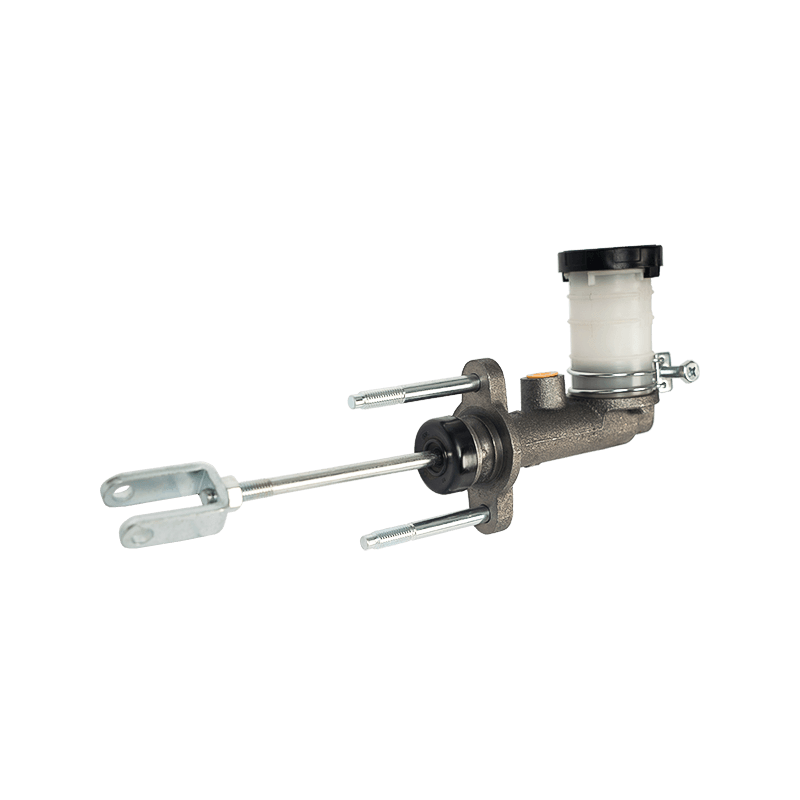
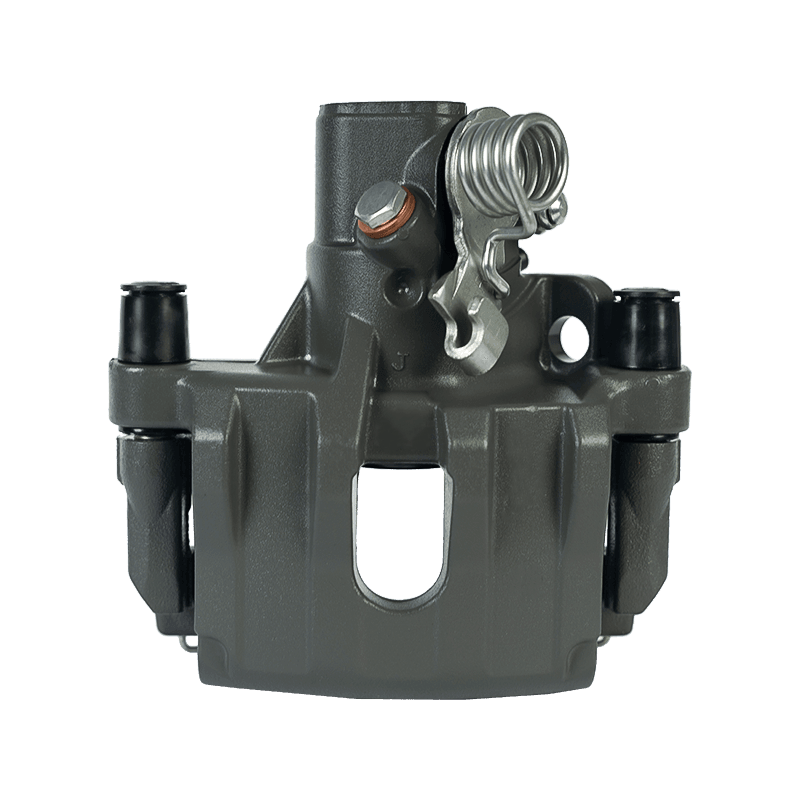
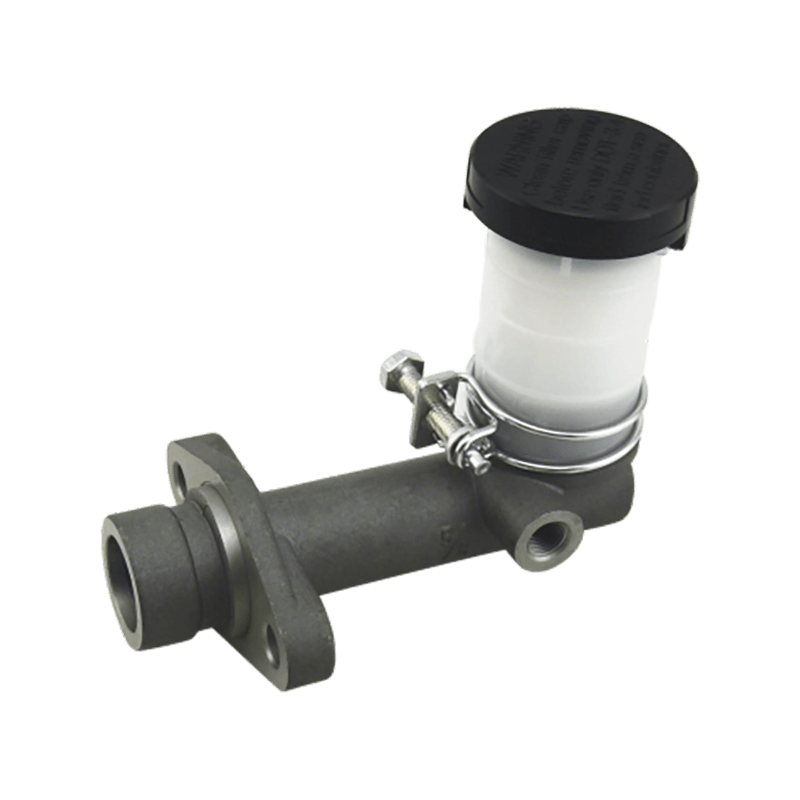
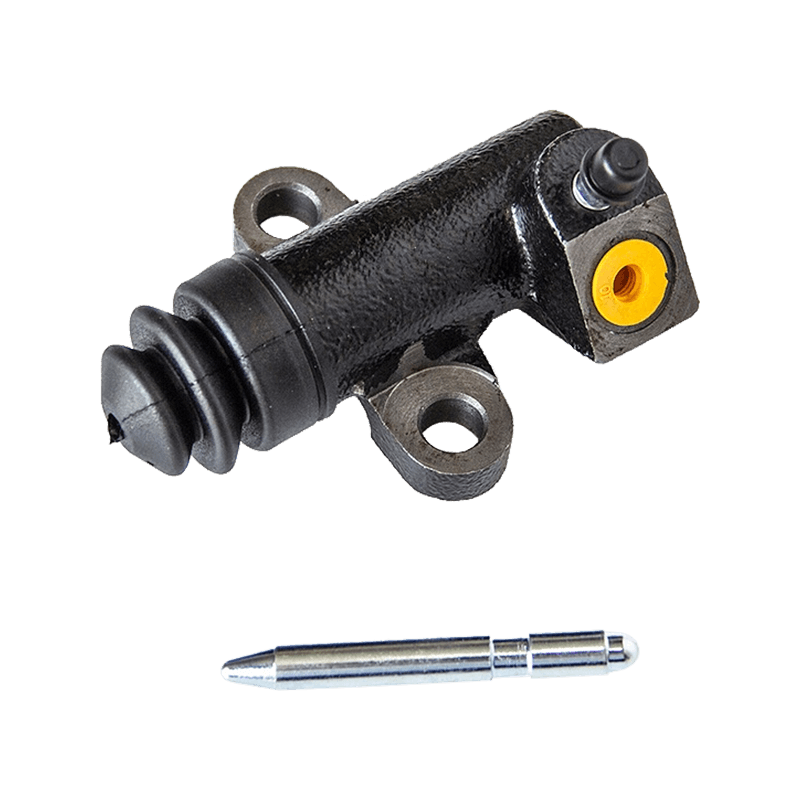
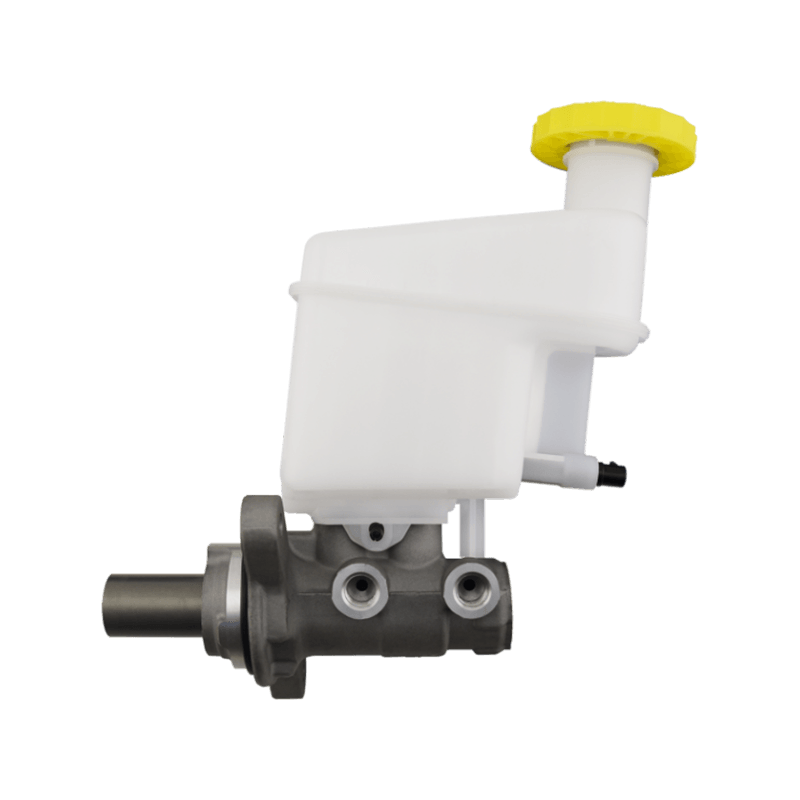
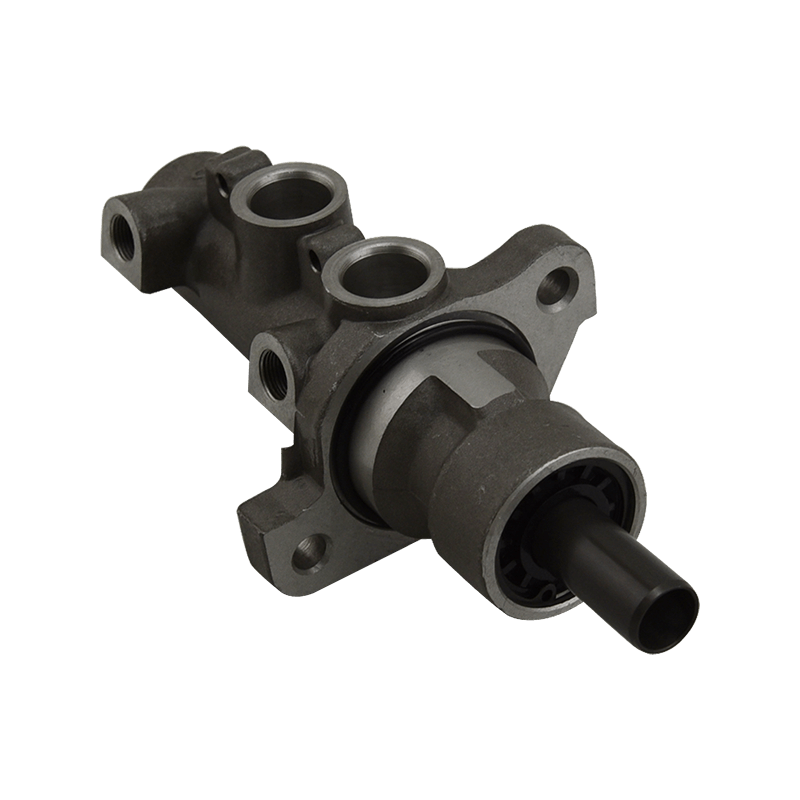
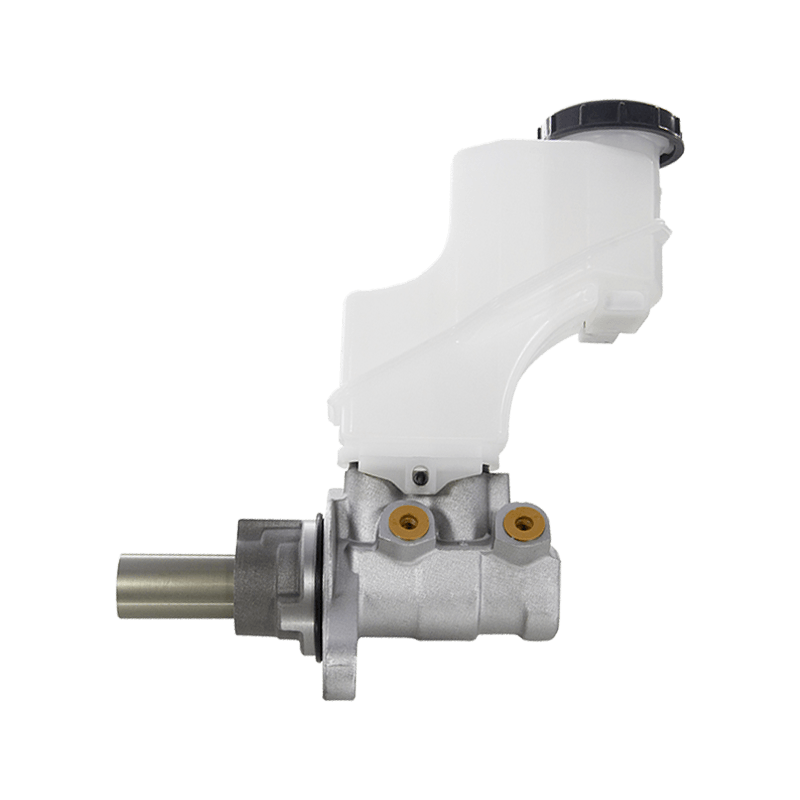
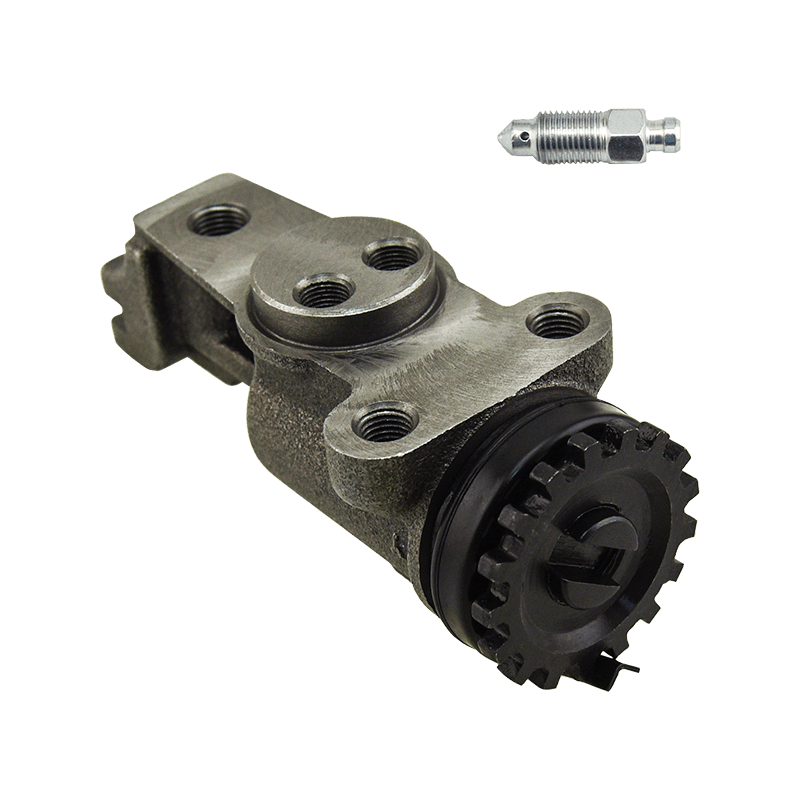
Yancheng Yanitiger Auto Parts Co., Limited is a professional China OE Quality Brake Pads manufacturer and custom high-friction OE brake pad factory, specializing in the full range of braking system components. Core product lines include brake master cylinders, brake slave cylinders, clutch master and slave cylinders, calipers, and brake pads — all developed and manufactured under a single quality-controlled roof.
With a catalog exceeding 3,000 product models and more than 1,000 brake shoe and brake pad applications covering European, American, Russian, Japanese, and Korean vehicles, Yanitiger delivers both broad application coverage and competitive supply efficiency. The company's associated manufacturing operations have built a highly experienced production team capable of exporting thousands of auto part lines to international markets worldwide.
All products are manufactured under ISO 9001 and IATF 16949 certified quality systems, ensuring that every brake pad set shipped meets the process discipline and consistency that OE-quality specifications demand. With an established distribution network spanning more than 30 countries, Yanitiger is committed to building long-term partnerships with distributors, workshops, and fleet operators who require reliable, high-standard brake components at competitive terms.
Frequently Asked Questions


CONTACT INFOR.
-
 +86-152 5110 1941
-
 Info@yanitiger.com
-
 +86-152 5110 1941
-
 Building 5, Yancheng Financial City, No. 5 Century Avenue, Yancheng City, Jiangsu Province, China
Copyright © Yancheng Yanitiger Auto Parts Co., Limited All Rights Reserved. Custom Automobile Brake Products Factory OEM Automobile Brake Products Manufacturers
