 Search
 Eng
Eng 
 English
 Español
 Português

 Home / Newsroom / Industry News / Integrated Mechanical Parking Brake Calipers: How the Corkscrew Principle Works
 Integrated Mechanical Parking Brake Calipers: How the Corkscrew Principle Works
 2026.09.17
 Industry News
If you have ever wondered how a rear disc-brake car holds itself on a hill without the hydraulic system, the answer lies inside the caliper. Integrated mechanical parking brake calipers are now standard on millions of passenger cars, replacing drum-in-hat or separate drum parking brakes. Unlike the hydraulic service brake, the parking brake function inside these calipers relies on a purely mechanical principle – a threaded spindle that acts like a corkscrew to push the piston outward. Understanding this mechanism helps mechanics and fleet buyers diagnose sticking, low holding torque, and premature wear.
Content
The Corkscrew Principle: Lever + Threaded Spindle
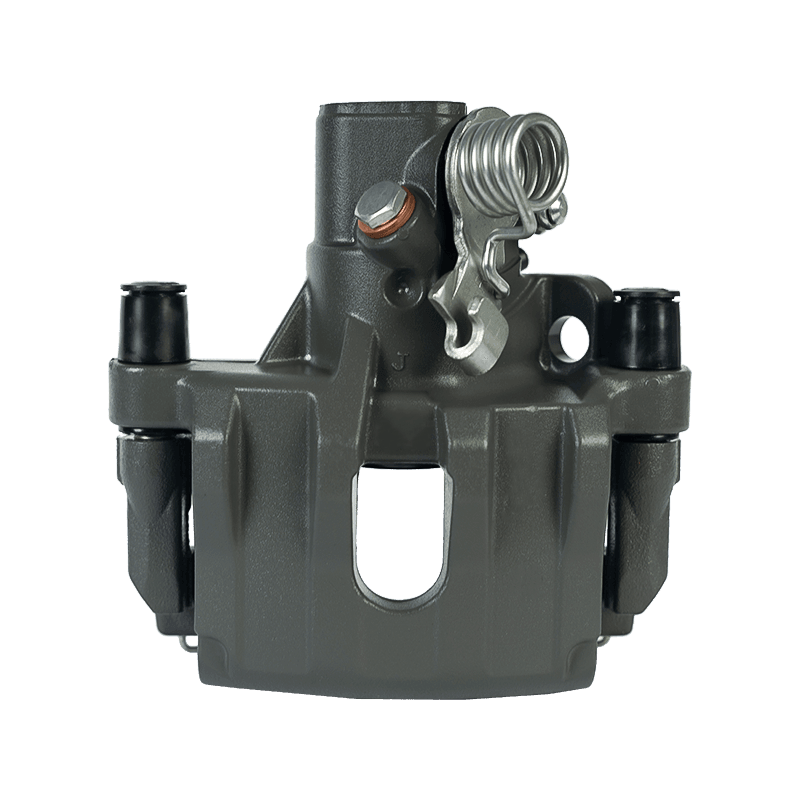
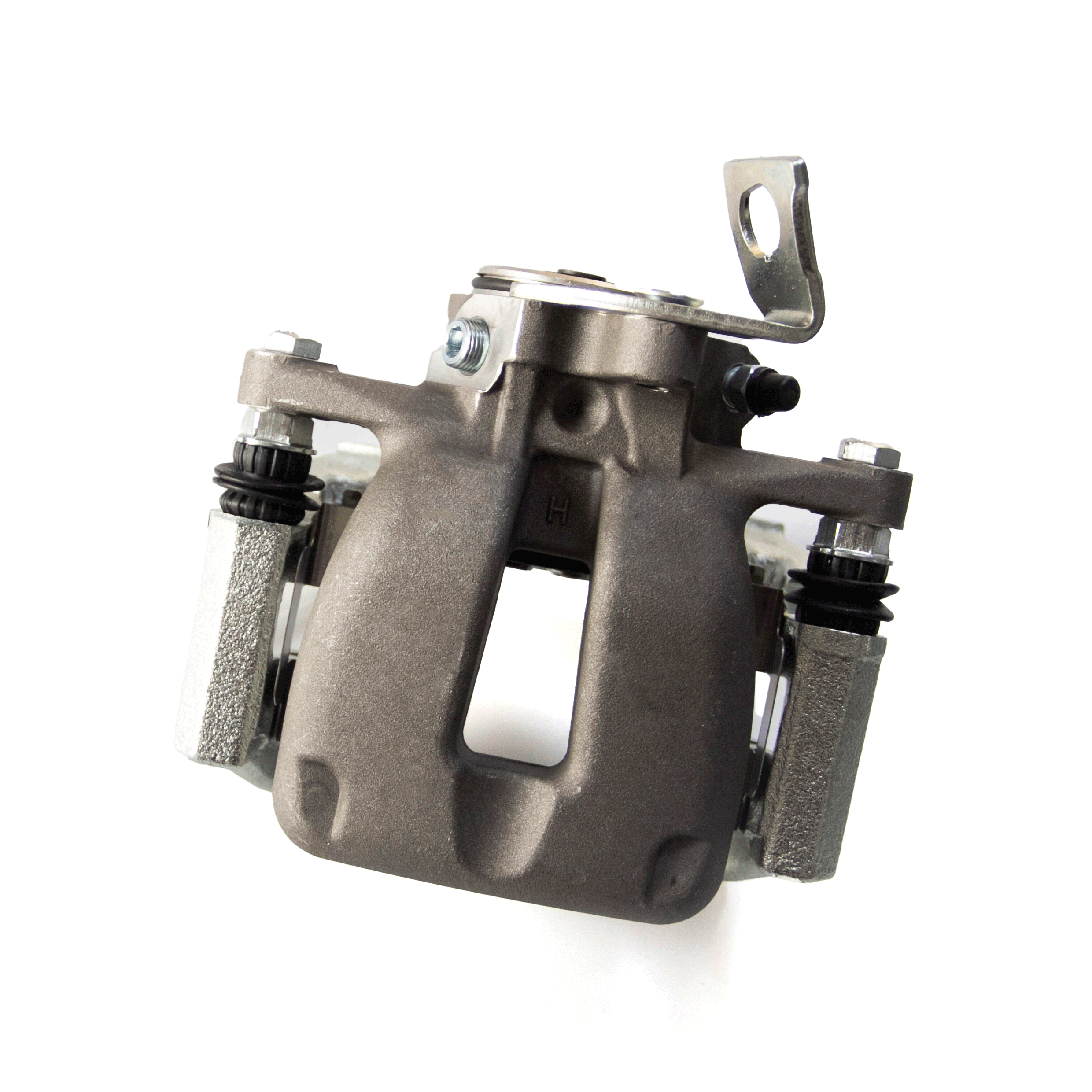
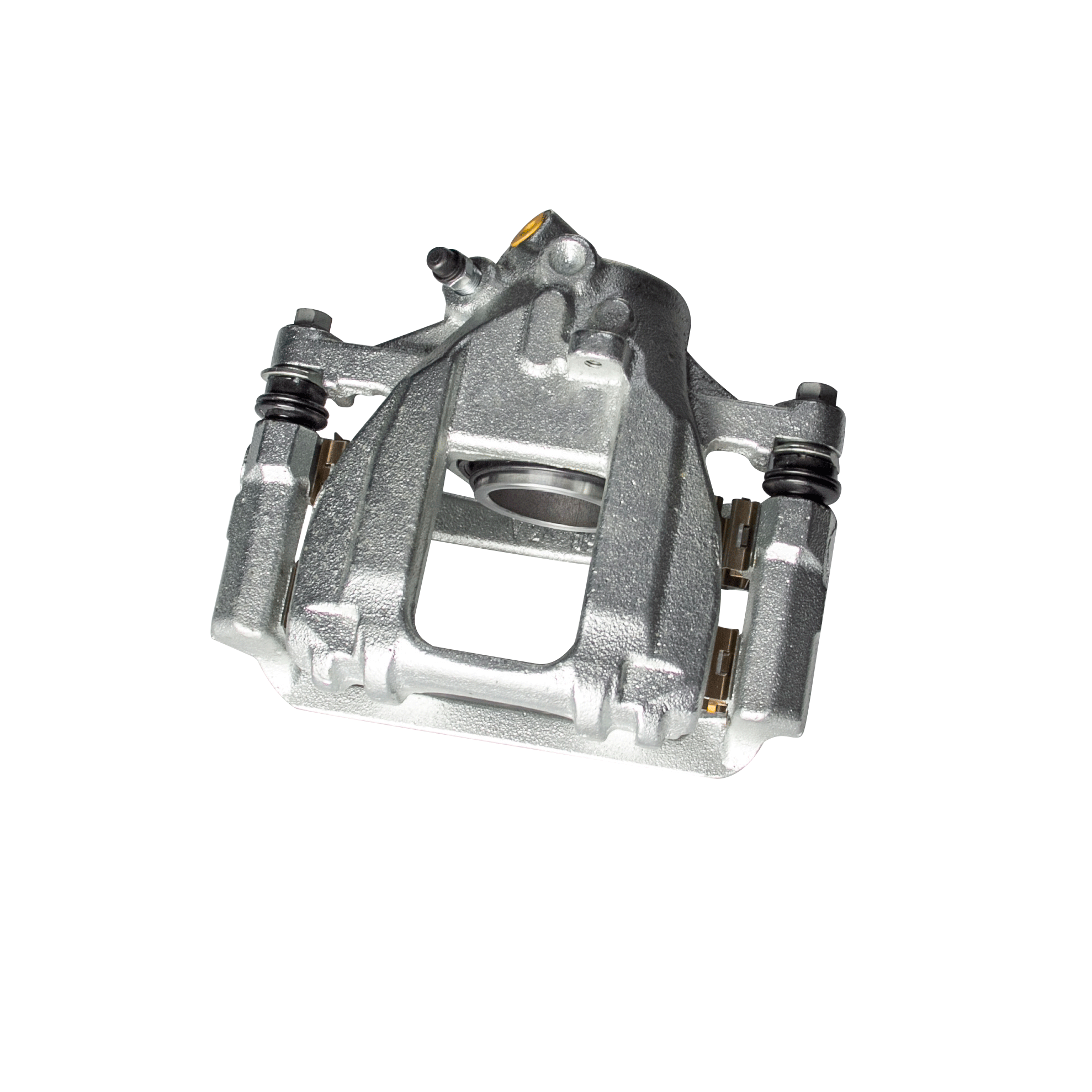
When you pull the parking brake lever (or press the pedal), a cable transmits force to a lever arm on the back of the caliper. That lever rotates a threaded spindle (also called a screw or “parking brake screw”). The spindle is engaged with a nut inside the piston. As the spindle turns, the nut is forced axially, pushing the piston against the inner brake pad. The entire motion is a mechanical advantage conversion: a small cable stroke produces a large clamping force via the lever ratio and the screw thread helix angle.
This is fundamentally different from the hydraulic service brake, which uses Pascal’s principle to multiply foot pedal force. The parking brake spindle mechanism is self-locking: the thread pitch is designed so that the nut cannot back-drive the spindle under load. That is why the vehicle stays parked even after you release the handle – the mechanical lock holds the piston in place.
Visualising the Mechanism
Figure 1: Isometric view of an integrated mechanical parking brake caliper showing the lever arm, threaded spindle, and piston.
Comparing Parking Brake Types
Different vehicle architectures use different holding mechanisms. The table below summarises the three common approaches found on rear disc-brake vehicles.
| Type | Actuation | Holding method | Self-adjustment | Common failure |
|---|---|---|---|---|
| Integrated mechanical (corkscrew) | Cable & lever | Threaded spindle lock | Automatic via clutch spring | Spindle corrosion, seized nut |
| Drum-in-hat | Cable & expander | Friction between shoe & drum | Manual or automatic star wheel | Drum rust, shoe glazing |
| Electric (EPB) | Electric motor & gear | Motor self-locking gear train | Electronic control | Motor failure, wiring faults |
Integrated mechanical calipers are preferred for cost and simplicity, but they suffer from internal corrosion because the spindle is exposed to road moisture. According to an industry survey published by Automotive Aftermarket Suppliers Association, nearly 30% of parking brake-related repairs on vehicles older than 8 years involve a seized spindle inside the caliper.
How to Diagnose a Seized Parking Brake Spindle
The most common symptom is a parking brake that feels firm but fails to hold, or one that releases only partially. A visual inspection often reveals a stuck lever on the caliper. If the lever moves freely but the piston does not extend, the internal spindle–nut interface is likely corroded. In severe cases, the piston becomes permanently jammed, requiring caliper replacement.
Pro tip: Before condemning the caliper, check the cable travel and lubricate the lever pivot. Many aftermarket calipers now come with a corrosion-resistant coating on the spindle. When sourcing replacement calipers, look for suppliers that provide OEM-matched thread pitch and hardened steel spindles.
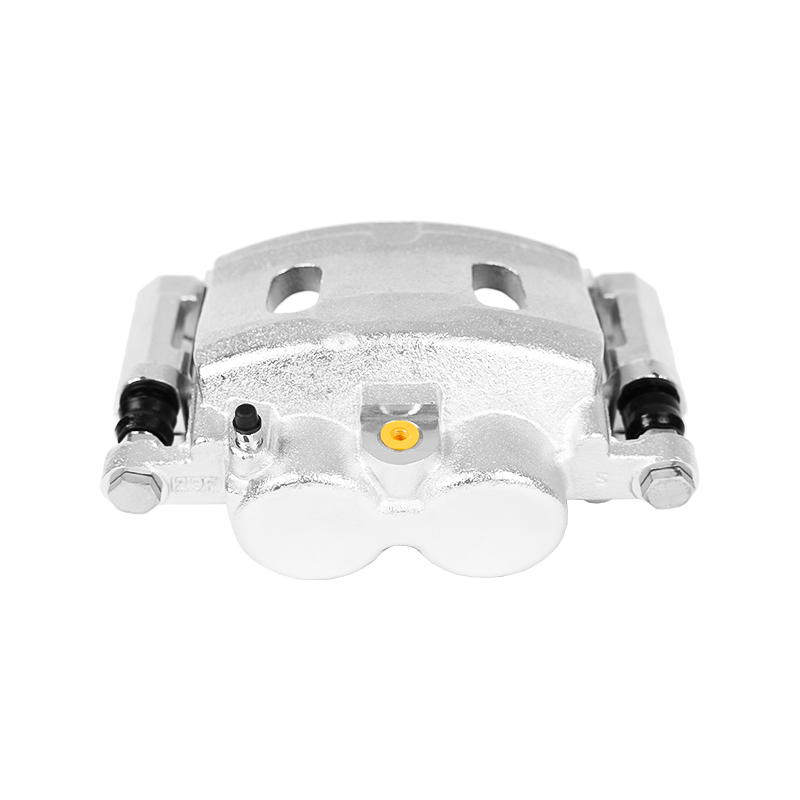 22842351 Brake Caliper for Cadillac and Chevrolet TrucksDesigned to match OE performance for GM full-size trucks and SUVs from 2007-2015, this caliper is a reliable replacement option for Escalade, Silverado, Tahoe, and Yukon models.View Product →
 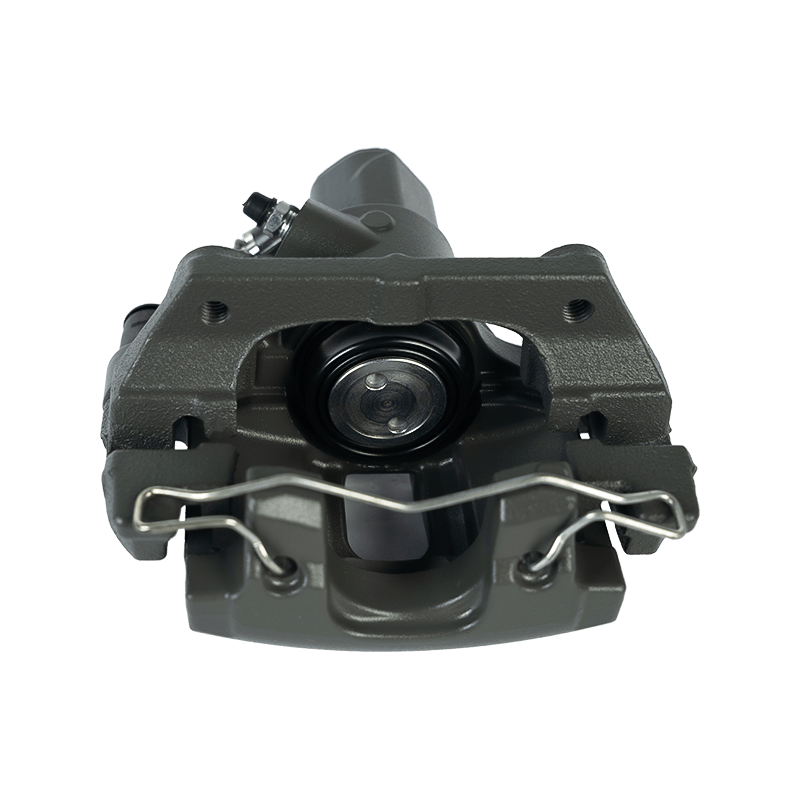 8M5Z2552B Brake Caliper for Ford TrucksA direct-fit aftermarket caliper for Ford applications, offering OEM-matched thread pitch and hardened steel spindles for reliable braking performance and easy installation.View Product →
For modified or custom builds, aftermarket integrated mechanical calipers are also available. These often feature a two-piece construction for easier maintenance. YaniTiger offers a range of brake calipers designed to match or exceed OE performance, including units specifically engineered for GM, Ford, and Asian platforms.
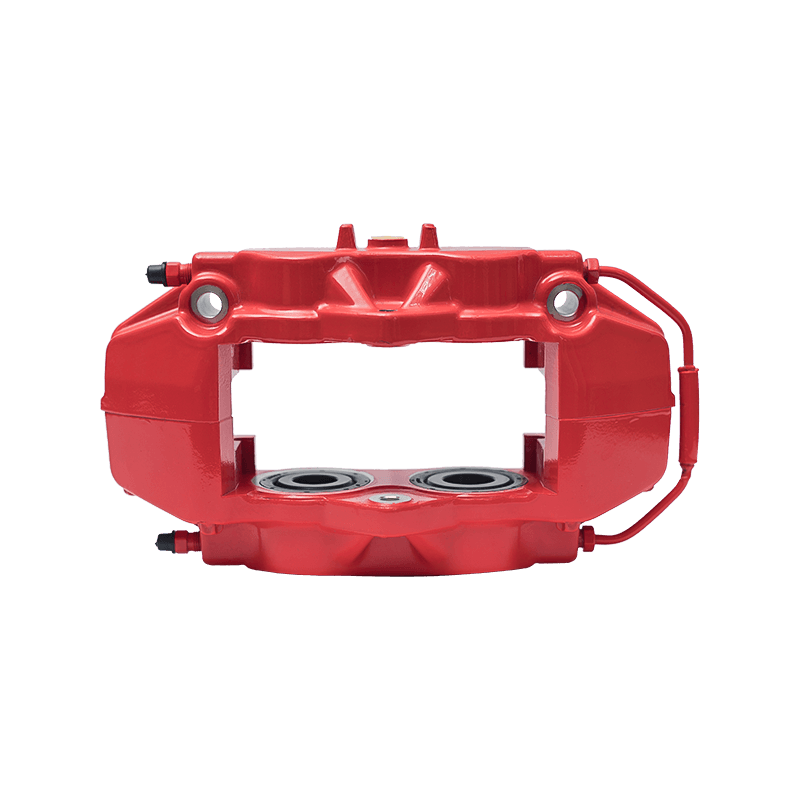 BB0401-3501100 Brake Caliper for Modified Custom BuildsEngineered for modified vehicles with two-piece construction and corrosion-resistant coating, this caliper simplifies maintenance while delivering consistent braking for custom setups.View Product →
Maintenance Tips to Extend Life
- Apply silicone grease to the caliper guide pins and lever pivot annually.
- Exercise the parking brake every few weeks to prevent the spindle from seizing.
- Replace the brake fluid every two years – moisture degrades internal seals.
- Inspect the rubber boot around the spindle; a torn boot invites grit and water.
These steps align with what many industry guides recommend for preserving caliper function.
Frequently Asked Questions
Q1: What does "integrated mechanical parking brake caliper" mean?
It means the parking brake mechanism is built inside the same caliper that handles the hydraulic service brake, using a cable-operated spindle to lock the piston mechanically.
Q2: How does the corkscrew principle hold the car on a hill?
The threaded spindle (like a corkscrew) converts rotary motion into linear piston travel. The thread’s helix angle is self-locking, so even after you release the lever, the piston stays pushed against the pad.
Q3: What are symptoms of a failed integrated parking brake?
The parking brake lever feels hard but the car rolls, or the lever returns but the brake drags. Often caused by a seized spindle or broken return spring.
Q4: Can I replace just the spindle if it seizes?
Most manufacturers do not sell the spindle separately; you usually replace the entire caliper. Some aftermarket calipers allow service, but it is rare.
Q5: Is an integrated mechanical parking brake better than electric?
For simplicity and cost, yes. EPB adds weight and electronic failure modes. But EPB offers easier hill-hold and automatic release. The choice depends on vehicle class.
Q6: How long do integrated mechanical parking brake calipers last?
With good maintenance, 8–12 years. Corrosion in high-salt climates shortens life. Regular exercise of the parking brake helps.

CONTACT INFOR.
-
 +86-152 5110 1941
-
 Info@yanitiger.com
-
 +86-152 5110 1941
-
 Building 5, Yancheng Financial City, No. 5 Century Avenue, Yancheng City, Jiangsu Province, China
Copyright © Yancheng Yanitiger Auto Parts Co., Limited All Rights Reserved. Custom Automobile Brake Products Factory OEM Automobile Brake Products Manufacturers
