 Search
 Eng
Eng 
 English
 Español
 Português

 Home / Newsroom / Industry News / What is the function of brake pads, and how do they ensure driving safety?
 What is the function of brake pads, and how do they ensure driving safety?
 2025.12.02
 Industry News
Brake pads, as one of the core components of a car's braking system, play a crucial role. They directly affect the vehicle's braking performance and driving safety. Therefore, for every car owner, understanding the function of brake pads and how to properly use and maintain them is fundamental to ensuring driving safety.
Content
1. The Function of Brake Pads
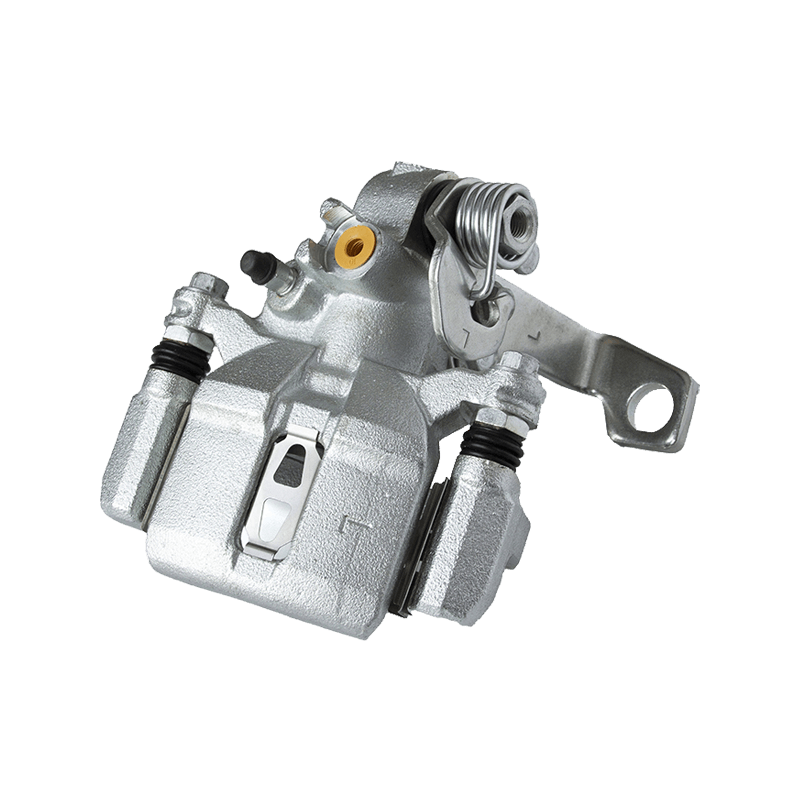
The main function of brake pads is to decelerate or stop the vehicle through friction with the brake disc. When the driver presses the brake pedal, the brake hydraulic system transmits braking force to the brake caliper. The brake pads then compress the brake disc, generating friction to reduce vehicle speed and ultimately bring the vehicle to a stop. In short, brake pads are a vital component that transmits braking force from the braking system to the wheels.
The working principle of brake pads relies on friction, and the magnitude of this friction is closely related to the contact area between the brake pad and the brake disc, the characteristics of the friction material, and the operating pressure. Different types of brake pads use different friction materials. Common brake pads include organic brake pads, semi-metallic brake pads, and ceramic brake pads, each with different performance, durability, and noise levels.
2. The Relationship Between Brake Pads and Driving Safety
Brake pads directly affect the braking performance of a vehicle, which is a core factor in ensuring driving safety. Problems with brake pads, such as excessive wear, material aging, or substandard quality, can lead to increased braking distance, sluggish braking response, and in severe cases, even brake failure. Therefore, the maintenance and replacement of brake pads are crucial for driver safety.
(1) Ensuring Braking Performance
High-quality brake pads provide stable and efficient friction during braking, ensuring rapid and smooth deceleration or stopping. This is essential for quick response to sudden traffic situations. The material, thickness, and installation condition of the brake pads directly affect the braking effect.
(2) Preventing Brake Failure
Wearing brake pads gradually reduces the braking force of the braking system and may even lead to brake failure. Especially after prolonged driving, if brake pads are not checked and replaced in time, the vehicle may experience delayed or incomplete braking response, greatly increasing the risk of traffic accidents.
(3) Improve Driving Comfort
Good brake pads not only effectively slow down the vehicle but also reduce noise and vibration during braking, enhancing driver comfort and confidence. The quality and type of brake pads directly affect these factors.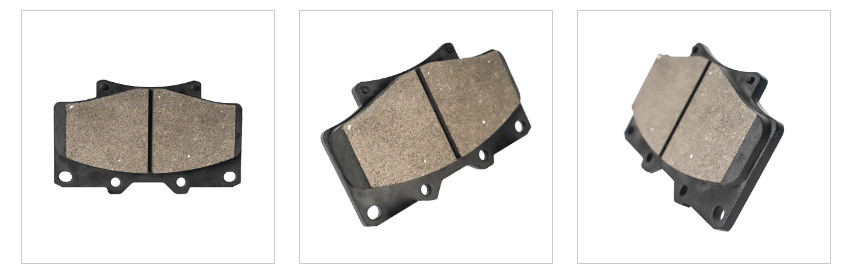
3. How to Check the Condition of Brake Pads?
After understanding the working principle and importance of brake pads, car owners should regularly check the condition of their brake pads to ensure they are in good working order. Here are some common inspection methods:
(1) Brake Pad Thickness Check
The friction material of brake pads will gradually wear down over time, and the braking effect will significantly decrease after a certain degree of wear. Generally, the thickness of brake pads should be maintained above 3 mm. When the brake pad thickness decreases to this level, it is necessary to consider replacing the brake pads. Many auto repair shops offer brake pad thickness inspection services, and car owners can also check their brake pads themselves.
(2) Brake Noise Check
If you hear a screeching sound or metallic friction sound when braking, it may be that the brake pads are worn excessively or the wear indicator on the brake pads has come into contact with the brake disc. In this case, the brake pads should be checked immediately to avoid causing more serious brake damage.
(3) Brake Performance Test
The performance of brake pads can be judged by driving experience. If you feel that the brakes are not sensitive when braking, the braking distance increases, or the steering wheel vibrates when braking, this may be a sign of worn brake pads or other problems. At this time, the braking system should be checked promptly, including brake pads, brake discs, and brake fluid.
(4) Regular Maintenance and Inspection
It is recommended to perform a comprehensive inspection of the braking system every 10,000 kilometers or every six months, especially during long-distance travel or frequent city driving, as brake pad wear may accelerate. Regular inspection is an important measure to ensure safety.
4. How to ensure the lifespan of brake pads and driving safety?
Timely replacement of brake pads: Brake pads must be replaced as soon as possible when they are worn to a certain extent. Many brake pads have wear indicators that will emit a warning sound when the brake pads wear down to a certain thickness. Even without a warning, regularly checking the thickness of the brake pads is key to ensuring the normal operation of the braking system.
Choose high-quality brake pads: There are many different brands and types of brake pads on the market. Car owners should choose the appropriate brake pads according to the needs of their vehicles. High-quality brake pads can provide better braking performance, longer lifespan, and less noise.
Keep the braking system clean: When brake pads come into contact with brake discs, they generate frictional heat and small metal particles. These particles may accumulate in the braking system, leading to accelerated wear. Therefore, keeping the braking system clean is crucial for extending brake pad life.
Avoid frequent hard braking: Frequent hard braking not only increases brake pad wear but can also cause brake overheating and performance degradation. Smooth driving, early deceleration, and avoiding hard braking effectively reduce the burden on brake pads and extend the lifespan of the braking system.
Regularly check brake fluid and brake discs: In addition to brake pads, the condition of brake fluid and brake discs also affects braking performance. Regularly check the brake fluid level and brake disc wear to ensure the overall good performance of the braking system.
Brake pads play a vital role in ensuring driving safety. Understanding how brake pads work, regularly checking their wear, promptly replacing worn brake pads, and maintaining the braking system in good condition are all key steps to ensure the proper functioning of the vehicle's braking system.

CONTACT INFOR.
-
 +86-152 5110 1941
-
 Info@yanitiger.com
-
 +86-152 5110 1941
-
 Building 5, Yancheng Financial City, No. 5 Century Avenue, Yancheng City, Jiangsu Province, China
Copyright © Yancheng Yanitiger Auto Parts Co., Limited All Rights Reserved. Custom Automobile Brake Products Factory OEM Automobile Brake Products Manufacturers
