
 English
 Português
 Español

A brake wheel cylinder replacement is a small repair with a large safety role. In a drum brake, the wheel cylinder turns hydraulic pressure into movement at the brake shoes. When it leaks or seizes, pedal feel, stopping balance, and fluid level can all change. The job is manageable, but the result depends on correct fitment, clean hydraulic work, and a proper bleed.
The practical answer: replace the cylinder when the bore is pitted, the seals are leaking, or the pistons no longer move freely. Do not rely on a bleed alone if fluid is escaping past the dust boot. Match the replacement by OEM number, bore size, mounting style, and side before installing it. Then inspect the drum, shoes, hardware, and hose so the new part is not damaged by a related fault.
What a Brake Wheel Cylinder Does and How It Fails
A wheel cylinder sits at the top of the backing plate inside a drum brake. Brake fluid enters the cylinder and pushes one or two pistons outward. Those pistons press the brake shoes against the drum. When the pedal releases, the return springs pull the shoes back and the piston seals allow the pistons to retract slightly.
Most failures start at the seal or bore. Old glycol brake fluid absorbs moisture, which can corrode the bore. Contamination and heat can harden the rubber cups. A worn or scored bore will destroy a new seal quickly, so a rebuild kit is only sensible when the bore is clean and within specification. If the bore is pitted, replace the complete cylinder.
- Fluid weeping at the backing plate, dust boot, or wheel rim.
- A low or spongy brake pedal that may improve briefly after bleeding.
- Uneven braking, pulling, or a wheel that drags after pedal release.
- Contaminated brake shoes with a dark, wet patch near the cylinder.
- Uneven shoe wear caused by a seized piston or sticking hardware.
For shop owners and parts buyers, early identification matters. A wheel cylinder that weeps fluid can contaminate the shoes and create a low or spongy pedal before a visible leak appears on the floor. This guide to early brake wheel cylinder failure can help service teams build a faster inspection routine.
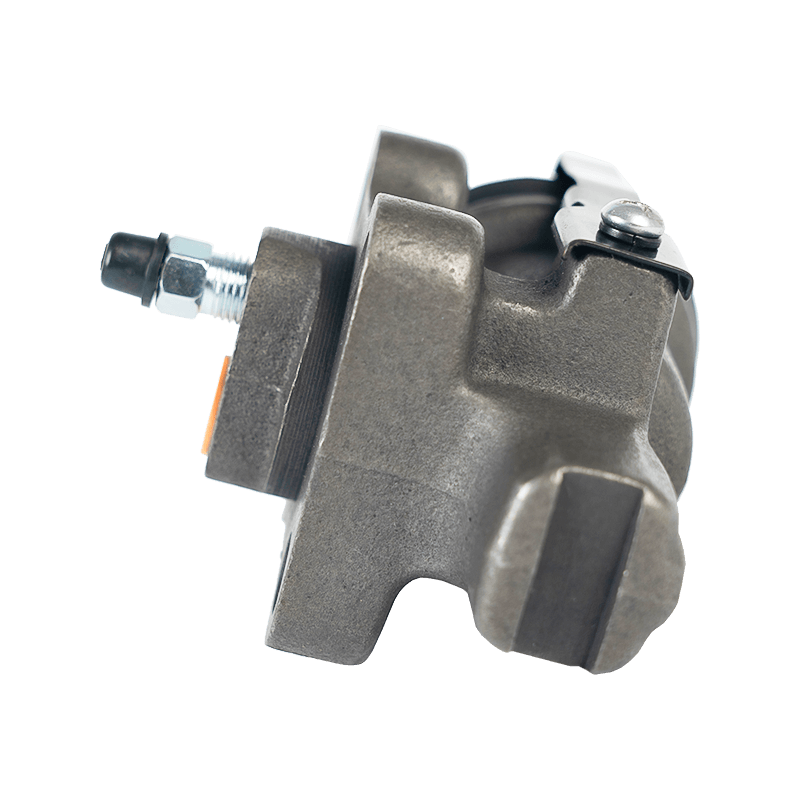 Toyota 47510-36170 Brake Wheel Cylinder for Dyna 200OE-numbered drum-brake wheel cylinder for 1995–2003 Dyna 200, with 28.58 mm bore; verify casting, piston contact area, and bleed screw before fitting.View Product →
Common Toyota fitments show why the OEM reference matters. A cylinder listed for 4751036170 may look similar to another Toyota part, but bore size and port details can differ. Always compare the old casting, the piston contact area, and the bleed screw location before installation.
Replacement or Rebuild? Use Condition, Not Guesswork
A rebuild kit can be a reasonable choice for a classic vehicle or a rare cylinder when the bore passes inspection. It is rarely the best choice for a daily driver or a commercial repair. The labor to clean, hone, inspect, and reassemble can exceed the cost of a new cylinder, and a missed pit can cause a comeback.
Choose complete replacement when the bore is scored, the housing is corroded, the bleeder screw is seized, or the vehicle is used for passenger transport and service work. A new assembly gives the installer a known bore, new seals, and a cleaner starting point.
For wholesale programs, the decision is also commercial. A complete cylinder gives the installer consistent traceability and less dependence on the condition of a core. Rebuild kits still have a place, but they should not be sold as a universal fix for a leaking or seized unit.
Matching the Correct Brake Wheel Cylinder Before Installation
Vehicle year, model, and engine are a start, but they are not enough. Drum brake systems often changed within a model year. Use the OEM number or VIN-based catalog lookup, then verify the physical details against the old part. A cylinder with the wrong bore can change hydraulic force and pedal travel; a mismatched port or mounting ear can prevent safe installation.
| Check | Why it matters |
|---|---|
| OEM or cross-reference number | Confirms the intended application and reduces mis-picks. |
| Bore diameter | Affects hydraulic force, pedal travel, and front-to-rear balance. |
| Left or right position | Some cylinders are handed; the bleeder or port may not fit otherwise. |
| Mounting style | Clip, bolt, and ear shapes must match the backing plate. |
| Port and bleeder threads | Prevents brake line damage and allows proper bleeding. |
| Seal and dust boot material | Must be compatible with the specified brake fluid and road conditions. |
A catalog arranged by OEM and vehicle application, such as this brake wheel cylinder range, can reduce mis-picks. It still needs a physical check at installation, especially on older vehicles that may have received mixed parts over time.
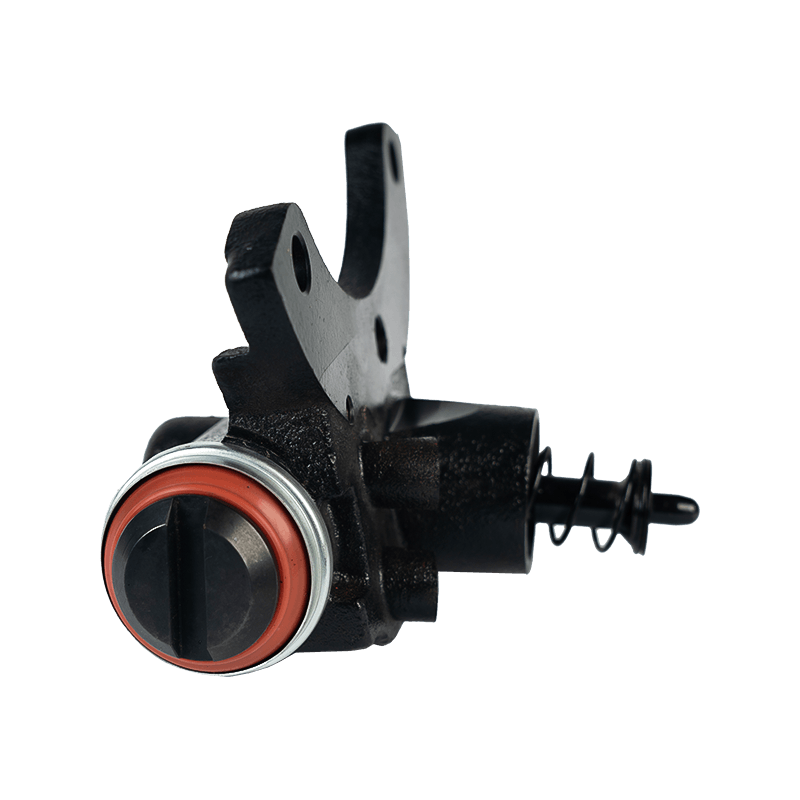 Ford E6HZ2C198E Brake Wheel Cylinder for B600/B700/F800OE-reference drum-brake wheel cylinder for 1984–1998 Ford B600/B700/F800 models, with 44.45 mm bore; confirm mounting, port, and bore against the original unit.View Product →
For a Ford application such as E6HZ-2C198-E, confirm the mounting, port, and bore against the original unit rather than relying on the vehicle name alone. The same rule applies to any cross-reference: the number is useful only when the part dimensions and hydraulic details agree.
Step-by-Step Replacement Without Contamination or Comebacks
Clean work matters as much as torque. Brake fluid damages paint and attracts moisture. Use a flare-nut wrench on brake lines, cap the line, and keep the reservoir from running dry. The workflow below is general; follow the vehicle manufacturer's procedure and torque values.
- Clean the area and loosen the wheel lugs before lifting the vehicle.
- Remove the wheel and drum, then inspect the shoes, springs, adjuster, and backing plate.
- Disconnect the brake line with a flare-nut wrench and cap it to limit fluid loss.
- Remove the retaining clips or bolts and pull the cylinder straight out.
- Clean the mounting surface, install the matched cylinder, and reconnect the line by hand first.
- Torque the mounting and line fitting to specification, then fill the reservoir with fresh fluid.
- Bleed the circuit, adjust the drum brake as required, and test the pedal before road testing.
Bleeding, Pedal Testing, and Break-In
After installation, bleed the hydraulic circuit. Air is the most common reason for a soft pedal after a wheel cylinder replacement. Use the manufacturer's sequence and keep the reservoir topped with fresh fluid. Do not reuse fluid that has been sitting open. Check for leaks at the line fitting, bleeder screw, and dust boots.
Pedal feel should be firm and consistent. A pedal that sinks under steady pressure suggests a leak or a failing master cylinder. A pull to one side can come from contaminated shoes, a restricted hose, or a misadjusted brake. Replace contaminated shoes; cleaning is not enough once fluid has soaked the lining. After a road test, remove the wheel and recheck for weeping.
Quality Checks for Buyers and Installers
For a part that costs far less than a comeback, inspection should be specific. A brake wheel cylinder replacement part should have a clean bore, correct port threads, flexible dust boots, and seals compatible with the specified brake fluid. Corrosion protection matters in road-salt markets, but it should not interfere with the piston or bleeder.
- Ask for the bore size, OEM cross-reference, and vehicle application list in writing.
- Check that the dust boots are seated and the pistons move freely without scoring.
- Confirm brake fluid compatibility; glycol and silicone fluids are not interchangeable unless the system is designed for them.
- Review traceability, inspection records, and packaging protection for the bore and threads.
- For regulated markets, ask which approvals apply to the exact part; do not assume one certificate covers every hydraulic component.
Use a supplier that can connect OEM cross-references, bore sizes, and vehicle applications to inspection records. For a Dodge application such as 68318417AA, confirming the old part's bore, mounting, and port layout is more reliable than matching by model name alone.
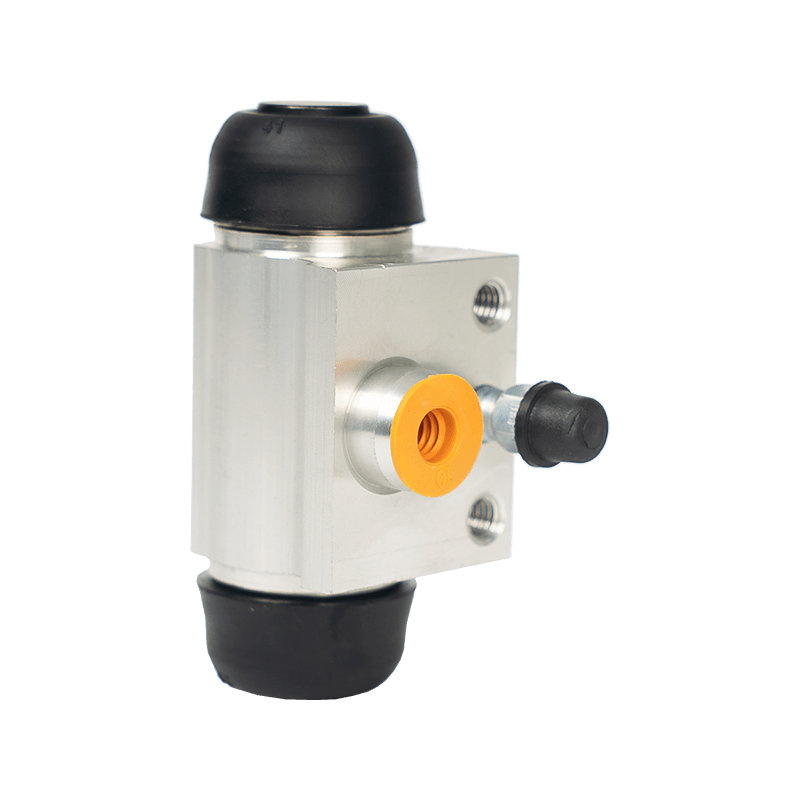 Dodge 68318417AA Aluminum Brake Wheel Cylinder for RAM 700OE-referenced aluminum drum-brake wheel cylinder for 2014–2017 RAM 700, with 20.64 mm bore; verify bore, mounting, and port layout against the old part.View Product →
This is also where a manufacturer's quality system becomes practical. ISO 9001 supports general process control, while IATF 16949 is the automotive quality standard many buyers request for brake components. Ask for the scope of the certificate and the traceability method, not just a logo on a page.
Frequently Asked Questions
Q1. How do I know a brake wheel cylinder needs replacement?
Look for fluid at the backing plate, a low or spongy pedal, pulling, dragging, or wet brake shoes. If the bore is pitted or the seals leak, replace the cylinder rather than bleeding it repeatedly.
Q2. Can I replace just one wheel cylinder?
You can replace the failed side, but inspect both sides and the related hardware. Many shops recommend axle-pair replacement when both cylinders show age or corrosion, depending on the vehicle and customer approval.
Q3. Do I need to bleed the brakes after replacement?
Yes. Opening the hydraulic system lets air in. Bleed the circuit using the manufacturer's sequence, keep the reservoir full, and check the pedal and fittings for leaks afterward.
Q4. What brake fluid should I use?
Use the fluid specified for the vehicle, commonly DOT 3 or DOT 4 glycol fluid. Do not mix DOT 5 silicone fluid with glycol fluid unless the system is designed for it. Use fresh fluid from a sealed container.
Q5. How do I match the correct replacement part?
Start with the OEM number or VIN lookup, then verify bore size, mounting style, port threads, bleeder position, and left or right application against the old cylinder.
Q6. What should wholesale buyers check in a supplier?
Ask for exact part identification, bore and material details, inspection records, packaging protection, and the scope of quality or market approvals. Confirm MOQ, lead time, and customization terms for the actual order.
Need a replacement wheel cylinder or a wholesale program? Send the OEM number, bore size, vehicle application, and target market. A manufacturer can confirm the correct part, available options, MOQ, and lead time before you order.