 Search
 Eng
Eng 
 English
 Español
 Português

 Home / Newsroom / Industry News / How to troubleshoot hydraulic clutch master cylinder malfunctions? Common problems and solutions.
 How to troubleshoot hydraulic clutch master cylinder malfunctions? Common problems and solutions.
 2026.03.19
 Industry News
Most hydraulic clutch master cylinder malfunctions fall into four categories: fluid leaks, a spongy or sinking pedal, complete loss of clutch engagement, and contaminated fluid causing internal seal failure. In the majority of cases, the root cause is a worn or swollen internal rubber cup seal — a component that typically degrades after 80,000–120,000 miles of service or when incompatible brake fluid has been introduced into the system. Identifying the specific symptom first is the fastest route to the correct repair, and the diagnostic process takes under 20 minutes with basic tools.
This guide walks through each failure mode systematically — what causes it, how to confirm the diagnosis, and what corrective action resolves it permanently — so you can approach the repair with clarity rather than guesswork.
Content
- 1 How the Hydraulic Clutch Master Cylinder Works and Why It Fails
- 2 The Five Most Common Hydraulic Clutch Master Cylinder Problems
- 2.1 Problem 1 — Spongy or Soft Clutch Pedal with Normal Fluid Level
- 2.2 Problem 2 — Clutch Pedal Sinks Slowly to the Floor and Holds
- 2.3 Problem 3 — External Fluid Leak at the Master Cylinder Body
- 2.4 Problem 4 — Clutch Will Not Disengage (Pedal Depressed, Gears Grind)
- 2.5 Problem 5 — Clutch Pedal Returns High or Sticks Up
- 3 Diagnostic Checklist: Confirming Master Cylinder Failure Before Disassembly
- 4 Step-by-Step Repair: Rebuild vs. Full Replacement
- 5 Hydraulic Clutch Bleeding: The Critical Step Most Repairs Skip
- 6 Hydraulic Clutch Fluid Selection and Maintenance Intervals
- 7 Frequently Asked Questions About Hydraulic Clutch Master Cylinders
- 7.1 Q1: How do I tell if the problem is the master cylinder or the slave cylinder?
- 7.2 Q2: Can I drive with a leaking hydraulic clutch master cylinder?
- 7.3 Q3: What is the typical service life of a hydraulic clutch master cylinder?
- 7.4 Q4: Do I need to replace the slave cylinder at the same time as the master cylinder?
- 7.5 Q5: Why does my clutch pedal feel spongy immediately after a complete fluid change and bleed?
- 7.6 Q6: Is it safe to use a rebuild kit instead of a new master cylinder unit?
How the Hydraulic Clutch Master Cylinder Works and Why It Fails
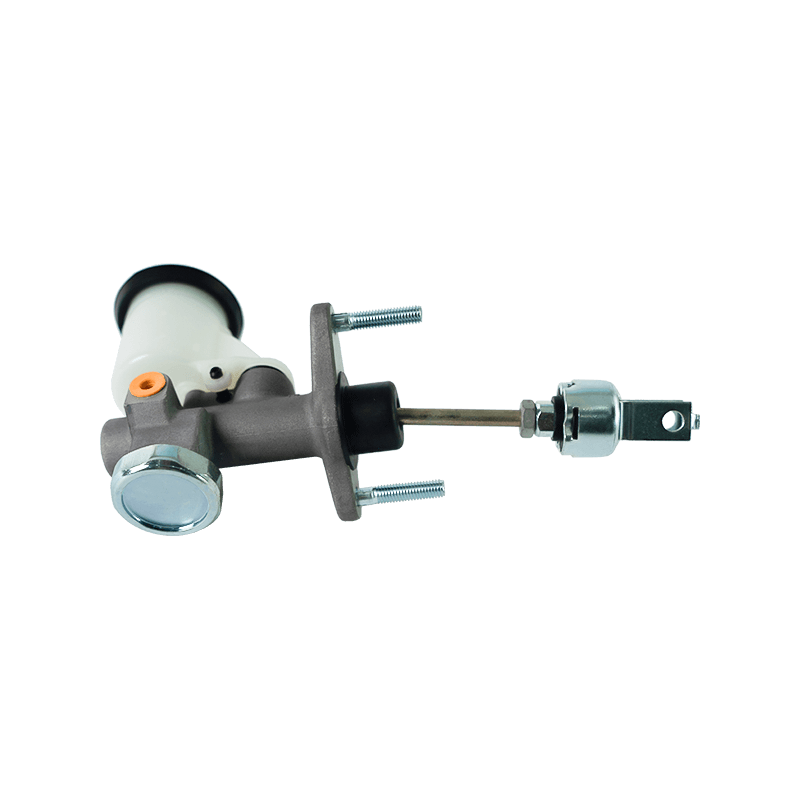
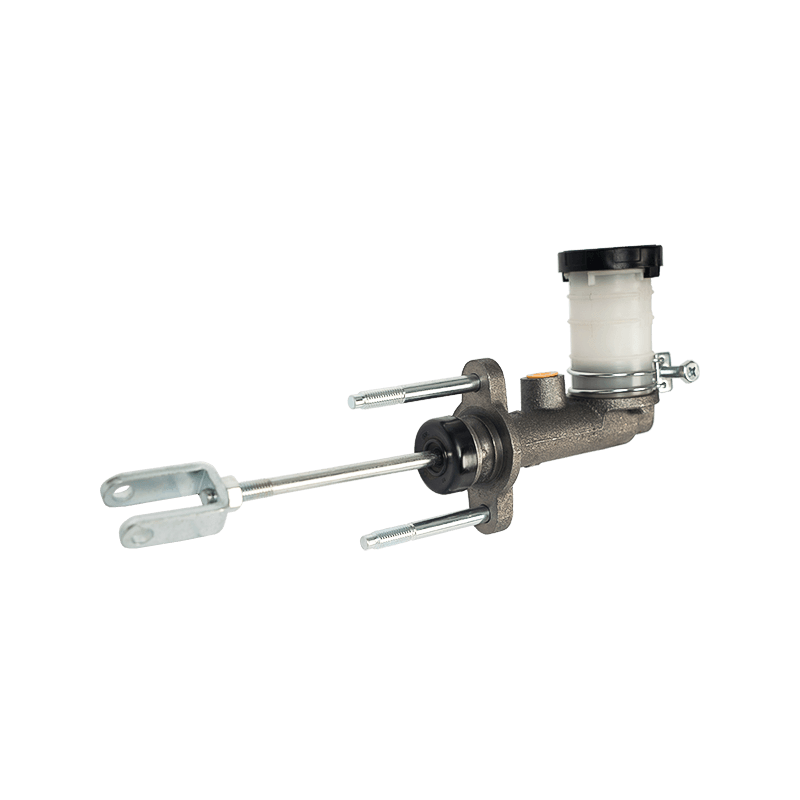
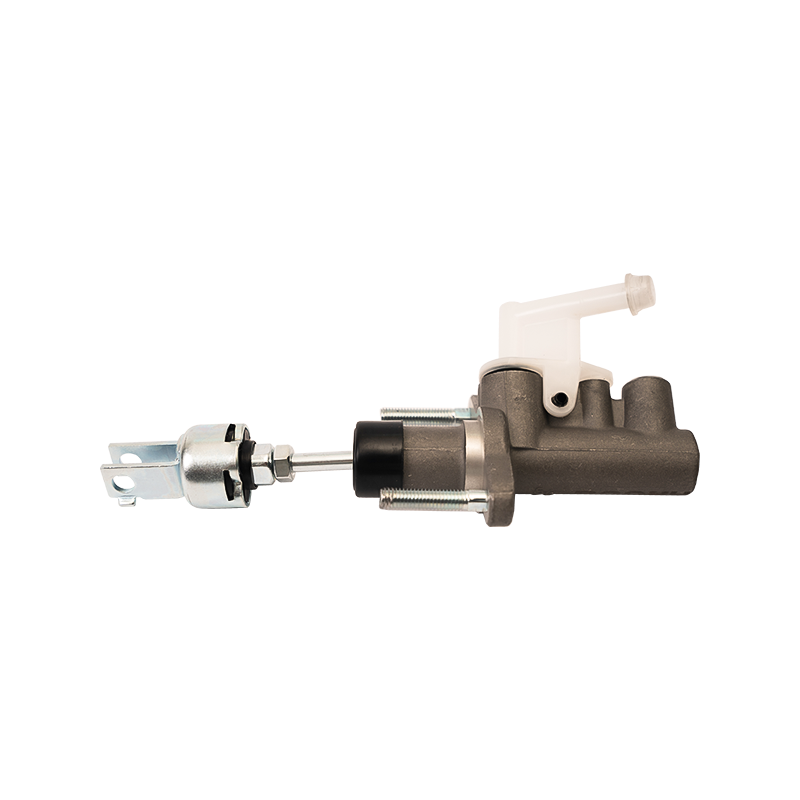
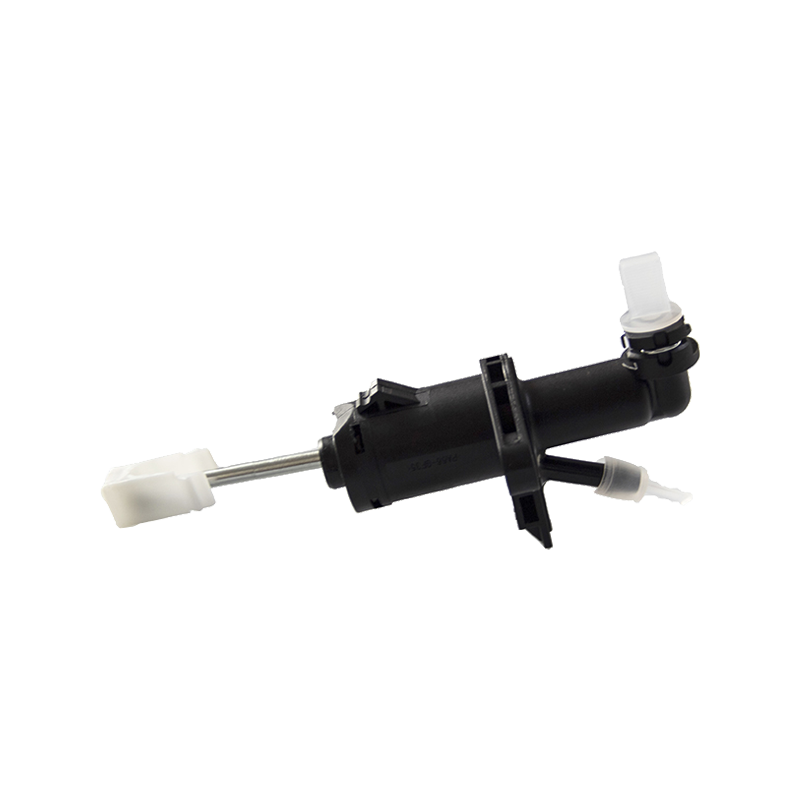
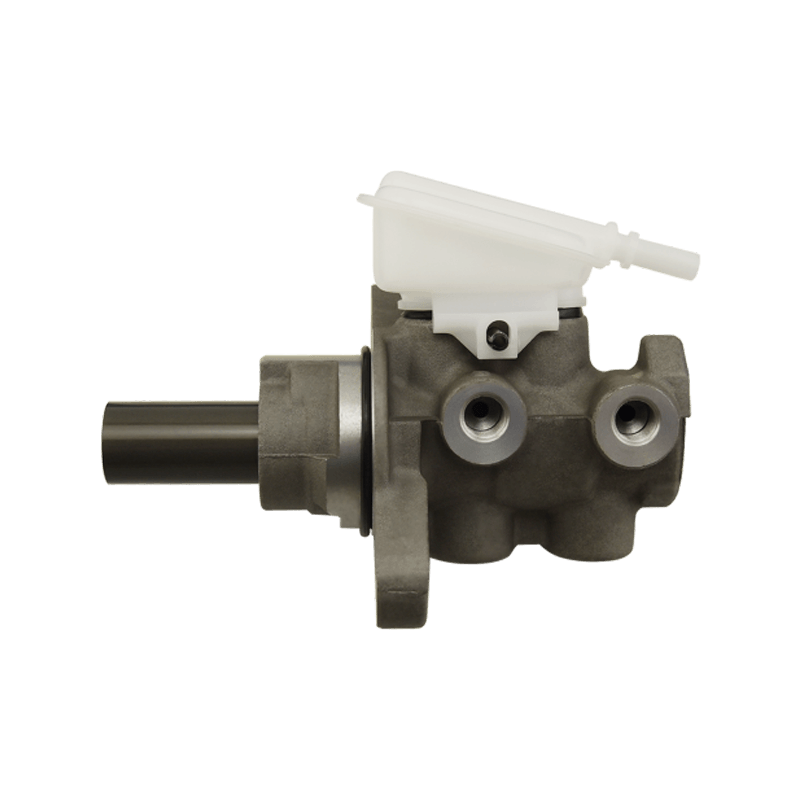
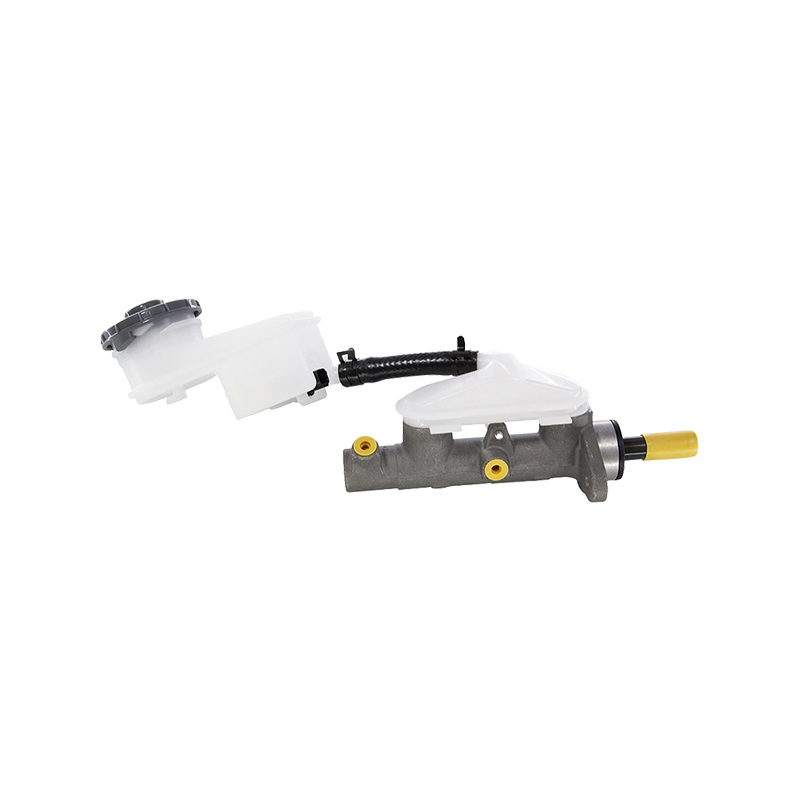
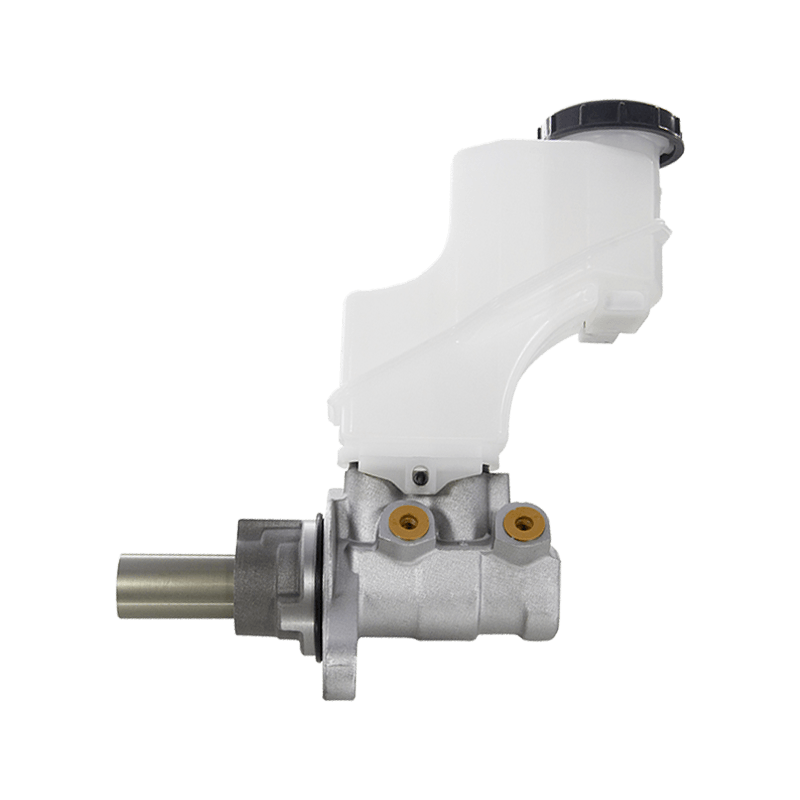
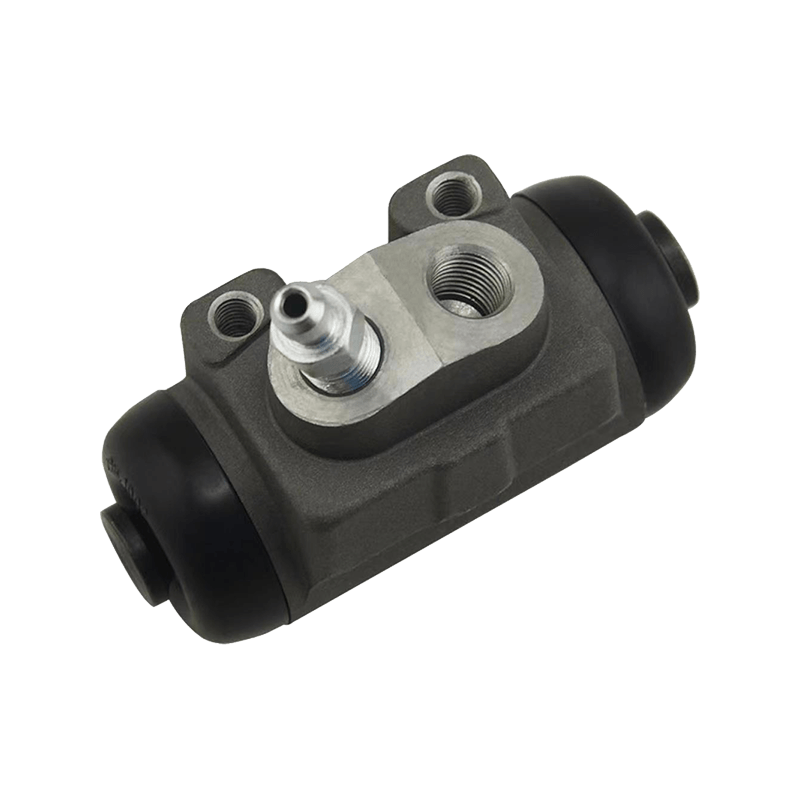
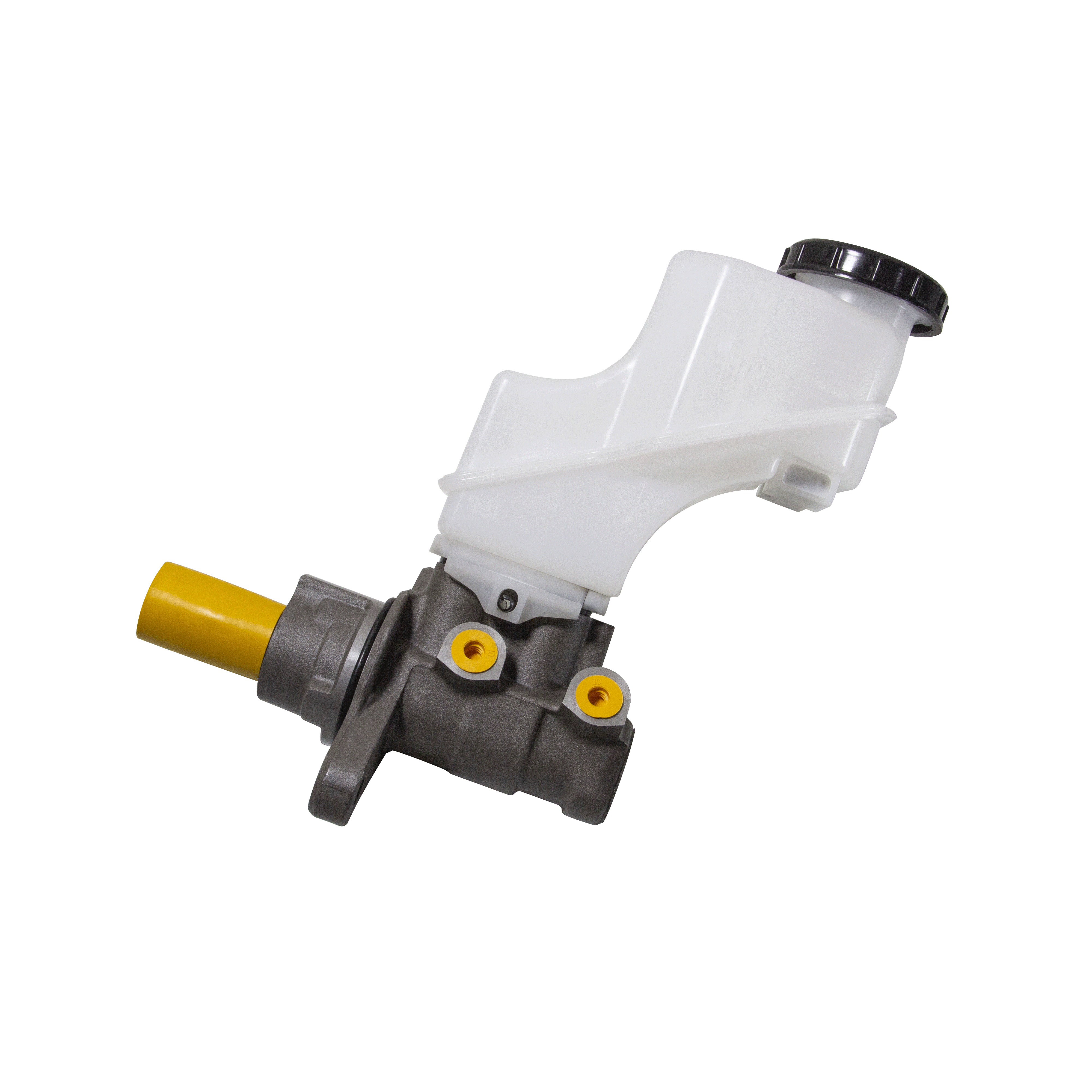
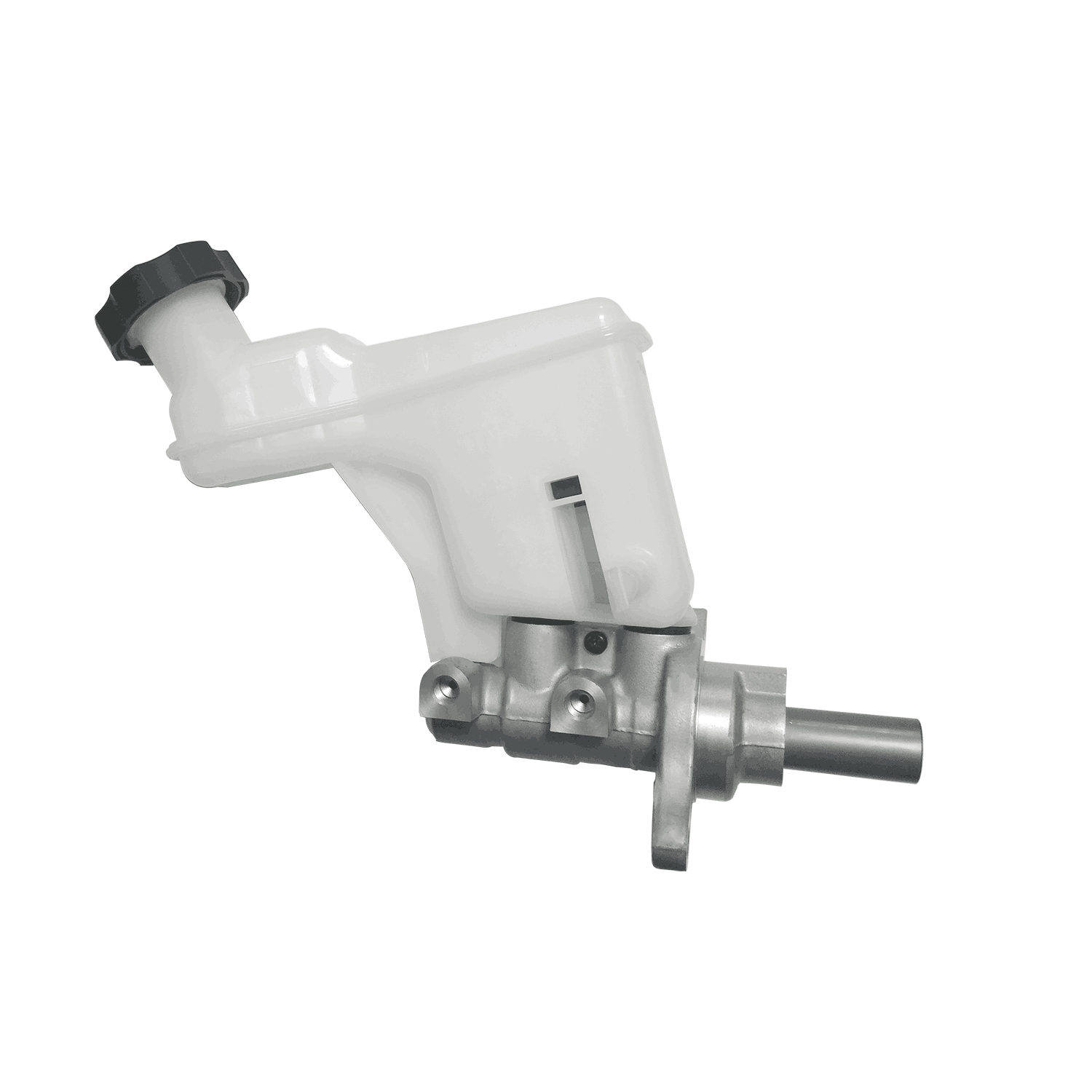
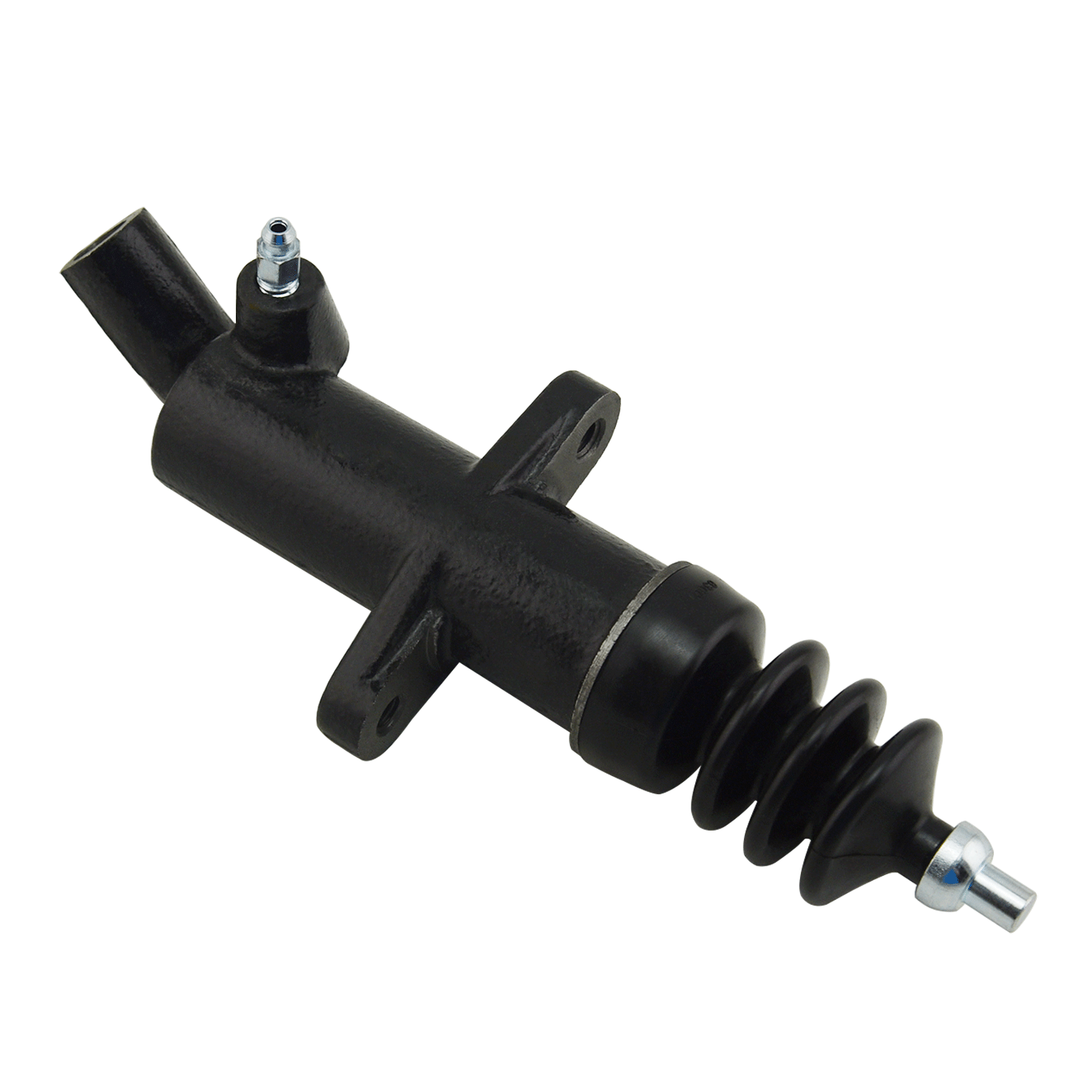
The hydraulic clutch master cylinder converts the mechanical force of your foot pressing the clutch pedal into hydraulic pressure. That pressure travels through a sealed fluid line to the slave cylinder, which actuates the clutch fork or release bearing to disengage the clutch disc from the flywheel. The system is entirely dependent on a sealed, air-free hydraulic circuit — any compromise to that seal or any air in the line produces immediately noticeable symptoms.
Inside the master cylinder, a piston with rubber cup seals moves within a precision-bored aluminum or cast iron bore. The primary seal builds pressure on the forward stroke; the secondary seal prevents fluid from escaping past the piston on the return stroke. A small compensating port connects the bore to the reservoir when the piston is at rest, allowing thermal expansion of the fluid to equalize without building pressure.
The three primary failure mechanisms are:
- Rubber seal degradation: Over time, rubber cup seals harden, crack, or swell depending on heat exposure and fluid condition. A hardened seal loses its ability to hold pressure; a swollen seal (from contaminated fluid) may block the compensating port and prevent full pedal travel return.
- Bore corrosion or scoring: Moisture absorbed into hygroscopic brake fluid lowers its boiling point and causes internal bore pitting. A scored bore prevents the seal from forming a complete pressure boundary, allowing fluid to bypass the piston on the pressure stroke.
- Fluid contamination: Mineral oil, power steering fluid, or engine oil introduced into the system rapidly destroys all rubber components throughout the hydraulic circuit — not just the master cylinder. This requires complete system flush and replacement of all rubber components.
The Five Most Common Hydraulic Clutch Master Cylinder Problems
Problem 1 — Spongy or Soft Clutch Pedal with Normal Fluid Level
A spongy pedal that compresses with less resistance than normal, yet the fluid reservoir shows no significant loss, is the classic symptom of air trapped in the hydraulic circuit. Air compresses; hydraulic fluid does not. When air is present, a portion of each pedal stroke compresses the air pocket rather than building useful pressure at the slave cylinder.
Air enters the system in three ways: an incomplete bleed after any previous hydraulic work, a weeping internal master cylinder seal that draws air in on the return stroke, or a micro-crack in a hydraulic line fitting. Before replacing the master cylinder, perform a full hydraulic bleed. If the pedal firms up immediately after bleeding but returns to spongy within a few drive cycles, the master cylinder's internal seal is the source — it is admitting air on each return stroke.
Problem 2 — Clutch Pedal Sinks Slowly to the Floor and Holds
Press the clutch pedal firmly and hold it down. If the pedal slowly descends toward the floor over 10–20 seconds while maintaining foot pressure, the primary cup seal is bypassing fluid under sustained load. The seal is intact enough to build initial pressure when the pedal is first depressed quickly, but cannot maintain that pressure without leaking past the worn seal lip and back into the reservoir.
This is a definitive sign of internal master cylinder failure. Rebuilding with a seal kit resolves the issue if the bore is smooth and undamaged. If the bore shows scoring deeper than 0.002 inches (0.05 mm), replacement of the complete unit is the correct repair.
Problem 3 — External Fluid Leak at the Master Cylinder Body
Visible fluid on the firewall beneath the master cylinder mounting flange, or a wet appearance around the pushrod boot, indicates failure of the external rear seal or the pushrod dust boot. This is distinct from internal bypass and requires physical inspection to locate the exact leak point. Clean the area thoroughly with brake cleaner, then depress the pedal several times and observe where fluid first appears.
A leak at the hydraulic outlet fitting or at the union where the line connects to the master cylinder body is often a fitting torque issue first — retorque to the specified value (typically 10–14 ft-lbs for standard 3/8-inch inverted flare fittings) before assuming seal failure.
Problem 4 — Clutch Will Not Disengage (Pedal Depressed, Gears Grind)
If pressing the clutch pedal to the floor does not allow clean gear engagement and the gears grind, the hydraulic system is not generating sufficient pressure to fully actuate the slave cylinder. Before condemning the master cylinder, verify:
- Fluid level in the reservoir — if empty, the system has lost hydraulic prime entirely.
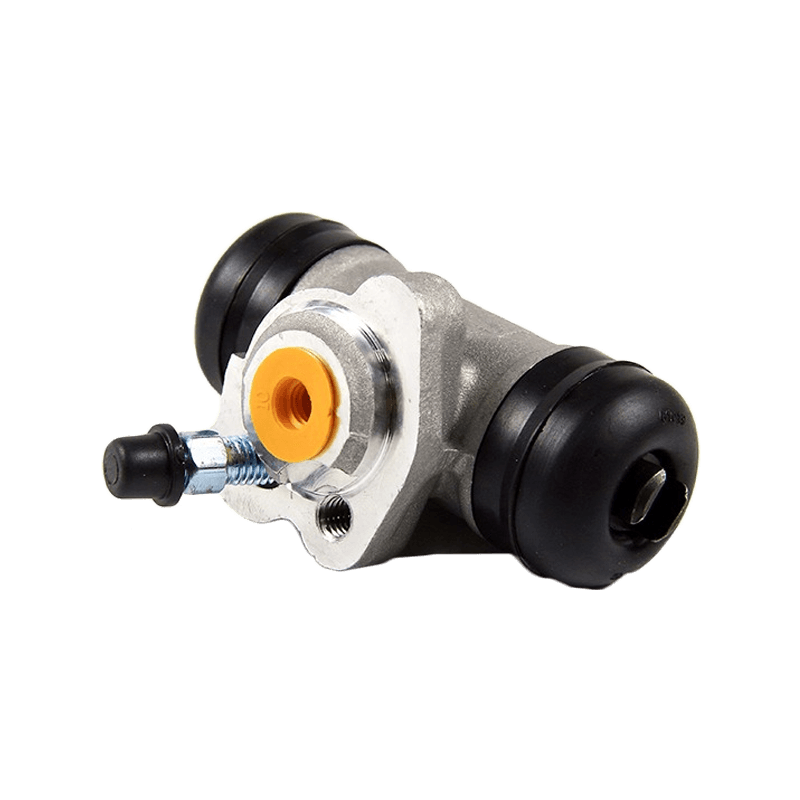
- The slave cylinder for leaks — a failed slave cylinder produces identical pedal symptoms to a failed master cylinder.
- The clutch pedal pushrod adjustment — if the pushrod has too much free play, the piston does not travel far enough to clear the compensating port, preventing pressure buildup.
Standard pushrod free play specification is 0.04–0.20 inches (1–5 mm) depending on vehicle application — check the service manual for the specific value before adjusting.
Problem 5 — Clutch Pedal Returns High or Sticks Up
A pedal that does not return fully to its resting position after being released — or returns sluggishly — indicates that the compensating port is blocked. A swollen secondary seal (caused by incompatible fluid or aged rubber) can expand to partially obstruct this small-diameter port. When the port is blocked, fluid trapped in the pressure chamber cannot return to the reservoir, creating a residual hydraulic lock that holds the clutch partially disengaged and causes premature release bearing wear.
Diagnostic Checklist: Confirming Master Cylinder Failure Before Disassembly
Run through this sequence before removing any components. It takes less than 15 minutes and eliminates the most common misdiagnoses.
| Test | Procedure | Result Indicating Master Cylinder Fault | Result Indicating Other Component |
|---|---|---|---|
| Pedal hold test | Depress pedal firmly, hold 30 seconds | Pedal sinks slowly to floor | Pedal holds firm (slave or line issue) |
| Fluid level check | Inspect reservoir cap and fluid level | Low fluid with no external leak visible | Low fluid with visible external leak |
| Bleed response test | Full hydraulic bleed, then test pedal feel | Firms up then returns spongy within 2–3 days | Stays firm (bleed was sufficient) |
| Pushrod free play check | Measure free play at pedal before resistance | Within spec (1–5 mm); master cylinder suspected | Excessive free play: adjust pushrod first |
| External leak inspection | Clean area, cycle pedal 10 times, inspect | Seepage at pushrod boot or body | Leak at line fitting (torque first) |
| Fluid condition check | Draw fluid sample, check color and smell | Dark brown, cloudy, or petroleum smell | Clear to light amber (normal DOT fluid) |
Step-by-Step Repair: Rebuild vs. Full Replacement
Once master cylinder failure is confirmed, choose between rebuilding the existing unit with a seal kit or installing a complete replacement unit. The decision depends on bore condition.
When to Rebuild (Seal Kit Repair)
Rebuilding is appropriate when the bore is clean, smooth, and free of visible scoring or pitting. Inspect the bore under bright light with a small flashlight after cleaning with brake cleaner. A serviceable bore should appear uniformly polished with no grooves, rust pitting, or discoloration deeper than the surface.
- Remove the master cylinder from the firewall. Plug the fluid line immediately with a clean rubber cap to prevent contamination and minimize fluid loss. Do not allow DOT fluid to contact painted surfaces — it strips automotive paint rapidly.
- Disassemble the piston assembly by removing the retaining circlip at the open end of the bore. The piston, springs, and seals will slide out as a unit. Note the orientation of each seal — primary cup faces the pressure side (toward the outlet port); secondary cup faces the reservoir side.
- Clean the bore thoroughly with fresh DOT brake fluid and a bore-appropriate brush. Never use petroleum-based cleaners inside the bore — any residue will contaminate the new seals immediately.
- Inspect the bore diameter with an inside micrometer at three points along its length. If any measurement exceeds the service limit (typically nominal bore diameter plus 0.006 inches / 0.15 mm), replace the complete unit.
- Install new seals lubricated only with clean DOT brake fluid or the assembly lubricant supplied in the rebuild kit. Do not use petroleum-based grease. Assemble in reverse order, ensuring the primary cup seal lip faces away from the reservoir (toward the outlet).
- Reinstall, fill, and bleed the complete system. Begin bleeding at the furthest point from the master cylinder and work progressively closer. Continue until no air bubbles appear in the fluid stream at the bleeder valve.
When to Replace the Complete Unit
Replace the entire master cylinder rather than rebuilding when: the bore shows scoring or pitting; the unit has been contaminated with petroleum-based fluids (the aluminum bore may be corroded beyond the surface); or the vehicle has above 150,000 miles and the existing unit has never been serviced. A rebuilt unit with a damaged bore will fail again within weeks regardless of seal quality. Full replacement restores the original bore geometry and eliminates all uncertainty.
Hydraulic Clutch Bleeding: The Critical Step Most Repairs Skip
An improperly bled hydraulic clutch system will exhibit soft, spongy pedal symptoms regardless of how well the master cylinder was repaired or replaced. Proper bleeding removes all air from the system. The line chart below illustrates the relationship between bleeding completeness and pedal firmness, showing how pedal travel distance to engagement point decreases as air is progressively purged.
Two effective bleeding methods for hydraulic clutch systems:
- Gravity bleeding: Open the slave cylinder bleeder valve one full turn, keep the reservoir topped up, and allow gravity to push fluid and air through the system for 15–20 minutes. Close the bleeder and check pedal feel. Effective for systems with minimal air but slow for severely air-contaminated circuits.
- Pedal bleeding (two-person method): With an assistant slowly depressing the pedal, open the bleeder valve until fluid flows, then close before the pedal reaches the floor. Repeat until no bubbles appear. Never allow the reservoir to run dry during this process — introducing air at the master cylinder undoes all previous bleeding work.
Always use fresh fluid from a sealed container for bleeding. Brake fluid absorbs moisture from air; an opened container sitting on a shelf can absorb enough moisture to lower its boiling point by 25–40°C (45–72°F) within 12 months.
Hydraulic Clutch Fluid Selection and Maintenance Intervals
Using the correct fluid and changing it on schedule is the single most effective way to extend master cylinder seal life and prevent the most common failure modes.
| Fluid Type | Dry Boiling Point | Wet Boiling Point | Compatible with DOT 3/4? | Recommended Change Interval |
|---|---|---|---|---|
| DOT 3 | 205°C (401°F) | 140°C (284°F) | Yes (with DOT 4) | Every 2 years or 30,000 miles |
| DOT 4 | 230°C (446°F) | 155°C (311°F) | Yes (with DOT 3) | Every 2 years or 30,000 miles |
| DOT 5.1 | 270°C (518°F) | 180°C (356°F) | Yes (glycol-based) | Every 2 years |
| DOT 5 (silicone) | 260°C (500°F) | 180°C (356°F) | No — never mix | Every 3 years (non-hygroscopic) |
Never mix DOT 5 silicone fluid with DOT 3, 4, or 5.1 glycol-based fluids. They are chemically incompatible and the resulting mixture will gel, blocking the compensating port and destroying all rubber seals in the system. If silicone fluid contamination is suspected, the entire hydraulic circuit requires complete disassembly, cleaning, and reassembly with new seals before refilling.
Frequently Asked Questions About Hydraulic Clutch Master Cylinders
Q1: How do I tell if the problem is the master cylinder or the slave cylinder?
Use the pedal hold test. Depress the clutch pedal firmly and hold it for 30 seconds. If the pedal sinks slowly toward the floor under steady pressure, the master cylinder is bypassing internally. If the pedal holds firm but the clutch still does not disengage properly, suspect the slave cylinder or a hydraulic line leak. Inspect the slave cylinder body and mounting area for fluid seepage to confirm.
Q2: Can I drive with a leaking hydraulic clutch master cylinder?
Only for a very short distance in an emergency, and only if the fluid level remains above the minimum mark. Once the reservoir empties, the system loses hydraulic prime entirely and the clutch will not disengage at all — leaving the vehicle immovable. Additionally, DOT fluid leaking onto the firewall or clutch pedal mechanism creates a slip hazard and may damage wiring harnesses. Repair should not be deferred.
Q3: What is the typical service life of a hydraulic clutch master cylinder?
Most master cylinders last 80,000–150,000 miles under normal conditions with regular fluid changes. Service life is shortened significantly by infrequent fluid changes (moisture accumulation corrodes the bore), use of incompatible fluid, and high-heat operating conditions such as frequent trailer towing or mountain driving. Regular fluid replacement every 2 years is the most effective preventive maintenance.
Q4: Do I need to replace the slave cylinder at the same time as the master cylinder?
Not always, but it is strongly recommended if the slave cylinder has comparable mileage or if fluid contamination caused the master cylinder failure. Both components share the same hydraulic fluid and experience similar seal degradation rates. Replacing only the master cylinder in a contaminated system will cause premature failure of the new unit within months. If the slave cylinder is concentric (mounted inside the bellhousing), factor in the additional labor cost of transmission removal before deciding — at that point, simultaneous replacement is almost always the more economical approach.
Q5: Why does my clutch pedal feel spongy immediately after a complete fluid change and bleed?
A spongy pedal directly after bleeding almost always means the system was not bled completely. Air pockets collect at high points in the hydraulic line, particularly at the master cylinder outlet and at any union fittings with an upward loop. Repeat the bleed procedure with the vehicle raised at the front if possible to help air migrate toward the highest bleed point. If the pedal remains spongy after two complete bleeding cycles using proper technique, the master cylinder's internal seal is drawing air on each return stroke — indicating internal failure.
Q6: Is it safe to use a rebuild kit instead of a new master cylinder unit?
Yes — provided the bore passes inspection. A rebuild with quality seals on a bore in good condition will restore full function and can provide service life comparable to a new unit. The key requirements are: a smooth, unscored bore; thorough cleaning with DOT-compatible solvent only; correct seal orientation during reassembly; and lubrication of new seals exclusively with clean DOT fluid. If the bore shows any scoring, pitting, or has been contaminated with petroleum-based products, replace the complete assembly — a rebuild on a damaged bore will fail rapidly regardless of seal quality.

CONTACT INFOR.
-
 +86-152 5110 1941
-
 Info@yanitiger.com
-
 +86-152 5110 1941
-
 Building 5, Yancheng Financial City, No. 5 Century Avenue, Yancheng City, Jiangsu Province, China
Copyright © Yancheng Yanitiger Auto Parts Co., Limited All Rights Reserved. Custom Automobile Brake Products Factory OEM Automobile Brake Products Manufacturers
