
 English
 Português
 Español

A car rolls into the delivery bay with eight miles on the clock, a fresh engine, and a folder of paperwork. On page 214 of the owner's manual there is one short paragraph: keep engine speed moderate, vary your speed, avoid towing for the first 1,000 miles. That paragraph is the plain answer to "what's the break-in in a car."
Break-in — engineers call it run-in — is the first few hundred to roughly 1,000 miles of a vehicle's life, when freshly machined surfaces wear off their microscopic high spots and settle into a stable fit. It applies to piston rings and cylinder bores, gearbox bearings, brake pads pressed against new rotors, and even new tires. Get it right and the engine seals better, burns less oil, and the brakes feel predictable instead of grabby.
Where Break-In Actually Happens
Most of the wear that matters happens in the first hours of running, not the first year. Even a modern machined bore carries a surface roughness measured in microns, and the ring face only mates properly with the cylinder wall after a few hundred load and heat cycles. Until then, blow-by is higher, oil consumption is higher, and the engine runs a little warmer than it will later in life.
The engine gets all the attention, but it is not the only part settling in. Gearbox and differential gears lap themselves into a wear pattern, wheel bearings seat, new tires scrub off their mold-release compound, and brake pads build a friction layer on the rotor face. Different components, same principle: gentle, varied load first, hard use later.
How Long Does a Break-In Period Last?
For a typical passenger car, the window is short. The Hartford's consumer guidance puts it at 500 to 1,000 miles, which works out to one or two months of everyday driving. Consumer Reports has noted that most manufacturers still publish a break-in procedure even though machining tolerances are far tighter than they were in the 1970s — the surfaces are more accurate, but they are still not perfectly matched.
Some vehicles ask for more. Performance engines, diesels, and heavy-duty pickups frequently specify 1,000 to 1,500 miles, and a few high-output models call for an early oil change at around 1,000 miles. The owner's manual for your specific model always overrides general advice, including anything you read here.
The Practices That Matter Most
Break-in is less about driving slowly and more about driving inconsistently. Constant load is the enemy; varied load is what seats parts evenly.
Vary engine speed
Long stretches at one rpm load the same ring area. Mix city work with highway running and change gear a little more often than habit suggests.
Skip cruise control early on
Cruise holds a constant load for hours at a time. Leave it switched off until the first 1,000 miles are behind you.
Keep loads light
No towing, no roof box, no five adults plus luggage in the first 1,000 miles. Extra weight means extra cylinder pressure and heat before the rings have seated.
Warm up by driving
Ten minutes of idling warms almost nothing useful. Pull away at moderate throttle; the engine reaches temperature faster under light load.
Use engine braking
Closed-throttle deceleration creates manifold vacuum that helps rings press against the bore. It costs nothing and saves brakes.
Watch the fluids
Check oil and coolant at around 500 miles. A new engine can consume a little oil while it seats — running it low is what actually causes damage.
Typical Break-In Limits at a Glance
| Item | Common guidance | Why it matters |
|---|---|---|
| Engine speed | Keep below roughly 4,000 rpm; avoid lugging under heavy throttle | High rpm loads new bearings, while low-rpm full throttle stresses rings unevenly |
| Road speed | Vary speed rather than holding one figure for long periods | Constant light load can glaze the bore instead of seating the rings |
| Towing and heavy loads | Avoid for the first 1,000 miles | Heat and cylinder pressure rise before the ring seal is established |
| First oil change | Usually the normal interval; occasionally earlier on performance engines | Fine metal particles from the first miles are normal and are caught by the filter |
| Brake bedding | 200-500 miles of mixed driving | Builds an even friction layer on the rotor and prevents glazing |
| New tires | About 100-200 miles | Mold-release compound wears off and full grip returns |
Brakes and Clutch Need Their Own Break-In
New pads do not arrive with full friction. They need a transfer layer — a thin, even film of pad material bonded onto the rotor face — before bite is consistent and quiet. That takes roughly 200 to 500 miles of ordinary driving, and it goes wrong fastest when a driver leaves the parts shop and immediately performs ten hard stops from highway speed. The result is glazing, a shiny hard pad surface, and noise that no amount of cleaning will fix.
 Ceramic Brake Pads for BMW OE 34116851269, 34116775318, 34116775322Ceramic replacement pads with OE-shaped backing plates; confirm axle, calipper type, and OE number, then follow proper bed-in to avoid glazing.View Product →
If a caliper, hose, or master cylinder is replaced at the same time, the hydraulic side matters as much as the friction side. Air trapped in the circuit gives a long, soft pedal, and a fresh caliper needs a full bleed before it can build pressure evenly on both sides of the disc. Aftermarket buyers see this often in kits where the component is correct but the installation sequence was rushed.
 Automobile Brake Caliper for Hydraulic Brake System InquiriesHydraulic brake caliper offered by inquiry; confirm model, fitment, and bleed requirements before replacing a caliper in the brake circuit.View Product →
Manual cars have a parallel story. A new clutch disc needs 300 to 500 miles of smooth engagement to bed against the flywheel; repeated hard launches in that window create hot spots that show up later as judder. Our brake system parts pages list friction and hydraulic components by OEM number, which helps installers match the right part the first time instead of the third.
Myths and Warranty Reality
- "Modern cars don't need it." Most manufacturers still print a procedure, and Consumer Reports has confirmed the practice survives into current model years.
- "Drive it hard to seat the rings." Racing shops do this on a dyno with controlled load and immediate oil changes, not on a public road with a cold gearbox.
- "Change the oil at 500 miles." Usually unnecessary; engine oil and filters are built for the debris of a first run. Follow the manual unless it says otherwise.
- "Break-in only covers the engine." Brakes, clutch, tires, and driveline all have their own short windows.
On warranty, abuse in the first 1,000 miles rarely voids coverage by itself. But modern vehicles log engine speed, load, and temperature, and a documented over-rev immediately after delivery can complicate an engine claim. Keeping service receipts is the cheapest insurance available.
What to Do After the Window Closes
Once the first 1,000 miles are done, the car needs nothing exotic — just a normal service and a look at the parts that break in silently.
- Book the first service at the interval in the manual, not earlier unless specified.
- Check brake fluid level and pedal feel if any hydraulic part was replaced; our brake system maintenance guide covers the inspection points.
- Re-check wheel bolt torque after 50-100 miles on alloy wheels, especially after a brake job.
- Note oil level at each fuel stop for the first few thousand miles — a trend tells you more than a single reading.
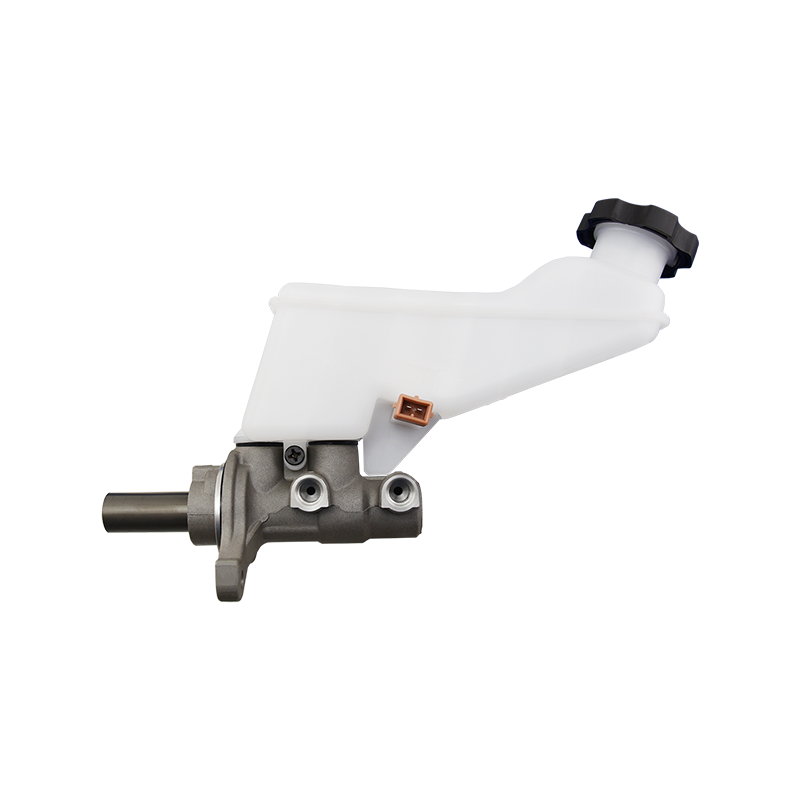 Brake Master Cylinders for Passenger and Light Commercial VehiclesOE-reference replacement master cylinders across many platforms; inspect the hydraulic side for a soft pedal and verify bore, ports, reservoir, and ABS interface.View Product →
If the pedal feels longer or softer than it did at delivery, stop guessing and inspect the hydraulic side: a small internal leak in a master cylinder behaves exactly like air in the lines.
Frequently Asked Questions
Q1. What is the break-in period on a new car?
It is the first 500 to 1,000 miles, when new engine, brake, and driveline parts wear into a stable fit. Follow the manual's rpm, speed, and load limits during that window.
Q2. Do new cars still need a break-in period?
Yes. Tolerances are tighter than decades ago, but most manufacturers still publish a procedure, and rings, pads, and tires still need gentle, varied use at first.
Q3. Can I use cruise control or tow during break-in?
Leave cruise off for the first 1,000 miles and avoid towing or heavy loads until then. Constant load and extra heat prevent rings from seating evenly.
Q4. How long do new brake pads take to break in?
Around 200 to 500 miles of mixed driving. Avoid repeated hard stops in the first few hundred miles, which can glaze the pads and cause squeal.
Q5. Should I change the oil right after break-in?
Usually no — follow the manual's first service interval. A few high-performance engines do call for an early change, so check the maintenance schedule for your model.
Q6. What happens if I ignore the break-in period?
Consequences are rarely instant: higher oil consumption, glazed pads, uneven tire wear, and a noisier driveline later on. Warranty claims can also get harder if logged data shows abuse.