 Search
 Eng
Eng 
 English
 Español
 Português


What is the purpose of braking system?
 2026.06.10
 Industry News
The primary purpose of a brake system is to slow down or completely stop a moving vehicle by converting kinetic energy into heat through friction. Without a reliable automotive brake system, controlling speed and preventing collisions would be impossible. Modern brakes in automobiles are precision-engineered to deliver consistent, safe stopping power across diverse road conditions, load weights, and speeds — making them the single most critical safety component in any vehicle.
Beyond simply stopping a car, the brakes purpose extends to vehicle stability control, downhill speed management, emergency hazard response, and driver confidence. Studies from global road safety agencies indicate that brake-related failures contribute to approximately 22% of all vehicle mechanical accident causes, underscoring why understanding and maintaining your brakes system is not optional — it is essential.
Content
- 1 How Does an Automotive Brake System Work?
- 2 Types of Brake System in Cars: A Complete Overview
- 3 Key Components of a Brake System Explained
- 4 The Purpose of Brakes in Automobiles: Beyond Stopping
- 5 Brake Maintenance Intervals and Inspection Guidelines
- 6 Global Automotive Brake System Market Trends
- 7 About Yancheng Yanitiger Auto Parts Co., Limited
- 8 Frequently Asked Questions About Brake Systems
Top Causes of Vehicle Mechanical Accidents (%)
This horizontal bar chart illustrates that brake failure is the leading mechanical cause of traffic accidents globally, accounting for 22% of all vehicle-related mechanical incidents. Tyre issues follow at 18%, with steering defects, lighting failure, and suspension problems rounding out the top five causes. These statistics reinforce why investing in a high-quality automotive brake system and maintaining it on a regular schedule is not just about performance, but about protecting lives. Regular inspection and timely replacement of brake components can significantly reduce this risk.
How Does an Automotive Brake System Work?
An automotive brake system functions on the principle of friction-generated deceleration. When the driver presses the brake pedal, force is transmitted through a hydraulic or mechanical linkage to the wheel braking assemblies. In hydraulic systems — which dominate modern passenger vehicles — brake fluid transmits the pedal force to the calipers or wheel cylinders, which press brake pads or shoes against rotating discs or drums. The resulting friction converts vehicle momentum into thermal energy, slowing the wheels and ultimately stopping the car.
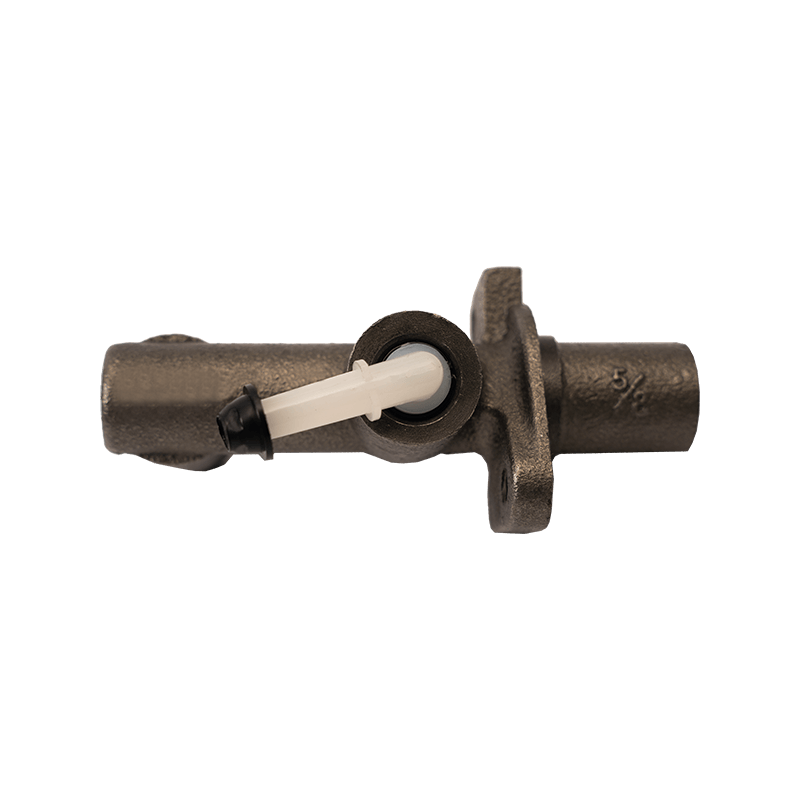
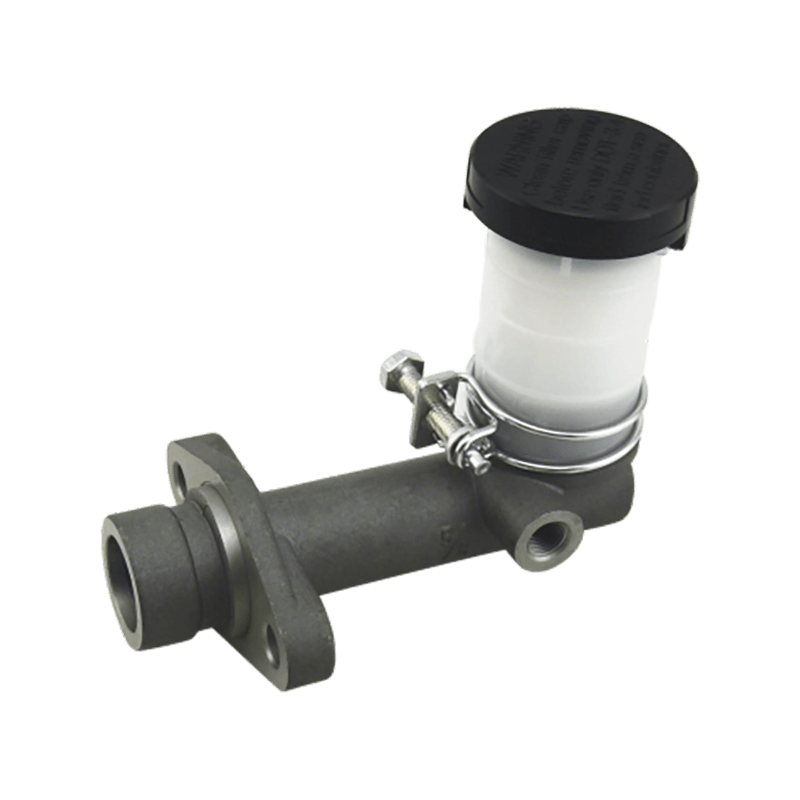
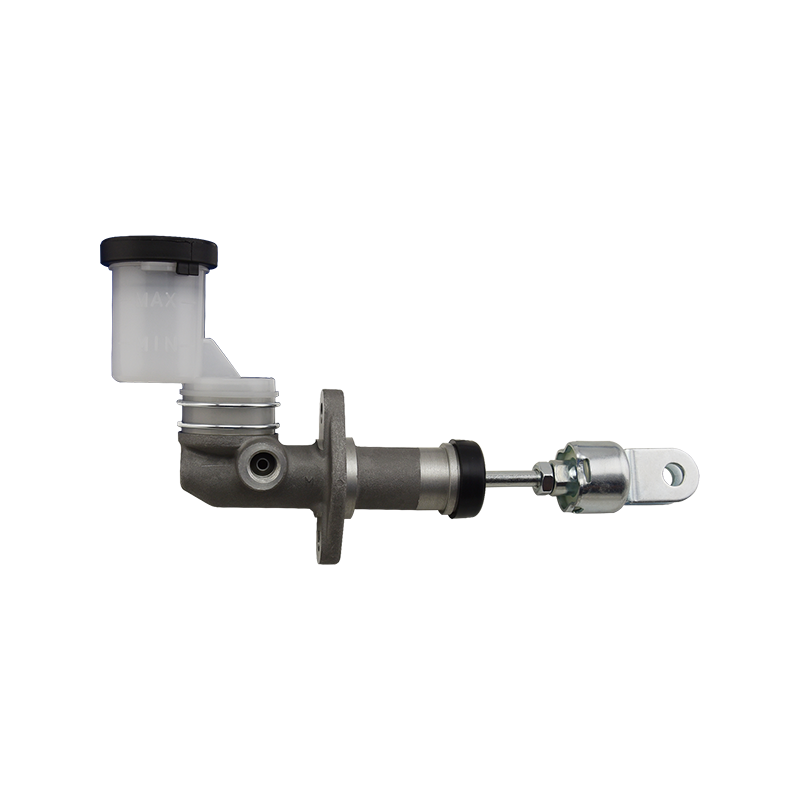
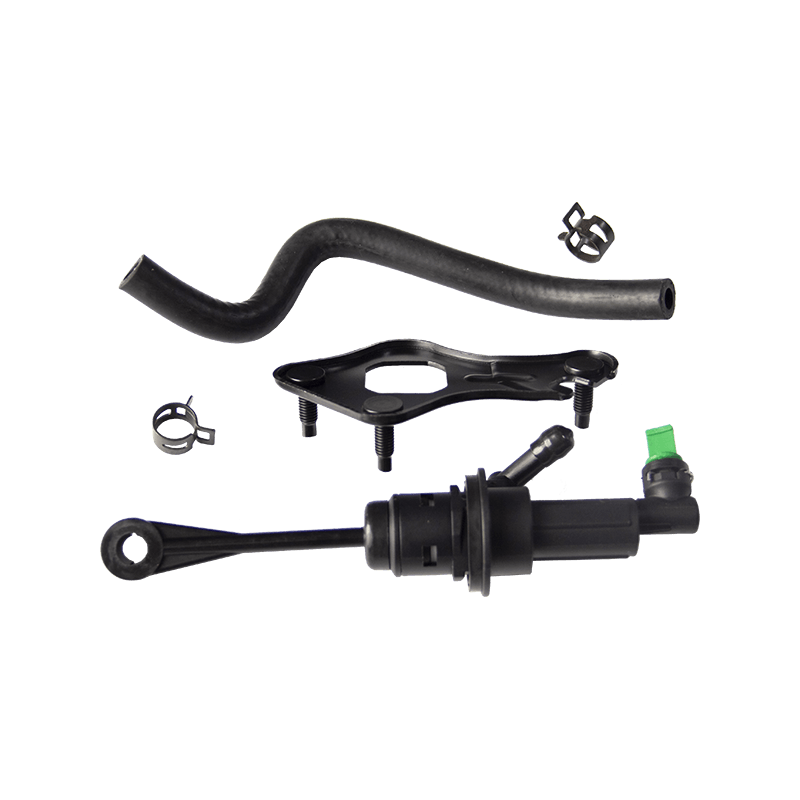
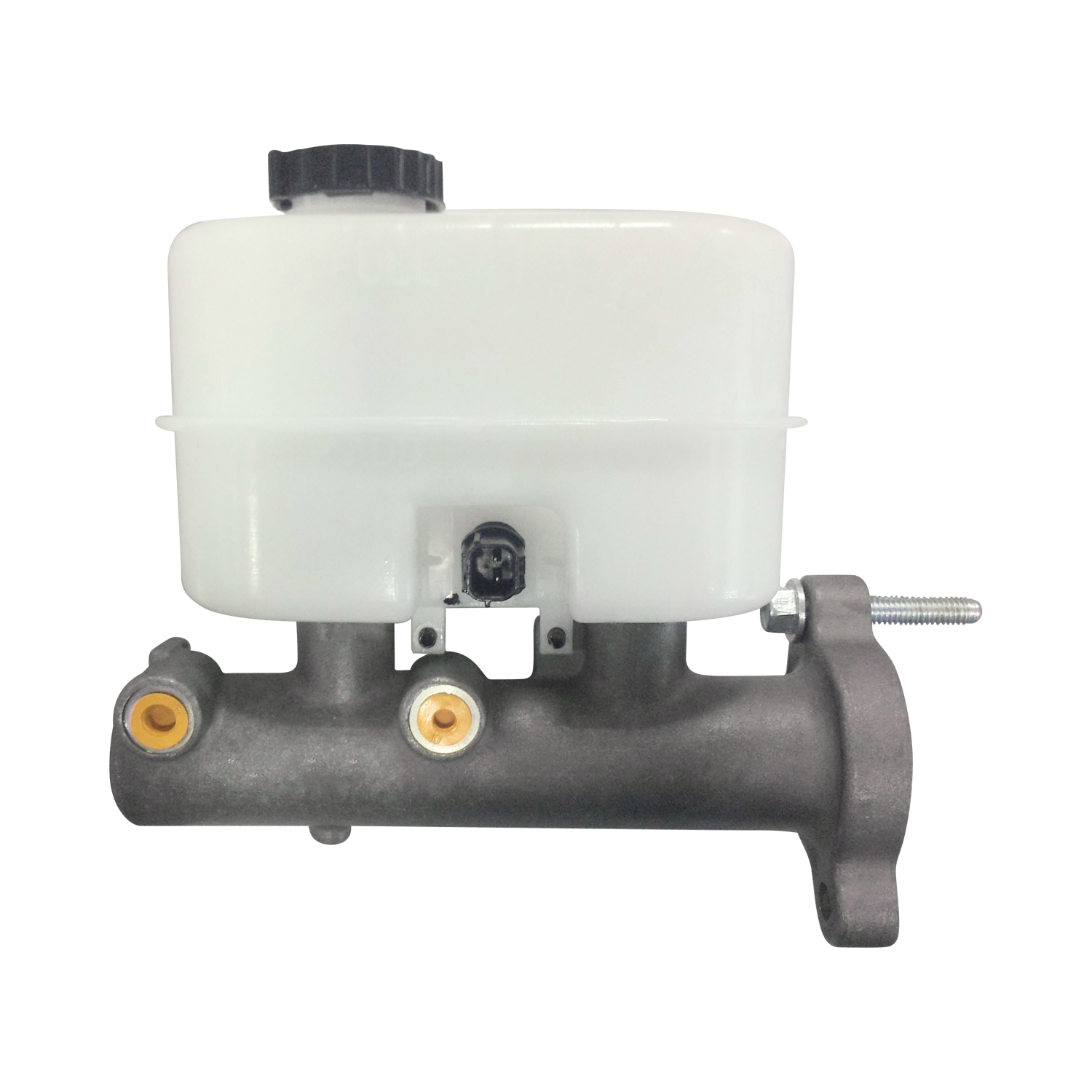
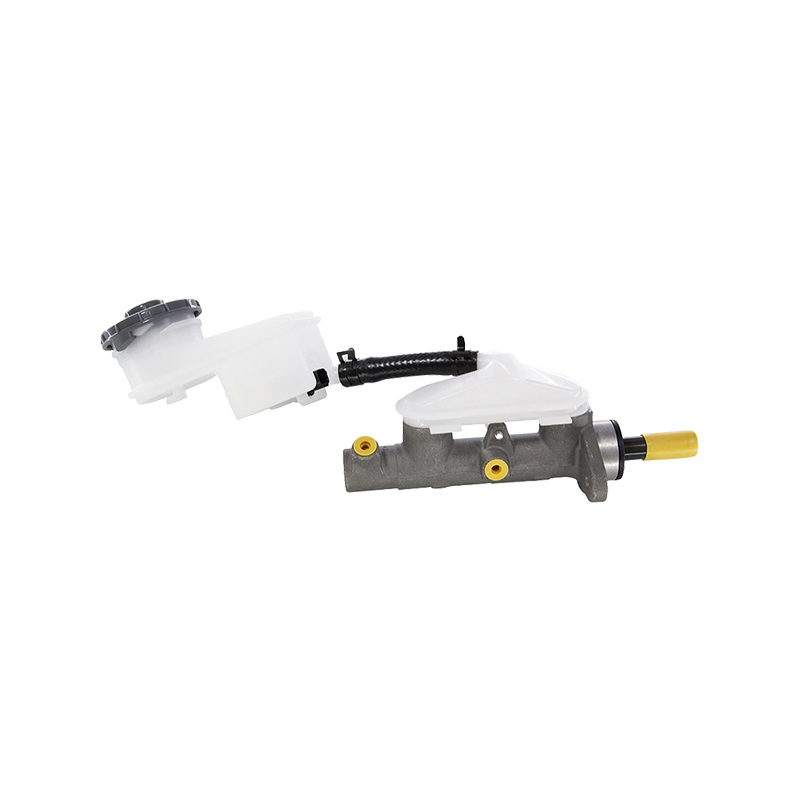
The brake master cylinder is the heart of the hydraulic circuit. It pressurizes the brake fluid when the pedal is depressed, sending that pressure through brake lines to each wheel assembly. The brake slave cylinder (also known as the wheel cylinder in drum brake setups) receives that pressure and actuates the friction material. In disc brake calipers, a similar process occurs, with hydraulic pressure pushing brake pads against a rotor with tremendous force — often exceeding 1,000 psi in heavy braking situations.
Modern vehicles often incorporate electronic enhancements such as Anti-lock Braking Systems (ABS), Electronic Brakeforce Distribution (EBD), and Electronic Stability Control (ESC), all of which rely on the fundamental hydraulic brakes system as their physical foundation. These electronic aids modulate braking pressure multiple times per second to maintain steering control during emergency stops.
Braking Distance vs. Vehicle Speed (Dry Road Conditions)
This line chart demonstrates how braking distance increases non-linearly with speed. At 30 km/h, a well-maintained disc brake system can stop a vehicle in approximately 5 meters. However, at 130 km/h, that same vehicle may require over 76 meters of clear road to come to a full stop. This exponential relationship highlights why brake system condition is so critical at highway speeds — even a 10% reduction in braking efficiency can add several additional meters to your stopping distance, dramatically increasing collision risk. Drivers should always ensure their brake pads, rotors, and fluid levels are within specification for their expected driving conditions.
Types of Brake System in Cars: A Complete Overview
Understanding the types of brake system in cars helps drivers, mechanics, and fleet managers make informed decisions about maintenance and upgrades. Each system type has been developed for specific applications, offering different trade-offs between cost, heat management, stopping power, and durability.
Disc Brake Systems
Disc brakes are the dominant choice for front axles — and increasingly rear axles — in modern passenger vehicles. A cast iron or composite rotor spins with the wheel, while hydraulically actuated calipers clamp brake pads against the rotor face. The open design allows excellent heat dissipation, which reduces brake fade during prolonged or heavy braking. Disc brake systems can handle temperatures exceeding 300°C in normal use, with performance variants designed for even greater thermal loads.
Drum Brake Systems
Drum brakes remain widely used on rear axles of economy vehicles and commercial trucks. Inside a hollow drum that rotates with the wheel, curved brake shoes with friction lining are pressed outward by the wheel cylinder against the drum's inner surface. While drum brakes are cost-effective and provide good holding force for parking brakes, they are more susceptible to heat buildup — a phenomenon called "brake fade" — due to their enclosed design.
Hydraulic Brake Systems
Virtually all modern road vehicles use hydraulic brakes systems. Pascal's Law governs their operation: pressure applied to an enclosed fluid is transmitted equally in all directions. The driver's foot force is amplified by the brake booster (usually vacuum-assisted) and then multiplied further by the hydraulic advantage of the master-cylinder-to-caliper piston area ratio. This allows a driver to generate over 2 tons of clamping force at the wheel with minimal pedal effort.
Mechanical / Parking Brake Systems
The parking or emergency brake operates independently from the hydraulic circuit, typically using a cable to mechanically actuate rear brakes. Modern vehicles increasingly replace cable-operated handbrakes with Electronic Parking Brakes (EPB), which use small electric motors integrated into the rear calipers, activated by a dashboard button.
Performance Score by Brake System Type (Out of 100)
The column chart above compares disc brakes, drum brakes, and ABS-enhanced systems across four performance dimensions: stopping power, heat resistance, cost efficiency, and durability. Disc brakes lead in stopping power (97/100) and durability (93/100), while drum brakes offer superior cost efficiency (93/100) making them popular on budget vehicles and commercial applications. ABS-enhanced systems score a perfect 100 on stopping power when measured by their ability to maintain directional control during emergency stops, demonstrating why they have become standard equipment on nearly all new vehicles sold worldwide. Understanding these differences helps consumers and fleet managers select the right types of brake system in cars for their specific needs.
| Feature | Disc Brakes | Drum Brakes |
|---|---|---|
| Heat Dissipation | Excellent (open design) | Limited (enclosed) |
| Wet Performance | Good (self-cleaning) | Reduced (water collects) |
| Cost | Higher | Lower |
| Typical Application | Front axle / performance | Rear axle / economy |
| Inspection Ease | Easy (visible through wheel) | Requires drum removal |
Key Components of a Brake System Explained
A complete automotive brake system is a carefully engineered assembly of interdependent components. Each part plays a specific role, and the failure of even one element can compromise the entire system's safety and performance. Below is a breakdown of the most critical components found in modern vehicles.
- Brake Master Cylinder: Converts mechanical pedal force into hydraulic pressure. It contains a reservoir of brake fluid and a piston assembly that pressurizes the hydraulic circuit when the pedal is depressed.
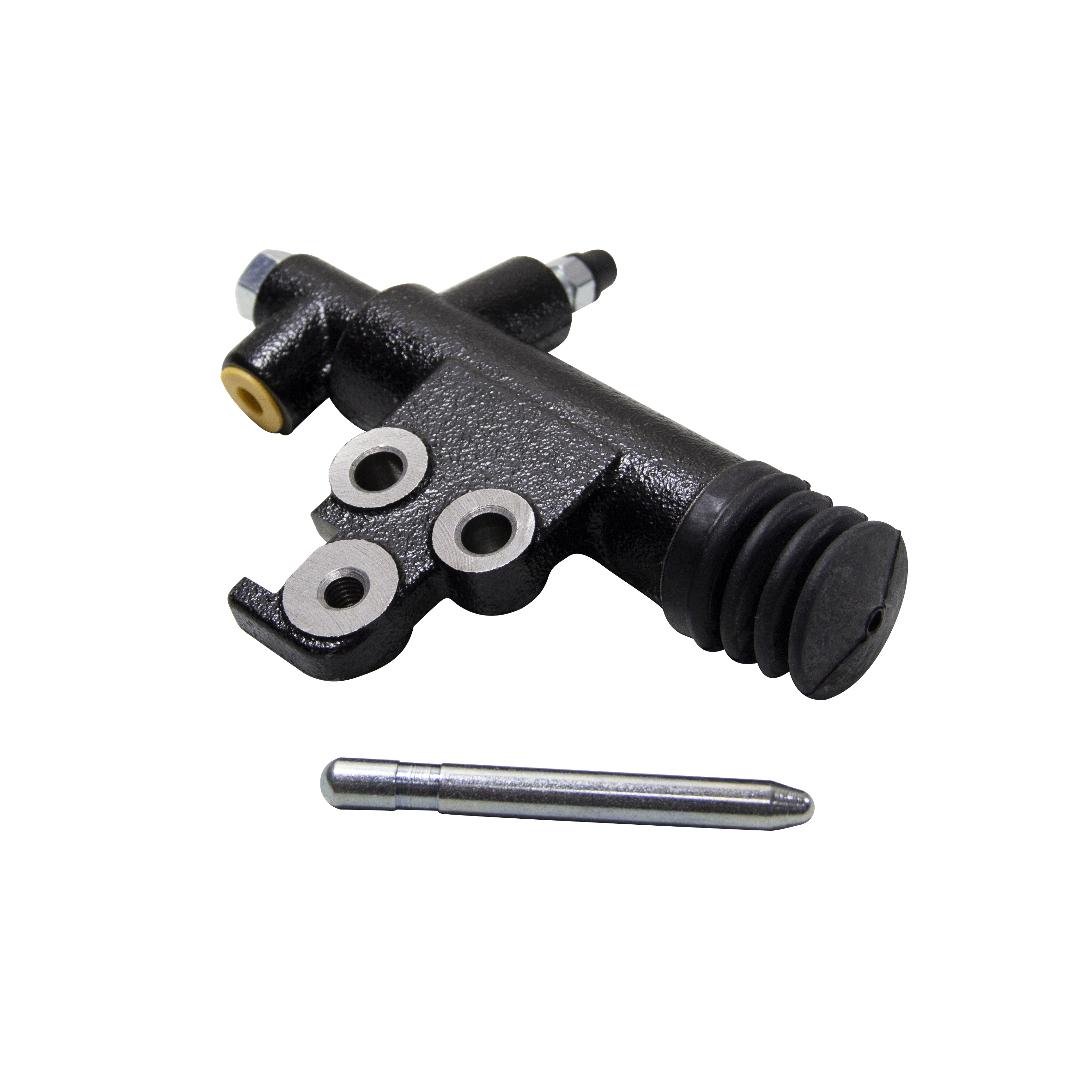
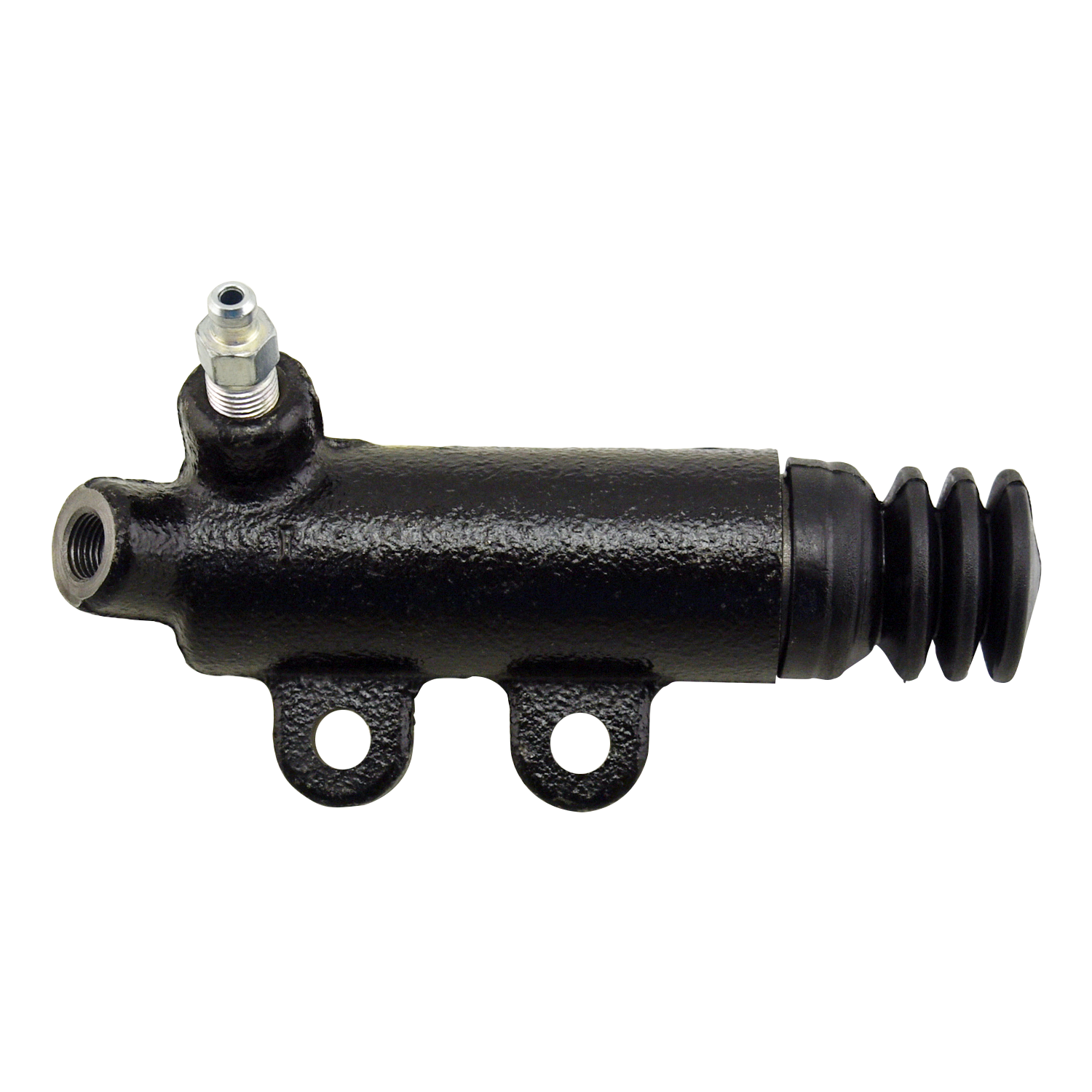
- Brake Slave Cylinder / Wheel Cylinder: Receives hydraulic pressure from the master cylinder and converts it back into mechanical force to actuate the brake shoes in drum brake systems.
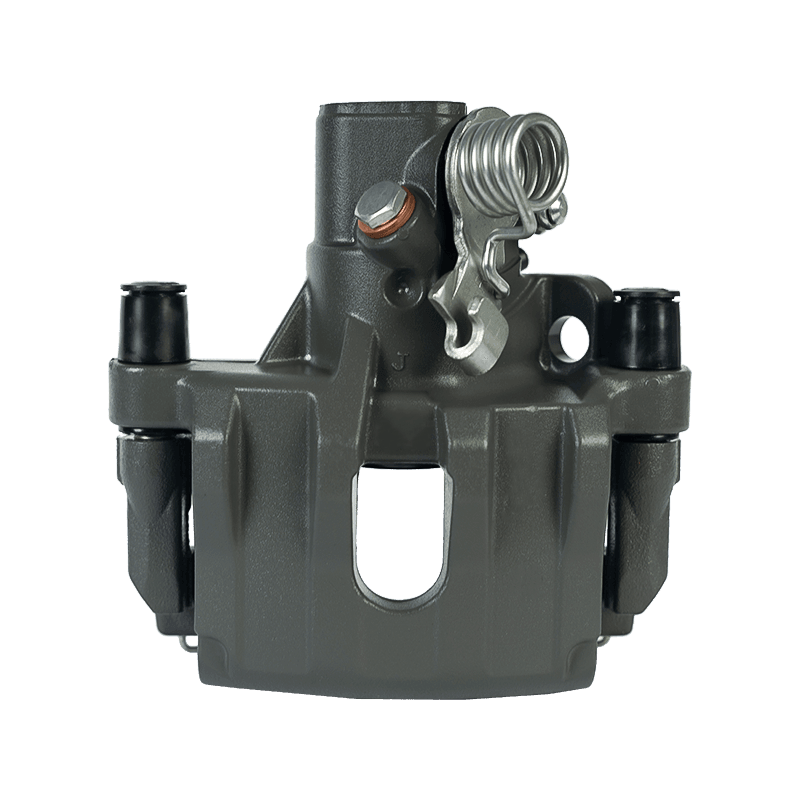
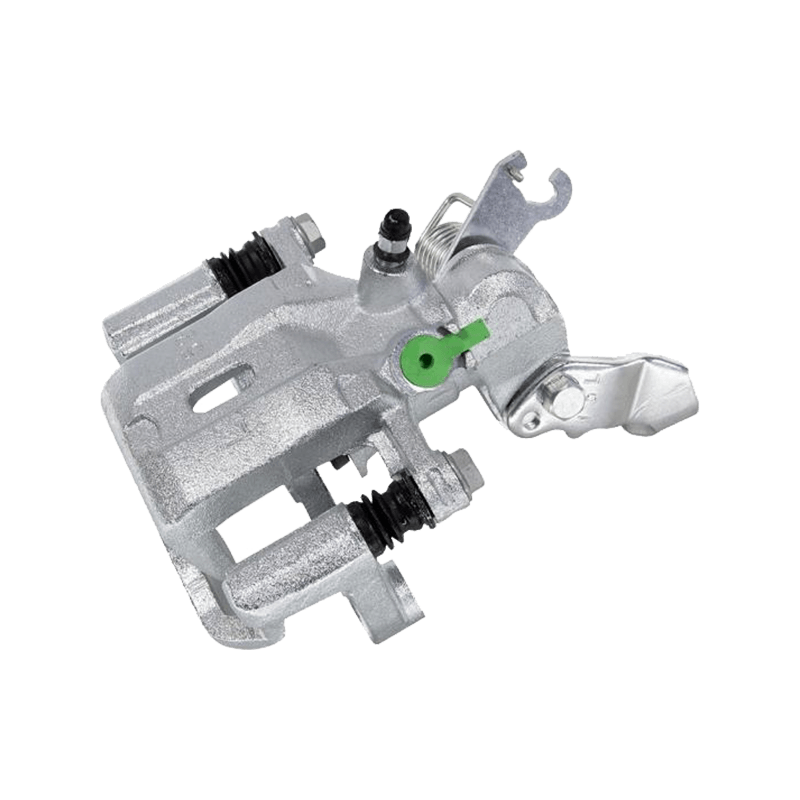
- Brake Calipers: House the brake pads and use hydraulic pistons to squeeze the pads against the disc rotor. Available in fixed and floating designs, with performance vehicles typically using multi-piston fixed calipers.
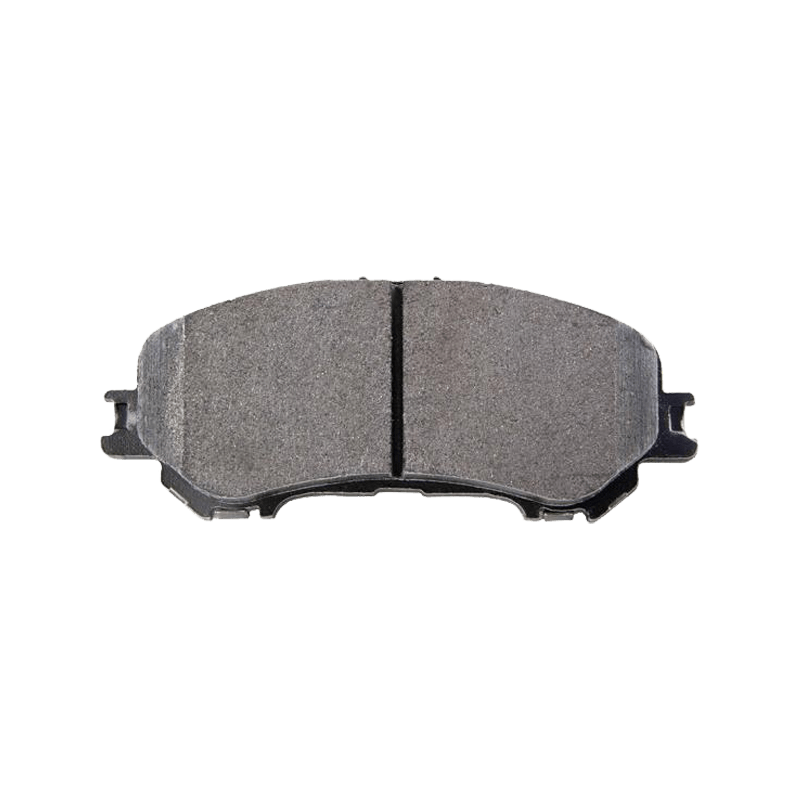
- Brake Pads: Friction material bonded to a steel backing plate, pressed against the rotor by the caliper. Pad compound selection significantly affects stopping distance, noise levels, and dust generation.
- Brake Rotors / Discs: Cast iron or composite discs that rotate with the wheel. The caliper's pads clamp against these surfaces to generate braking friction.
- Brake Shoes: Used in drum brake assemblies. Semi-circular friction-lined components that press against the inside of the drum when the wheel cylinder is actuated.
- Brake Fluid: A hygroscopic hydraulic fluid (typically DOT 3, 4, or 5.1) that transmits force through the hydraulic circuit. Its boiling point is critical — degraded fluid with absorbed moisture can vaporize under heavy braking, causing pedal fade.
- Brake Booster: Typically vacuum-assisted, this device amplifies the driver's pedal force before it reaches the master cylinder, reducing the physical effort required to achieve full braking force.
Brake Component Criticality Radar Chart
The radar chart maps five essential brake components by their criticality to overall braking safety. The brake master cylinder scores highest at 98, reflecting its role as the hydraulic hub of the entire brakes system. Brake pads rank second at 92 — they are the direct friction interface and the most frequently replaced component in the system. Calipers (89), brake fluid (87), and the brake booster (85) complete the picture, each playing vital roles in ensuring that the system delivers consistent, controllable stopping force every time the pedal is pressed. A deficiency in any one of these areas can significantly compromise overall braking performance and vehicle safety.
The Purpose of Brakes in Automobiles: Beyond Stopping
Most drivers think of the brakes purpose purely in terms of stopping the vehicle. In reality, the role of brakes in automobiles encompasses a much wider spectrum of safety and control functions that are active across virtually every driving scenario.
- Speed Regulation: Brakes enable precise speed adjustments in traffic, on curves, and during lane changes — not just full stops.
- Vehicle Stability: Differential braking between individual wheels (enabled by ABS and ESC systems) helps maintain directional stability during cornering or when traction is unequal.
- Downhill Speed Control: Engine braking combined with controlled brake application prevents dangerous speed buildup on extended descents, particularly important for trucks and commercial vehicles.
- Parking Security: The parking brake keeps a stationary vehicle from rolling on slopes or inclines, providing a mechanical lock independent of the primary hydraulic system.
- Emergency Response: In sudden hazard situations, the brake system must deliver maximum deceleration while allowing the driver to maintain steering control — a balance achieved through ABS technology.
According to National Highway Traffic Safety Administration (NHTSA) data, vehicles equipped with ABS (Anti-lock Braking System) have demonstrated up to 18% improvement in emergency stopping distances on wet pavement compared to vehicles with conventional brake systems. This improvement directly translates to reduced collision severity and accident frequency.
Brake Maintenance Intervals and Inspection Guidelines
A properly maintained brake system is not just a performance consideration — it is a legal and safety requirement in most jurisdictions. The specific intervals at which brake components should be inspected and replaced depend on vehicle type, driving style, load conditions, and environmental factors. However, general industry guidelines provide a reliable framework for most drivers.
| Component | Inspection Interval | Typical Replacement Interval | Warning Signs |
|---|---|---|---|
| Brake Pads | Every 10,000–15,000 km | 25,000–70,000 km | Squealing, longer stopping |
| Brake Rotors | Every 20,000 km | 50,000–100,000 km | Vibration, grooves, thickness below min |
| Brake Fluid | Annually | Every 2 years or 40,000 km | Spongy pedal, discolored fluid |
| Brake Shoes (Drum) | Every 20,000 km | 35,000–60,000 km | Pulling, reduced handbrake effectiveness |
| Master Cylinder | Every major service | As needed / 120,000+ km | Fluid leak, pedal sinking |
Brake Pad Thickness Wear Over Mileage (mm)
This area-line chart tracks the gradual wear of brake pads from new (12mm) to the replacement threshold (approximately 2–3mm) over a vehicle's service mileage. Most manufacturers recommend replacing brake pads when thickness drops below 3mm to maintain adequate braking performance. The shaded danger zone at the bottom of the chart represents the range at which braking efficiency becomes critically compromised and metal-on-metal contact between the caliper piston and rotor becomes imminent. Drivers who regularly check their brake pad thickness — either visually through the wheel spokes or during routine tire rotations — can avoid both safety hazards and costly rotor damage. Proactive replacement typically costs significantly less than reactive replacement that includes rotor resurfacing or replacement.
Global Automotive Brake System Market Trends
The global automotive brake system market has seen sustained growth driven by rising vehicle production volumes, increasingly stringent safety regulations, and the growing adoption of advanced driver assistance systems (ADAS). According to industry analyses, the brake system components market was valued at approximately USD 28.5 billion in 2023 and is projected to reach over USD 42 billion by 2030, representing a compound annual growth rate (CAGR) of around 5.6%.
Key growth drivers include the expansion of electric vehicle (EV) production — which uses regenerative braking but still requires traditional friction braking as a backup — alongside increasing aftermarket demand in developing regions where vehicle fleets are aging. The Asia-Pacific region, particularly China, India, and Southeast Asia, represents the fastest-growing market segment for brake system components, driven by rapid motorization and expanding commercial vehicle fleets.
Global Automotive Brake System Market Size (USD Billion, 2020–2030)
The line chart above demonstrates the consistent upward trajectory of the global automotive brake system market, growing from approximately $22 billion in 2020 toward a projected $39–42 billion by 2028–2030. This growth reflects not only increased global vehicle production but also the trend toward more sophisticated braking technologies in both passenger and commercial vehicle segments. The aftermarket sector — replacement brake pads, rotors, calipers, and cylinders — constitutes a substantial portion of this market value, particularly in regions with older vehicle fleets. Manufacturers and suppliers that maintain ISO9001 and TS16949 quality certifications are best positioned to capture this expanding demand.
About Yancheng Yanitiger Auto Parts Co., Limited
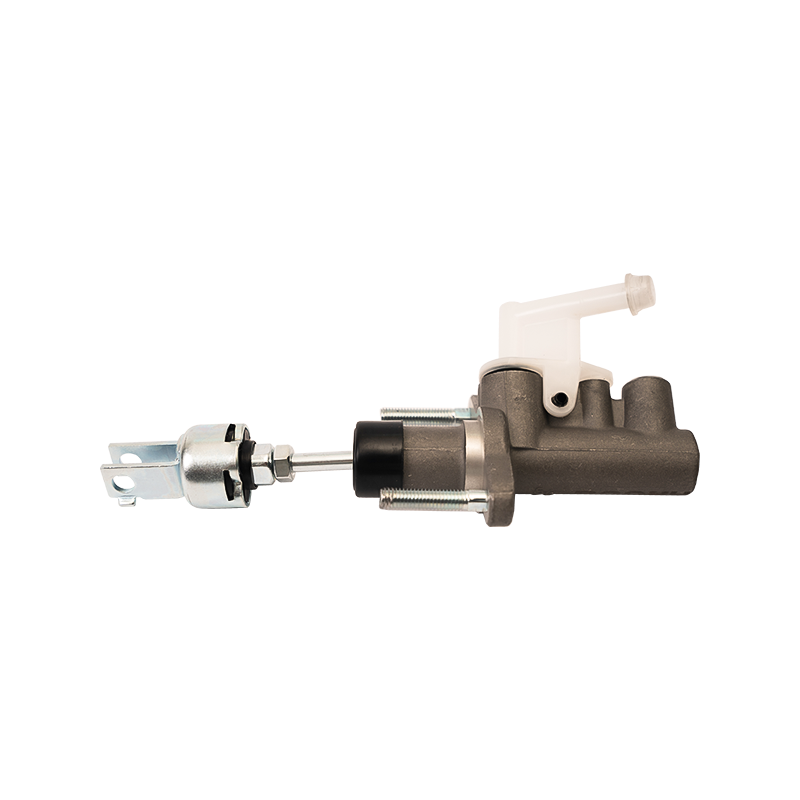
Yancheng Yanitiger Auto Parts Co., Limited is a professional China Automobile Brake System manufacturer and custom Automobile Brake System factory. Specializing in brake products, our main offerings include brake master cylinders, brake slave cylinders, clutch master cylinders, clutch slave cylinders, calipers, brake pads, and brake shoes. With professional and normative operations, we have developed more than 3,000 models of brake products to provide customers with competitive pricing and efficient service.
Our catalog includes more than 1,000 brake shoe and brake pad models covering European, American, Russian, Japanese, and Korean vehicles. The associated factories have established a highly experienced manufacturing team that exports thousands of auto part products worldwide. Our quality standards are validated by ISO9001 and TS16949 certifications, and we have built a trusted reputation across more than 30 countries. We look forward to building long-term, mutually beneficial partnerships with clients worldwide.
Frequently Asked Questions About Brake Systems
Q1. What is an automobile brake system?
An automobile brake system is the complete assembly of mechanical, hydraulic, and electronic components that work together to slow down and stop a vehicle. It typically includes the brake pedal, master cylinder, brake lines, calipers or wheel cylinders, rotors or drums, and friction materials (pads or shoes).
Q2. What are the main types of automotive brake systems?
The main types include disc brake systems, drum brake systems, hydraulic brake systems, mechanical/cable-operated parking brakes, and electronically enhanced systems such as ABS (Anti-lock Braking System) and EBD (Electronic Brakeforce Distribution). Most modern vehicles use a combination of these technologies.
Q3. How does a hydraulic brake system work?
A hydraulic brake system uses incompressible brake fluid to transmit force from the brake pedal to the wheel assemblies. When the pedal is pressed, the master cylinder pressurizes the fluid, which travels through sealed brake lines to the calipers or wheel cylinders, creating the clamping force needed to slow the vehicle.
Q4. What are the key components of a brake system?
Key components include the brake master cylinder, brake slave cylinders, brake calipers, brake pads, brake rotors (discs), brake shoes (for drum systems), brake drums, brake fluid, brake lines, and the brake booster. Each part plays a specific role in converting pedal force into controlled vehicle deceleration.
Q5. What is the difference between disc brakes and drum brakes?
Disc brakes use a caliper to squeeze brake pads against a spinning rotor, offering superior heat dissipation, wet-weather performance, and stopping power. Drum brakes press curved friction shoes against the inside of a rotating drum — they are simpler and more economical, making them common for rear axles on budget vehicles and heavy commercial applications.
Q6. How often should brake components be inspected?
Brake pads should be inspected every 10,000–15,000 km, or at each tire rotation. Rotors and drums should be checked every 20,000 km. Brake fluid should be tested annually and replaced every two years. If you notice squealing, grinding, a spongy pedal, or increased stopping distances, have the system inspected immediately regardless of mileage.

CONTACT INFOR.
-
 +86-152 5110 1941
-
 Info@yanitiger.com
-
 +86-152 5110 1941
-
 Building 5, Yancheng Financial City, No. 5 Century Avenue, Yancheng City, Jiangsu Province, China
Copyright © Yancheng Yanitiger Auto Parts Co., Limited All Rights Reserved. Custom Automobile Brake Products Factory OEM Automobile Brake Products Manufacturers
