 Search
 Eng
Eng 
 English
 Español
 Português


What is a brake?
 2026.06.16
 Industry News
A brake is a mechanical device that uses friction, hydraulic force, or electromagnetic resistance to slow or stop the motion of a vehicle or rotating component. In automotive applications, the car braking system converts kinetic energy into heat energy through friction between a moving part (rotor or drum) and a stationary friction material (pad or shoe), bringing the vehicle to a controlled stop. The purpose of the brake system is straightforward and critical: to give the driver reliable, repeatable control over vehicle deceleration, regardless of speed, load, or road conditions.
According to the National Highway Traffic Safety Administration (NHTSA), brake-related defects and failures contribute to approximately 22% of vehicle crashes caused by mechanical issues in the United States each year. This underscores why understanding the brake system of a car — its components, working principles, and maintenance requirements — is essential for every vehicle owner, technician, and fleet manager. Modern automotive brake systems are sophisticated assemblies that integrate hydraulics, friction materials, electronic sensors, and sometimes electromechanical actuators to deliver safe stopping performance across a wide range of operating conditions.
Content
- 1 The Purpose of a Brake System in a Car
- 2 How a Car Brake System Works: The Complete Hydraulic Circuit
- 3 Braking System Components: What Every Part Does
- 4 Types of Car Braking Systems: Disc, Drum, and Beyond
- 5 The Braking System on a Car: Electronic Safety Enhancements
- 6 Working of Brakes Under Thermal Stress: Fade and Heat Management
- 7 Brake System Maintenance: What to Inspect and When
- 8 About Yancheng Yanitiger Auto Parts Co., Limited
- 9 Frequently Asked Questions About Car Braking Systems
The Purpose of a Brake System in a Car
The brake system purpose goes well beyond simply stopping a moving vehicle. A well-designed car brake system must accomplish several distinct functions simultaneously: reducing speed on demand, maintaining vehicle stability during braking, holding the vehicle stationary on a slope (parking brake function), and in modern vehicles, cooperating with electronic stability and traction control systems to optimize safety.
The physics underlying working of brakes is rooted in Newton's Second Law and the principles of energy conversion. A vehicle traveling at 100 km/h possesses substantial kinetic energy — roughly 385,000 joules for a 1,000 kg car. The braking system must dissipate all of that energy as heat within the brake components, typically in 3–5 seconds. This places enormous thermal and mechanical demands on every element of the braking system on a car.
The purpose of brake design in modern vehicles also encompasses progressive force modulation — drivers should be able to apply light, medium, or heavy braking force with proportional results. Brake assist systems, ABS (Anti-lock Braking System), and electronic brake-force distribution (EBD) all build on this foundation to improve safety margins under emergency and low-traction conditions.
Figure 1: The automotive brake system serves multiple critical functions, with speed reduction and directional stability ranking as the highest priorities. Modern braking systems must also deliver smooth, progressive pedal feel to support driver confidence and integrate seamlessly with electronic safety systems such as ABS and electronic stability control. This multi-functional requirement is why the engineering of a complete brake system involves careful optimization across hydraulics, friction materials, and electronics simultaneously.
How a Car Brake System Works: The Complete Hydraulic Circuit
Understanding how a car brake system works starts with tracing the force path from the driver's foot to the wheel. When the driver depresses the brake pedal, a mechanical linkage amplifies that force and transmits it to the brake master cylinder. The master cylinder converts this mechanical force into hydraulic pressure — typically between 10 and 100 bar depending on pedal effort — which is distributed through sealed steel or flexible rubber brake lines to each wheel's braking unit.
At each wheel, a brake slave cylinder (in drum brake systems) or a brake caliper (in disc brake systems) receives the hydraulic pressure and converts it back into mechanical clamping force against the friction surface. In a car disc brake system, the caliper pistons squeeze brake pads against both sides of a rotating iron or carbon-composite rotor. Friction between the pad material and rotor generates heat and decelerating torque, slowing wheel rotation and therefore the vehicle. In drum brake systems, wheel cylinders push curved brake shoes outward against the interior surface of a rotating drum.
The brake sistema (system) is divided into two independent hydraulic circuits in all modern vehicles — typically a diagonal split (left-front/right-rear and right-front/left-rear) or a front/rear split. This redundancy ensures that even if one circuit loses pressure due to a line failure, the remaining circuit can still provide meaningful braking force to avoid complete brake failure.
Figure 2: The hydraulic force path in a car braking system begins at the driver's foot and is amplified through a vacuum or electric brake booster before entering the master cylinder. Hydraulic pressure is then distributed through dual independent circuits to each wheel's caliper or wheel cylinder, where it is converted back into clamping friction force. This dual-circuit design is a mandatory safety requirement in all passenger vehicles sold globally, ensuring partial braking capability is preserved even if one circuit is compromised.
Braking System Components: What Every Part Does
The components of brake system in a modern car comprise both hydraulic and mechanical elements working in concert. Each component has a specific role, and failure of any single part can compromise the entire system's effectiveness. Below is a detailed breakdown of the primary brake system components found in conventional braking systems.
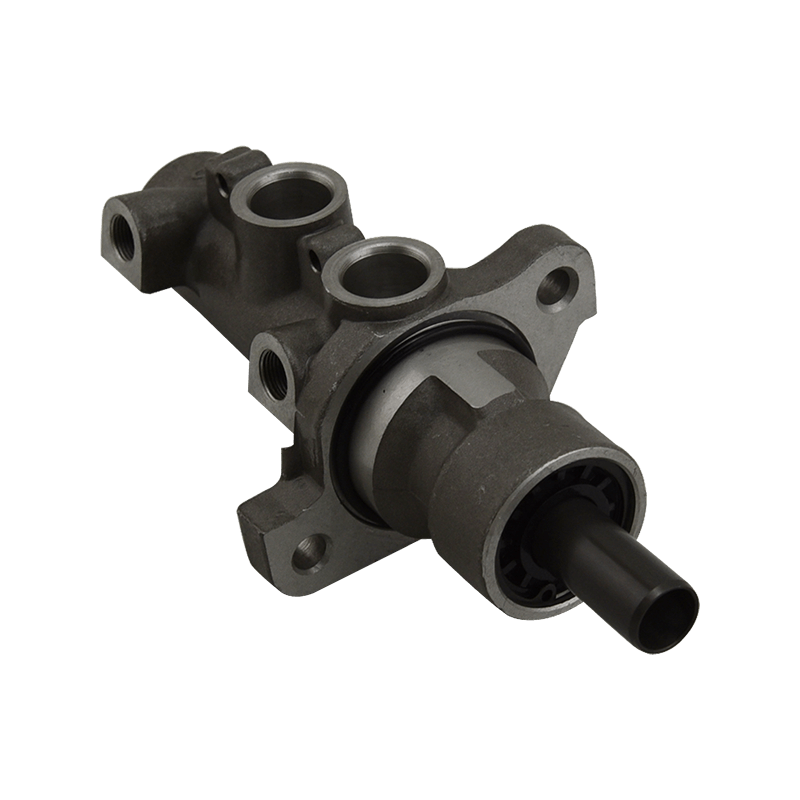
Brake Master Cylinder
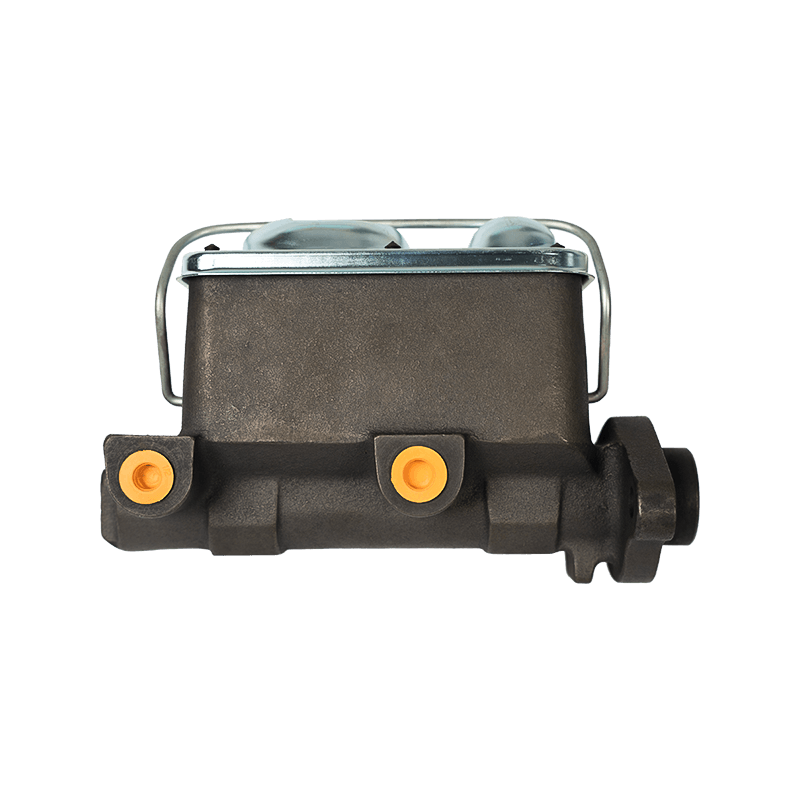
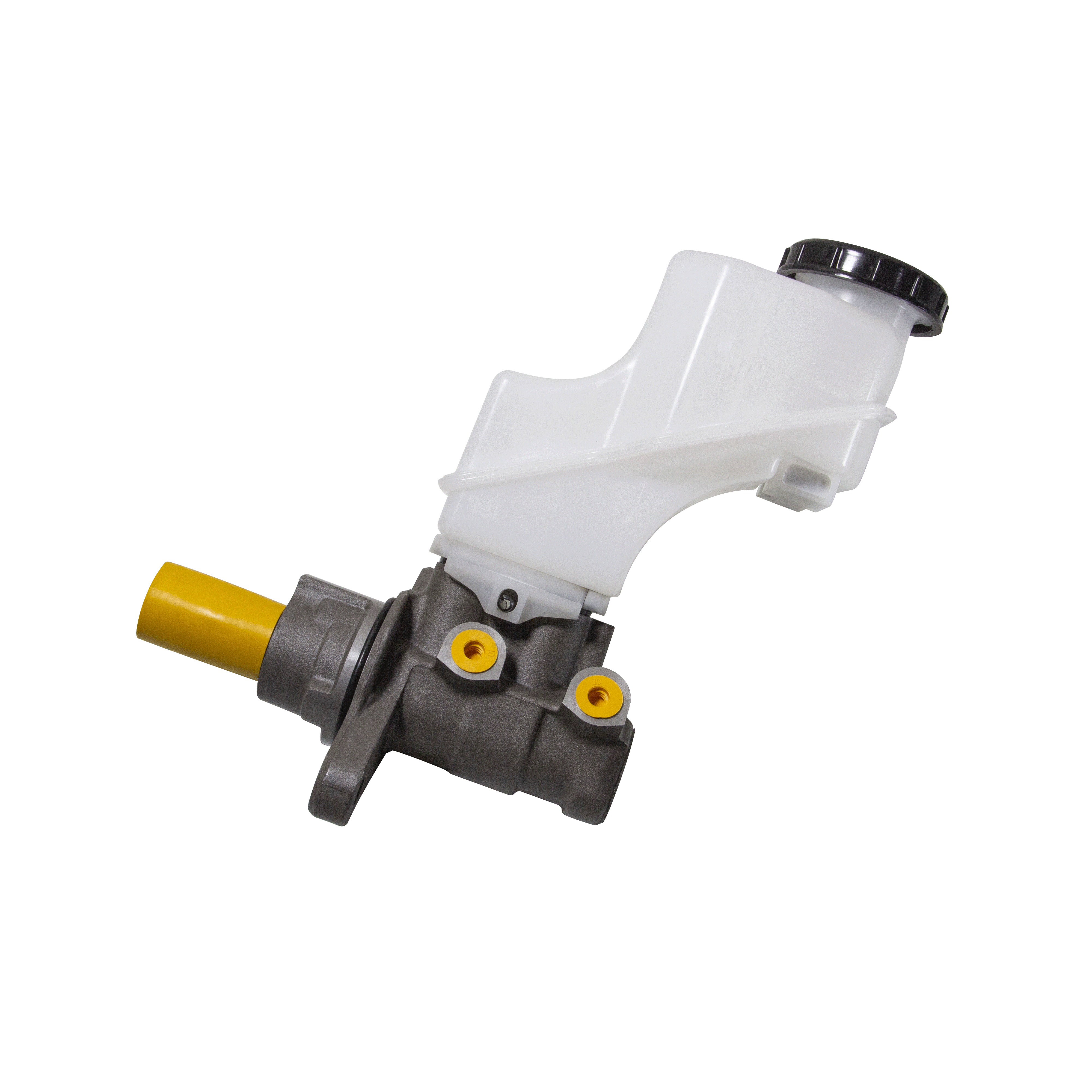
The brake master cylinder is the hydraulic heart of the brakes system. It contains one or two pistons (tandem master cylinder) that pressurize brake fluid when actuated. Modern vehicles use a tandem master cylinder with two independent chambers to serve the dual hydraulic circuits. Bore diameters typically range from 20.64 mm to 25.4 mm, with larger bores providing higher fluid volume but lower pressure per unit of pedal force.
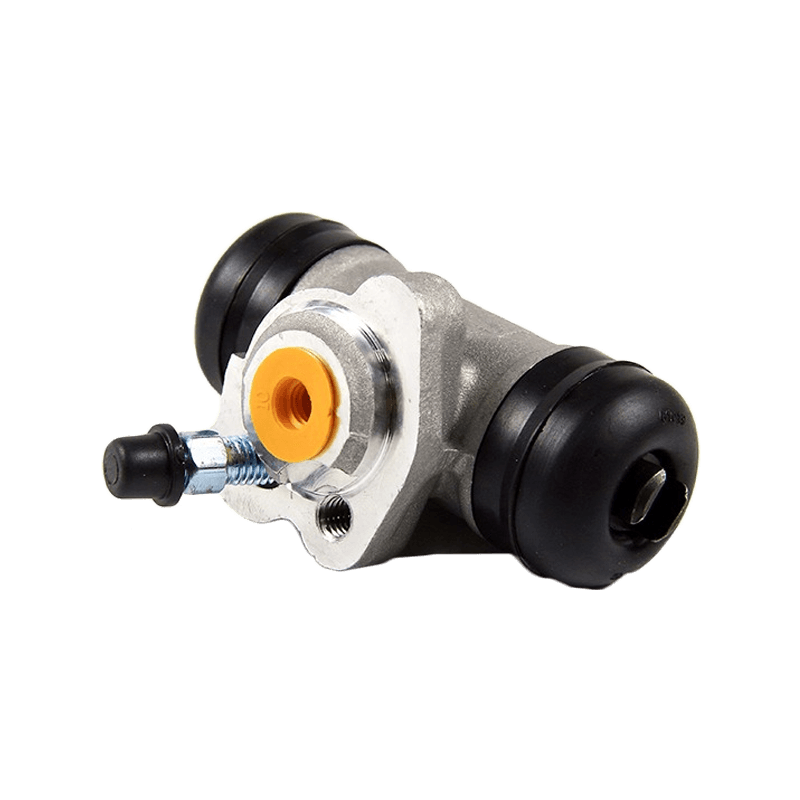
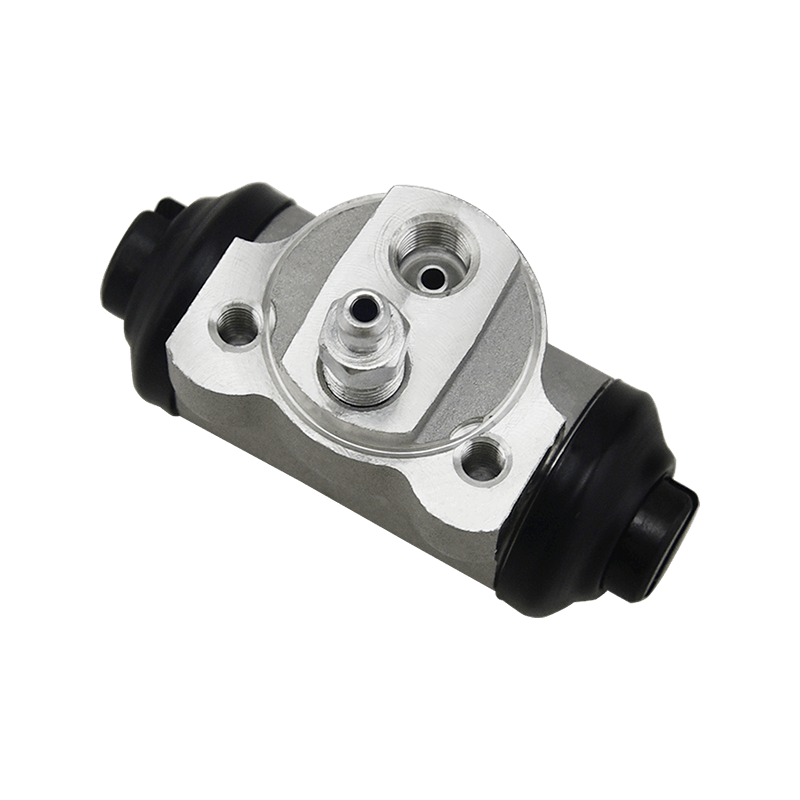
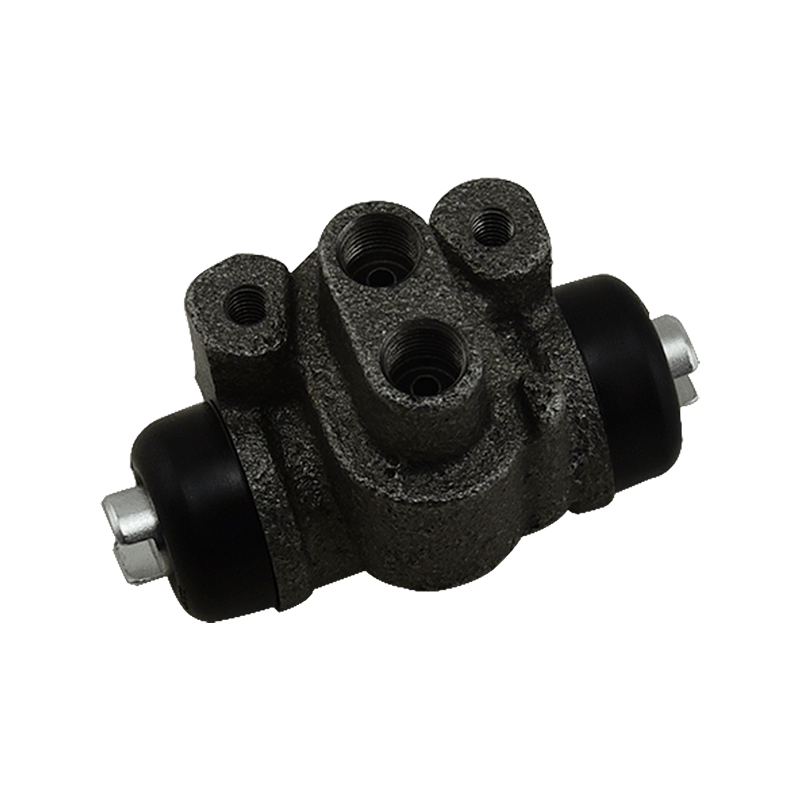
Brake Slave Cylinder (Wheel Cylinder)
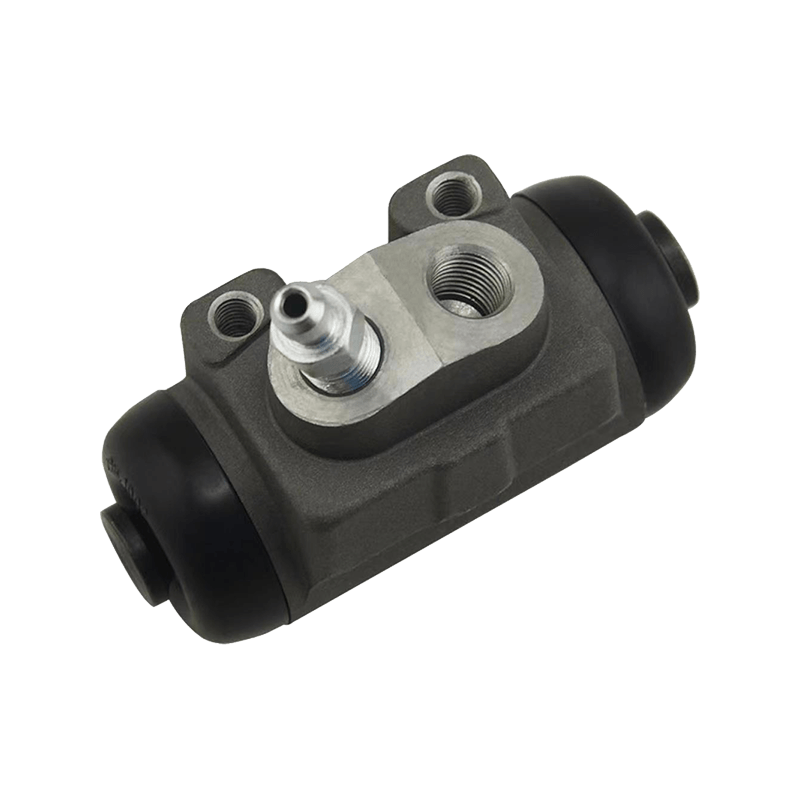
In drum brake systems, the brake slave cylinder (wheel cylinder) receives hydraulic pressure from the master cylinder and pushes brake shoes outward against the drum. It typically contains two opposing pistons with rubber cups and a dust boot. Bore sizes range from 15.87 mm to 28.57 mm depending on the vehicle's rear axle loading requirements.
Brake Calipers
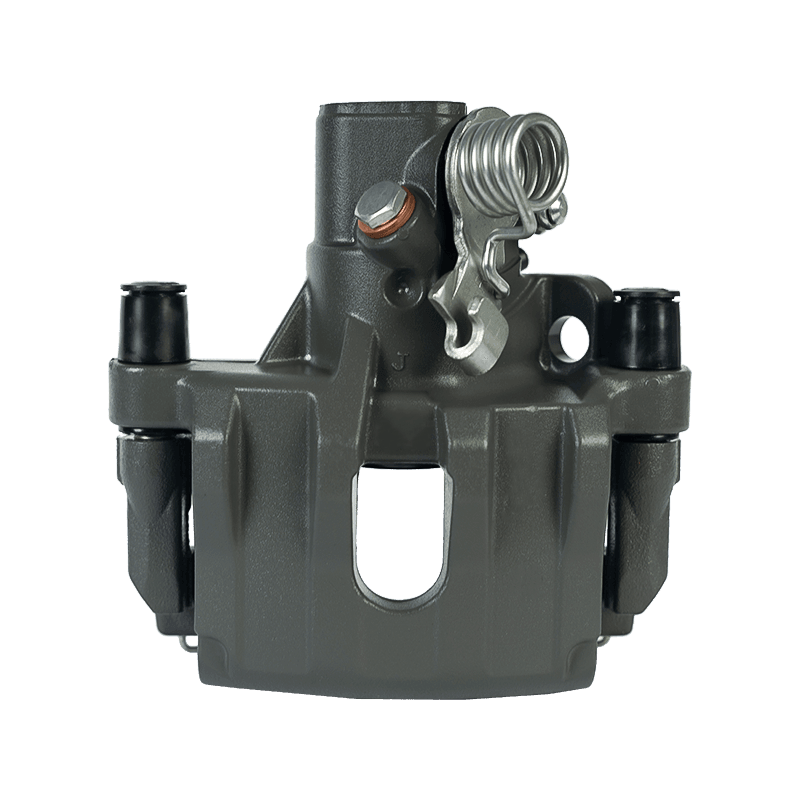
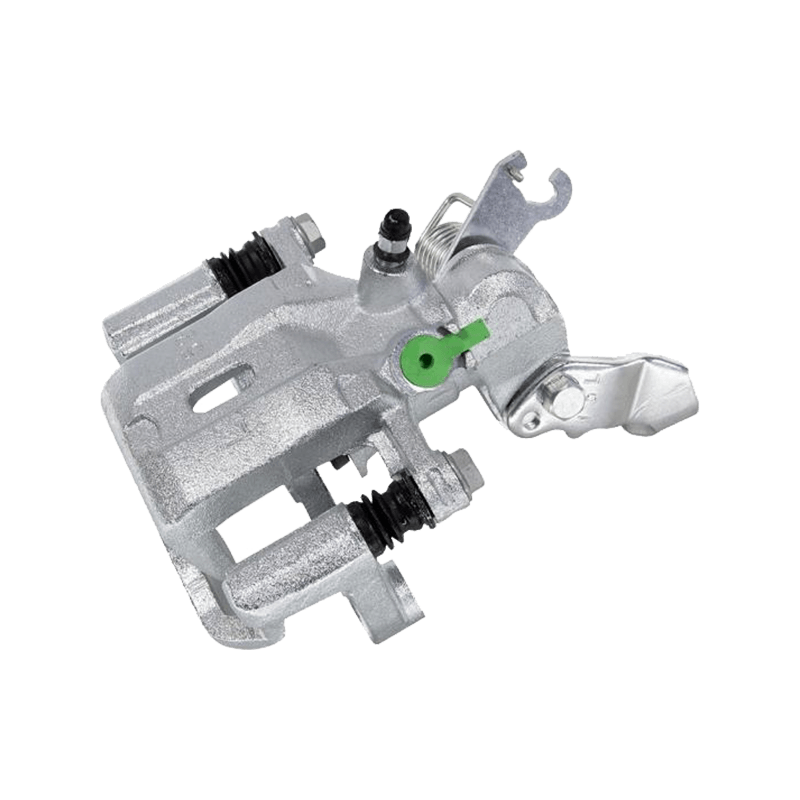
The brake caliper is the actuating component in a car disc brake system. Sliding (floating) calipers use one or two pistons on one side and are the most common type for cost-efficiency. Fixed calipers mount rigidly to the knuckle and use pistons on both sides of the rotor for more even pad wear and higher performance. High-performance vehicles may use 4-, 6-, or even 8-piston fixed calipers to handle extreme thermal loads.
Brake Pads and Brake Shoes
Brake pads are the friction elements in disc brake systems; brake shoes serve the equivalent function in drum systems. Brake pads consist of a steel backing plate bonded to a friction compound. Common friction materials include non-asbestos organic (NAO), semi-metallic (30–65% metal content), and ceramic compounds. Ceramic pads generate less dust and operate more quietly, while semi-metallic pads offer superior thermal capacity for demanding applications. Minimum pad thickness before replacement is typically 2–3 mm; new pads start at 10–12 mm.
Brake Rotors and Drums
Brake rotors (discs) rotate with the wheel and provide the friction surface against which pads clamp. Vented rotors have internal cooling channels between two friction surfaces, improving heat dissipation by up to 40% compared to solid rotors. Drilled and slotted rotors further improve wet-weather performance and outgassing of friction materials. Brake drums are used primarily on rear axles of economy vehicles and light commercial vehicles, offering good parking brake integration but inferior heat management compared to disc designs.
| Component | Primary Function | Typical Service Life |
|---|---|---|
| Brake Master Cylinder | Converts pedal force to hydraulic pressure | 100,000–200,000 km |
| Brake Slave Cylinder | Actuates brake shoes in drum systems | 80,000–150,000 km |
| Brake Caliper | Clamps brake pads against rotor | 100,000–200,000 km |
| Brake Pads | Friction element against rotor surface | 25,000–70,000 km |
| Brake Rotor | Rotating friction surface for disc brakes | 50,000–100,000 km |
| Brake Shoes | Friction element inside drum | 40,000–80,000 km |
| Brake Fluid | Hydraulic medium for pressure transfer | Every 2 years or 40,000 km |
Types of Car Braking Systems: Disc, Drum, and Beyond
Conventional braking systems include two main friction-based designs — disc brakes and drum brakes — as well as regenerative braking in hybrid and electric vehicles, and air brake systems in heavy commercial vehicles. Each design represents a different engineering trade-off between performance, cost, weight, and maintenance simplicity.
Disc Brake Systems
The car disc brake system is now standard on all four wheels of most passenger vehicles sold in developed markets. A flat or vented iron rotor is clamped between two brake pads by a hydraulically actuated caliper. Disc brakes offer superior heat dissipation, better wet-weather performance (self-cleaning action as the rotor spins), shorter stopping distances, and easier inspection and maintenance. A typical passenger car rotor weighs 6–12 kg and measures 256–380 mm in diameter depending on vehicle class.
Drum Brake Systems
Drum brakes remain in use on the rear axles of many economy vehicles and light trucks. The friction surfaces are enclosed inside a rotating drum, which protects them from contamination but also traps heat. This heat buildup — called brake fade — can reduce stopping effectiveness during repeated hard stops. However, drum brakes offer a natural self-energizing effect (the leading shoe is pulled more firmly against the drum by rotation), meaning they can generate high braking force with relatively modest hydraulic pressure, making them well-suited for rear parking brake integration.
Regenerative Braking
Regenerative braking is used in hybrid and battery electric vehicles (BEVs) to recover kinetic energy during deceleration and convert it back into electrical energy stored in the battery. The electric motor acts as a generator when the driver lifts off the throttle or applies light brake pedal pressure. Studies indicate that regenerative braking can recover 10–25% of total driving energy in urban cycle conditions, directly extending electric vehicle range. In most systems, friction brakes are still engaged when deceleration demand exceeds the motor's regenerative capacity or during emergency stops.
Figure 3: This grouped column chart compares disc and drum brake systems across four critical performance dimensions. Disc brakes consistently outperform drum brakes in stopping power, heat management, and wet-weather performance — which is why they dominate the front axle of virtually all modern passenger vehicles and increasingly the rear axle as well. Drum brakes retain a slight edge in ease of integrated parking brake design and lower manufacturing cost, which explains their continued use on rear axles of economy vehicles. Understanding these trade-offs helps technicians and fleet managers make informed decisions about brake system maintenance and upgrades.
The Braking System on a Car: Electronic Safety Enhancements
The fundamental hydraulic brake system car design has been augmented by multiple electronic systems over the past three decades, each addressing specific failure modes or performance limitations of pure friction braking. These systems do not replace the hydraulic circuit but work in concert with it through electronically controlled valves and modulator units.
Anti-lock Braking System (ABS)
ABS prevents wheel lockup during hard braking by rapidly modulating brake pressure at individual wheels. Wheel speed sensors detect when a wheel is decelerating faster than the vehicle (indicating imminent lockup) and instruct the ABS module to reduce, hold, and re-apply pressure in rapid cycles — typically at 10–15 Hz. This maintains the wheel in a rolling state, preserving steering control and reducing stopping distances on most surfaces. According to IIHS research, ABS reduces fatal crash rates in passenger vehicles by approximately 18% on wet roads.
Electronic Brake-Force Distribution (EBD)
EBD continuously adjusts the proportion of braking force applied to front versus rear axles based on vehicle load, speed, and deceleration rate. Without EBD, a fixed proportioning valve allocates less rear brake force to prevent rear wheel lockup under light load — but this can be overly conservative when the vehicle is heavily loaded. EBD improves braking efficiency across a wider range of load conditions, typically shortening stopping distances by 5–10%.
Brake Assist (BA) and Autonomous Emergency Braking (AEB)
Brake assist detects a panic stop scenario (rapid pedal movement with insufficient force) and automatically applies maximum brake boost to help drivers who under-apply the pedal in emergencies. Autonomous Emergency Braking goes further, using radar, lidar, or camera sensors to detect imminent collision risk and apply the brakes automatically without driver input. European NCAP data indicates that AEB reduces rear-end collision rates by up to 38% in urban driving conditions.
Figure 4: This radar chart compares ABS and EBD systems across five performance dimensions relevant to the braking system of a car. ABS leads in stopping distance reduction and wet-road safety, making it the critical foundation of all modern brake safety systems. EBD complements ABS by excelling in load adaptability — dynamically adjusting rear-to-front brake force distribution based on real-time vehicle loading, which neither a fixed proportioning valve nor ABS alone can achieve. Together, these two electronic systems represent the baseline safety architecture of every contemporary passenger vehicle's brake system. Understanding their complementary roles helps technicians diagnose issues accurately when warning lights illuminate.
Working of Brakes Under Thermal Stress: Fade and Heat Management
One of the most critical aspects of the working of brakes in real-world conditions is thermal management. During a single stop from 100 km/h, brake rotor surface temperatures on a passenger car can rise by 100–200°C. On mountain descents or race tracks, sustained braking can push rotor temperatures above 700°C for iron rotors and above 1,000°C for carbon-ceramic composites.
Brake fade occurs when friction materials overheat to the point where their coefficient of friction decreases significantly. There are two types: pad fade (the friction compound loses grip due to thermal degradation) and fluid fade (brake fluid boils inside the caliper, creating compressible vapor bubbles that cause a spongy pedal feel). DOT 3 brake fluid has a minimum dry boiling point of 205°C; DOT 4 raises this to 230°C; DOT 5.1 to 260°C. Racing applications often use synthetic brake fluids with dry boiling points exceeding 300°C.
Vented disc rotors address thermal management through internal cooling channels that increase surface area and air circulation. Studies published in SAE International Journal of Passenger Cars — Mechanical Systems (2021) show that vented rotors dissipate heat approximately 40% faster than solid discs of equivalent diameter under highway deceleration conditions, substantially reducing the risk of brake fade during extended descent braking.
Figure 5: This line chart illustrates the cumulative temperature buildup in solid versus vented brake rotors over five consecutive hard stops from 100 km/h. Solid rotors accumulate heat rapidly, approaching the brake fade threshold by the third or fourth stop, while vented rotors maintain significantly lower operating temperatures throughout the same sequence. The temperature differential reaches approximately 215°C by the fifth stop, demonstrating why vented disc designs are mandatory on front axles where the majority of braking force is absorbed. Fleet operators and vehicle owners who regularly drive in mountainous terrain or engage in towing should pay particular attention to rotor type and condition as part of routine brake system maintenance.
Brake System Maintenance: What to Inspect and When
Proper maintenance of the braking system of a car is a legal and safety requirement in most jurisdictions. Beyond scheduled replacements, operators should be alert to specific warning signs that indicate deteriorating brake performance before a complete failure occurs.
Warning Signs That Require Immediate Inspection
- Squealing or grinding noise during braking — indicates worn brake pads or pad wear indicator contact
- Pulsating or vibrating pedal — typically indicates warped rotors or uneven pad deposits on rotor surface
- Vehicle pulling to one side during braking — suggests uneven brake force, often from a seized caliper or contaminated pad on one wheel
- Spongy or low brake pedal — air in the hydraulic circuit or failing master cylinder seals
- Brake warning light illuminated — low brake fluid level, ABS fault, or parking brake not fully released
- Burning smell after driving — overheated brake pads or a seized caliper causing constant friction
Scheduled Inspection Checklist
- Check brake pad thickness through caliper inspection window or by removing wheel — minimum 3 mm remaining
- Measure rotor thickness with a micrometer — must be above manufacturer minimum (typically stamped on rotor hat)
- Inspect brake fluid level and color — fluid should be clear to light amber; dark/black fluid indicates moisture contamination and should be flushed
- Check brake hoses and lines for cracks, swelling, or corrosion
- Verify caliper slide pins move freely and are properly lubricated
- Test parking brake adjustment and cable condition
About Yancheng Yanitiger Auto Parts Co., Limited
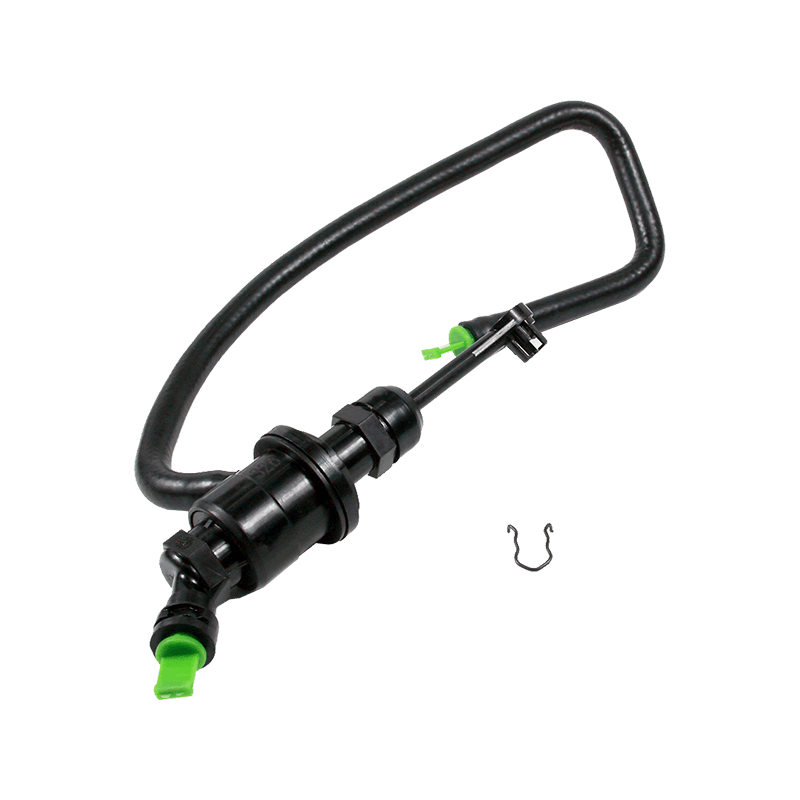
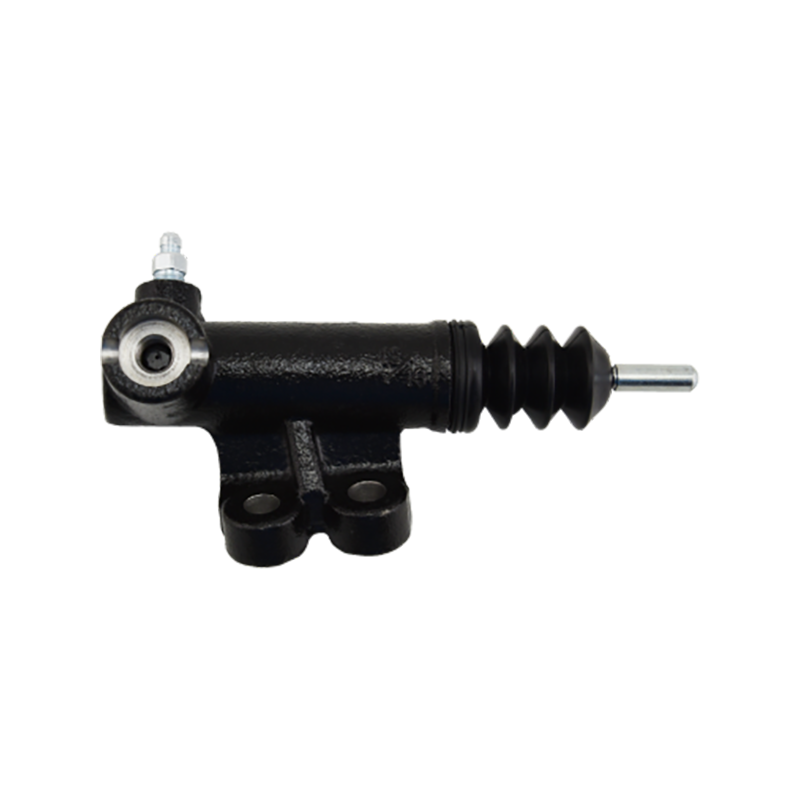
Yancheng Yanitiger Auto Parts Co., Limited is a professional China automobile brake system manufacturer and custom automotive brake system factory. Specializing in the design and production of brake products, Yanitiger's main product range includes brake master cylinders, brake slave cylinders, clutch master cylinders, clutch slave cylinders, calipers, brake pads, brake shoes, and related braking system components.
With professional and systematic operations, Yanitiger has developed more than 3,000 product models across European, American, Russian, Japanese, and Korean vehicle platforms. The company maintains a catalog of more than 1,000 brake shoe and brake pad references, supported by a highly experienced manufacturing team that exports to more than 30 countries worldwide. All products meet the stringent requirements of ISO 9001 and TS16949 certifications, reflecting the company's commitment to consistent quality management.
Yancheng Yanitiger continues to expand its global partnerships, offering competitive solutions for distributors, workshops, and fleet operators seeking reliable, OEM-compatible brake system components backed by proven manufacturing expertise.
Frequently Asked Questions About Car Braking Systems
Q1. What is a brake and what does it do?
A brake is a device that converts vehicle kinetic energy into heat through friction, slowing or stopping wheel rotation. In a car, the brake system transfers driver pedal force through hydraulic pressure to friction components at each wheel, providing controlled deceleration on demand.
Q2. What are the main components of a car brake system?
Key brake system components include the brake master cylinder, slave cylinders or calipers, brake pads or shoes, rotors or drums, brake lines, brake fluid, and the brake booster. Modern cars also integrate ABS modulators, wheel speed sensors, and EBD control units.
Q3. How does a car braking system work?
When the pedal is pressed, the master cylinder generates hydraulic pressure that travels through brake lines to each wheel's caliper or wheel cylinder. These actuators press friction material against the rotating disc or drum, creating friction that converts motion into heat and slows the vehicle.
Q4. What is the difference between disc and drum brakes?
Disc brakes use calipers clamping pads against an open rotor — offering better heat dissipation, shorter stopping distances, and superior wet-weather performance. Drum brakes enclose friction shoes inside a rotating drum, which retains heat but integrates more easily with a mechanical parking brake and is generally less expensive to manufacture.
Q5. How often should brake pads be replaced?
Brake pad lifespan depends heavily on driving style, vehicle weight, and pad compound. Most passenger vehicle pads last 25,000–70,000 km. Replacement is needed when pad thickness falls below 3 mm, or when squealing wear indicators begin to contact the rotor surface during braking.
Q6. What causes a spongy brake pedal?
A spongy or soft pedal is most commonly caused by air in the hydraulic brake lines — a situation requiring immediate bleeding of the system. It can also result from boiling brake fluid (vapor lock), a failing master cylinder, or a deteriorating brake hose that expands under pressure rather than transmitting it.
Q7. What is ABS and why is it important in a brake system?
ABS (Anti-lock Braking System) prevents wheel lockup by modulating brake pressure at 10–15 cycles per second when a wheel approaches lockup. This preserves steering control during hard stops, reduces stopping distances on wet or loose surfaces, and significantly lowers crash risk — reducing fatal wet-road accidents by approximately 18% according to IIHS data.
Q8. How long do brake rotors last?
Brake rotors typically last 50,000–100,000 km, but this varies with rotor thickness, vehicle weight, driving style, and pad compound. Rotors should be replaced when they reach minimum thickness (marked on the rotor), show deep scoring, or exhibit excessive runout (wobble) that causes pedal pulsation during braking.
Q9. What type of brake fluid should I use?
Most passenger cars require DOT 3, DOT 4, or DOT 5.1 glycol-based brake fluid — always refer to the vehicle owner's manual. DOT 4 is the most common modern specification, offering a dry boiling point of 230°C. Brake fluid should be replaced every 2 years regardless of appearance, as it absorbs moisture over time, lowering its boiling point and risking vapor lock.
Q10. Can worn brake pads damage the rotors?
Yes. When brake pads wear past the minimum thickness, the steel backing plate contacts the rotor directly, cutting deep grooves into the rotor surface. This metal-to-metal contact extends stopping distances, generates heat, and typically requires rotor replacement in addition to new pads — significantly increasing repair costs compared to timely pad replacement.


CONTACT INFOR.
-
 +86-152 5110 1941
-
 Info@yanitiger.com
-
 +86-152 5110 1941
-
 Building 5, Yancheng Financial City, No. 5 Century Avenue, Yancheng City, Jiangsu Province, China
Copyright © Yancheng Yanitiger Auto Parts Co., Limited All Rights Reserved. Custom Automobile Brake Products Factory OEM Automobile Brake Products Manufacturers
