
 English
 Português
 Español

A customer walked into a workshop with 38,000 miles on a two-year-old sedan and asked why the rear brakes were fine while the fronts were down to 2 mm of friction material. Nothing was wrong with the car. The front axle had simply done most of the stopping, on short city trips, in traffic, for two years. That is how brake wear works: the calendar and the odometer tell you when to look, but the measured thickness tells you when to replace.
The short answer most service guides converge on: front brake pads usually need replacing somewhere between 25,000 and 65,000 miles, rotors between 30,000 and 70,000 miles, and brake fluid every two to three years regardless of mileage. A proper inspection once a year, or roughly every 12,000 miles, keeps you ahead of all three.
Brake Service Intervals at a Glance
Treat the numbers below as planning ranges, not promises. Your owner's handbook, and the actual measured wear on your car, override anything in a general table.
| Component | Typical replacement window | What really decides it |
|---|---|---|
| Front brake pads | 25,000–65,000 miles | Vehicle weight, city versus highway use, pad compound, driver aggression |
| Rear pads or shoes | Usually well beyond the front interval | Front brake bias, rear disc versus drum design, stability control and parking brake use |
| Rotors / discs | 30,000–70,000 miles, or at minimum thickness | Pad aggressiveness, corrosion, previous machining, heat cycles |
| Brake fluid | Every 2–3 years | Moisture absorption; glycol fluid is hygroscopic by nature |
| Calipers, hoses, wheel cylinders | Inspect yearly; replace on leak or seizure | Boot condition, corrosion, contaminated fluid, piston sticking |
Why Mileage Alone Tells You Very Little
Two cars can both show 45,000 miles on the clock with completely different brake condition. One spent those miles on a highway commute, barely touching the pedal. The other did school runs, delivery drops and rush-hour crawling, where every junction converts kinetic energy into heat through a 3 mm layer of friction material.
That difference is why service guidance spreads across such a wide band. Published dealer and aftermarket guidance repeatedly lands on 25,000–65,000 miles for pads and 30,000–70,000 miles for rotors, with 50,000 miles quoted often enough to become a rule of thumb. The range is the honest part of the answer.
Replacement windows in miles, drawn from commonly published service guidance for passenger cars; the dashed line marks the widely quoted 50,000-mile rule of thumb.
Front Versus Rear: Where the Wear Actually Happens
Under braking, weight transfers forward and the front tires gain grip, so the front circuit is designed to do the larger share of the work. That is also why front rotors are usually larger and front pads carry more friction area. Rear brakes contribute proportionally less, which is the main reason rear friction parts often outlast the fronts by a wide margin.
It is not a free pass for the rear axle. Rear pads are often smaller and wear at a different rate than the fronts, and cars with aggressive stability control, electronic parking brakes or rear-biased performance setups can chew through rear pads faster than the owner expects. On drum-braked cars, seized wheel cylinders and contaminated shoes are a more common failure than simple lining wear.
Warning Signs That Override the Schedule
Mileage is a planning tool. These symptoms mean the part gets checked now, not at the next service:
- A metallic squeal that continues after the first few stops, usually a wear indicator touching the rotor.
- Grinding under braking, which often means the friction material is gone and the backing plate is cutting into the disc.
- A pedal that feels soft, long or sinks slowly when held at a stop.
- Pulsation through the pedal or steering wheel, pointing to rotor thickness variation or uneven pad deposits.
- The car pulling to one side while braking, a classic sign of a sticking caliper piston or a collapsed hose.
- Fluid on the inside of a wheel or a dropping reservoir level with no visible leak at the lines.
- A dashboard brake warning lamp, or a stopping distance that has grown noticeably longer than you remember.
What a Proper Brake Inspection Actually Measures
A useful inspection is a set of measurements, not an opinion. Ask for the numbers.
Pad thickness
New passenger-car pads typically start with 10–12 mm of friction material. Most workshops recommend replacement at around 3 mm, and anything at 2 mm or below is urgent. Note that the inner pad often wears faster than the outer pad, so both sides must be checked — a single visible outer pad tells you half the story.
Rotor condition
Every rotor carries a minimum thickness specification, usually stamped or cast on the hub. A rotor worn below that figure cannot be machined back into service and must be replaced, regardless of how it feels. Scoring, deep grooves, hard spots and heavy edge corrosion all push the same decision.
Brake fluid
Glycol-based fluid absorbs moisture through hoses and seals. Above roughly 3% water content, the boiling point drops sharply and pedal feel fades under repeated hard stops. A two-minute electronic moisture test removes the guesswork from a two-to-three-year fluid interval.
Hydraulics and hardware
Calipers are checked for piston retraction and slide-pin freedom, hoses for cracking and swelling, and wheel cylinders for dampness under the boot. A caliper that drags will destroy a new pad set within a few thousand miles, so fixing the cause matters more than fitting the parts.
The caliper squeezes two pads against the rotor; pad wear is read on the friction material, while rotor wear is judged against its stamped minimum thickness.
Driving Habits That Move the Interval
Owner behaviour shifts brake life by tens of thousands of miles, which is why a single "correct" number does not exist:
- City and stop-start driving sits at the low end of every range, because the number of stops matters more than the distance covered.
- Highway cruising with long, gentle decelerations pushes pad life toward the upper end.
- Towing, roof loads and full passenger loads add mass that has to be slowed, and heat rises accordingly.
- Long mountain descents punish brakes through heat build-up; engine braking protects both pads and fluid.
- Riding the pedal with a left foot, or holding the car on the brake at traffic lights, keeps pads in contact and shortens life.
- Electrified cars often use regenerative braking first, which can extend friction-brake life but also lets rotors corrode from lack of use — periodic firm stops help.
Matching Replacement Parts to the Real Interval
The interval only holds when the replacement parts are right for the application. A brake pad that fits but is compounded for the wrong duty cycle will either fade under load or wear out early. That is why professional buyers work from OEM reference numbers and vehicle fitment rather than from a generic size match.
Yancheng Yanitiger Auto Parts Co., Limited has been supplying brake and clutch hydraulic components since 1998, with a catalogue covering more than 7,000 hydraulic part numbers and over 1,000 brake shoe and pad references for European, American, Russian, Japanese and Korean vehicles, exported to more than 30 countries. Manufacturing follows ISO 9001 and IATF 16949 quality systems, with E-MARK R90 and AMECA certification on core product lines. For workshops and distributors building a brake pad range around real-world service intervals, the practical starting point is the OEM number on the old part.
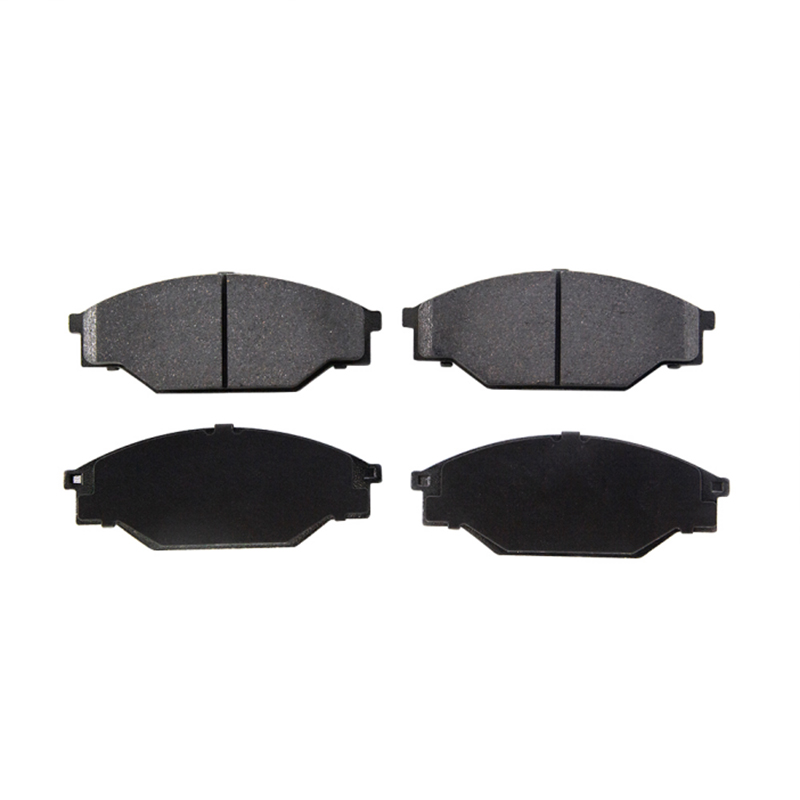 D303-7205 Ceramic Brake Pads for Toyota ApplicationsAftermarket ceramic pads built to listed Toyota OE references, with OE-shaped backing plates and IATF 16949 production controls for distributor and workshop brake ranges.View Product →
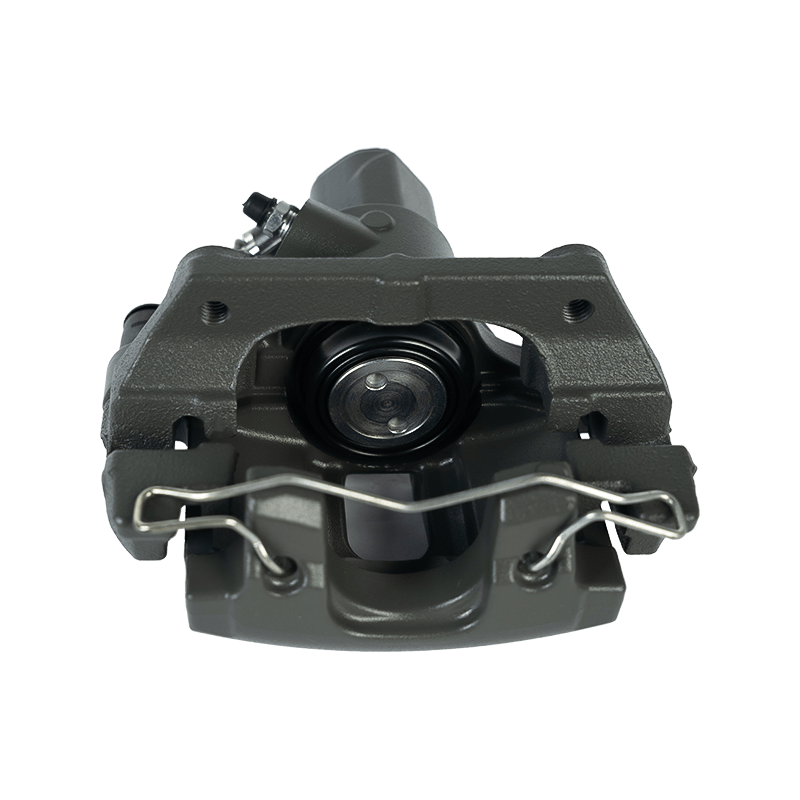 8M5Z2552B Brake Caliper for Ford C-Max and EscapeAftermarket aluminum caliper with 38 mm piston for listed Ford applications, pressure-tested under IATF 16949 and suited to workshop and fleet replacement.View Product →
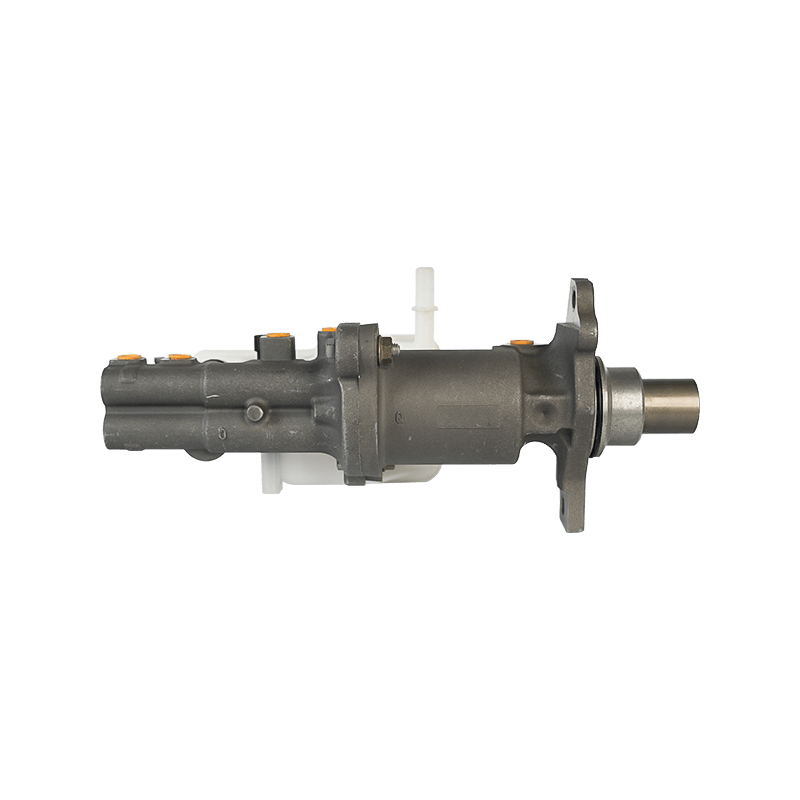 20759706 Brake Master Cylinder for GM Trucks and SUVsOE-spec dual-bore aluminum master cylinder for listed Chevrolet, GMC, and Cadillac applications, inspected before shipment and suited to fleet and distributor stock.View Product →
How to Get More Miles From a Set of Brakes
None of these are tricks; they are the difference between a brake system that reaches 60,000 miles and one that needs attention at 30,000:
- Brake earlier and lighter, and let the car roll to a stop where traffic allows.
- Flush brake fluid on schedule — moisture degrades both hydraulics and pedal feel.
- Keep caliper slide pins cleaned and lubricated with the correct high-temperature grease.
- Replace pads in axle sets and bed them in with a series of moderate-to-firm stops.
- Wash salt and road grime off the brake corners in winter to slow edge corrosion.
- Investigate any noise or drag immediately; a sticky caliper is far cheaper to fix than a warped rotor.
Frequently Asked Questions
How often do brake pads need to be replaced?
Most passenger cars need front pads somewhere between 25,000 and 65,000 miles. Rear pads usually last longer. The deciding figure is friction material thickness — plan the replacement at around 3 mm.
How many miles do brake rotors last?
Commonly 30,000 to 70,000 miles, but the stamped minimum thickness and corrosion matter more than mileage. A rotor measured below specification must be replaced rather than resurfaced.
How often should brake fluid be changed?
Every two to three years. Glycol fluid absorbs moisture, and above roughly 3% water content the boiling point drops and pedal feel suffers during hard or repeated braking.
Do rear brakes wear out as fast as front brakes?
Usually not. On most cars the front axle performs the majority of the stopping. Rear pads and shoes still need inspection at the same intervals, and rear discs can wear quickly on cars with frequent stability control or parking brake use.
How long do brakes last when towing or driving in the city?
Expect the lower end of the range, sometimes 25,000 to 35,000 miles for front pads, because every stop converts more energy into heat. Highway-heavy use pushes the same pads toward the upper end.
How often should brakes be inspected?
At least once a year or every 12,000 miles, and again at every tire rotation. Inspection is inexpensive; a seized caliper that ruins a rotor or a pad worn to metal is not.