
 en
en
Picture a driver in a 2018 sedan who sees a stopped delivery truck about 30 metres ahead and stabs the brake pedal — fast, but not especially hard. The car still stops as if the pedal had been pushed through the floor. That extra deceleration is the brake assist system at work.
A brake assist system is an electronic function that reads how quickly and how firmly the brake pedal is applied and, once it decides the driver is making an emergency stop, tells the hydraulic system to build maximum usable braking pressure immediately — even when the driver's own pedal effort is only a fraction of what the brakes can deliver. There is no extra pedal, pump or button. In most cars the logic sits inside the ABS or ESC control unit and works through the booster, master cylinder, calipers and pads that were already fitted.
Because the system stays invisible until it is needed, it is also one of the most misdiagnosed parts of a brake job. Below is how detection works, where the signal travels, what fails on high-mileage vehicles, and what buyers should check before ordering parts.
The Short Answer: What a Brake Assist System Does
Brake assist exists because of a human habit, not a hydraulic gap. Braking studies have shown for decades that many drivers in an emergency do not press the pedal hard or fast enough to reach the deceleration their car can actually produce. ABS keeps the wheels from locking; it cannot create pressure the driver never asked for. Brake assist closes that gap.
- Pedal-speed sensing — the control unit compares how fast the pedal travels with a stored threshold. Systems are normally grouped as hydraulic brake assist (HBA, reusing ABS hardware), electronic brake assist (EBA, reading pedal travel electrically) and mechanical brake assist (MBA, triggered by a spring mechanism inside the booster).
- Immediate pressure build — once the threshold is crossed, the ABS or ESC pump and valves raise line pressure until the wheels sit at the slip limit, so the driver gets maximum braking without pressing harder.
- Driver stays in control — assist ends when the pedal is released or eased, and ABS still modulates each wheel, so steering is retained.
- No extra switch — the function is invisible in normal driving and is usually only announced by a "Brake Assist" or "BAS" warning message when something is wrong.
| System | What it does | When it activates |
|---|---|---|
| ABS | Prevents wheel lock and preserves steering control under hard braking | When a wheel is about to lock |
| EBD | Balances front and rear braking force for load and surface | Continuously, during any braking |
| Brake assist (BAS, EBA, HBA) | Builds maximum usable pressure quickly when the pedal input looks like an emergency | On a rapid, forceful pedal application |
| AEB | Brakes or pre-fills the brakes with no driver input | When radar or a camera detects an imminent collision |
How the System Decides You Are Panicking
Detection is a timing problem. In a normal stop the pedal ramps down smoothly over a few hundred milliseconds; in an emergency stop it travels fast, pressure at the master cylinder rises steeply, and many drivers lift off the accelerator in the same instant. Brake assist is calibrated to recognise that signature.
Most calibrations use one or a combination of these inputs:
- Pedal travel speed above a stored threshold, measured by a sensor on the pedal or in the booster.
- A rapid rate of pressure rise measured at the master cylinder or inside the hydraulic control unit.
- Pedal force above a set level, detected mechanically in the booster or electronically by a force sensor.
- Supporting data from wheel speed sensors and, on newer vehicles, from radar and camera inputs.
Once triggered, the assist holds until the wheels reach the ABS slip threshold, then hands back to normal ABS modulation. Many modern cars also pre-fill the brakes when the driver lifts off the accelerator sharply, so the first millimetre of pedal travel already produces a response — the same logic that automatic emergency braking relies on.
Whatever the electronics request still has to survive the hydraulic path. A hydraulic brake master cylinder with a scored bore or leaking internal seals absorbs the extra pressure the assist sends, and the driver feels a long pedal instead of a short stop.
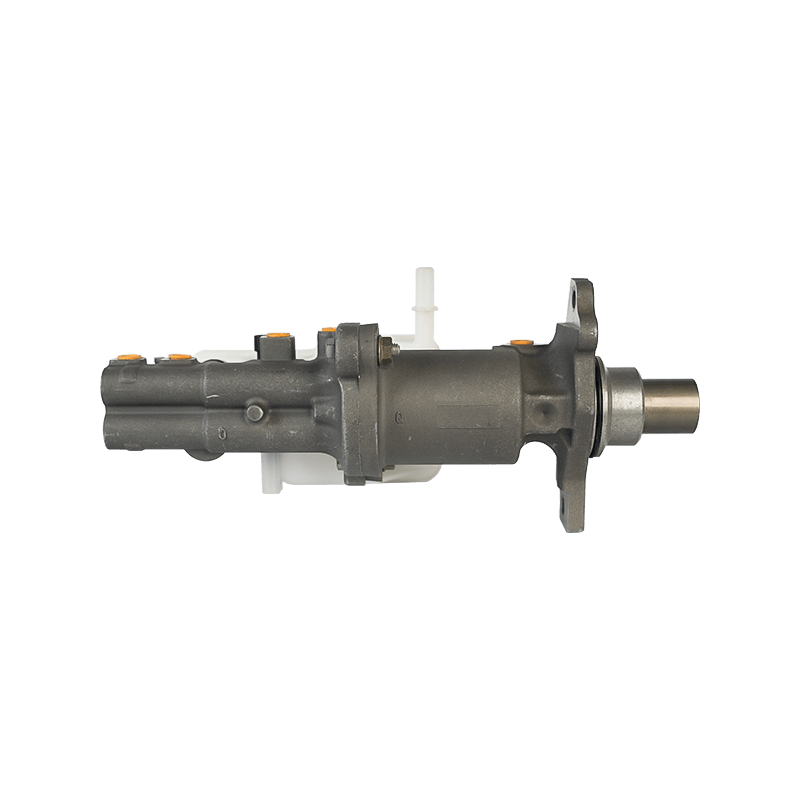 20759706 Brake Master Cylinder for Chevrolet Cadillac2009-2012 Chevrolet SilveradoView Product →
Where Brake Assist Sits in the Brake Hydraulic Circuit
Brake assist is software, but every command it issues ends up as fluid pressure somewhere in a physical chain:
- Pedal assembly with a travel or force sensor
- Booster, either vacuum or electro-mechanical
- Master cylinder
- ABS or ESC hydraulic control unit with pump and solenoid valves
- Brake lines and flexible hoses
- Calipers
- Pads and rotors
Two consequences follow. First, assist can never exceed what the calipers and the friction pair convert into stopping force: if a slide is seized or the pads are glazed, the extra pressure turns into heat, noise and uneven wear rather than shorter stops. Second, anything that restricts flow or traps air upstream — a tired booster, a collapsed hose, old fluid — delays exactly the pressure rise the assist is trying to create, which is why an assist fault is so often a hydraulic fault in disguise.
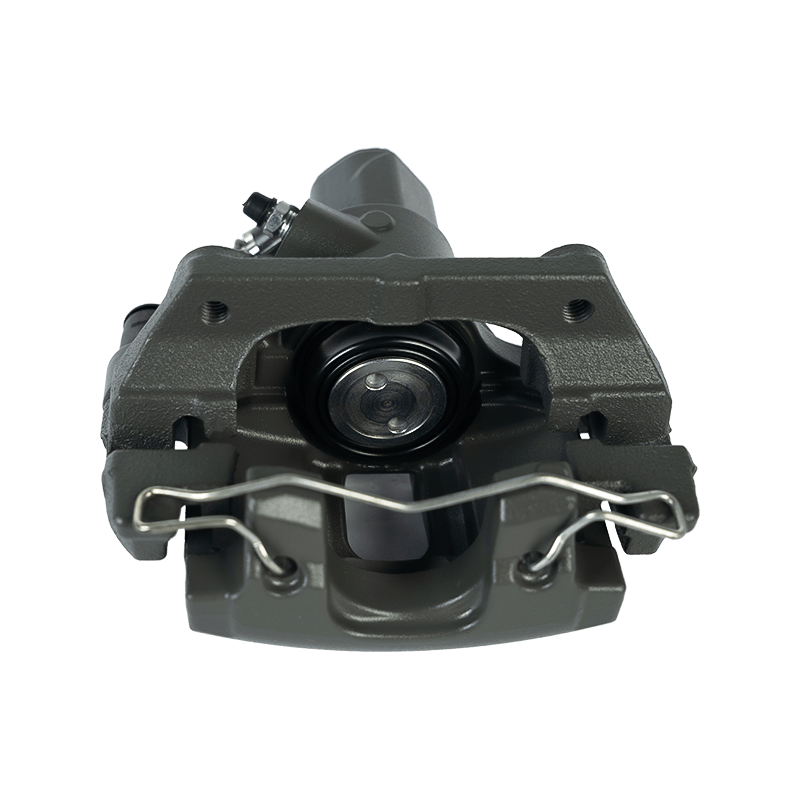 8M5Z2552B Brake Caliper for FordRecommended ProductsView Product →
From Flagship Feature to Legal Requirement
The first production brake assist system appeared in 1996 on Mercedes-Benz flagship models. The logic has barely changed since: hit the pedal faster than the threshold and full boost is applied. Adoption, however, is what reshaped the parts market.
From 2009, brake assist was effectively expected on any car chasing a top Euro NCAP rating. From 2014, the same rating schemes began scoring automatic emergency braking, which shares the pedal sensors, booster and hydraulic unit. From July 2022, EU rules required AEB for new vehicle types, and from July 2024 for all new vehicles sold in the EU. A large and growing share of the cars reaching workshops now carry electronics and boosters that must be matched to the assist calibration, not simply fitted.
What Fails, and What the Driver Feels
Brake assist faults rarely announce themselves as a failed assist. They show up as changes in pedal feel or as a warning light.
- Long or spongy pedal — air in the circuit, an internal master cylinder leak, or fluid that has absorbed moisture and boils under hard braking.
- Hard pedal with no boost — a vacuum leak, a failed booster check valve or vacuum pump, or a fault in an electro-mechanical booster.
- BAS, ABS or ESC warning lamps — the assist has disabled itself; stored fault codes usually name the sensor or circuit involved.
- Assist that works intermittently — corroded connectors, damaged wiring, a dropping wheel speed signal, or low voltage on cars with electric boosters.
- Longer stops right after a pad change — usually a friction mismatch or pads that were never bedded in, not a brake assist fault.
What This Means for Parts Buyers and Workshops
- Match the master cylinder by part number, not just by bore. Port layout, reservoir angle and bore size all change pedal travel and the pressure slope the assist logic expects.
- Keep the booster type identical. Vacuum and electro-mechanical boosters are not interchangeable, and a used booster from another platform often masks the real fault.
- Choose friction for consistency, not only for a high coefficient. Assist raises pressure very quickly, so pads that fade or grab when hot force ABS to cycle more and can trigger noise complaints.
- Check brake fluid. Moisture lowers the boiling point, and trapped air lengthens the pedal exactly when the assist is asking for pressure.
- Diagnose before replacing. Read ABS and ESC codes, watch pedal sensor values live, and confirm the pressure rise with a gauge before condemning the hydraulic unit.
Buying across one catalogue reduces the risk of mismatched specifications, because a brake assist fault very often ends with a master cylinder, caliper or pad set rather than an electronic module. Suppliers such as YaniTiger cover a complete brake system parts range under a single brake system category and publish batch test reports, which helps when a customer asks for evidence behind a specific part number.
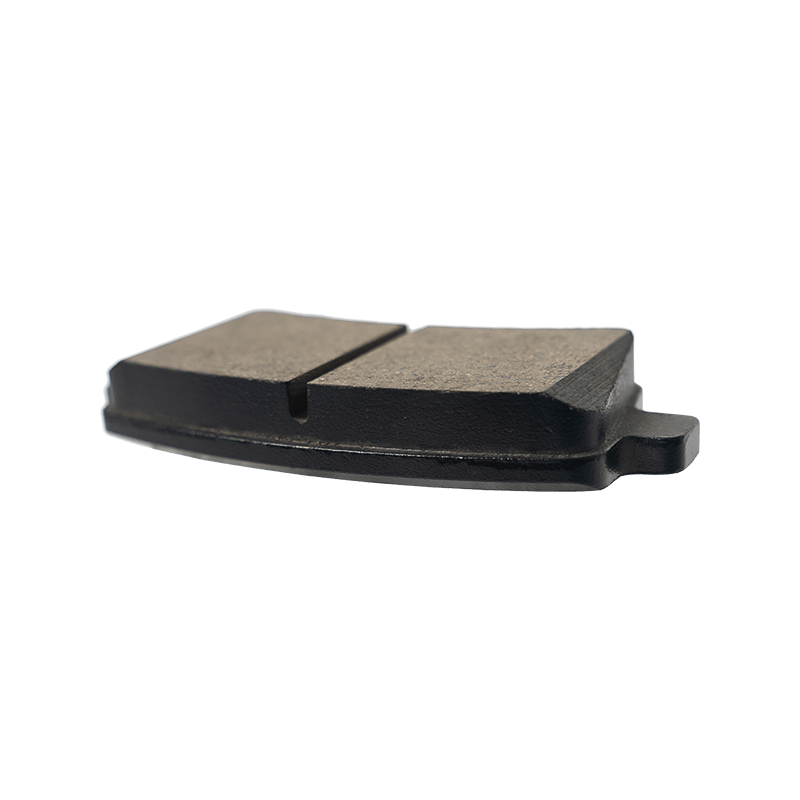 16586609 High Carbon Heat Resistant Brake Pads for BUICK CADILLACRecommended ProductsView Product →
Frequently Asked Questions About Brake Assist Systems
Brake assist is a small piece of logic with a large effect: it turns a hesitant pedal press into full hydraulic pressure while the driver still has time to react. That also means it can only ever be as good as the hardware around it. Correct master cylinder matching, free-moving calipers, stable friction material and clean brake fluid are what let the system deliver the braking it was designed for.